A room can feel quiet with a plum rug, a blue doorway, or a rust-colored bed. What matters is where the color lands and what sits beside it. When one piece carries most of the color, you can keep the things you already love and give each one room to register.
These colorful minimalist home decor ideas start with decisions you can make one at a time. Try one surface, textile, or sightline first. For paint, look at a sample in the room during the day and again under your lamps before committing.
1. Paint Only the Inside of a Doorway
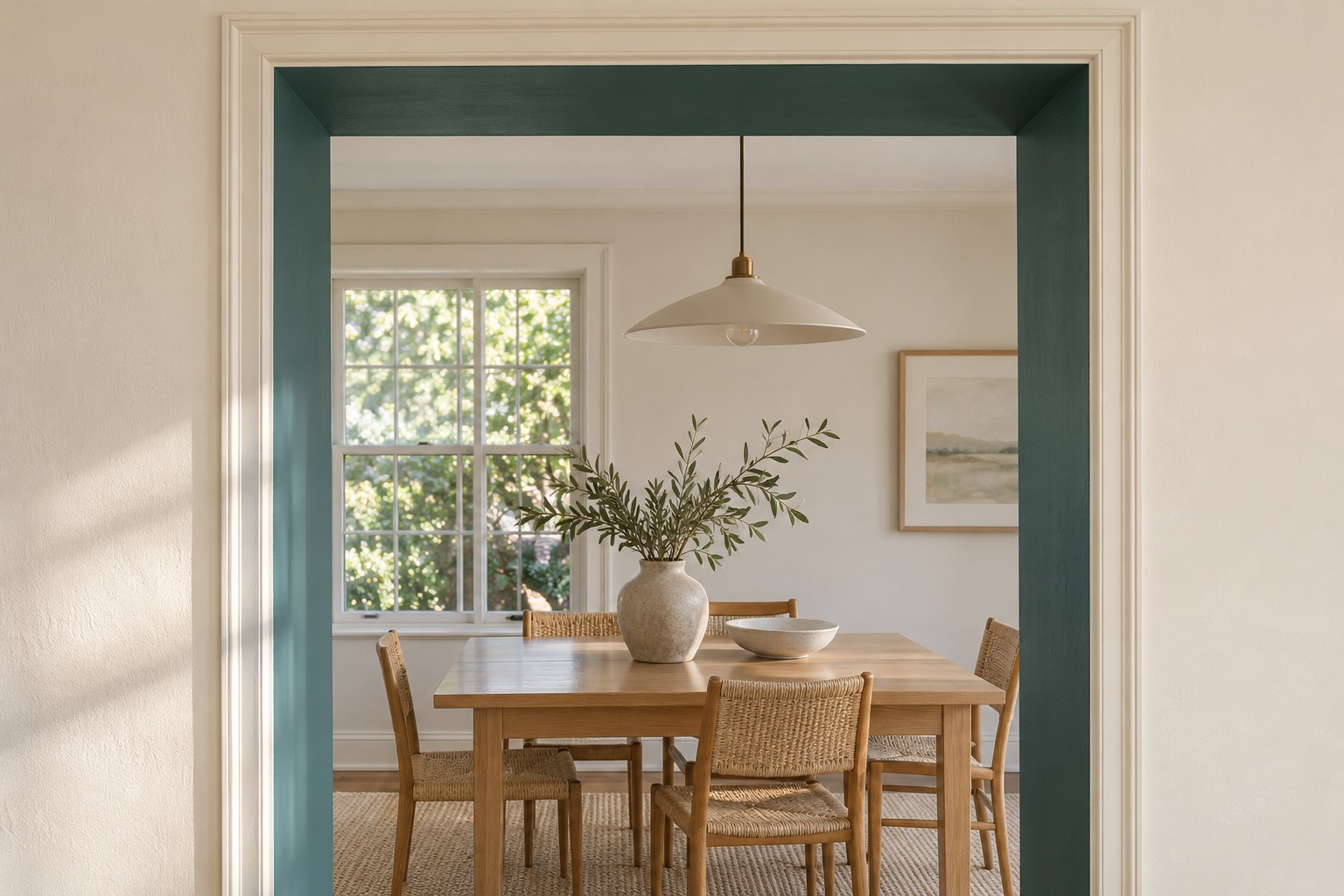
Treat the inside faces of a door opening as a small frame. A blue-green opening between a cream hallway and a quiet dining room gives both rooms a glimpse of color while leaving their main walls intact. Carry the color around both sides and across the top, stopping at the same edge all the way around.
Try a sample against the floor and the wall at the actual opening. Shadow can make a color feel darker there than it did on a sunny wall. On a cased doorway, use the edge of the casing as the stopping point so the paint looks intentional from both rooms.
2. Carry One Color Across an Open Sightline
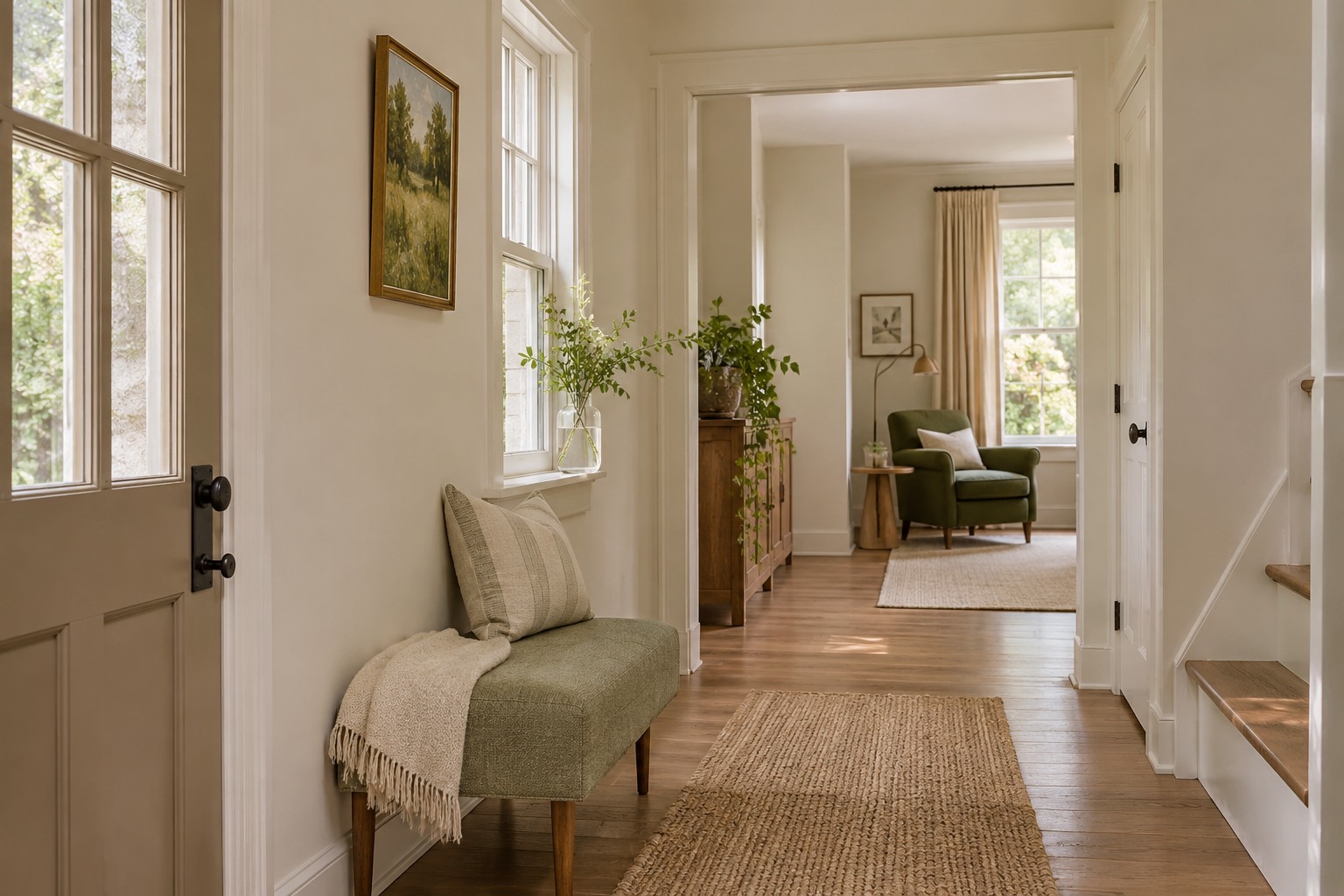
Pick a color you can see from the doorway and repeat it once farther into the house. A sage bench cushion in an entry can echo a deeper green chair in the living room. Keep one element larger so the two accents establish a connection without competing across the view.
Look at the two together from the point where the spaces meet. Fabric may need a slightly stronger shade to hold its own at a distance, particularly where the second room gets less light. If you are also changing wall colors, compare the undertones with our whole-house paint color ideas.
3. Let a Solid Rug Define the Seating Area
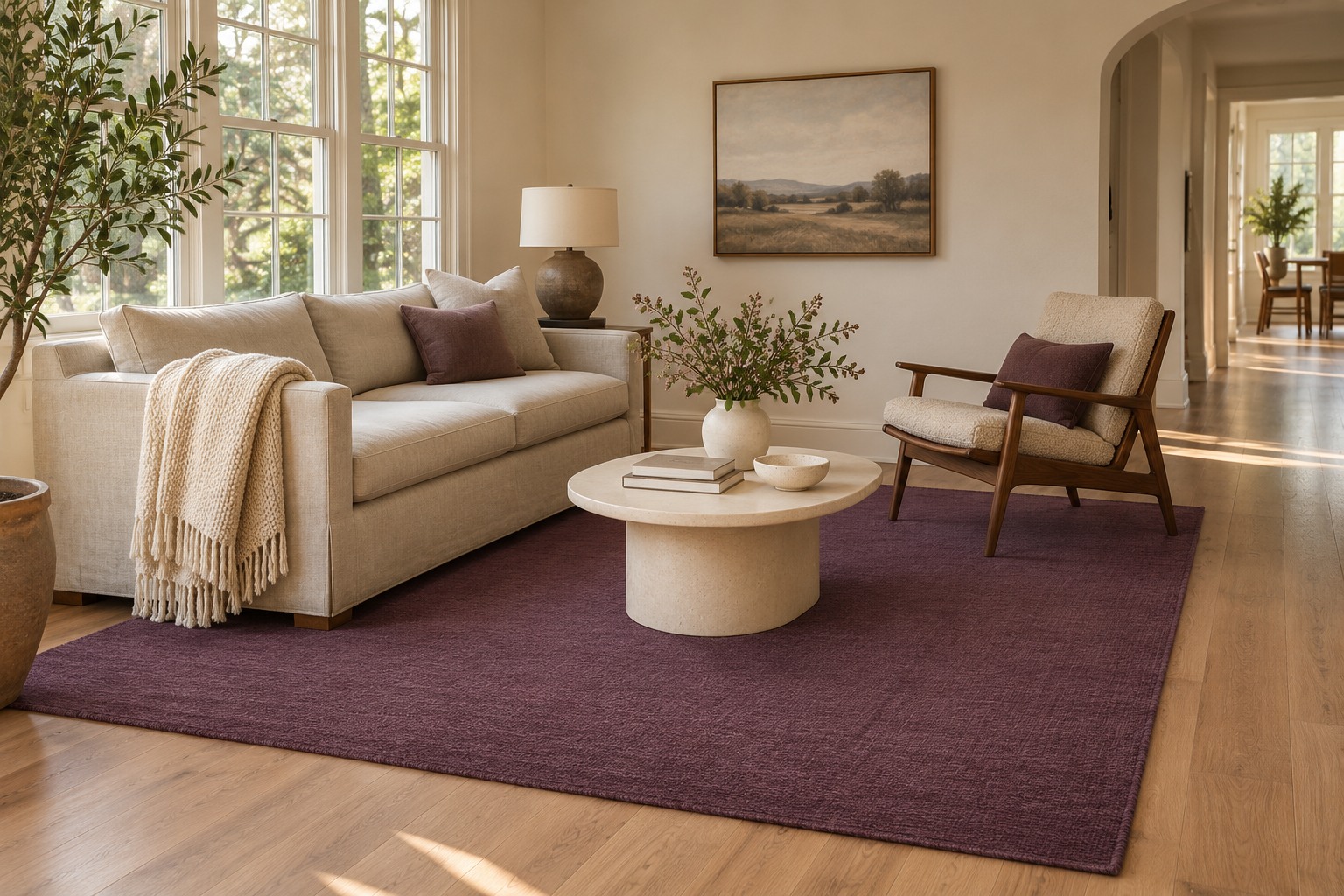
A solid plum, denim blue, or olive rug can put a clear boundary around a seating area. Choose a rug large enough for the front legs of the sofa and chairs to rest on it. That way the color looks connected to the furniture and helps the group feel settled.
Bring a sample to the room if you can. Check it against the floor, sofa fabric, and the view from the entrance. A solid rug can take the lead even when the seating is plain. Our organic modern living room ideas offer ways to add texture around a simple furniture grouping.
4. Color the Back of a Single Shelf Bay
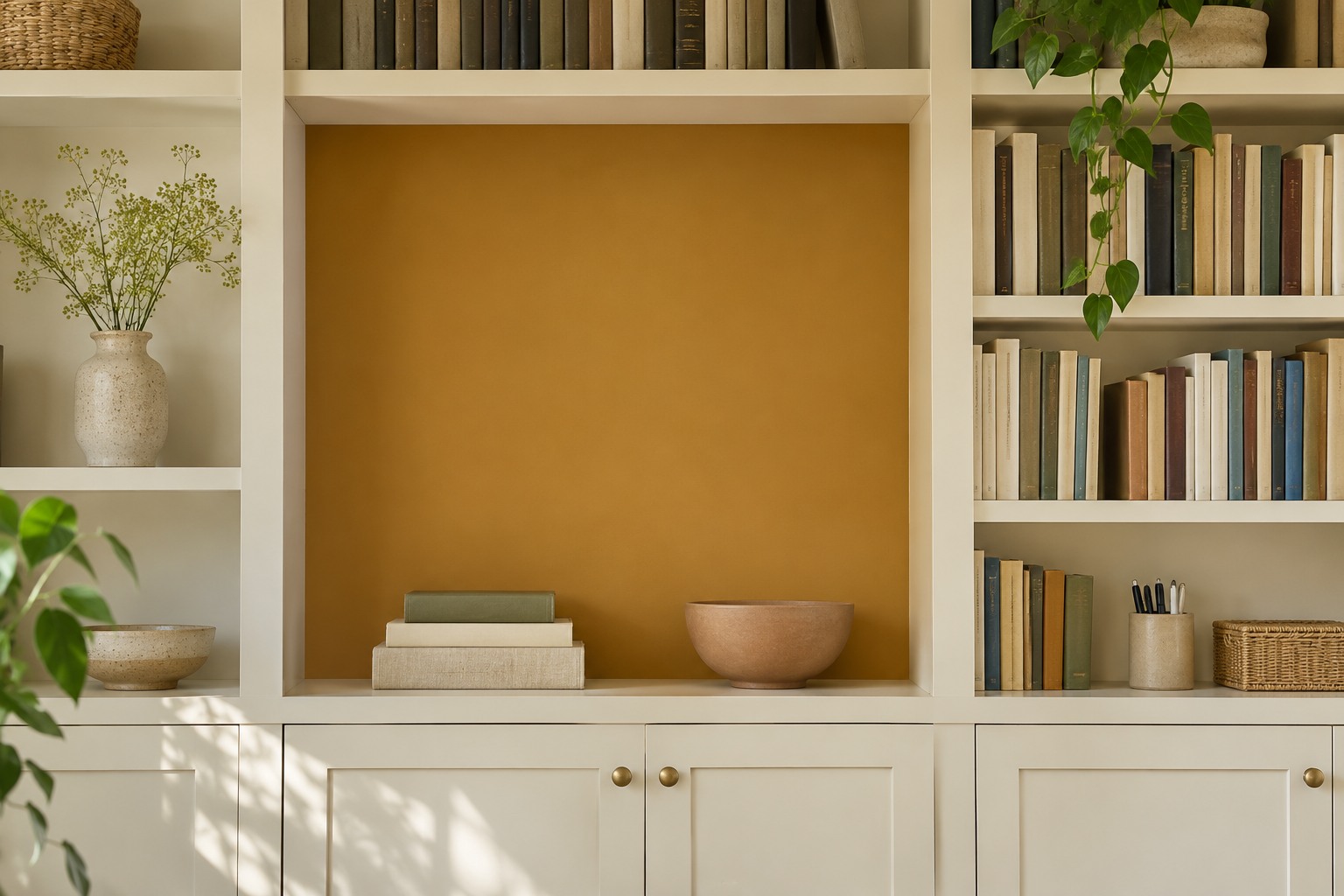
Paint the back of one shelf bay while keeping the shelves, uprights, and surrounding wall the same finish. A dusty ocher background can make a few books and a matte ceramic bowl easier to see. Leave a gap beside the objects so some of the color reads as a solid patch.
Use the highlighted bay for a small display and keep the things you reach for regularly together on another shelf or behind the doors below. If the shelf can take a removable panel, paint a thin board cut to fit instead of painting the cabinet itself. Make sure it sits securely against the back.
5. Build a Bed Around Two Tones of One Color
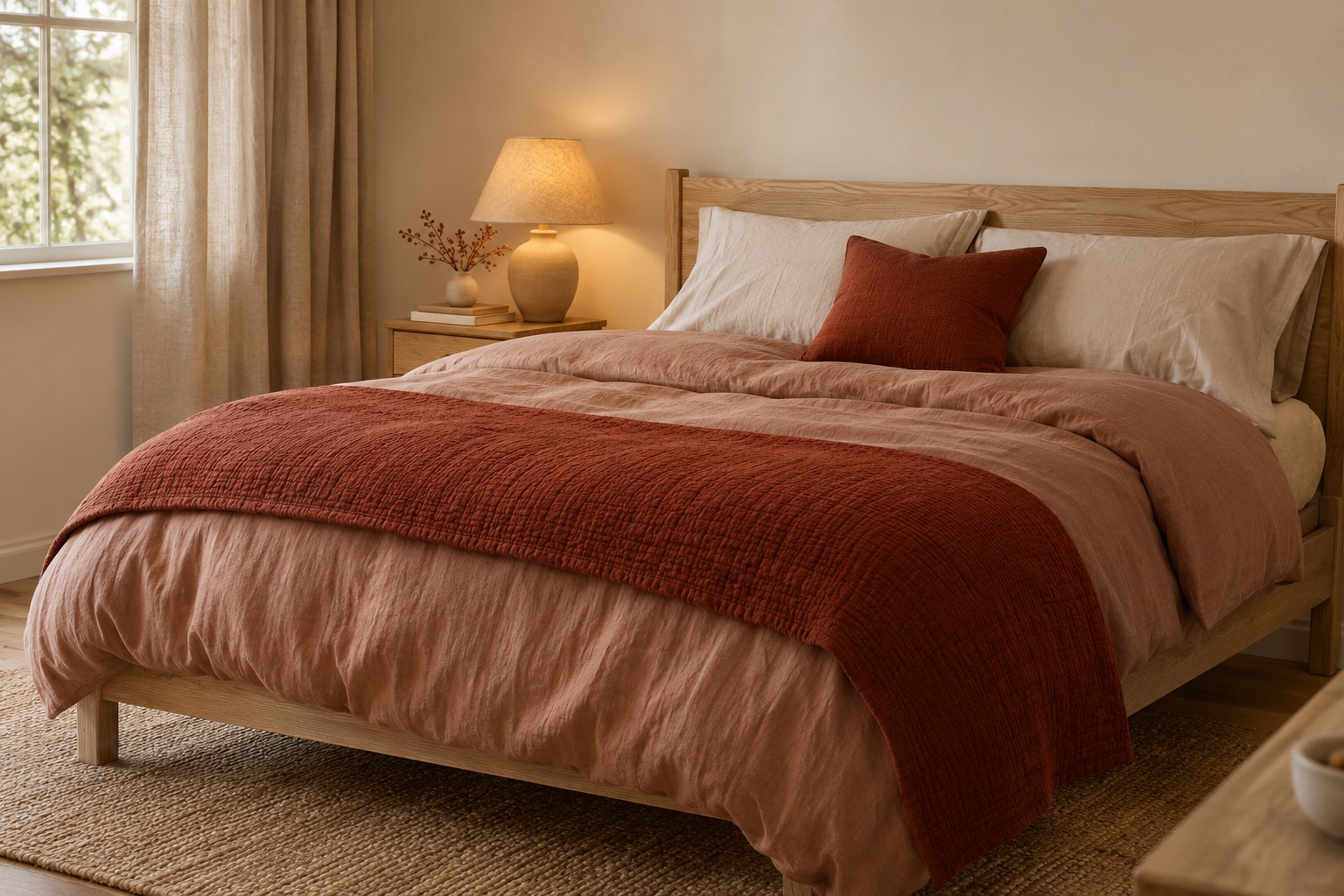
Start with two shades in the same family. A dusty clay duvet and a deeper rust coverlet make a bed feel layered even if the wall and headboard stay plain. Fold the darker textile across the lower third so the two colors have different jobs and you can still see plenty of the lighter one.
Check how both fabrics look under your bedside lamp before deciding whether to add an accent pillow. A single pillow in the deeper shade can draw the eye back up the bed. If the coverlet already gives you enough color, the regular pillowcases can stay simple.
If you already have an 18-inch square pillow insert, use one of the MIULEE burnt orange chenille covers to echo a rust coverlet.
6. Paint a Block Behind a Work Surface
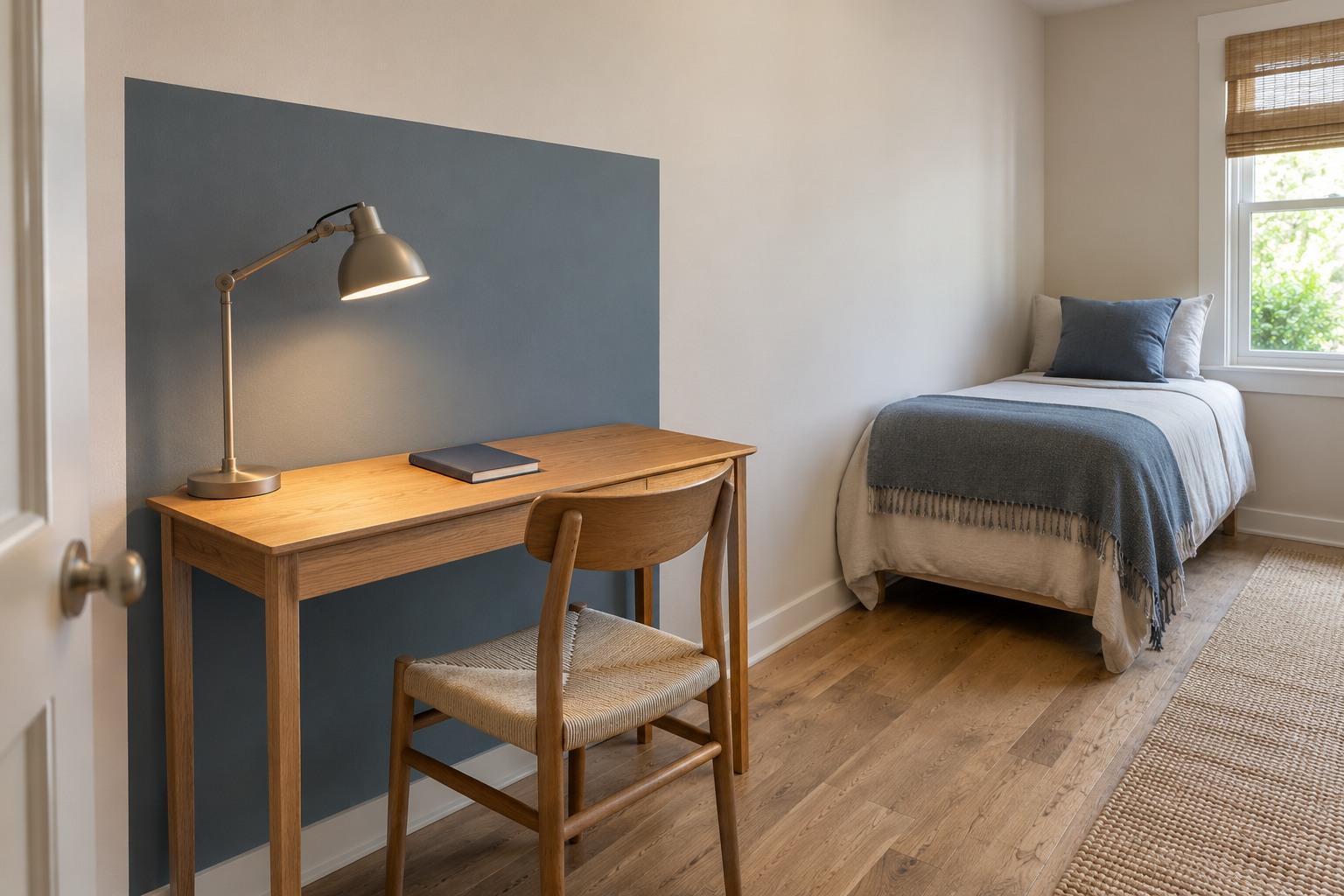
In a room that serves two purposes, a measured block of color can mark where work happens. A rectangle of muted blue behind a shallow writing desk sets the desk apart without taking up any floor space. Start with a block slightly wider than the desktop and test its height against the chair and lamp.
Mark the outline with tape and look at it from the doorway before you paint. Keep the patch away from nearby trim or align one edge deliberately with a strong feature, such as the top of a low cabinet. Leave enough blank wall around it for the work area to read as a single shape.
7. Give the Dining Chairs the Color
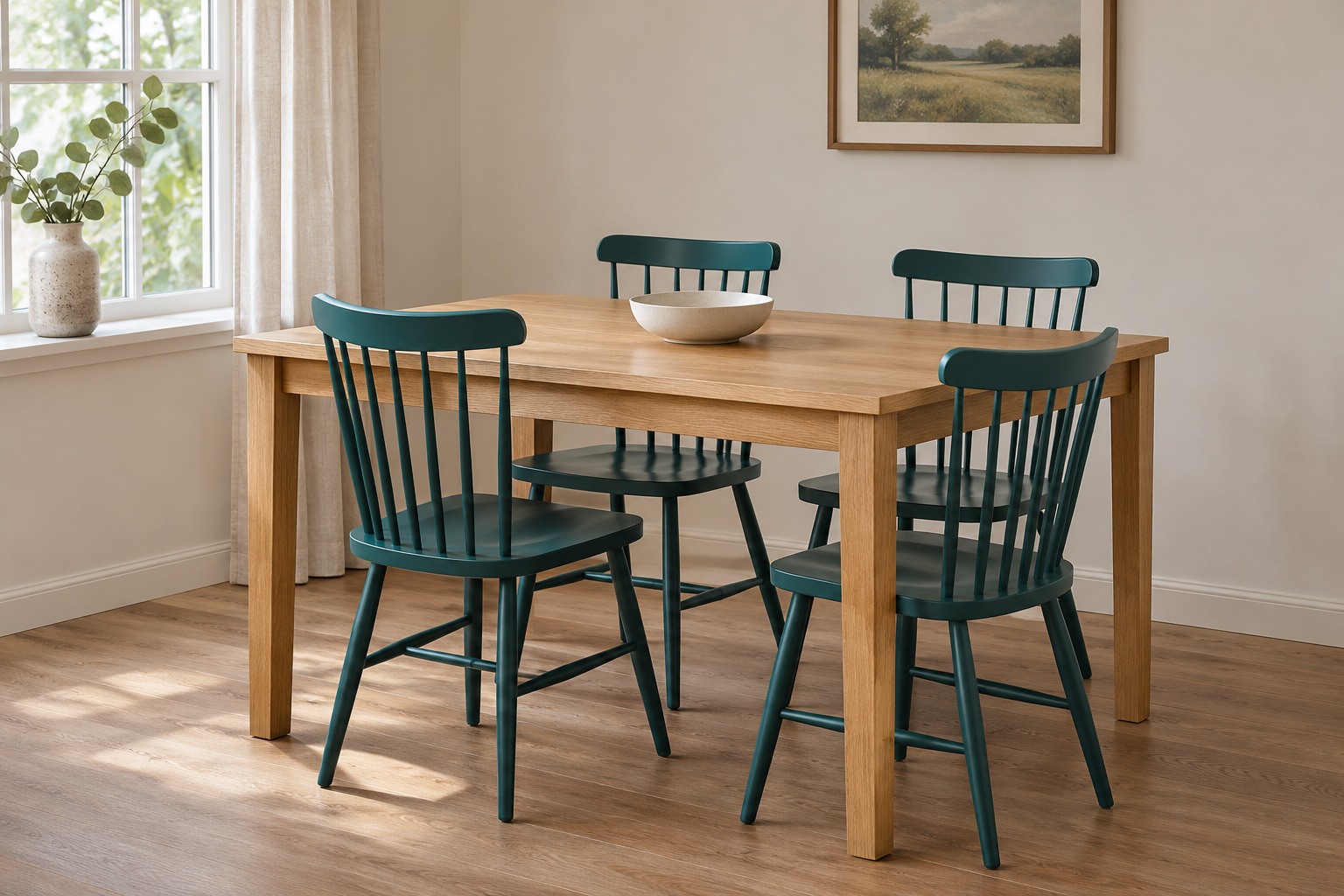
Use matching colored chairs to give a plain dining table a definite outline. Deep teal or brick red works well with a simple wood tabletop and pale walls. If you are painting chairs you already own, test a sample on an inconspicuous area and choose a coating suited to the material and everyday use.
For a table with several seats, try the color on just the two end chairs first if you want to keep it subtle. Keep the chair shapes or finishes related, and leave the table mostly clear. The repeated color should still be visible when the chairs are pushed in.
8. Hang One Broad Panel of Colored Fabric
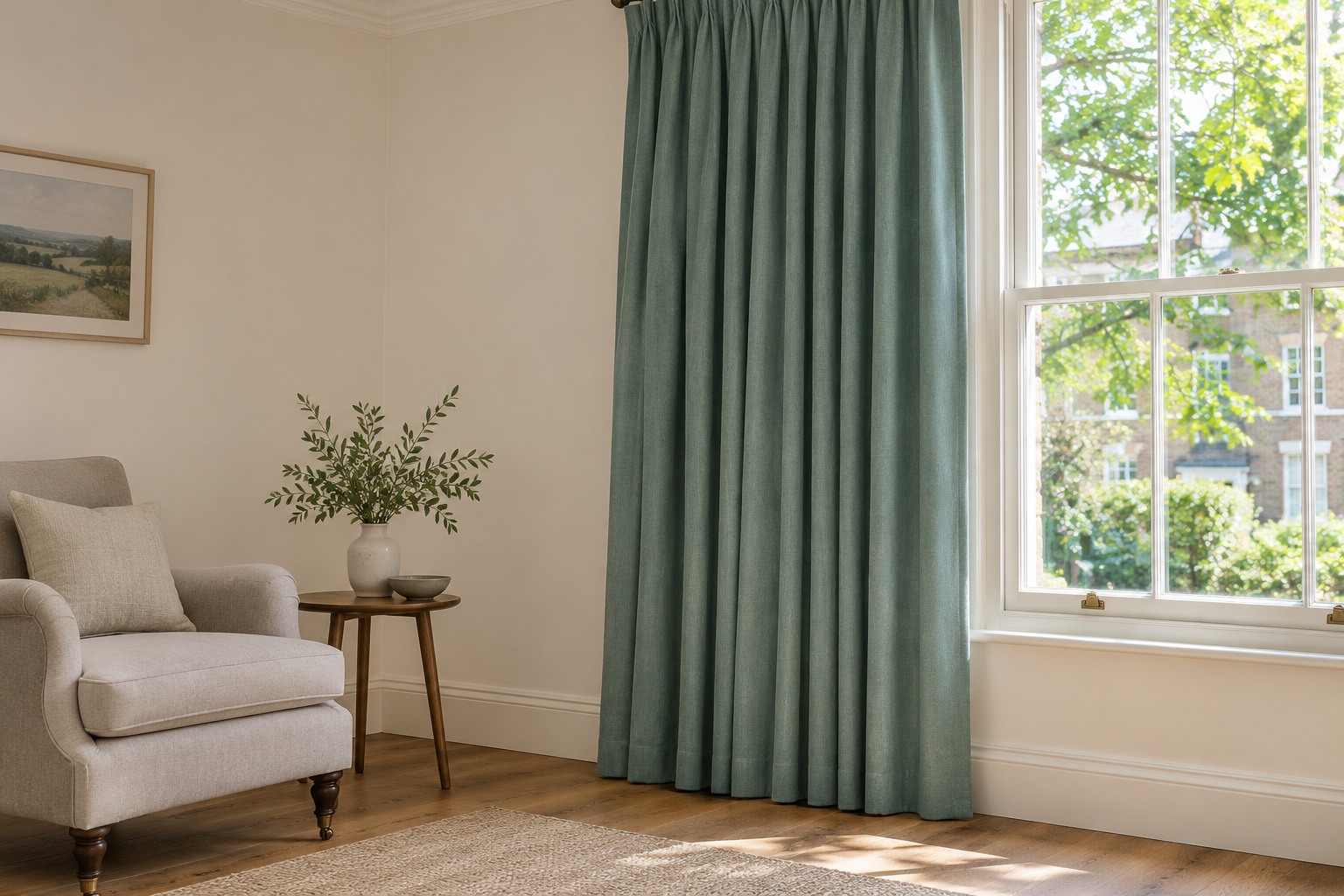
A single expanse of colored fabric can have the presence of a painted surface. Try a muted blue-green curtain beside a pale wall, and keep the window treatment simple enough that the color reads as a whole. A lined curtain can give the fabric a more consistent appearance if daylight makes it look thin.
View a sample both flat and folded near the window. The folds will look deeper than the face of the fabric. Choose hardware with enough room for the panel to gather beside the glass so it does not steal daylight every time you open it.
9. Let One Piece of Art Hold the Brightest Color
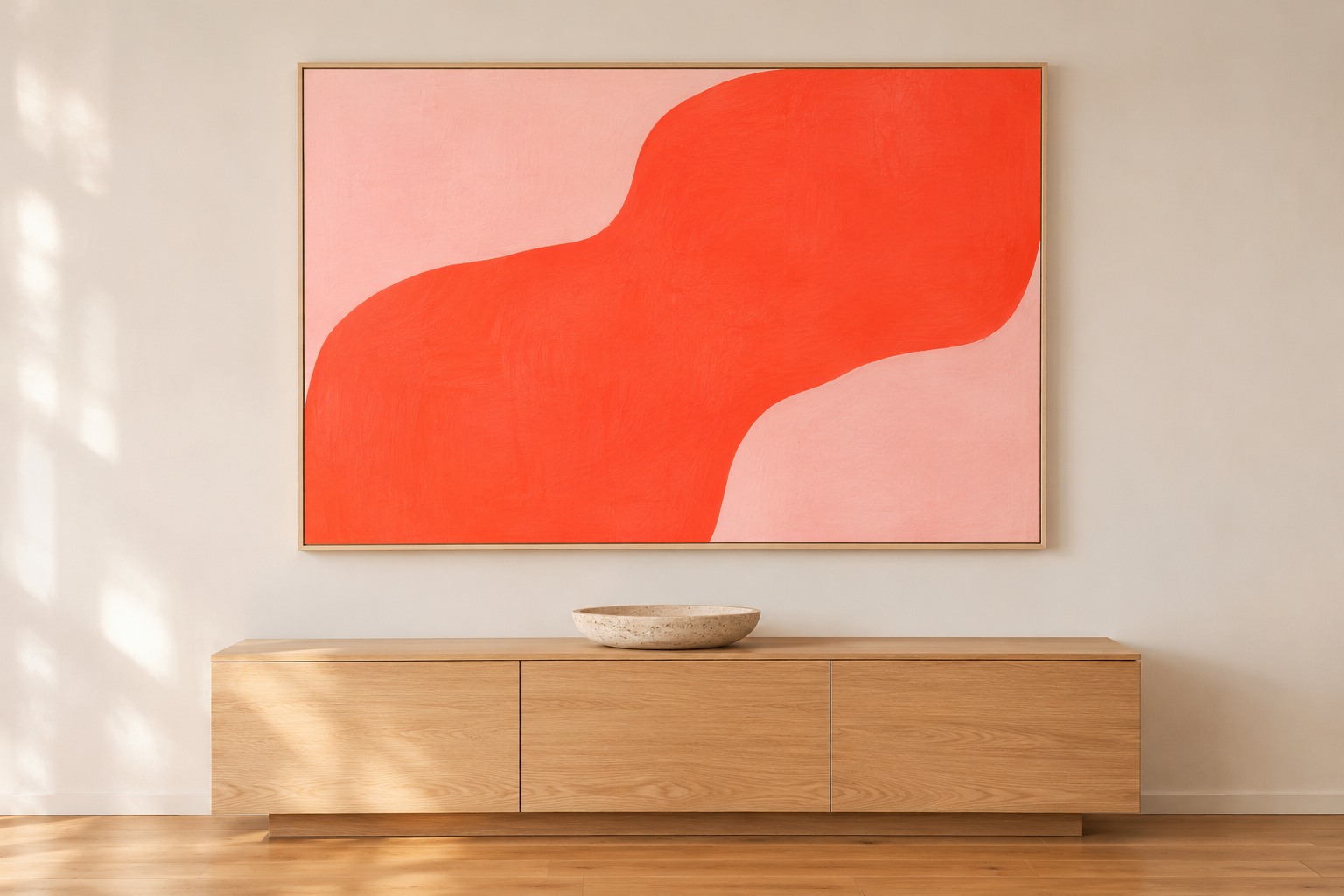
Choose one piece of art with a clear color that you enjoy seeing every day. A coral abstract over a low console can pull focus without requiring another painted wall. A plain frame and generous space around the piece help it stand on its own.
Hang a paper template first and check its proportions from across the room. Keep nearby objects low enough that they do not cut across the frame. If you repeat any color from the artwork, start with its quieter background tone so the strongest hue stays concentrated in the art.
10. Set a Cool Kitchen Accent Against Warm Wood
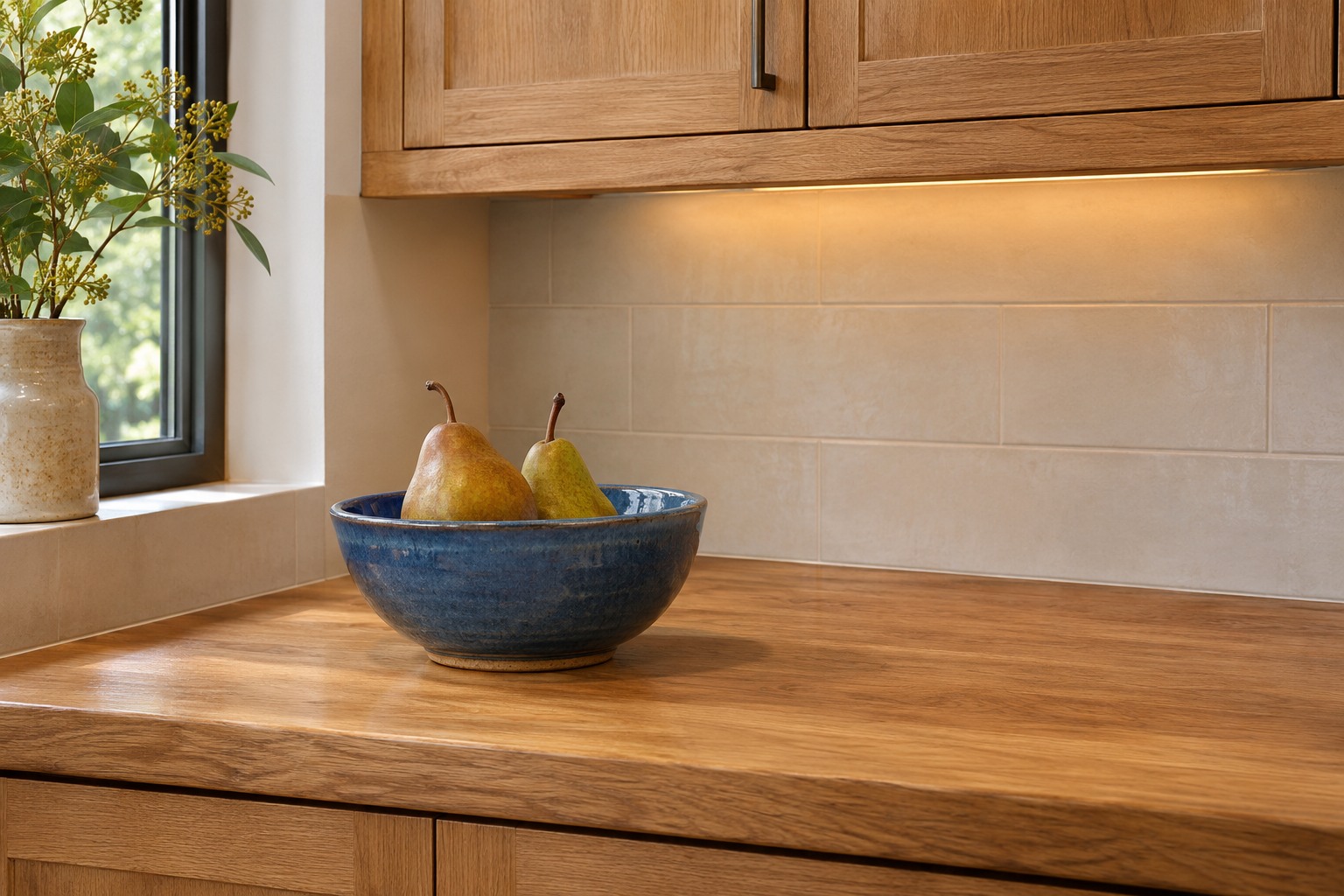
One cool note can make a wood kitchen feel less uniform. Set a glazed blue stoneware bowl against warm oak cabinetry or a butcher-block counter, then leave some clear space beside it. A bowl used for fruit earns its spot on the counter and can carry the whole color decision.
Try the bowl next to the wood, backsplash, and countertop together. Oak can read golden under task lighting, which makes blue look cooler than it did at the store. If the contrast is too sharp, choose a softer blue-gray before adding more pieces in a second color.
11. Put a Surprise Color Inside One Cabinet Door
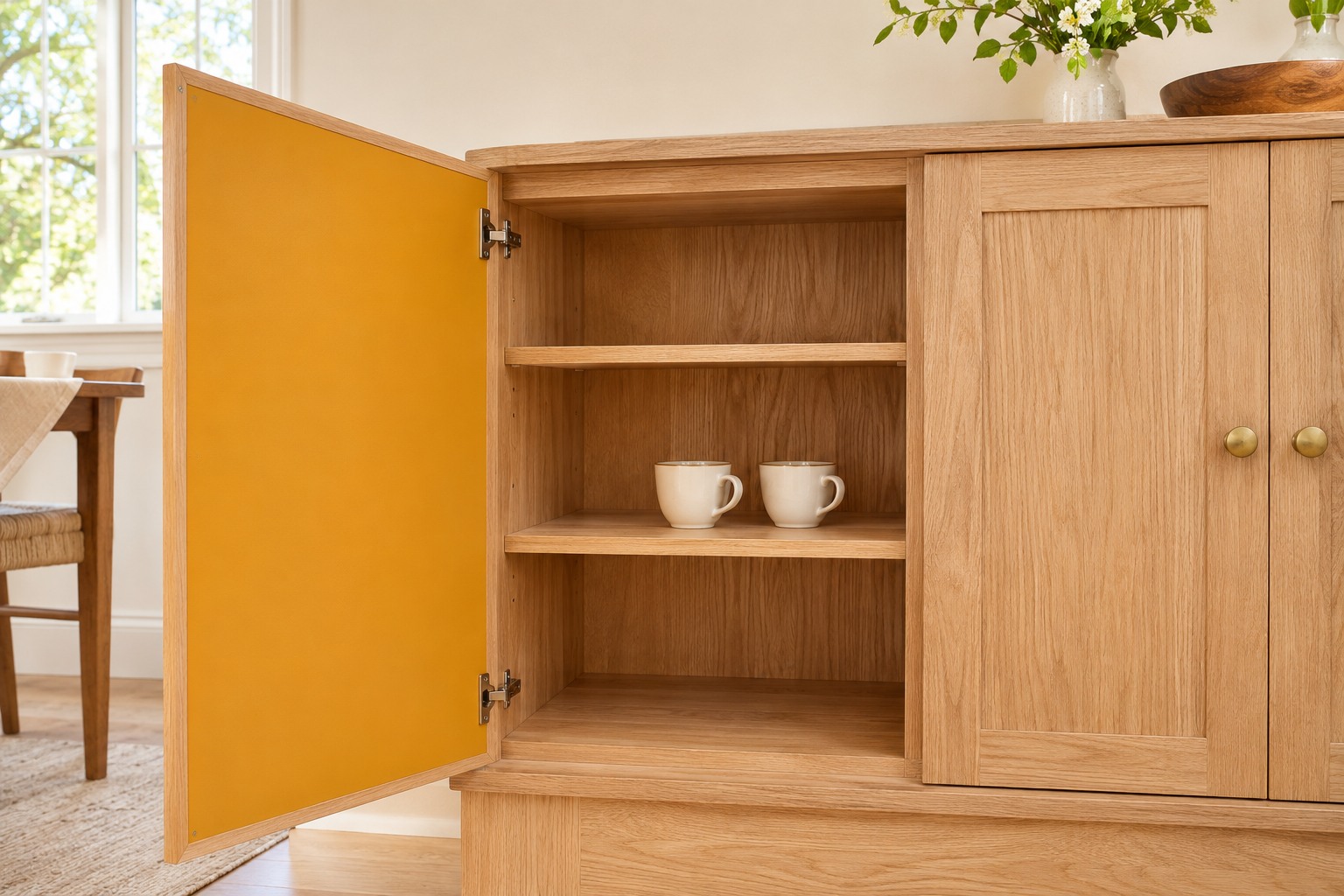
A breakfast cabinet can look quiet from across the room and show a flash of color when you open it. Choose one solid door and paint its inside face in a muted saffron. Leave the outer face and cabinet interior in their usual finishes. The little panel becomes a detail you see when you reach for a cup.
Check the existing finish and use a coating suited to it. Keep paint clear of the moving hardware, the door edges that touch the frame, and the surfaces where cups and dishes sit. Let the finish cure as directed before you close the door for regular use.
12. Set One Piece of Colored Glass in the Light
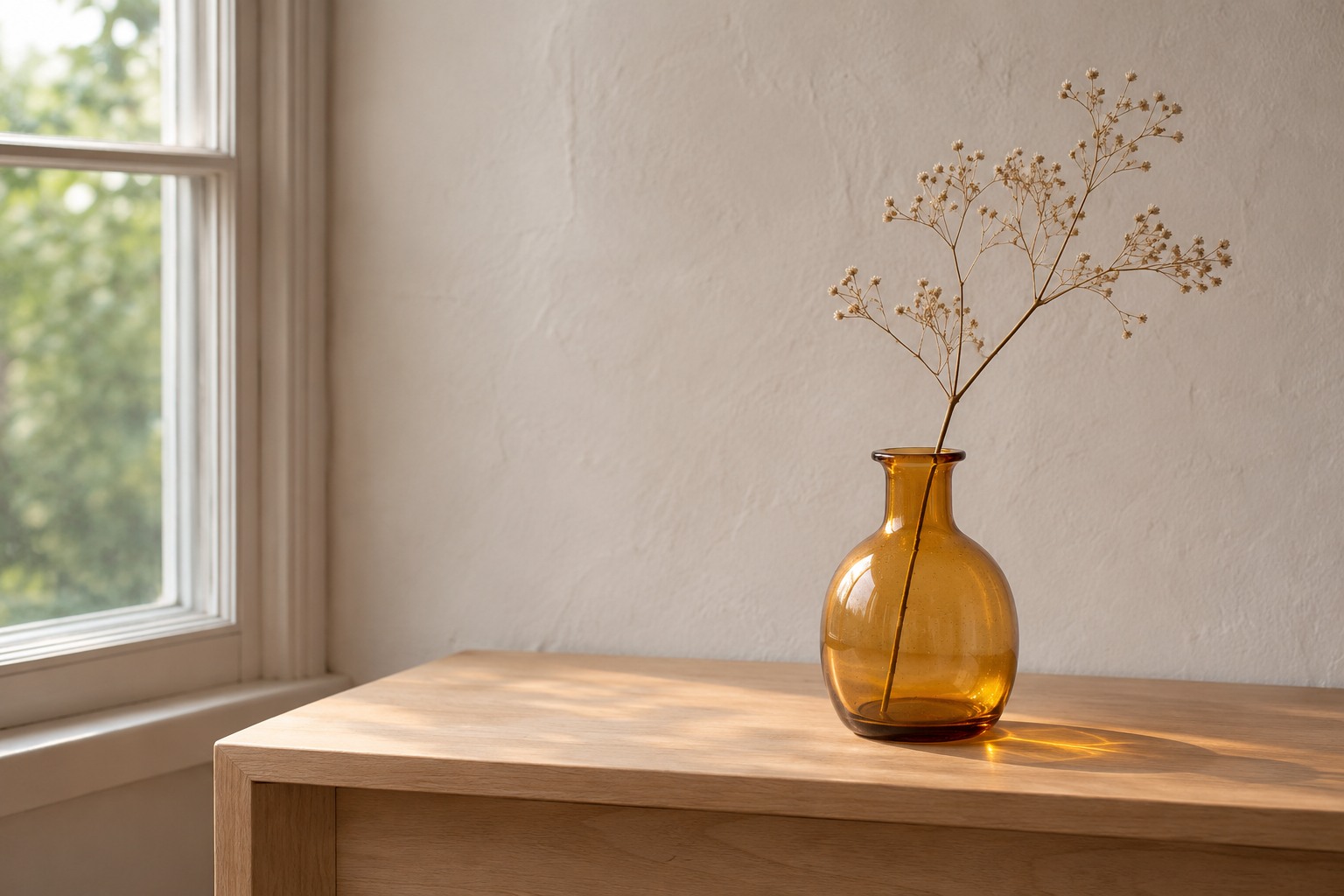
A small translucent glass vase can introduce color without the visual weight of a painted object. Set an amber or smoke-blue piece on a stable surface near a window. The shape can look quite different in front of a pale wall than it does against a dark tabletop.
Move the vase a few inches at a time and see where its edges are easiest to read. A plain surface gives colored glass more definition, especially if you leave the vase empty or add only one stem. Leave enough clearance that opening the window or reaching for the shade will not knock it over.
Stand in the doorway and notice where your eye goes first. Choose one idea for that spot. If you like the room after living with the change for a few days, decide whether the color needs a quieter echo elsewhere. Leaving the rest of the room alone is a perfectly useful choice.
Discover more from HomeTrendora
Subscribe to get the latest posts sent to your email.