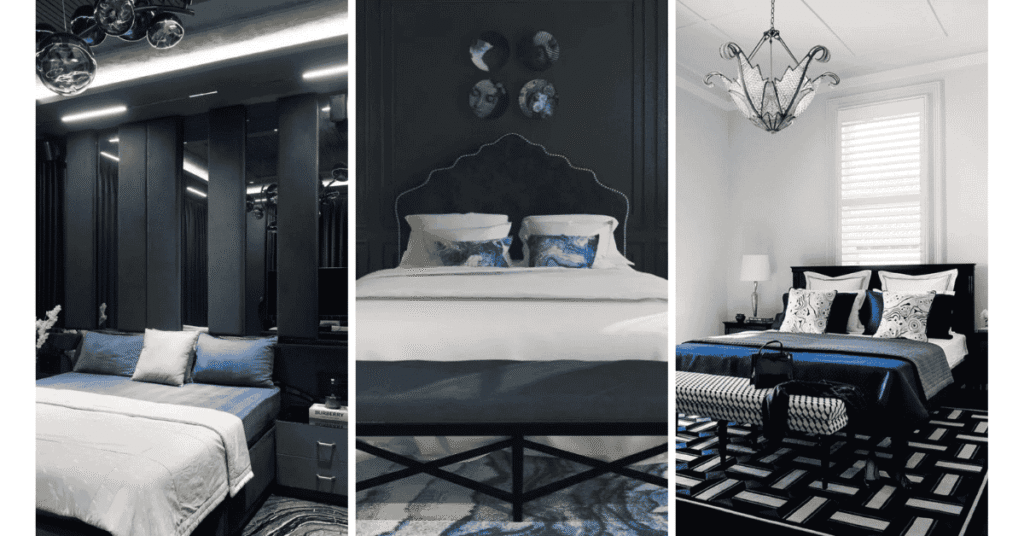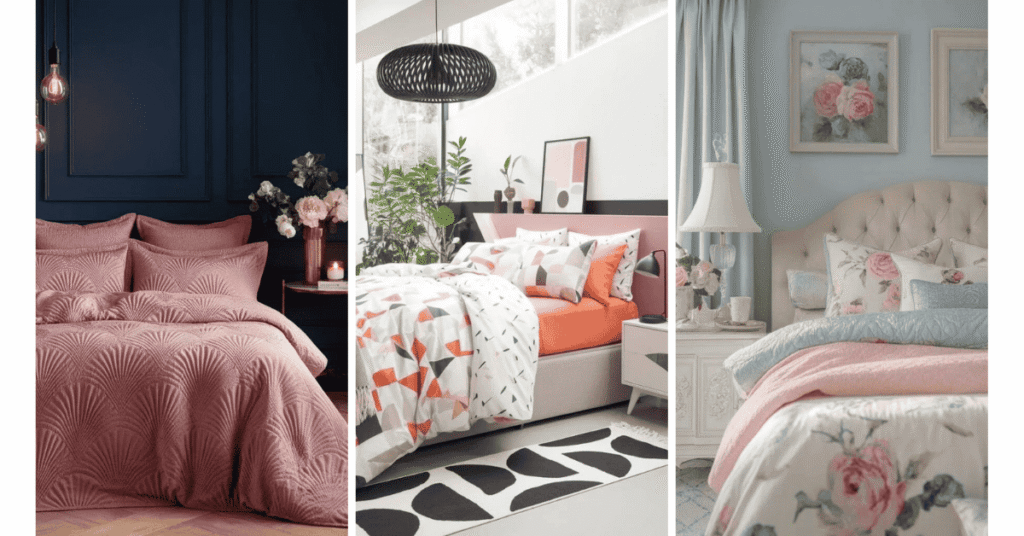
Welcome to the world of sustainable bedroom design, where style meets eco-consciousness.
A bedroom should feel like the most restorative room in the home. It is where you sleep, reset, hide from the laundry pile, and pretend you are going to have an early night even though your phone has other plans. So it makes sense that more people are turning to biophilic design to create bedrooms that feel calm, natural, and deeply comforting.
The importance of sustainability and biophilic design in today’s world cannot be overstated. With increasing awareness about the impact of human activities on the environment, there’s a growing need for design principles that reduce waste, conserve resources, and promote ecological balance.
This is where sustainable and biophilic bedroom design comes into play. Biophilic design is all about strengthening the connection between your home and the natural world.
1. Assessing Your Current Bedroom Setup

Your bedroom serves as your sanctuary, where you spend significant time. Therefore, it must reflect your personality and values. One way to create an eco-friendly bedroom is by evaluating its sustainability.
Start by examining the materials used in your furniture and decor. Additionally, assess if your furniture and decor pieces serve a purpose or add value to your space. If not, consider donating or repurposing them.
By making these small changes, you can create a bedroom that’s not only complementary to your style but also environmentally conscious.
2. Start With an Earthy Color Palette

Color is one of the easiest ways to create a nature-inspired bedroom. Instead of bright, high-energy shades, look for colors that feel calm and grounded.
Soft greens, warm whites, clay, sand, mushroom, taupe, stone, oatmeal, muted blue, and gentle brown all work beautifully. These colors mimic natural landscapes, from forests and beaches to soft soil and weathered stone.
You do not need to use dark colors to make the room feel earthy. A bedroom with creamy walls, linen bedding, a pale oak bed, and sage green accents can feel just as natural as a darker, moodier space. The goal is to create a palette that helps you exhale the moment you walk in.
3. Sustainable Bedroom Furniture

With an increasing awareness of environmental sustainability, many consumers seek eco-friendly home furniture options. When choosing sustainable bedroom furniture, opt for pieces made from materials such as FSC-certified wood, bamboo, rattan, or recycled plastics.
Vintage, antique, thrifted, or reclaimed furniture can add character and reduce the need for new materials. A vintage wood dresser, secondhand bedside tables, an antique mirror, or a reclaimed timber headboard can make a bedroom feel warm and collected.
This works beautifully with biophilic design because older wood pieces often have natural texture, patina, and charm. They bring that lovely sense of history that new flat-pack furniture often lacks.
4. Sustainable Options for Bedding

Sustainability has become crucial in our everyday lives; the same goes for our bedding choices. If you’re looking for a more eco-friendly option, investing in sustainable bedding materials could be a step towards achieving that.
Mattress and Mattress Toppers
Regarding bedding, mattress toppers are essential for a good night’s sleep. The good news is that you can now find mattress toppers made from natural materials such as organic cotton, bamboo, or wool.
Not only are these materials more sustainable, but they also offer excellent breathability, comfort, and durability.
These sustainable mattress toppers benefit the environment and your health, as they are free from harsh chemicals and toxins in synthetic mattress toppers. With these sustainable options, you can sleep comfortably while minimizing environmental impact.
5. Lighting and Energy Efficiency

Lighting is essential to our daily lives but can also significantly impact our energy usage and carbon footprint. Luckily, we can now access energy-efficient lighting options, considerably reducing our energy consumption.
LED bulbs, for instance, use up to 80% less energy than traditional bulbs and last much longer, resulting in lower maintenance costs and less waste. Additionally, motion sensors and timers can be used to ensure that lights are only in use when needed, further reducing energy consumption.
6. Eco-Friendly Paint and Finishes

For those who are conscious about their health and the environment, choosing green paint and finishes can significantly impact them.
Low VOC paint options are a popular choice among interior designers and homeowners alike. These paints have reduced levels of volatile organic compounds, which are chemicals that can cause health problems and contribute to air pollution.
Applying non-toxic finishes to walls and furniture can also provide a healthier living environment. These finishes are free of harmful chemicals such as formaldehyde and flame retardants.
These green options benefit your health and can help protect the environment by reducing the amount of hazardous chemicals released into the air. You can create a safe and sustainable space you feel good about by choosing green paint and finishes.
7. Decluttering and Mindful Consumption

Decluttering and mindful consumption have become increasingly popular to simplify our lives and achieve greater inner peace. One area in which this trend has gained particular traction is in the realm of bedroom design.
We can create a calming and restful atmosphere that promotes relaxation and well-being by adopting a minimalist approach to bedroom decor and decluttering our spaces.
By thoughtfully considering our consumption habits and making conscious choices about what we bring into our homes, we can reduce waste, save money, and live more sustainably.
Try to keep the bedroom simple and intentional. Use closed storage for everyday items, baskets for extra blankets, and trays for small things like jewelry or hand cream.
This does not mean the room has to be empty. Personal pieces matter. A few books, a framed photo, a handmade vase, or a favorite candle can make the room feel lived-in. Just give everything a little breathing room.
8. Implementing Feng Shui Principles for a Balanced Space

Feng shui principles have been used for centuries to create a sense of balance and harmony in living spaces. When it comes to a biophilic bedroom, implementing these principles can create a calming and restful atmosphere that promotes relaxation and a good night’s sleep.
One key aspect of feng shui is ensuring that the bed is positioned in a way that allows for a clear view of the door and avoids direct alignment. Just as nature is not rigid or overly structured, your bedroom should allow for easy and intuitive movement.
Make sure there’s enough space around furniture for easy navigation, and aim for a balance between filled and open spaces.
If you’re lucky to have a bedroom with a view of greenery, water, or even the sky, make the most of it. Position your bed, desk, or comfortable chair in a way that you can always look out and enjoy the view.
This connection with nature can have profound effects on your well-being.
9. Bring in Houseplants

An essential aspect of sustainable and biophilic bedroom design is the incorporation of nature into your space. This can be done through the inclusion of plants, the use of natural colors, and the integration of natural textures and materials.
Indoor plants can transform any space into a lush, living environment. Choose a variety of plants that are suitable for indoor conditions and safe for the bedroom. Besides their aesthetic appeal, plants can improve air quality and create a soothing ambiance.

Hanging plants, tabletop plants, and even larger floor plants can add different levels of greenery and create a sense of depth in the room. Positioning plants, seashells, stones, or a small indoor fountain around your bedroom can give a feeling of being closer to nature. These elements can be used as focal points or dispersed around the room.
Choose plants that suit the light levels in your bedroom and your actual ability to remember watering. A thriving low-maintenance plant is always better than a dramatic plant that gives up on life after two weeks.
10. Textures

Use colors that reflect those found in nature. This doesn’t mean you’re limited to greens and browns — think about the colors of a sunset, a beach, a forest, or a meadow. Soft blues, deep greens, earthy browns, warm yellows, and even vibrant flower colors can all contribute to a natural color palette.
Natural textures are an essential component of biophilic design. Incorporate materials such as wood, stone, cork, or rattan in your furniture and decor.
You can also bring in textures through textiles like wool, cotton, or linen. These textures create a tactile experience, engaging our sense of touch and bringing us closer to nature.
Try layering linen bedding, a wool throw, a jute rug, woven baskets, cotton curtains, ceramic lamps, wood furniture, and stone accessories. These details create a tactile, grounded feeling.
A room with lots of natural texture feels relaxed and soothing, even if there is not much pattern or color. It is the difference between “minimal and cold” and “simple but deeply cozy.”
11. Decorate With Nature-Inspired Art

Artwork is a lovely way to reinforce the connection to nature. Botanical prints, landscapes, abstract pieces in earthy tones, pressed flowers, ocean photography, mountain sketches, or woodland-inspired art can all work beautifully.
You do not need to make the room feel themed. One large landscape above the bed or a small gallery wall of botanical sketches can be enough.
Choose art that makes you feel peaceful. A bedroom is not usually the place for artwork that feels too loud, chaotic, or intense. Save that for somewhere with more energy, like a hallway or creative space.
12. Add Natural Wood Tones

Wood is one of the best materials for making a bedroom feel grounded. It adds warmth, texture, and an immediate connection to nature.
Light oak, walnut, pine, ash, and reclaimed timber can all work beautifully. Use wood for your bed frame, nightstands, dresser, shelving, picture frames, or flooring.
If you already have painted or modern furniture, you can still bring in wood with smaller pieces. A wooden stool, tray, lamp base, or bench at the end of the bed can soften the room without requiring a full furniture swap.