Maximizing functionality in a limited space is the primary goal when designing a small apartment kitchen. The key is to embrace clever solutions that create the illusion of space while providing essential storage and prep areas. From smart appliances to strategic lighting and multi-purpose furniture, every element plays a crucial role. By focusing on vertical space, reflective surfaces, and organized systems, even the tiniest kitchen can become a highly efficient and stylish hub of your home. These ideas explore practical ways to transform a compact kitchen into a beautiful, clutter-free, and enjoyable cooking environment for everyday living.
1. Utilizing Vertical Space with Pot Racks

A ceiling-mounted or wall-mounted pot rack is an excellent solution for freeing up valuable cabinet space in a small apartment kitchen. By hanging your pots, pans, and larger utensils, you keep them within easy reach while also creating a visually interesting focal point. This approach not only declutters your cupboards but also prevents the scratches and dings that can occur when cookware is stacked. Choose a style that complements your kitchen’s aesthetic, whether it’s sleek stainless steel for a modern look or rustic iron for a more traditional feel. It’s a practical yet stylish storage hack.
2. Installing Floating Open Shelves

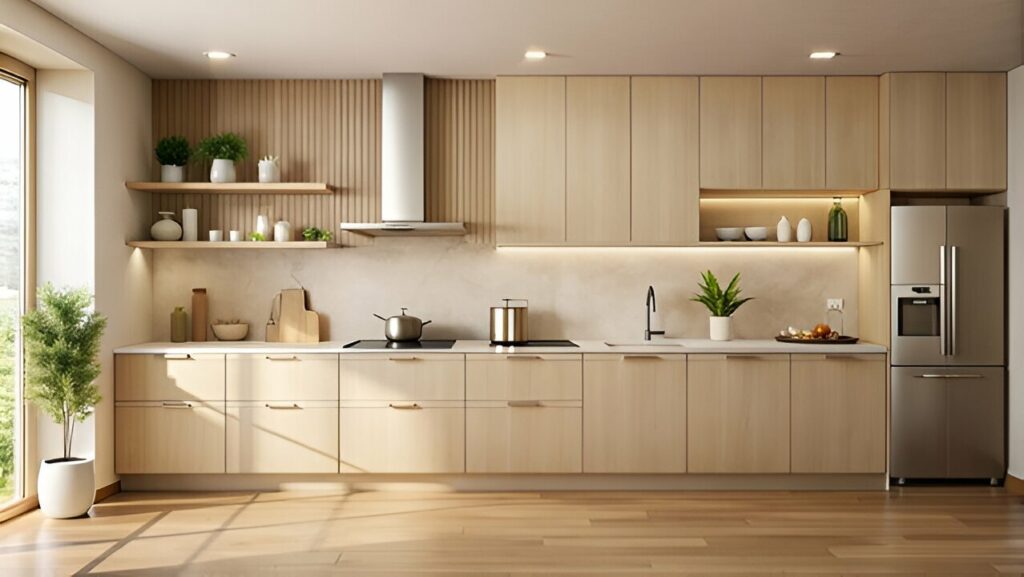
For a less bulky alternative to traditional upper cabinets, consider installing floating open shelves. This design choice makes a small kitchen feel more open, airy, and less top-heavy. Use them to store frequently used items like dishes, glasses, and bowls, or to display decorative pieces like cookbooks and plants. To maintain a clean and uncluttered look, be mindful of how you arrange the items. Grouping things by color or material can create a cohesive and organized appearance. Floating shelves provide both storage and a platform for personal expression, making your kitchen uniquely yours.
3. Incorporating a Rolling Kitchen Cart

A rolling kitchen cart or island is a versatile addition to any small apartment kitchen, offering extra counter space, storage, and mobility. Use its surface for meal prep and place appliances like a microwave or coffee maker on top to free up your main counters. The shelves below are perfect for storing mixing bowls, small appliances, or even dry goods in decorative baskets. When you need more floor space, you can simply roll it out of the way or move it to another room to serve as a bar cart when entertaining guests.
4. Using a Mirrored or Reflective Backsplash

To create the illusion of a larger, brighter kitchen, install a mirrored or highly reflective backsplash. Materials like polished metal, high-gloss tiles, or an actual mirror bounce light around the room, making the space feel more expansive and open. This simple design trick can dramatically change the perceived size of your kitchen without requiring a major renovation. A reflective surface not only adds a touch of glamour and sophistication but also makes the kitchen easier to clean. It’s an effective way to enhance both natural and artificial light in a compact area.
5. Choosing Compact, Apartment-Sized Appliances

Manufacturers now offer a wide range of compact appliances specifically designed for small living spaces. Opt for a slimline refrigerator, a 24-inch stove, or a drawer dishwasher to save precious floor and counter space. These smaller units are engineered to provide the same functionality as their full-sized counterparts but in a much more efficient footprint. Investing in apartment-sized appliances allows you to have a fully functional kitchen without feeling cramped. This ensures you can cook and clean efficiently while preserving as much open area as possible for movement and other kitchen activities.
6. Integrating Under-Cabinet LED Lighting

Proper lighting is essential in a small kitchen, and under-cabinet LED strips are a brilliant solution. They illuminate your countertops directly, eliminating shadows cast by upper cabinets and making meal prep safer and easier. This targeted lighting also adds depth to the space, creating a warm and inviting ambiance. LED strips are energy-efficient, long-lasting, and easy to install. Beyond their practical benefits, they can highlight your backsplash and make the entire kitchen feel more polished and high-end. It’s a small upgrade that delivers a significant functional and aesthetic impact in a tight space.
7. Maximizing Corner Space with Lazy Susans

Corner cabinets in small kitchens often become awkward, hard-to-reach dead zones. Installing a lazy Susan or a pull-out corner shelving system can reclaim this valuable real estate. These rotating or sliding mechanisms bring the contents of the cabinet directly to you, so you no longer have to dig around in the dark for what you need. They are perfect for storing pots, pans, small appliances, or pantry items. By making every square inch of your cabinetry accessible and organized, you can significantly increase your storage capacity and reduce clutter throughout the rest of your kitchen.
8. Wall-Mounted Magnetic Knife Strips

Free up precious drawer and counter space by mounting a magnetic knife strip on the wall. This simple solution keeps your most-used knives securely in place and within easy reach while you cook. It’s a much safer and more hygienic alternative to a bulky knife block, which can take up a significant amount of countertop real estate and harbor bacteria. Magnetic strips also help preserve the sharpness of your blades by preventing them from knocking against other utensils in a drawer. This functional and minimalist storage idea adds a professional, organized look to your kitchen walls.
9. Adopting a Light and Bright Color Palette

Painting your small kitchen in light, neutral colors is a classic trick to make it feel larger and more open. Shades of white, cream, pale gray, or soft pastels reflect light, creating an airy and expansive atmosphere. A monochromatic color scheme for walls, cabinets, and countertops can further enhance this effect by creating a seamless, uncluttered visual flow. Lighter colors recede, tricking the eye into perceiving more space than actually exists. This simple and cost-effective design choice can instantly transform a cramped kitchen into a bright, welcoming, and seemingly more spacious environment.
10. A Fold-Down Wall-Mounted Table

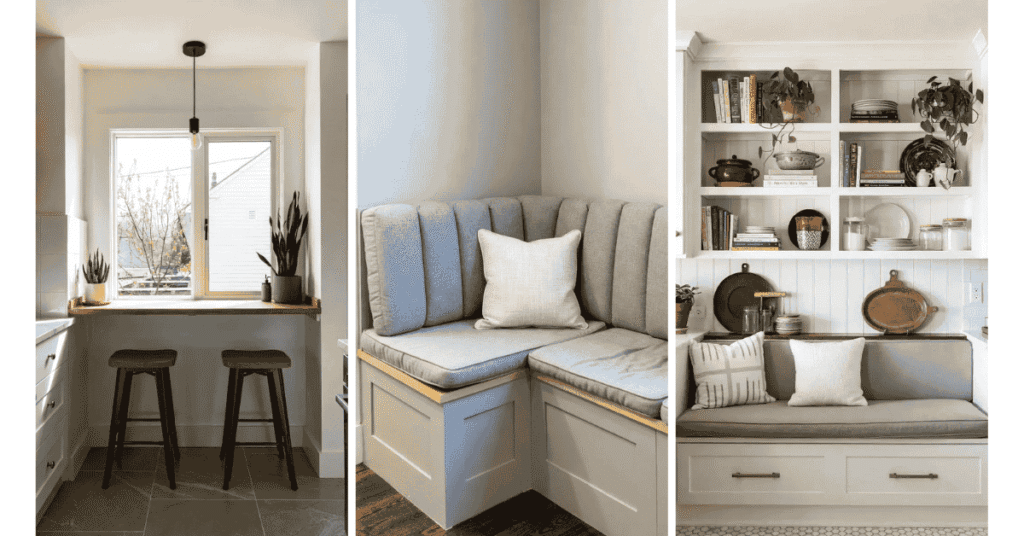
When a traditional dining table isn’t an option, a fold-down wall-mounted table is an ingenious space-saver. This versatile piece can serve as a dining spot for one or two people, an extra surface for meal prep, or even a small home office desk. When not in use, it folds flat against the wall, freeing up valuable floor space for easier movement within the kitchen. This solution provides the functionality of a table without the permanent footprint, making it ideal for studio apartments or kitchens where every inch counts. It’s a perfect blend of practicality and minimalist design.
11. Over-the-Sink Cutting Boards and Strainers

Maximize your counter space by using accessories designed to fit over your sink. An over-the-sink cutting board provides an extra surface for chopping vegetables, while a roll-up drying rack or colander lets you wash produce or air-dry dishes without cluttering your countertops. These smart tools effectively turn your sink into a multifunctional workspace, which is incredibly useful in a kitchen with limited prep areas. When you’re finished, they can be easily stored away in a cabinet or hung on a hook, keeping your kitchen looking neat and organized while improving your workflow.
12. Using Drawer Dividers and Organizers

Tackling clutter inside your drawers is just as important as organizing your countertops. Use drawer dividers and organizers to create designated spots for cutlery, utensils, spices, and other small items. This prevents everything from becoming a jumbled mess and allows you to find what you need quickly. By neatly arranging the contents, you can fit more into each drawer and maintain a sense of order. Look for adjustable or modular organizers that can be customized to fit your specific drawer dimensions and storage needs, turning chaotic drawers into models of efficiency and tidiness.