Feng shui is more than just arranging furniture; it ‘s an ancient art of creating harmony and balance within your living thoughtfully designing your home’ s interior, you can cultivate positive energy, or “chi, ” that supports your well-being, prosperity, and philosophy centers on the flow of energy, the five elements — wood, fire, earth, metal, and water — and the Bagua map, which corresponds to different areas of your feng shui principles doesn’t mean sacrificing style. Instead, it offers a framework for creating environments that are not only beautiful but also deeply nourishing to the ideas will guide you in transforming your home into a sanctuary of peace and positive energy.
1. The Commanding Position Entryway

A welcoming entryway sets the tone for your entire home’s achieve this, create a bright, uncluttered space that allows chi to flow a beautiful console table against the wall opposite the door, but not directly in line with it, to avoid blocking a mirror on a perpendicular wall to expand the space, but never facing the front door, as it can push energy back soft, warm lighting and add a healthy plant to introduce vibrant life arrangement ensures a positive first impression and invites good fortune inside.
2. A Serene Earth Element Living Room

For a living room that feels grounded and stable, embrace the earth design theme uses a palette of sandy beiges, soft yellows, and rich terracotta the space with low, square, or rectangular furniture made from natural materials like solid wood or stone. A plush, earthy-toned area rug anchors the room, while ceramic pots and pottery decor enhance the connection to the layout should encourage conversation and connection, with seating arranged in a way that allows people to face each other comfortably, promoting a sense of community and support.
3. The Tranquil Water Element Bathroom

Transform your bathroom into a spa-like retreat by incorporating the water theme focuses on creating a sense of flow and a color scheme of deep blues, charcoal grays, and crisp whites. A freestanding, curved bathtub or a walk-in shower with a rainfall showerhead mimics the gentle movement of should be minimal, with clean lines and reflective surfaces like glass and elements of black or dark gray to represent water’s depth, and ensure the space is always clean and free of leaks to maintain positive energy.
4. A Nourishing Wood Element Kitchen

The kitchen is the heart of the home, a place of nourishment. A wood element design enhances this feeling of health and style features natural wood cabinetry, butcher block countertops, and bamboo color palette includes various shades of green, from sage to emerald, complemented by light herbs on the windowsill not only add fresh greenery but also provide ingredients for the layout separates the fire (stove) and water (sink) elements to prevent a clash of energies, perhaps by placing an island between them.
5. The Passionate Fire Element Home Office

To ignite creativity and success in your workspace, design a home office with the fire element in theme uses a dynamic color palette of reds, oranges, and purples, balanced with neutral tones to avoid desk should be in the commanding position, facing the door but not directly in line with bright, upward-facing lighting to lift can include inspirational artwork and candles. A triangular or pyramid-shaped object on your desk can further activate the fire energy, promoting ambition and recognition in your career.
6. A Minimalist Metal Element Bedroom

For a bedroom that promotes rest and clarity, a metal element design is theme emphasizes simplicity, precision, and color palette consists of whites, grays, and metallic shades like silver and should have clean lines and rounded shapes to soften the energy. A metal bed frame or metallic accents in lighting and decor can be the room uncluttered, with smart storage solutions to hide away minimalist approach helps to quiet the mind, leading to more restful sleep and clearer thoughts upon waking.
7. The Open-Concept Flow and Chi

An open-concept living area needs careful planning to manage the flow of area rugs to define different functional zones, such as the living and dining areas, without creating harsh furniture to create gentle, meandering pathways rather than straight, fast-moving or decorative screens can act as subtle dividers to slow down key is to maintain a sense of spaciousness while providing structure, ensuring that chi circulates smoothly and nourishes all parts of the space without becoming stagnant or chaotic.
8. A Balanced Five Elements Dining Room

Create a dining room that supports harmonious family meals by balancing all five wood with a sturdy wooden dining fire with candles or warm-toned can be incorporated through ceramic dinnerware or an earthy-toned is present in silverware or a metallic light fixture. Finally, bring in water with a glass vase of fresh flowers or artwork depicting a calm water holistic approach ensures that the energy in the room is balanced, promoting health, happiness, and positive communication during meals.
9. The Commanding Position Bedroom Layout

Your bed ‘s placement is crucial for a restful night’ s commanding position means placing the bed so you can see the door from your pillow without being directly in line with creates a sense of security and bed should have a solid headboard and be placed against a solid wall for placing the bed under a window or a sloped ceiling, as this can create a feeling of simple layout adjustment can significantly improve your sleep quality and overall sense of well-being.
10. A Clutter-Free and Organized Home

Clutter is the biggest enemy of good feng shui, as it creates stagnant energy and blocks opportunities. A clutter-free home design is a foundational involves creating a system for everything and having dedicated built-in cabinetry, organized closets, and multi-functional aesthetic is clean, minimalist, and object in the home should have a purpose or bring you decluttering your space is like an energy reset, allowing fresh, positive chi to flow freely throughout your home, opening you up to new possibilities.
11. The Yin and Yang Color Palette

Achieving balance is at the core of feng shui, and a yin-yang color palette is a beautiful way to express design theme pairs dark, passive yin colors (like black, deep blue, or charcoal) with bright, active yang colors (like white, beige, or pastels). In a living room, you might have dark floors or an accent wall balanced by light-colored furniture and sheer contrast creates a dynamic yet harmonious key is to ensure neither yin nor yang dominates, creating a space that feels both restful and energizing.
12. The Natural Light and Airflow Design

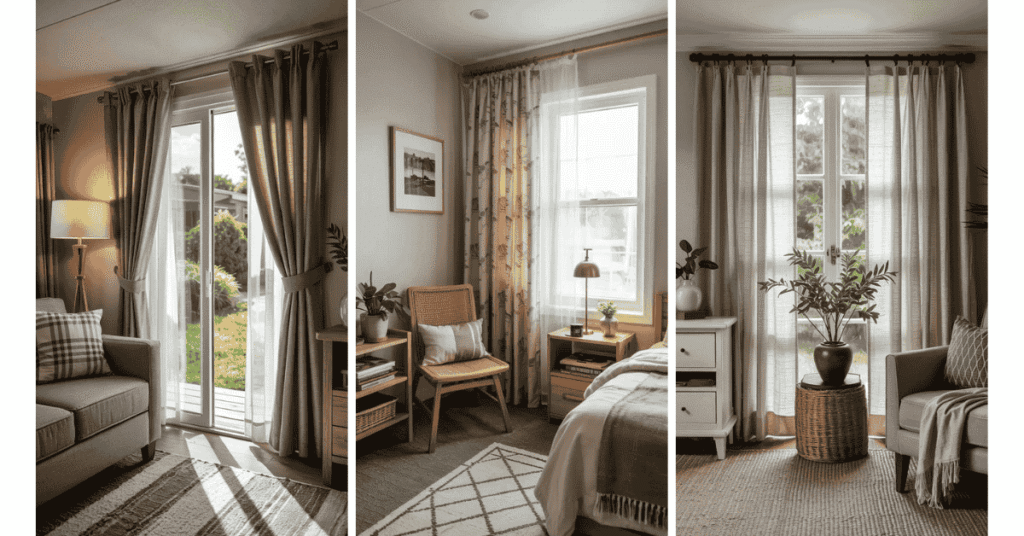
Maximizing natural light and fresh air is fundamental to good feng design approach focuses on large, uncovered windows, sheer curtains, and strategically placed mirrors to bounce light around the open layout and minimal obstructions allow air to circulate opening windows invites fresh chi into the home, clearing out stale connection to the natural world promotes health and vitality. A home filled with light and fresh air feels more expansive, uplifting, and alive, positively impacting your mood and energy levels.
13. A Wealth Corner with Purpose

Activate the wealth and prosperity corner of your home (the far-left corner from the entrance) with a dedicated isn ‘t about cluttering it with symbols; it’ s about creating a beautiful and intentional the colors purple, green, or gold. A healthy, thriving plant, particularly one with rounded leaves like a jade plant, is excellent could also place a small water feature with flowing water or a beautiful piece of art that represents abundance to corner should feel lush, vibrant, and prosperous.
14. The Relationship Corner for Two

Enhance love and partnership by focusing on the relationship corner (the far-right corner from your home ‘s entrance or your bedroom’ s entrance). This design theme is all about matching nightstands, two lamps, and artwork that depicts couples or pairs of color palette should be soft and inviting, with pinks, reds, and the area is cozy and comfortable, perhaps with a small seating area for single objects or imagery that suggests solitude in this important area of your home.
15. A Zen-Inspired Meditation Space

Carve out a small corner or room for a Zen-inspired meditation space to promote inner design is the epitome of minimalism and a neutral, earthy color palette. A comfortable floor cushion or a simple bench provides elements are key, so include a small plant, a bowl of sand, or smooth the area completely free of clutter and lighting should be soft and sacred space offers a retreat from the chaos of daily life, allowing you to recenter and recharge.
16. The Family and Health Center

The center of your home corresponds to health and family this area open, bright, and grounded is design concept often translates to a central living or family earthy colors like yellows, beiges, and should be comfortable and arranged to encourage family photos that evoke happy memories. A healthy plant or a beautiful ceramic object can anchor the central hub should feel stable and welcoming, radiating positive energy outward to the rest of the home.
17. A Home Entrance with a Clear Path

The path to your front door, known as the Ming Tang or “bright hall, ” should be clear and design focuses on creating an open, welcoming approach to your the walkway is in good repair and free of the path with healthy plants or front door itself should be well-maintained and painted a welcoming lighting is essential for safety and to attract positive clear, bright path ensures that beneficial chi is effortlessly guided into your home.
18. The Use of Mirrors for Expansion

Mirrors are a powerful tool in feng shui, used to expand spaces and circulate energy. A large mirror in a small dining room can make it feel more spacious and double the abundance on the a narrow hallway, a mirror can widen the path for chi. However, placement is placing mirrors directly facing the front door or a should always reflect something beautiful, like a garden view or a lovely piece of art, to multiply that positive energy throughout your space.
Conclusion:
Incorporating feng shui into your interior design is a journey toward creating a home that not only looks stunning but also feels energetically aligned with your life focusing on principles like the commanding position, the five elements, and clutter-free living, you can transform any space into a sanctuary of harmony and positive 18 ideas provide a comprehensive guide to applying these ancient concepts in a practical, modern the flow of your entryway to the tranquility of your bedroom, each choice contributes to an environment that supports your health, happiness, and prosperity, making your home a true reflection of a balanced and intentional life.