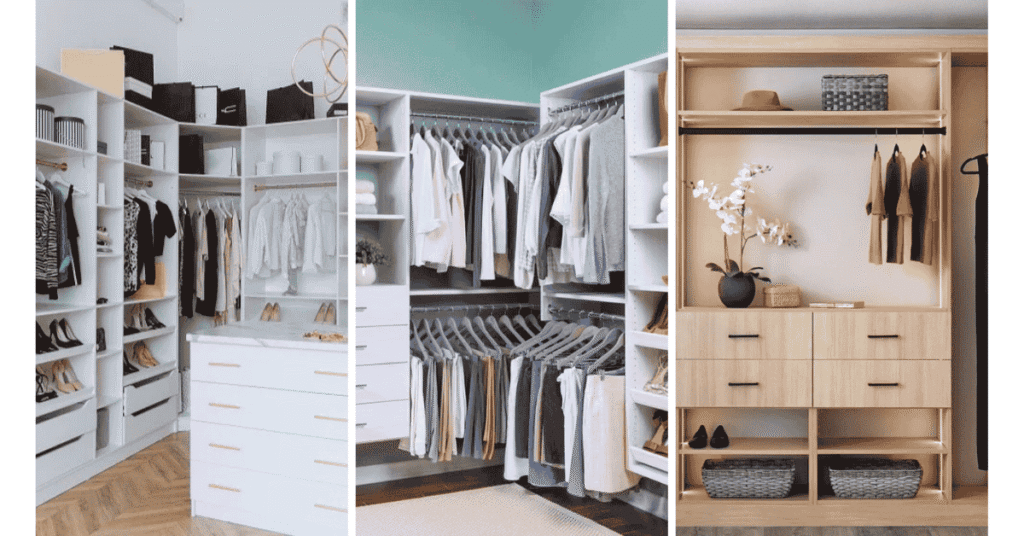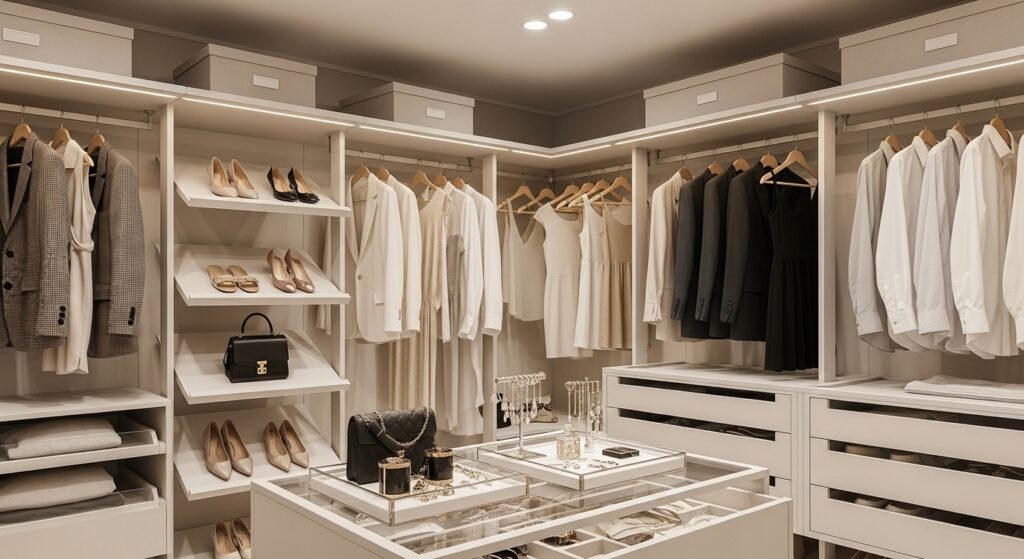
If learning how to declutter were easy, every home would be clutter-free—and they would all stay that way. Alas, decluttering tips only truly work when paired with a little elbow grease and some commitment: Decluttering is hard work. But figuring out how to declutter your home can lead to a more soothing, less stressful space. It can mean fewer possessions, which means there’s less to clean. When it’s time to pack up and move (hopefully with the help of some solid moving tips), there’s less to pack.
Decluttering does more than remove physical clutter—it can actually make your home calmer—and there are ways to make it easier. Some organizing pros recommend waging a whole-house war on clutter to knock out the excess stuff in one fell swoop, so no room remains untouched. This approach may take a whole weekend (or even longer), but it might also be more successful—and it’ll mean the chore is finished quickly, not left to drag on for months and months. Decluttering the whole house can also be broken down room by room, so it feels doable. A few new organizers or clutter management tools (think bins, crates, shelving systems, and the like) are suggested but not mandatory.
To use this room-by-room guide to its fullest potential, gather a trusty team—the whole family, ideally. (After all, they helped create the mess, right?) Give every family member a room to declutter, or work as a team to declutter one room at a time. This way, everyone will have buy-in on the success of the decluttering project, and will hopefully do what they can to keep spaces clutter-free for years to come.
1.Entryway
:max_bytes(150000):strip_icc():format(webp)/entryway-shelves-2caa0c0fbe4f48048e8439a49b6521f6.jpg)
- Use a boot tray to create boundaries for footwear. Whatever doesn’t fit should go in a bedroom or closet.
- Designate a hook, bin, or basket for each member of the household. If their area gets full, they’re responsible for returning items to their own closets (or a coat closet).
- Off-season items should be cleaned and stored out of the way; use a covered rolling rack in an attic or basement if you don’t have a spare closet.
- Establish drop spots right at the door: a change jar, a sunglasses tray, key hooks, and an umbrella holder.
Pro Tip
Employ a large basket to corral in-and-out items, like store returns and sports equipment.
2.Kitchen
:max_bytes(150000):strip_icc():format(webp)/kitchen-counter-20185586ac7d43d3b3c7e438cb9a3cc8.jpg)
- Think of central cabinets and drawers as prime real estate. Only your most-used items should live in the quick-reach areas. The rest live higher up or farther back.
- Use divided inserts, like utensil organizers to separate categories within drawers. Apply museum gel to the base to hold them in place like built-ins.
- In your junk drawer, make use of multi-tiered inserts to compartmentalize the space and keep it from becoming a black hole.
- Bring order to the refrigerator by employing acrylic bins to corral awkwardly shaped packages on the shelves.
- Everyday-use appliances can live on the counter. Others should be stashed in a cabinet, pantry, or nearby closet. The same goes for cookware!
- Consider allotting one drawer to dish towels. This will keep them from winding up on your counter or hanging off of every appliance handle.
- Go through your food storage containers and match every container with a lid. Recycle the leftovers.
Pro Tips
- Keep cooking essentials handy on a tray near the stove. Whatever doesn’t fit belongs in the pantry.
- Create a non-fridge spot for displaying art, homework, and schedules, like a magnetic board.
3.Bathroom and Linen Closet
:max_bytes(150000):strip_icc():format(webp)/bathroom-linen-closet-e38c178ab3534ba7a64fb764d5836034.jpg)
- Discard toiletries you haven’t used in a year (unopened ones can be donated to homeless and women’s shelters). And don’t hoard hotel minis if you never pack them when you travel.
- Stash towels at eye level, since you’ll be reaching for them frequently. Hand towels and washcloths can be rolled and stowed in baskets to prevent toppling stacks.
- Store sheets together based on size in labeled bins. All queen items go into one and twin stuff goes in another.
- Illuminate the contents by installing stick-on, motion-activated lights.
- Do a makeup and medication audit. Yes, both of these have expiration dates! Go through your cabinet and toss anything that’s past its prime.
Pro Tip
Package sheet sets within one of the matching pillowcases to keep everything together in a neat stack.
4.Kids’ Room
:max_bytes(150000):strip_icc():format(webp)/kids-room-shelves-0d933f56c1ef4ba6a0b24b6d04bd7d3f.jpg)
- Set rules like at school: Once you’re done playing with something, return it to its rightful home.
- Use clear bins so kids can see what goes inside. Keep them small; bigger bins become dumping grounds. Storage furniture like a large cubby can help corral those bins.
- Place a hamper in their closet where they can toss clothes they’ve outgrown. When it fills up, make a trip to the donation center.
- Time for another audit! Toss or donate any clothing that no longer fits and any toys they no longer play with.
- Employ vertical folding, or file folding. This makes it easier to see everything so kids can grab what they want at a glance.
- Corral board game stuff or puzzle pieces in individual zipper bags to keep everything in the same place (somewhere they won’t fall out).
Pro Tip
Make storing collections part of the room’s decor. Use a magnetic knife holder to hold toy cars.
5.Bedroom
:max_bytes(150000):strip_icc():format(webp)/styled-dresser-373796005ded42099509fe18ebbf0c90.jpg)
- Hang all clothes facing the same direction and arrange like items together so you can easily see what you have (and need).
- Use an acrylic letter file to stash clutch purses upright on a closet shelf.
- If you’re consigning pieces online and they haven’t sold in three months, donate them. Keep them separate from your closet in the meantime.
- Prevent discarded clothes from piling up on the bedroom chair. Place a basket next to it where those items should land (out of sight) until they can be sorted.
- Stash any out of season clothing out of sight, either in a way high up cabinet or under your bed.
- Take a look at your nightstand drawers and make sure all of the items in them belong there. Add a cut e trinket tray to hold rings and watches.
Pro tip
Style flat surfaces like dresser tops and bedside tables with a few objects you enjoy to discourage them from becoming landing strips for clutter.
6.Living Room
:max_bytes(150000):strip_icc():format(webp)/GettyImages-1985209355-56fd3feab66e496a99be998a8aafab58.jpg)
- Toss old tech like that stack of VHS tapes or the mountain of CD’s you never play.
- Buy a tech tray and set all of your remotes (TV, lights, anything) on it each evening. This will save you loads of time and look a lot neater.
- Hide unsightly cords and wires by tucking them behind furniture or disguising them with a wall cable channel.
- Scan your surfaces- does your coffee table actually have open space for you to play games or stash a drink on? If not, it’s time to put some of those knickknacks and toys back where they belong.
Pro Tip: Storage furniture is your friend! A coffee table or ottoman with hidden storage can help stash things for last minute guests.
7.Garage
:max_bytes(150000):strip_icc():format(webp)/GettyImages-1364434208-961ab98444f84d178ad9bb4aa3890146.jpg)
- Hang tools on a peg board or pinboard so that you can easily see and grab whatever you need. This will also tell you if you have duplicates that you can donate.
- Group items by category. Sports stuff goes in one section, while gardening goes in another.
- Give any appliances a checkup. A lot of us will shove things in our garage if they don’t work but we don’t want to throw them out either. If you have a toaster that hasn’t worked in two years, you can likely toss it.
- Hose everything down. A lot of your garage stuff may just look dirty and cluttered.
Pro tip
Storing stuff in cardboard boxes can attract mildew and pests. Invest in waterproof bins to hold everything. Here are a few things you should never keep in your garage.