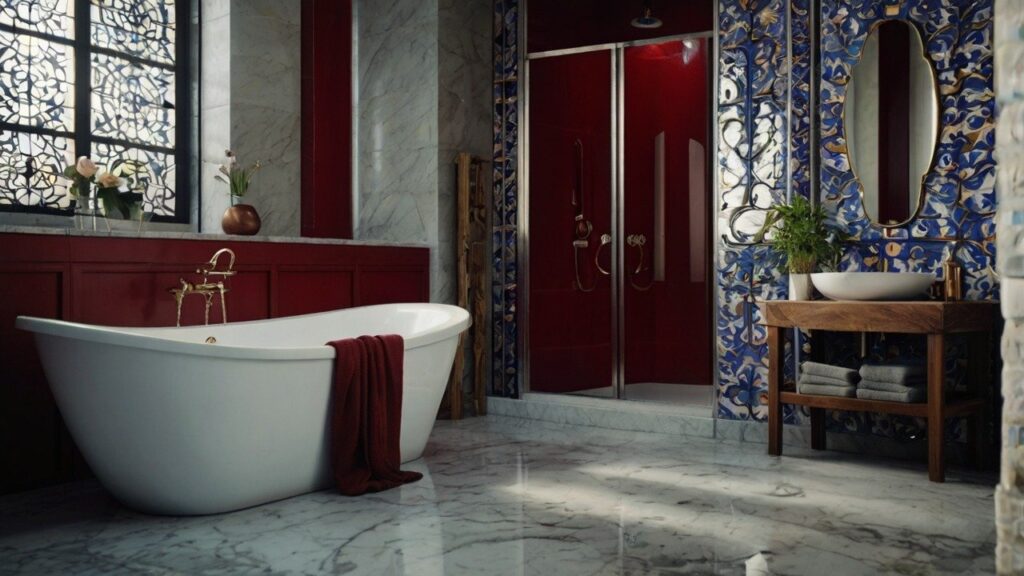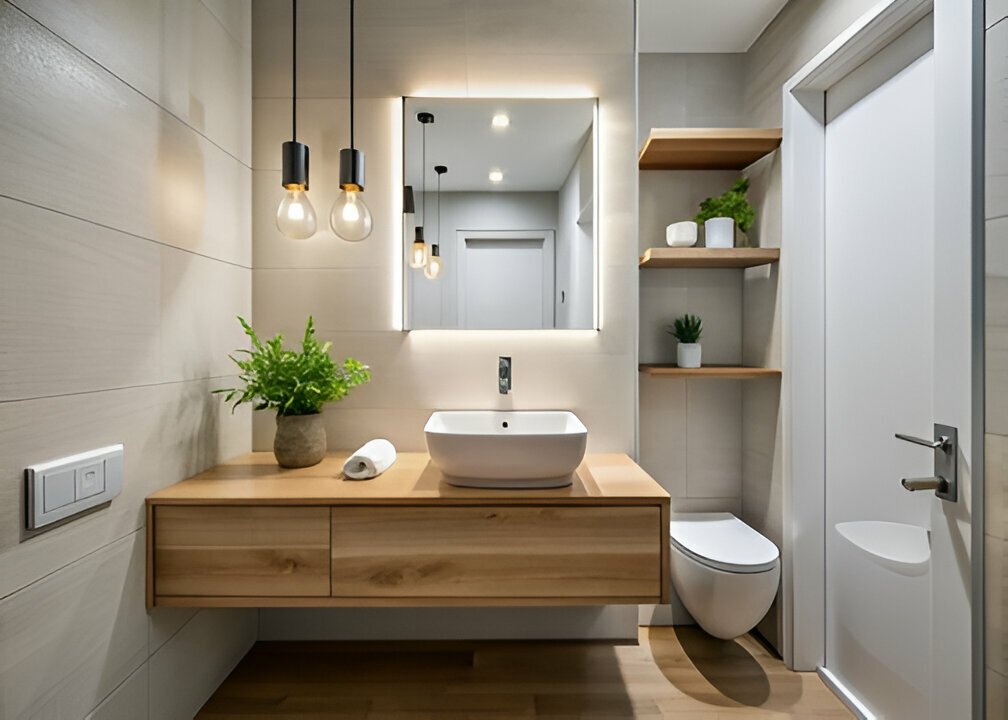
Decorating a small bathroom presents a unique challenge, blending functionality with style in a limited space. The goal is to create an area that feels open, organized, and visually appealing, rather than cramped and cluttered. By using clever design tricks and strategic decor choices, you can transform a compact bathroom into a personal sanctuary. From smart storage solutions to the optical illusions created by mirrors and lighting, even the smallest of bathrooms can be packed with personality and charm. These ideas focus on maximizing every square inch to create a space that is both practical and beautiful.
1. Floating Vanity Installation

A floating or wall-mounted vanity is a game-changer for small bathrooms. By lifting the cabinetry off the floor, you create an unbroken line of sight, which makes the entire room feel more spacious and airy. This design choice not only adds a modern, clean aesthetic but also provides valuable floor space underneath for storing items like a scale or a small basket for extra towels. With various styles available, from minimalist shelves to vanities with drawers, you can find one that fits your storage needs while contributing to a lighter, less crowded atmosphere. This simple swap instantly enhances the perception of space.
2. Large-Format Floor Tiles

Using large-format tiles on the floor of a small bathroom can create a powerful optical illusion. With fewer grout lines to break up the visual field, the floor appears more seamless and expansive, tricking the eye into seeing a larger area. This effect works with various materials, from elegant marble to modern porcelain, allowing you to match your desired aesthetic. Opting for a lighter color for these tiles will further enhance the sense of openness by reflecting more light. It’s a sophisticated design strategy that minimizes visual clutter and establishes a clean, uncluttered foundation for the rest of your decor.
3. Wall-Mounted Faucet and Taps

To free up precious counter space, consider installing wall-mounted faucets and taps. This moves the hardware from the vanity deck to the wall behind the sink, resulting in a sleek, minimalist look. The clean lines contribute to an uncluttered feel, making the sink area appear larger and easier to clean. This contemporary choice is particularly effective when paired with a vessel sink or a slim, compact basin. It not only saves surface area for soap dispensers or other small necessities but also adds a touch of high-end, custom design to an otherwise standard bathroom layout, enhancing both form and function.
4. Oversized Round Mirror

An oversized round mirror can serve as a stunning focal point in a small bathroom while also making the space feel larger and brighter. Unlike rectangular mirrors, the soft curves of a round mirror break up the sharp, angular lines often found in bathrooms, adding a dynamic and graceful element. Its large surface area reflects more light and scenery, creating an illusion of depth and openness. Placing a large, frameless or thinly framed round mirror above the vanity can make a significant impact without overwhelming the room, providing a perfect blend of practical utility and decorative flair that elevates the entire space.
5. Vertical Stripe Wallpaper or Paint

Drawing the eye upward is a classic trick to make a small room feel taller and more spacious. Applying vertical stripes through wallpaper or a painted design is a highly effective way to achieve this. The continuous upward lines create an illusion of height, making low ceilings seem higher and the room less confined. You can choose bold, dramatic stripes for a statement wall or subtle, tone-on-tone stripes for a more understated effect. This decorative technique adds personality and visual interest while cleverly manipulating the room’s perceived proportions, turning a simple wall into a feature that enhances the entire bathroom.
6. Glass Shower Enclosure

Swapping a bulky shower curtain or a framed shower door for a seamless glass enclosure can dramatically open up a small bathroom. A clear, frameless glass panel allows light to flow freely and provides an unobstructed view of the entire room, making it feel significantly larger and more cohesive. This creates a clean, modern aesthetic and eliminates the visual barrier that often chops a small bathroom in half. Even a partial glass screen can be more effective than a curtain at creating this sense of spaciousness. It’s a sleek and practical solution for a brighter, more open bathroom environment.
7. Recessed In-Wall Shelving

For storage that doesn’t intrude into your limited space, recessed in-wall shelving, often called a niche, is an ideal solution. These shelves are built into the wall cavity, typically between studs, providing valuable storage without taking up any floor or air space. They are perfect for placing in a shower to hold toiletries or above a toilet for displaying decorative items and storing extra toilet paper. A well-placed niche keeps essentials organized and easily accessible while maintaining a clean, streamlined look. This clever use of wall space is both incredibly practical and adds a custom, architectural detail to your bathroom.
8. Pocket Door Installation

A traditional swinging door can consume a surprising amount of usable space in a small bathroom. Replacing it with a pocket door, which slides neatly into the wall when opened, is a brilliant space-saving solution. This frees up an entire corner of the room that would otherwise be needed for the door’s swing, allowing for better placement of fixtures, storage, or simply creating more open floor area. While the installation is more involved than hanging a standard door, the payoff in terms of functionality and improved layout in a cramped bathroom is substantial, creating a more efficient and less awkward space.
9. Pedestal Sink Design

For a classic and space-efficient choice, a pedestal sink is an excellent option in a tiny bathroom. Its slender profile takes up minimal floor space compared to a bulky vanity, creating a more open and less crowded feel. The elegant design works well in both traditional and modern decors, lending a timeless charm to the room. While it doesn’t offer concealed storage, its minimalist footprint helps the bathroom feel larger. You can pair it with a decorative mirror and wall-mounted shelving or a medicine cabinet to compensate for the lack of counter space, keeping the overall aesthetic light and airy.
10. High-Gloss Paint Finish

Using a high-gloss or semi-gloss paint finish on the walls or ceiling can make a small bathroom feel brighter and more expansive. These reflective sheens bounce light around the room, mimicking the effect of a mirror and creating an illusion of greater space. Lighter colors like white, soft gray, or pale pastels work best with this technique, as they maximize the light-reflecting properties. Painting the ceiling in a high-gloss finish is particularly effective at creating a sense of height. This simple paint choice is a cost-effective way to enhance the ambient and artificial light, giving your small bathroom a luminous quality.
11. Corner Sink Installation

When every inch counts, a corner sink can be the perfect solution for an exceptionally small bathroom or powder room. By tucking the sink into an otherwise unused corner, you maximize the available floor space and improve traffic flow. This clever placement frees up central wall space for other essentials, like a toilet or a small storage unit. Corner sinks are available in both wall-mounted and pedestal styles, allowing you to choose the one that best fits your aesthetic. It’s a strategic design move that makes the most of an awkward layout, proving that thoughtful placement is key to functionality.
12. Ladder for Towel Storage

A decorative ladder is a stylish and space-saving alternative to traditional towel bars or hooks. Leaned against a wall, it utilizes vertical space without the need for drilling multiple holes, making it a great option for renters. Its rungs offer ample room to hang several towels to dry, and its slim profile takes up very little floor space. You can find ladders in various materials, from rustic wood to sleek metal, allowing you to match your bathroom’s decor style. This simple addition adds a touch of casual, chic organization and serves as a unique decorative element in the room.
13. Statement Patterned Flooring

While it might seem counterintuitive, a bold, patterned floor can make a small bathroom feel more dynamic and intentionally designed rather than just small. A striking geometric or encaustic-style tile can create a powerful focal point, drawing attention to the floor and anchoring the space. When the rest of the room is kept relatively simple with neutral walls and fixtures, the floor can add immense personality without overwhelming the senses. This design choice infuses the room with character and style, proving that you don’t have to stick to muted designs in a compact area. It’s a confident decor move.
14. Over-the-Toilet Storage Unit

The area above the toilet is often underutilized, but it presents a prime opportunity for storage in a small bathroom. An over-the-toilet storage unit, or étagère, provides multiple shelves for holding towels, toiletries, and decorative items without taking up any valuable floor space. These units come in a variety of styles, from open ladder shelves to closed cabinets, so you can choose one that suits your needs and aesthetic. This practical solution keeps essentials organized and within reach while turning a blank wall into a functional and attractive feature, helping to reduce clutter around the sink area.
15. Uniform Color Scheme

A monochromatic or uniform color scheme is a highly effective strategy for making a small bathroom feel larger and more serene. By using varying shades and tints of a single color—such as white, light gray, or beige—on the walls, tiles, and vanity, you create a cohesive and seamless look. This lack of sharp contrast between surfaces helps to blur the boundaries of the room, making it feel more expansive and less visually cluttered. This approach creates a calm, spa-like atmosphere while providing a sophisticated and unified backdrop for any metallic or wood accents you choose to add.
16. Ceiling-Mounted Shower Curtain

To create the illusion of a higher ceiling, hang your shower curtain from a track mounted directly on the ceiling or as close to it as possible. Using an extra-long curtain that reaches from this high point down to the floor draws the eye upward, making the entire room feel taller. This simple adjustment has a surprisingly dramatic effect on the perceived proportions of the space. Opt for a light-colored or semi-sheer curtain to allow light to pass through and maintain a bright, airy feel. It’s an inexpensive yet impactful trick to enhance the sense of vertical space.
17. Use of Wicker Baskets

Wicker or rattan baskets are perfect for adding stylish and functional storage to a small bathroom. They introduce a natural texture and warmth that can soften the hard surfaces of tile and porcelain. Use them on open shelves, under a floating vanity, or in a corner to neatly store rolled-up towels, extra toilet paper, or toiletries. Baskets help to contain clutter while contributing to a relaxed, organized aesthetic. Their lightweight and versatile nature makes them easy to move and repurpose as needed, offering a flexible and attractive solution for keeping your bathroom essentials tidy and accessible.
18. Strategic Lighting Placement

Good lighting is crucial in a small bathroom, as it can make the space feel larger, brighter, and more inviting. Instead of relying on a single overhead fixture, incorporate layered lighting. Place sconces on either side of the mirror to provide even, flattering light for grooming tasks, eliminating shadows. A dimmer switch on the main light allows you to adjust the ambiance from bright and functional to soft and relaxing. Consider adding small LED strips under a floating vanity or within a recessed shelf for a subtle, modern glow. Thoughtful lighting design enhances both functionality and atmosphere.
19. Full Wall Mirror

For the ultimate space-enhancing illusion, consider covering an entire wall with a custom-cut mirror. This technique dramatically enlarges the feel of a small bathroom by reflecting the entire room, creating an incredible sense of depth and openness. Placing the mirror on the wall behind the vanity is a popular choice, as it doubles the visual space and amplifies both natural and artificial light. While it is a significant design investment, the impact is unparalleled. A full wall mirror can transform a cramped, dark bathroom into a bright, expansive-feeling space, making it one of the most effective tricks in the book.
20. Minimalist Fixture Selection

In a small bathroom, every element should be chosen with care to avoid a cluttered look. Opting for minimalist fixtures can make a significant difference. Select a toilet with a compact, tankless, or slimline design. Choose a simple, single-handle faucet and sleek, unadorned hardware for cabinets and drawers. The goal is to select items with clean lines and simple forms that perform their function without adding unnecessary visual bulk. This streamlined approach contributes to a modern, open aesthetic, ensuring the space feels tidy and thoughtfully curated rather than crowded with oversized or ornate elements.
Conclusion:
Ultimately, designing a small bathroom is an exercise in creativity and smart problem-solving. Key strategies like installing a floating vanity, using large mirrors, and opting for seamless glass enclosures can make a profound difference in creating a sense of space. Clever storage solutions, from recessed niches to over-the-toilet units, help maintain an uncluttered environment. Whether you prefer a light and airy monochromatic scheme or a bold, dramatic color, the goal is to make deliberate choices that enhance both function and style. By implementing these ideas, you can transform any compact bathroom into a chic and highly functional retreat.