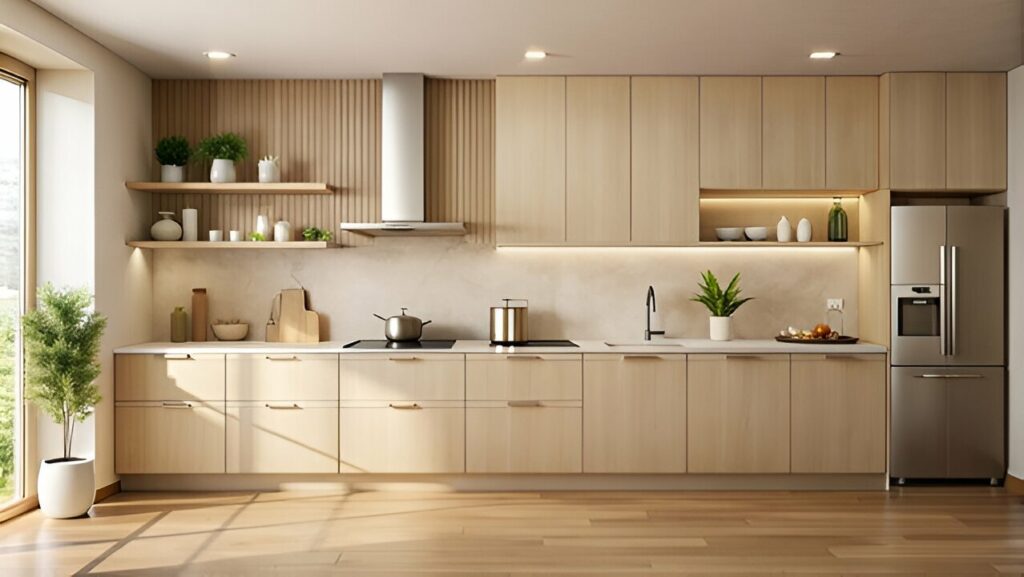
I was on a job in Portland last month, standing in a half-finished kitchen while my client kept pointing at the same shadow line under the uppers. The best under cabinet lighting ideas all solve that one problem, good cabinetry and beautiful counters ruined by a dark strip right where prep work happens. The fix usually isn’t adding more light, it’s choosing the right fixture for the way the room gets used, cleaned, and lived in. I’ve solved this in everything from tight galley kitchens to big open plans, and the details matter more than people expect.
1. Warm LED Strip Under Shelves

2. Recessed Puck Lights Over Marble

Puck lights under cabinet can look great over marble because they create focused pools of light without washing out the stone. I’ve used this in kitchens where the client wanted the veining to stay visible at night, not disappear under a broad strip. The catch is spacing. Put them too far apart and you get dark gaps. Put them too close and the counter starts to look busy.
For marble, I prefer 2.5-inch to 3-inch pucks with a high CRI, ideally 90 or better. That keeps the color of the stone honest. I’ve also had clients choose puck lights under cabinet because they’re easier to retrofit, which is true, but they do show more contrast than a continuous strip.
A mistake I see a lot: installing pucks too far forward. Then the light reflects off the backsplash instead of the work surface.
Pro tip: On honed marble, I’ll often lower the brightness a bit. Glossy stone bounces more light than people expect, and too much output can feel fussy.
3. Hidden Aluminum Channel Diffuser

If you want under cabinet strip lighting that looks built-in, an aluminum channel with a frosted diffuser is still my favorite move. It’s not flashy, but it solves three problems at once: glare, heat, and visible diode dots. I’ve used this on custom kitchens where the homeowner swore they wanted “simple LED tape,” then thanked me later when the finished result looked intentional instead of improvised.
The channel also helps the strip last longer because it dissipates heat better than bare tape stuck to wood. That matters more than most people realize. I’ve replaced plenty of premature failures where the adhesive gave out and the strip sagged after a year or two.
A bare strip might be cheaper, but it often looks like a budget fix once the room is finished.
Pro tip: If you’re pairing under cabinet lighting with stone countertops, ask for a channel with a slightly deeper diffuser. It softens hot spots on polished surfaces and gives a cleaner line.
4. Linear LED Bar Above Backsplash

A linear LED bar above the backsplash is a smart option when the cabinet bottoms don’t have enough depth for a proper strip. I’ve used these in older homes where cabinet construction was inconsistent, or where a retrofit had to avoid cutting into finished boxes. They throw a more directional beam, which can be great for task lighting kitchen zones, but you need to place them carefully.
If the bar sits too high, it can cast a shadow from the cabinet face frame. Too low, and it becomes visually obvious from across the room. I usually want the fixture tucked close enough to disappear, but not so close that cleaning becomes a headache.
This is one of those best under cabinet lighting choices that sounds less elegant than strip lighting, yet works better in real life for some kitchens. Especially if the backsplash has texture, like handmade tile or stacked stone.
Pro tip: I’ve had better results with bars that let you aim the beam slightly forward. That small adjustment makes prep areas feel brighter without blasting the backsplash.
5. Toe Kick Glow Along Base Cabinets

Toe kick lighting gets overlooked, which is funny because it’s one of the most practical nighttime upgrades in a kitchen. I like it along base cabinets when a client wants a soft path light for late-night water runs or early-morning coffee without flipping on the whole room. It also makes cabinetry feel lighter, almost floating, if the toe kick recess is deep enough.
I’ve installed toe kick glow in homes with kids, and parents love it. No one gets blinded at 2 a.m. It’s also useful in open plans where the kitchen blends into the living area and you want low-level ambient light instead of a bright overhead scene.
Tradeoff? It’s not a task light. If someone expects it to replace under counter lighting kitchen fixtures, they’ll be disappointed. It’s support lighting, not the star.
Pro tip: Use a warmer tone here than you think. A cool toe kick light can make the floor look strange, especially on wood or warm tile.
6. Motion Sensor Pantry Shelf Lighting

Motion sensor pantry shelf lighting solves a problem clients don’t think about until they’re standing in a dark pantry with both hands full. I’ve done this in narrow walk-ins where a standard switch would’ve been annoying at best. The sensor turns on when the door opens, and honestly, once people get used to it, they don’t want to go back.
I prefer low-profile strips or slim bars on the front underside of each shelf, not buried in the back. Light from the back looks dramatic in photos, but in real use it leaves the front half of the shelf dim. That’s a rookie mistake.
Battery options exist, and they’re fine for a quick fix, but hardwired motion lighting is the better long-term choice if the pantry gets regular use. Batteries in a pantry become one more thing to forget.
Pro tip: Set the sensor delay longer than you think. A too-fast shutoff is maddening when you’re sorting cans or labels.
7. In Cabinet Glass Shelf Lighting

In cabinet lighting with glass shelves can make dishes, glassware, and collectibles feel special without turning the whole room into a display case. I’ve used this in dining nooks and butler’s pantries where the client wanted a little sparkle at night. The key is hiding the source and lighting the shelf edges or uprights so the glass itself catches the glow.
This works best with clear or lightly frosted glass. Heavy textured glass scatters light in a way that can look muddy. I’ve also seen homeowners install too much brightness here, which makes the cabinet feel like a retail display instead of part of the home.
If you’re choosing between under cabinet lighting ideas and in-cabinet lighting, this is one place where the second option wins. It adds depth, not just brightness.
Pro tip: Use dimmable drivers. Glass shelves look elegant at 30 to 40 percent output, and much better than full blast.
8. Above Cabinet Uplighting Crown Molding

Above cabinet lighting, especially uplighting tucked into crown molding, is one of those details that changes the whole room without screaming for attention. I like it when cabinets stop short of the ceiling and the homeowner wants a softer, taller feel. The light washes the upper wall and kitchen ceiling lighting zone, which helps a kitchen feel less boxy.
I’ve had clients ask for this after living with a kitchen that felt cave-like at night. It’s not a substitute for under cabinet lighting, but it balances the room beautifully when both are used together. The trick is keeping the source hidden. If you can see the fixture, the illusion is gone.
A contrarian note, though, not every kitchen needs this. In a room with low ceilings or busy upper trim, it can add clutter fast.
Pro tip: Paint the wall above the cabinets a lighter matte finish. Glossy paint throws odd reflections and makes the uplight look harsher than it is.
9. Dimmable Tape Light Coffee Station

A coffee station is where dimmable tape light kitchen setups really shine. I’ve designed a few breakfast bars and beverage zones where a client wanted just enough light to make espresso at 6 a.m. without waking the house. Dimming matters here because the same light that feels right for making coffee can feel too strong once the room is otherwise quiet.
Under cabinet strip lighting with a dimmer also helps highlight the backsplash tile behind a coffee bar, which makes a small zone feel intentional. I like running the strip along the underside of the upper cabinet or shelf, then keeping the switch local so it’s easy to use.
The tradeoff is maintenance. Coffee stations tend to collect fingerprints, dust, and small appliance cords. Light makes all of that more visible (not a flaw, just reality).
Pro tip: If you use a lot of stainless appliances, choose a warmer dimmed setting. Cool light can make the whole nook feel more commercial than cozy.
10. Battery Puck Lights Rental Kitchen

Battery puck lights under cabinet are a solid rental kitchen solution when you can’t hardwire or open walls. I’ve recommended them to plenty of clients who were stuck with dated cabinets but still wanted better task lighting kitchen performance. They’re quick, usually low-cost, and they can be removed later without drama. They also pair well with the budget Ikea kitchen ideas I suggest to renters, since nothing has to be hardwired.
Here’s the honest part. They’re not my first choice for a forever home. Battery units need recharging or replacement, adhesive can fail on greasy cabinet bottoms, and the light quality varies a lot. But for a rental, they beat living with dark counters.
I tell people to buy fewer, better pucks rather than a big pack of bargain lights. Cheap ones often have uneven color and weak output, which is especially obvious on stone countertops.
Pro tip: Clean the cabinet underside with alcohol before sticking them up. Kitchen residue kills adhesion faster than most people expect.
11. Under Shelf Lighting Open Kitchen

Under shelf lighting in an open kitchen can do more than illuminate a prep zone. It helps define the kitchen visually without adding walls or bulk. I’ve used this in lofts and open-plan homes where the shelves acted almost like architecture, separating the kitchen from the living area with a soft layer of light.
This is where led tape light kitchen setups are especially effective, because shelves often need a slimmer profile than cabinets. The best result comes when the light source is hidden and the shelf itself seems to glow from underneath. That said, the shelf material matters. Thin plywood can telegraph heat or sag if the system is poorly installed.
I’ve seen homeowners choose decorative shelves first and lighting second. That’s backwards. The shelf depth, finish, and wiring path should all be planned together.
Pro tip: If the shelf is open to the room, use a diffuser. Bare LEDs can look surprisingly harsh from a standing view.
12. Color Temperature Layered Task Lighting

Color temperature layered task lighting is the part most homeowners skip, then regret later. In my experience, the best under cabinet lighting kitchen ideas work because they match the room’s other layers, not because they’re bright on their own. I usually want task lighting around 3000K in a kitchen with warm finishes, but I’ll go a bit cooler in a modern white space if the counters need extra clarity.
The mistake I see most often is mixing wildly different temperatures. A 2700K strip under the cabinets, 4000K overhead cans, and 5000K pendant lights over the island will make the room feel confused. Not dramatic. Just off.
I always recommend testing samples at night. Daylight lies. A color that looks fine at noon can feel yellow, green, or blue after dark.
Pro tip: If you cook a lot, prioritize color rendering over raw brightness. High CRI lighting makes produce, meat, and herbs look more natural, which sounds minor until you’re actually using the kitchen every day.
13. Bathroom Vanity Under Cabinet Strip

A bathroom vanity under cabinet strip works best when the vanity floats and the room needs a soft nighttime glow. I’ve used this in primary baths where clients wanted something gentler than overhead lights for late-night routines. It’s also useful under a wall-mounted vanity because it gives the room a cleaner, lighter feel.
This is one of those under cabinet lighting ideas that crosses over from kitchen to bath really well, but moisture changes the game. You need fixtures rated for damp locations if they’re anywhere near splash zones. I’ve seen people install standard tape light in a bathroom and wonder why it fails early. Water vapor is not kind to cheap electronics.
It looks great, but it does require maintenance. Dust and hair collect under floating vanities faster than people think.
Pro tip: Put the strip slightly behind the toe line so the light washes the floor, not your feet. It feels softer and more intentional.
14. Workbench Garage Cabinet Task Lighting

Workbench garage cabinet task lighting is where function beats style every time, though I still care about both. I’ve set up garages for everything from woodworking to holiday storage, and good under cabinet lighting makes the space usable year-round. A bright, durable strip under a cabinet or shelf can turn a gloomy garage corner into a real work zone.
For this kind of space, I like tougher fixtures, often with better dust resistance and a little more output than I’d use in a kitchen. You’re not trying to create mood here. You want to see screws, labels, and tool edges clearly. Puck lights can work, but strips usually give more even coverage across a bench.
Budget option works fine, but here’s what you sacrifice: color quality and longevity. In a garage, that may be acceptable. In a kitchen, I’d be pickier.
Pro tip: Wire garage lighting to a separate switch from the overheads. That way you can light the bench without firing up the whole room.
Frequently Asked Questions
What is the best option for under cabinet lighting?
Hardwired LED strip lighting inside an aluminum channel is the best option for most kitchens. It gives even, continuous light with no visible dots, hides the diode entirely, and lasts far longer than battery units. Expect to pay more for installation, but you get dimming control and a clean look that holds up for years.