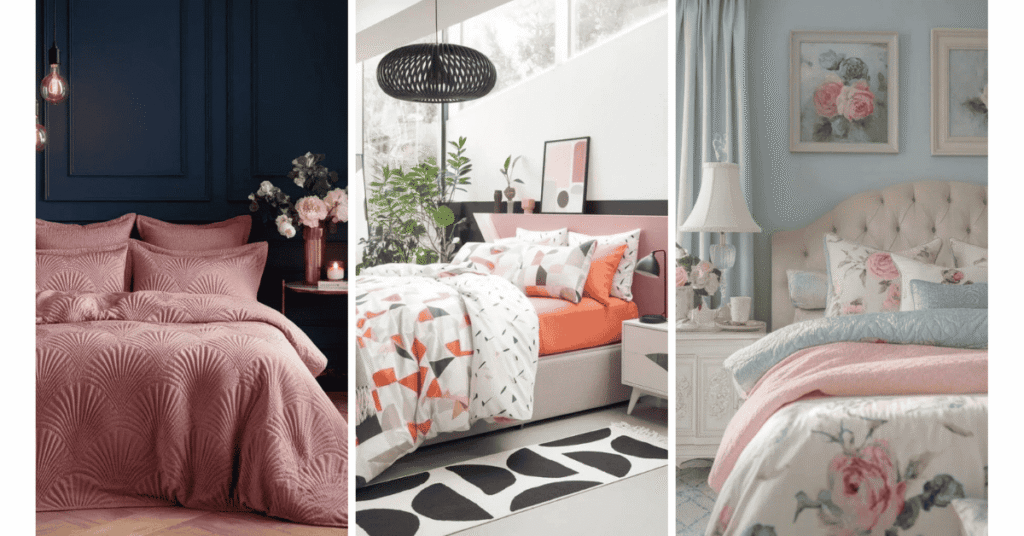
A nightstand is useful only if it fits the space beside the bed and holds what you reach for at night. A deep cabinet may crowd the doorway, while a small decorative table may leave your books and glasses on the floor. Choosing a different kind of bedside piece can solve that mismatch.
These 15 nightstand alternatives range from a shallow shelf to a compact desk. Start by checking the mattress height, the clear walking space, and the items you actually keep beside you. Then choose a surface or pocket that you can reach comfortably from bed, with drawers and doors that have room to open.
1. Use a Shallow Wall Shelf Beside the Mattress
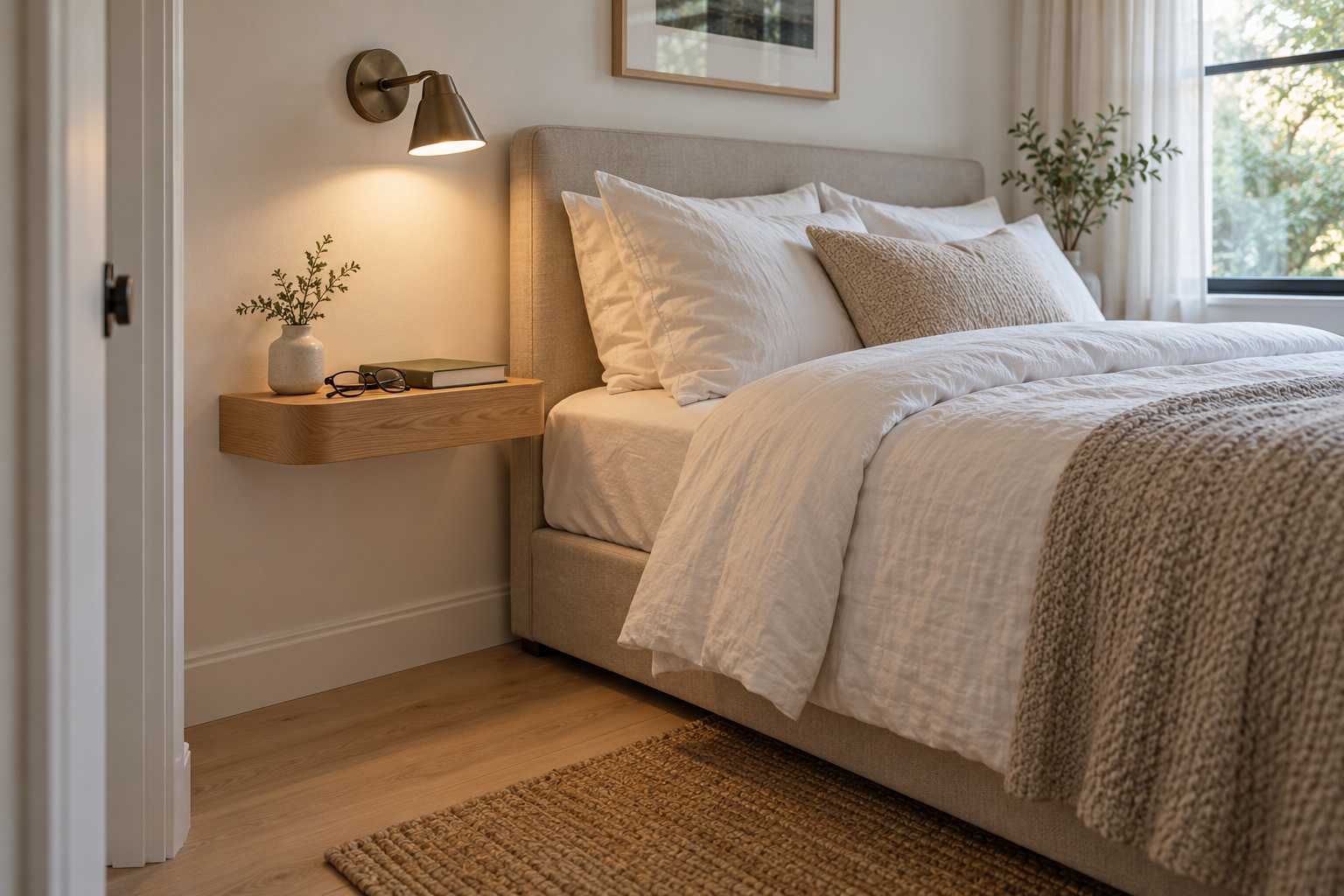
A shallow shelf gives a narrow bedside gap a useful landing place without adding legs to the floor. Position it beside the mattress where you can reach it comfortably, with the front edge clear of the route into bed. A rounded front corner is helpful where your shoulder or hip passes close by.
Keep this version to small essentials: glasses, a phone, and the book you are reading. Use a mounting method and load appropriate for the shelf and wall, following the maker’s instructions. A wall light can leave more of the surface available than a table lamp.
2. Choose a Floating Drawer for Small Essentials
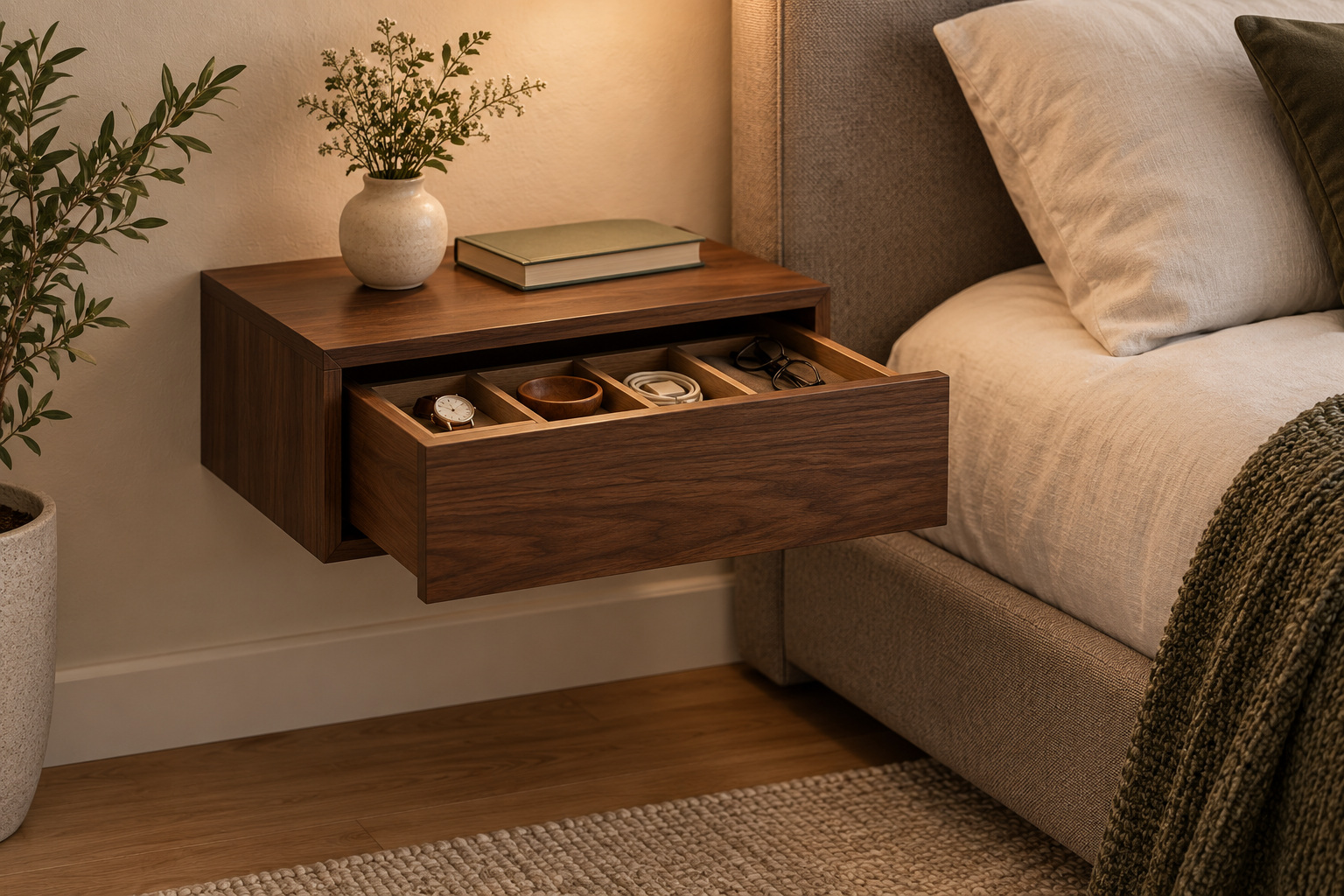
A wall-mounted drawer suits someone who wants the light footprint of a shelf with somewhere to put small clutter. Use the top for the item you need immediately and the drawer for earplugs, hand cream, or spare charging accessories. The closed front gives the bedside area a calmer appearance.
Check the drawer’s opening path as well as its outer dimensions. A unit squeezed against bedding can be awkward even if it technically fits the wall. Match the finish to the headboard for a quiet look, and follow the unit’s wall-fixing requirements rather than treating it as a removable decoration.
3. Fit a Corner Cubby into an Awkward Gap
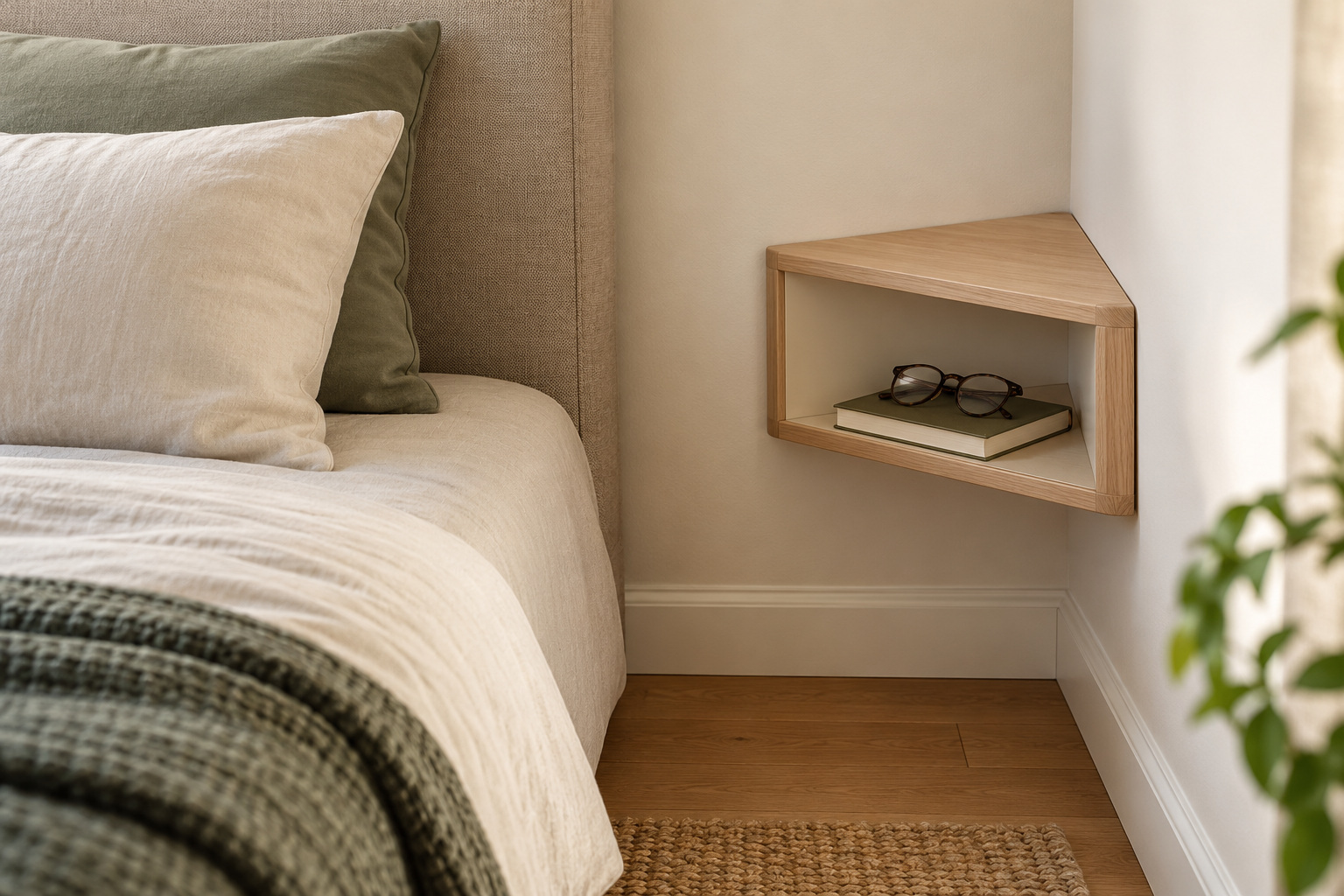
When the bed sits near a corner, a small corner cubby can use wall space that a rectangular cabinet would waste. Look for a compact unit with an accessible opening rather than a deep pocket you cannot reach from the mattress. A light interior finish makes the contents easier to see.
Use the cubby for a book and glasses, keeping taller objects away from the pillow. Before choosing a location, sit and lie down to test the reach. The useful corner is beside the sleeping space, not above your head. Mount it according to its instructions and keep to the intended load.
4. Choose a Headboard with an Integrated Ledge
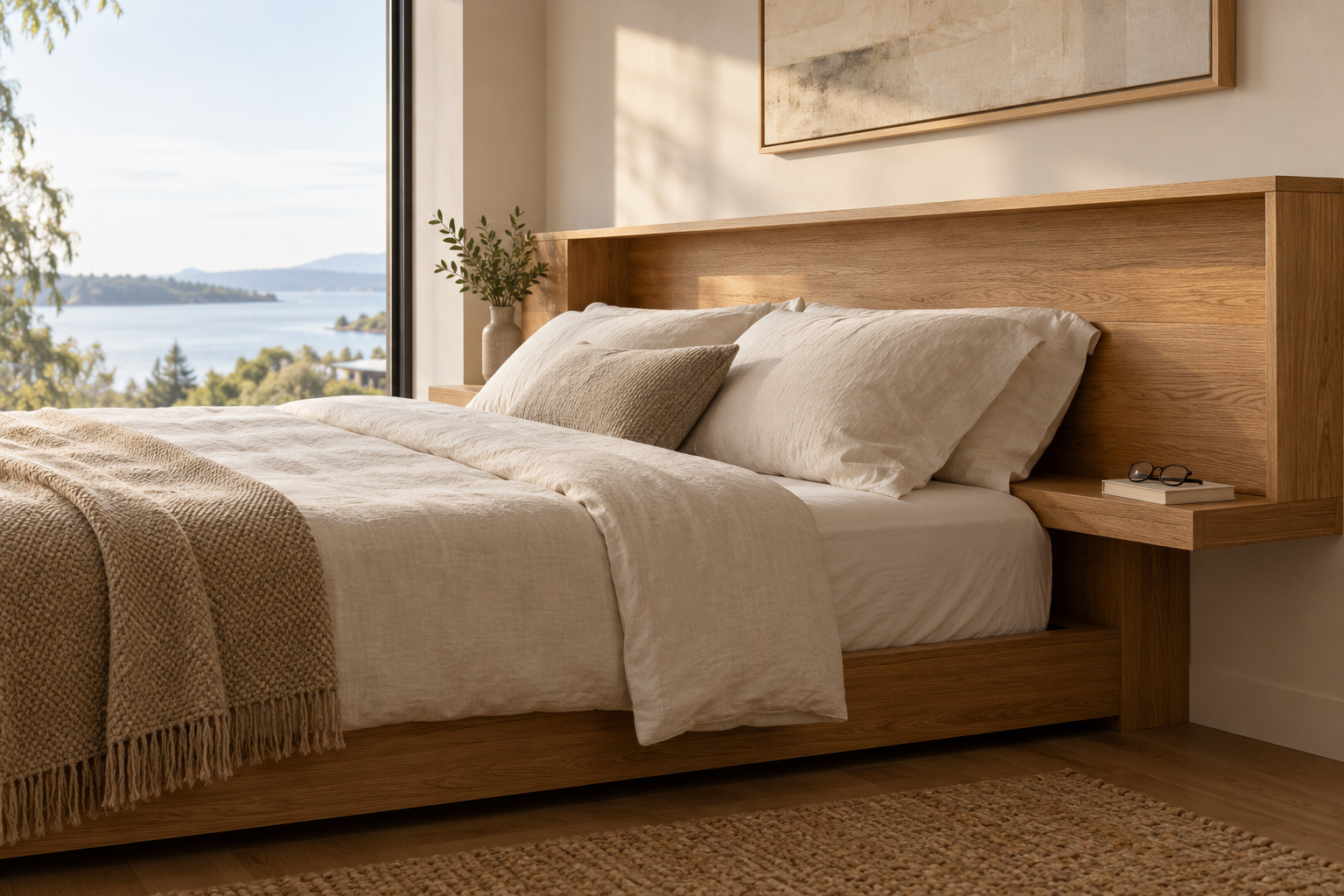
A headboard designed with a ledge can replace a separate bedside surface when there is little room beside the frame. Choose one with the useful storage toward the sides, so you can reach your things without twisting over the pillow. A narrow lip may be enough for glasses or a paperback.
Check the full bed depth before bringing the piece home; storage behind the mattress still takes up room. Keep hard, loose objects away from the sleeping area and follow the headboard’s fixing instructions. This works best as a deliberate furniture choice, rather than a loose shelf balanced behind an existing bed.
5. Bring in a Solid Wood Stool
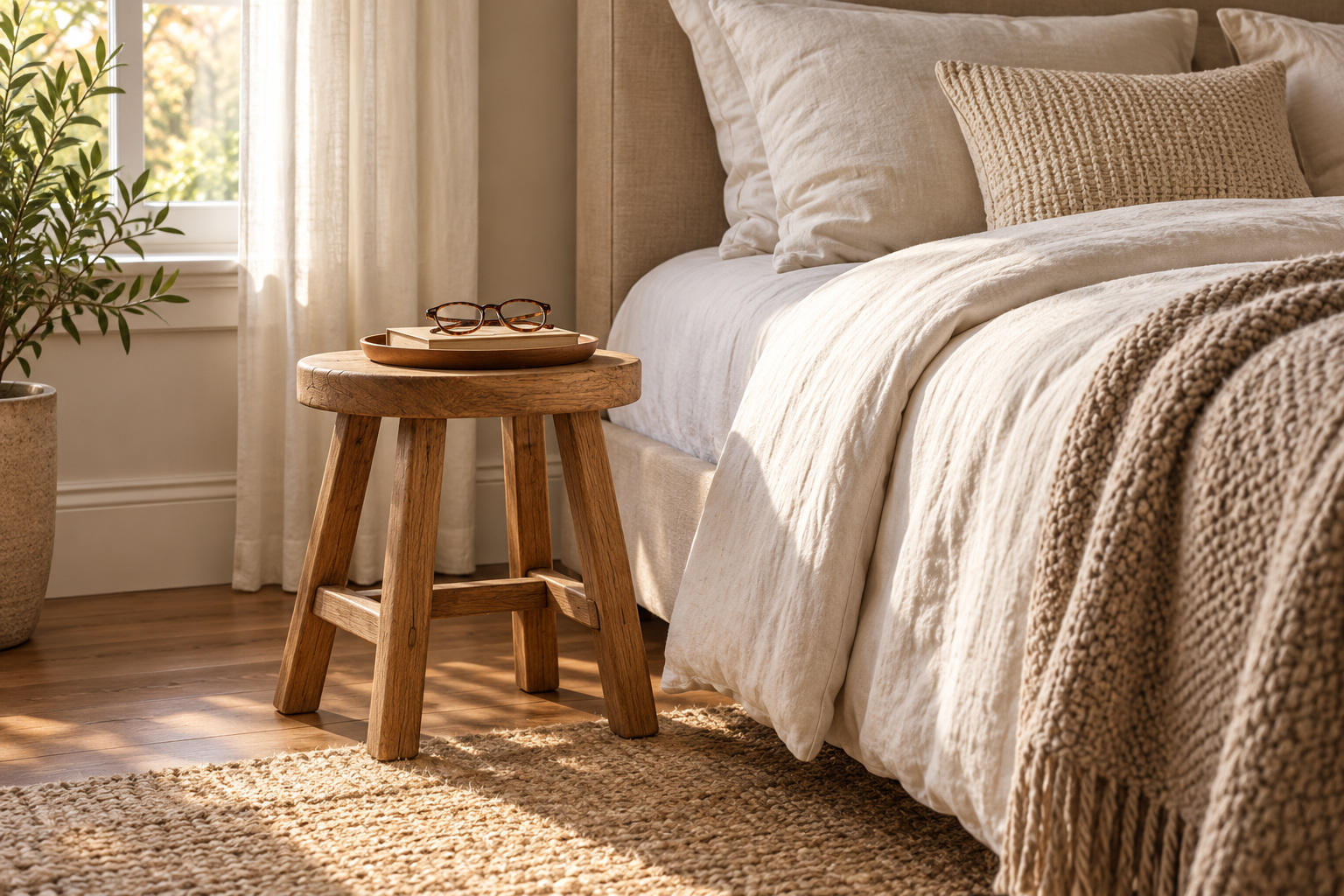
A sturdy wood stool makes a warm, uncomplicated bedside surface when you need only a few things. Choose a level seat with enough room for a small tray, and check that the legs sit steadily on your floor. A rounded seat can be easier to move around than a boxy cabinet.
Let the wood be the main material detail beside a linen duvet and a soft knitted throw. Keep the top simple so the stool stays easy to use. If you need enclosed storage or a large lamp, choose another option; a small stool is most useful when the bedside routine is already modest.
6. Try a Stable Ceramic Drum Table
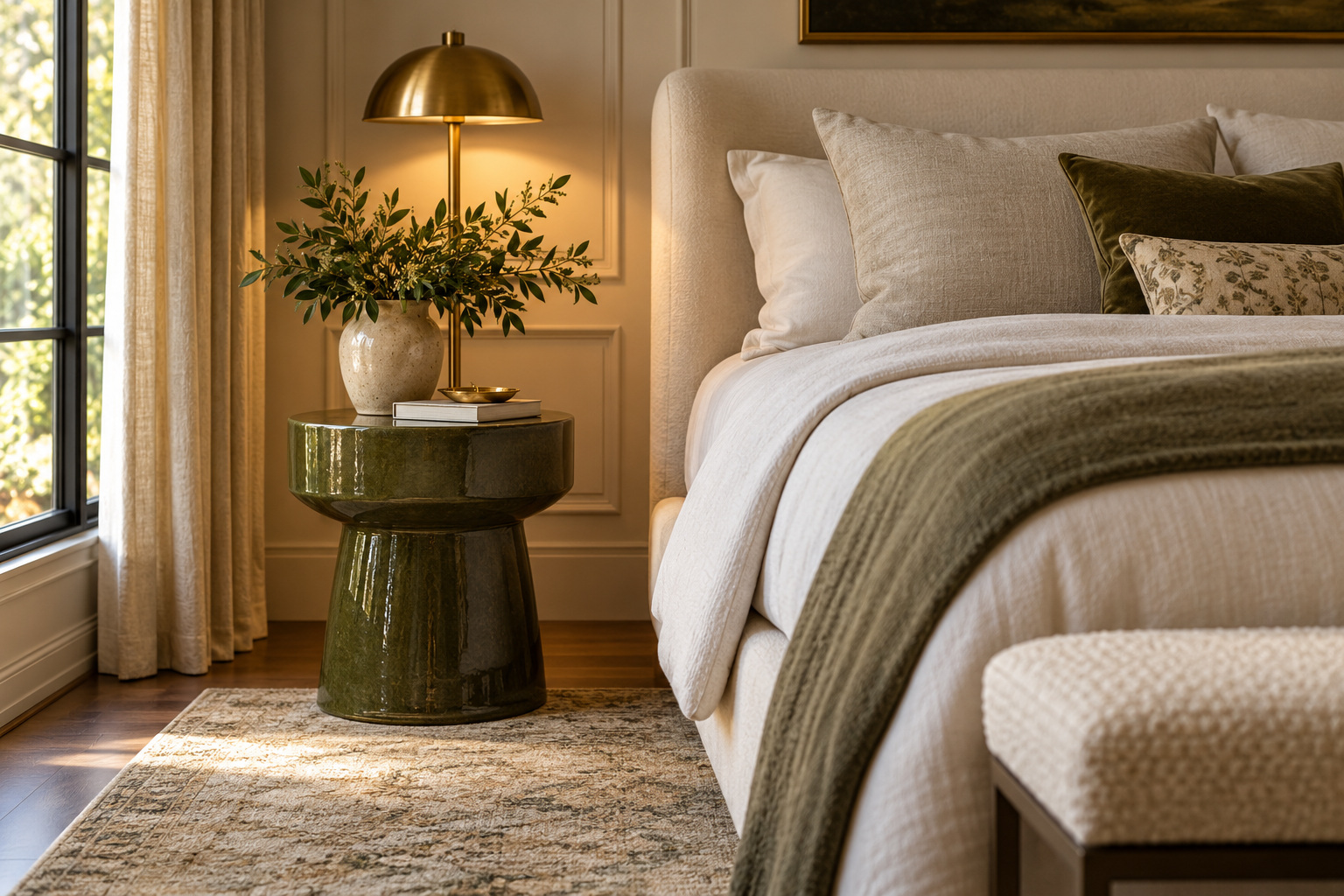
A ceramic drum table adds a sculptural shape beside an upholstered bed. Look for a flat top and a stable base, then compare the height with your mattress. A glazed surface and a simple silhouette can give the room a refined finish without a busy arrangement on top.
Keep the objects small and contained: a shallow dish for glasses and perhaps one book. The table itself provides the focal point. Check the maker’s intended use and care guidance; a decorative garden object is not automatically suitable for the job. Move a heavy piece carefully rather than dragging it across the floor.
7. Give a Flat Seated Chair a Bedside Job
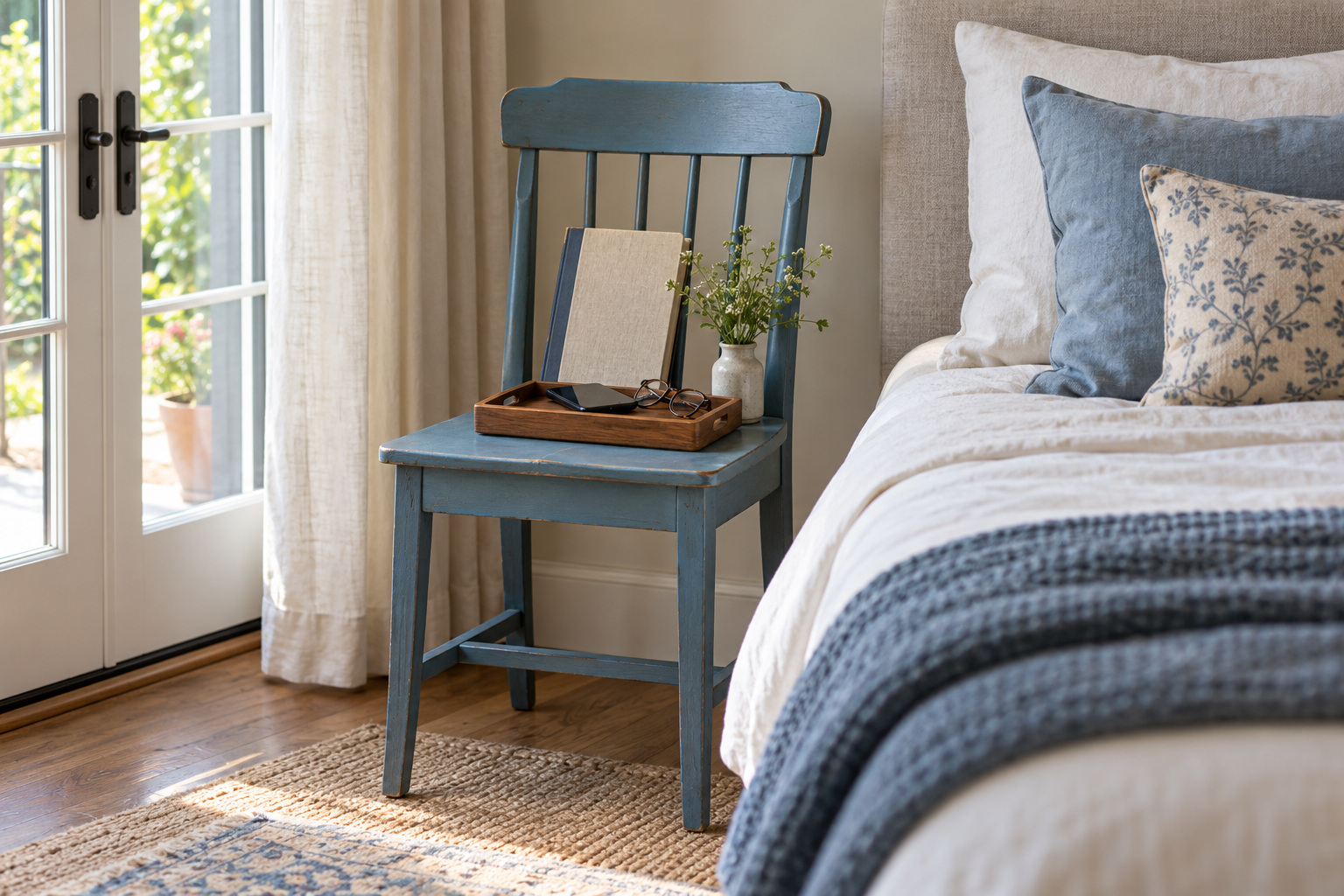
An unused chair can work beside the bed if it has a solid, level seat. The back creates a visual boundary for a book, while a small tray gives glasses and a phone a defined spot. Choose a chair that fits the gap without its back or legs obstructing curtains and doors.
A woven or curved seat is less useful for objects that need a flat surface. Keep a chair used this way free of laundry, which quickly removes the practical landing space. This is an easy way to try the layout with furniture you own before committing to a permanent bedside piece.
8. Use One Sturdy Vintage Trunk
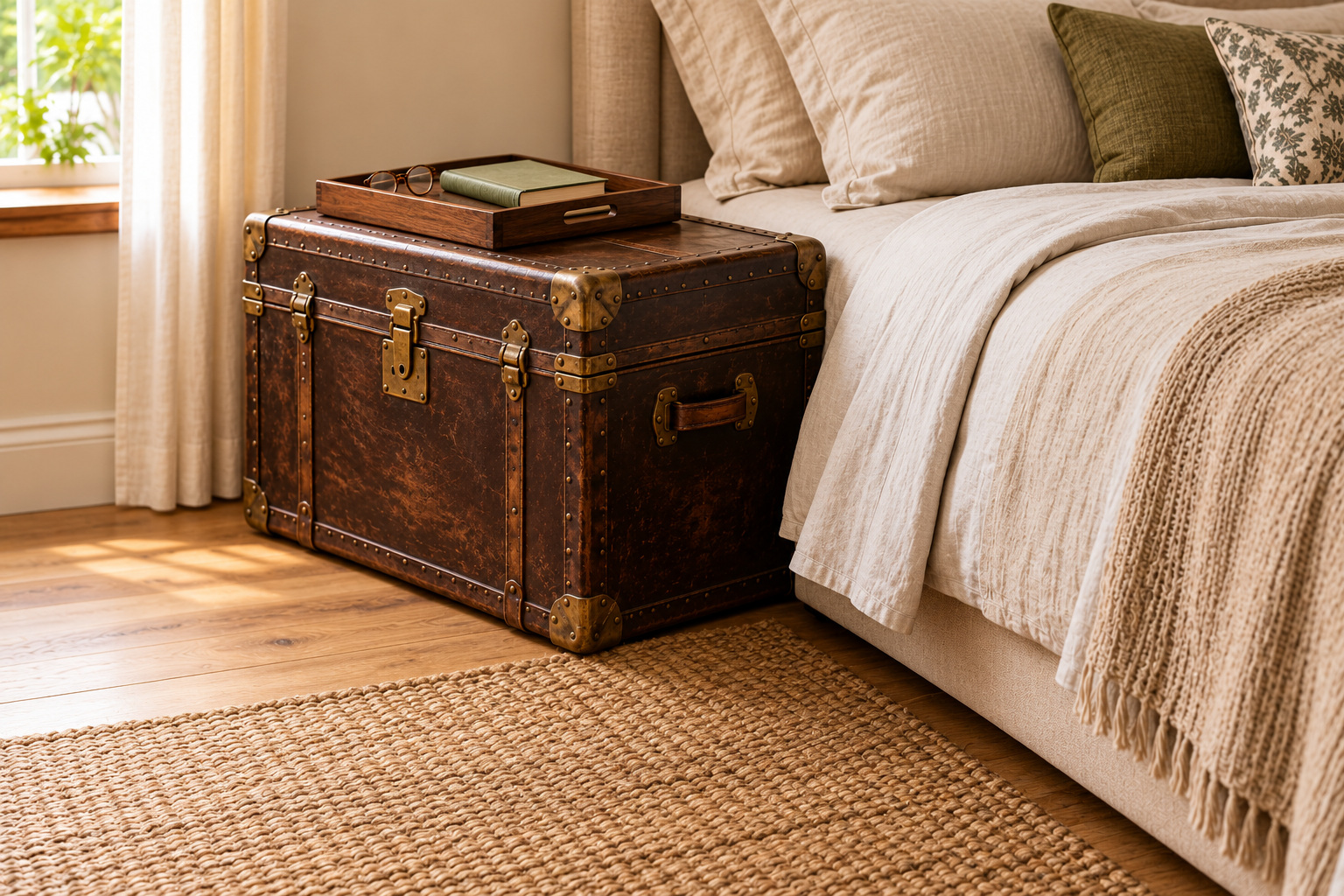
A single sturdy trunk can provide a bedside top and closed storage for things you do not need every night. Check that its lid is level and closes securely before using it as a table. A broad, flat top suits a shallow tray better than a stack of loosely balanced objects.
Store spare bedding or keepsakes inside, with daily essentials kept on the tray so you can lift them away before opening the lid. Avoid stacking trunks to reach mattress height. If the trunk is much lower or higher than your comfortable reach, use it elsewhere and choose a better-fitting bedside piece.
9. Stand a Narrow Bookcase Beside the Bed
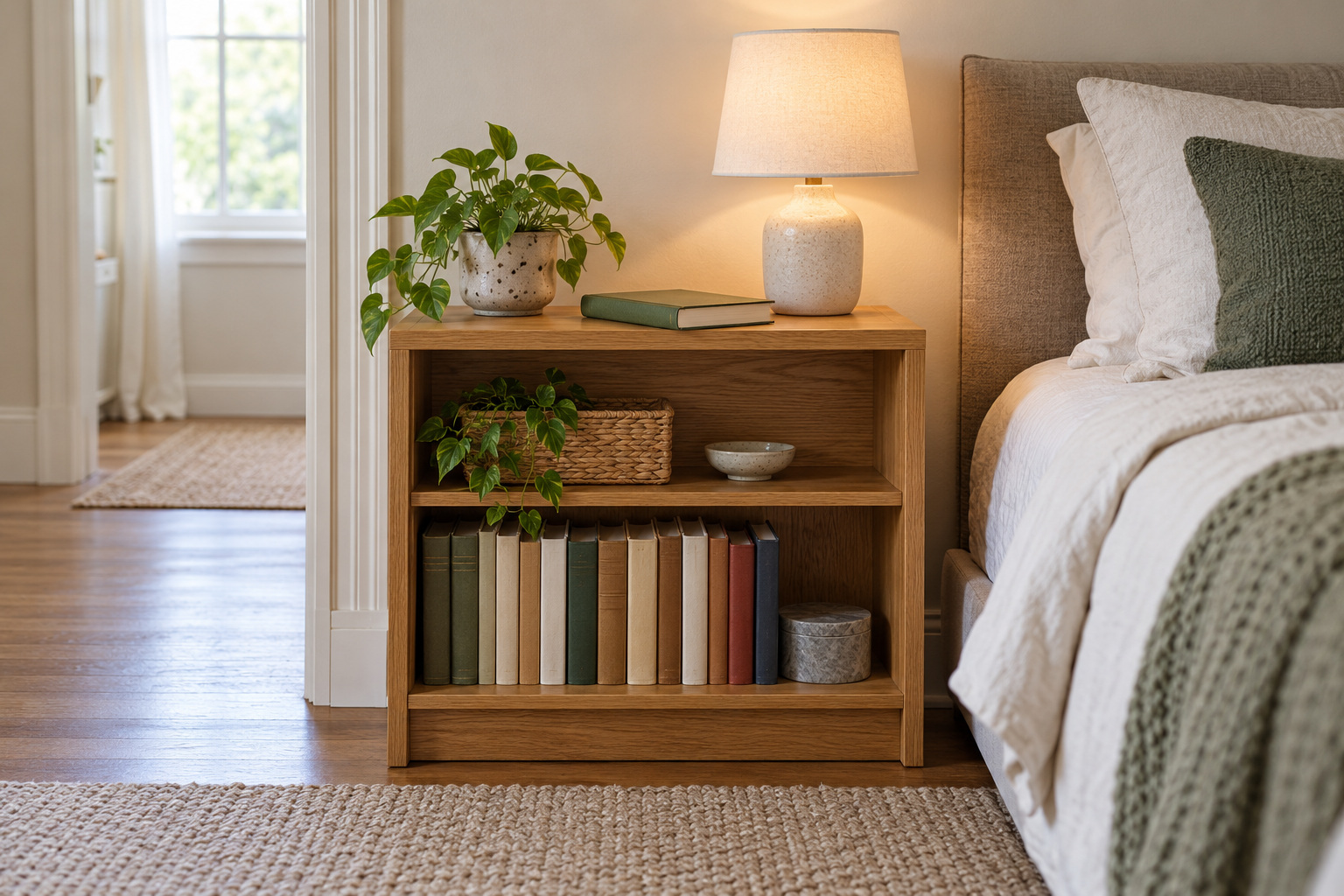
A low, narrow bookcase is useful when books take up more room than the usual phone-and-glasses combination. Put your current reading on the easiest shelf to reach, and use a lower shelf for the next few books. Leaving one clear top area prevents the piece from becoming an overflow pile.
Choose a unit with a height and depth that suit the mattress and walkway. Secure it as directed by the manufacturer, particularly if it is tall or has a small footprint. A bookcase gives visible storage, so a restrained collection usually works better than filling every shelf to its front edge.
For storage beyond the bedside, explore our small bedroom storage ideas.
10. Park a Small Locking Cart Within Reach
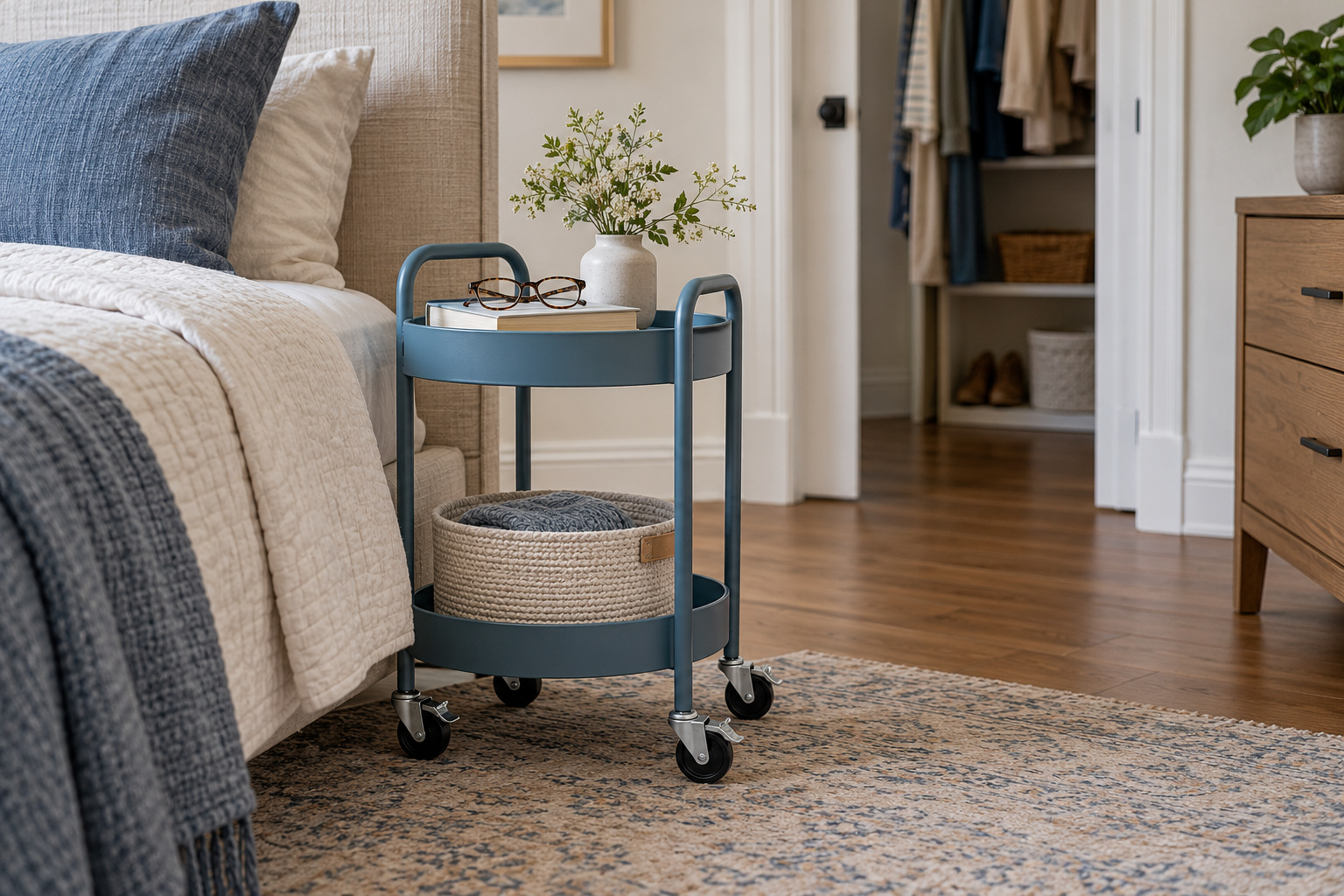
A compact cart suits a bedside setup that needs to move for cleaning or occasional access to a closet. Choose a stable cart with locking casters and a top tray that keeps small items contained. Use the lower level for a basket of supplies you want nearby but do not need to see from bed.
Lock it in place for use, and check that its handle and wheels do not project into the walking route. Keep cables from pulling on the cart when it moves. This can replace a bulky stand in a room where the useful gap changes, without pretending that a rolling piece is fixed furniture.
11. Let a Compact Desk Serve Two Purposes
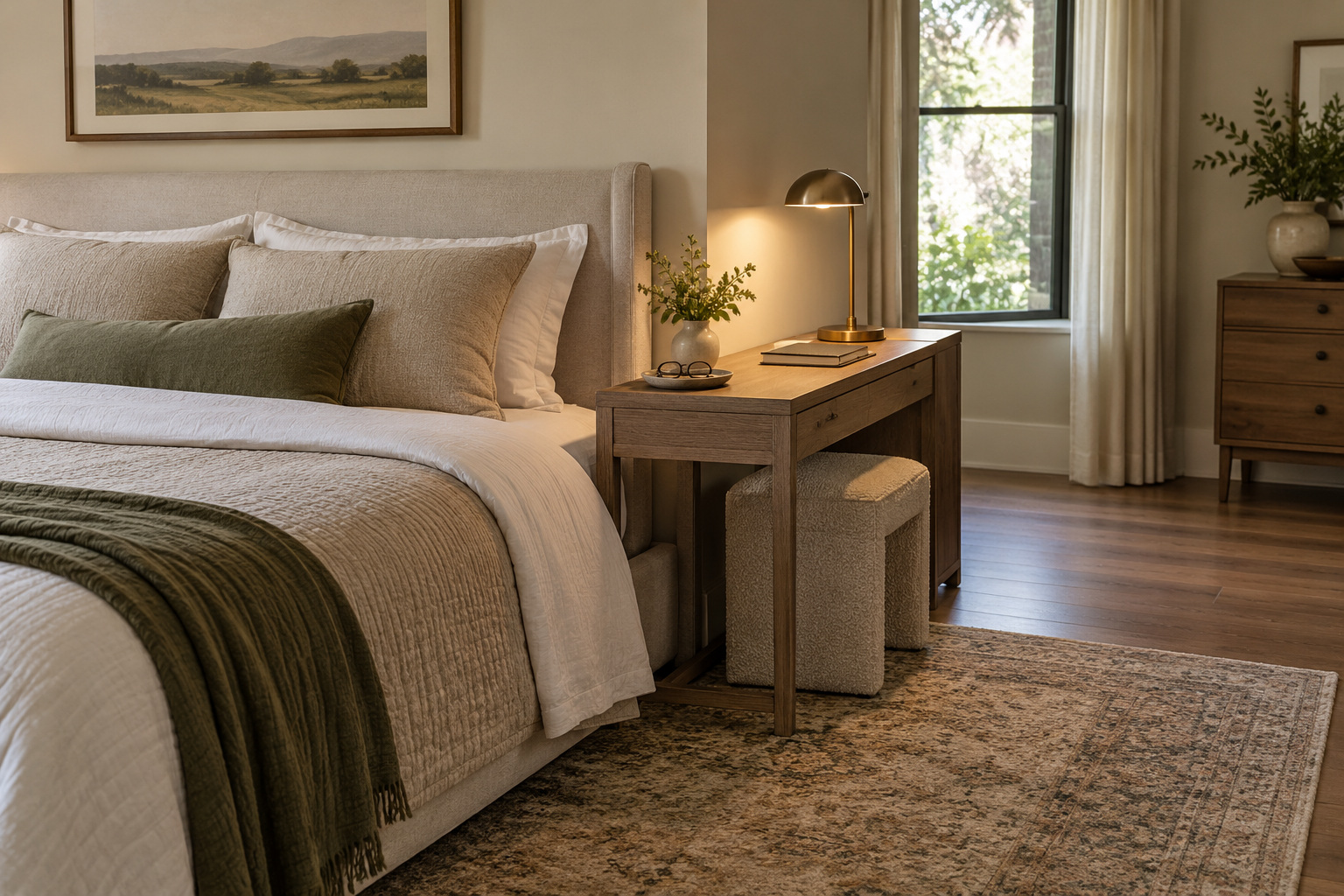
A small desk can take the place of a nightstand when the bedroom also needs a writing or getting-ready spot. Put its nearest end within reach of the bed and keep that end available for nighttime essentials. A chair or stool should tuck fully underneath when you are finished.
Measure the desk with the seat pulled out, not just pushed in. The layout needs to work during the day as well as at bedtime. A shallow organizer can separate writing supplies from bedside items, while a wall mirror or small task lamp gives the desk its daytime purpose without covering the entire surface.
12. Share the End of a Low Dresser
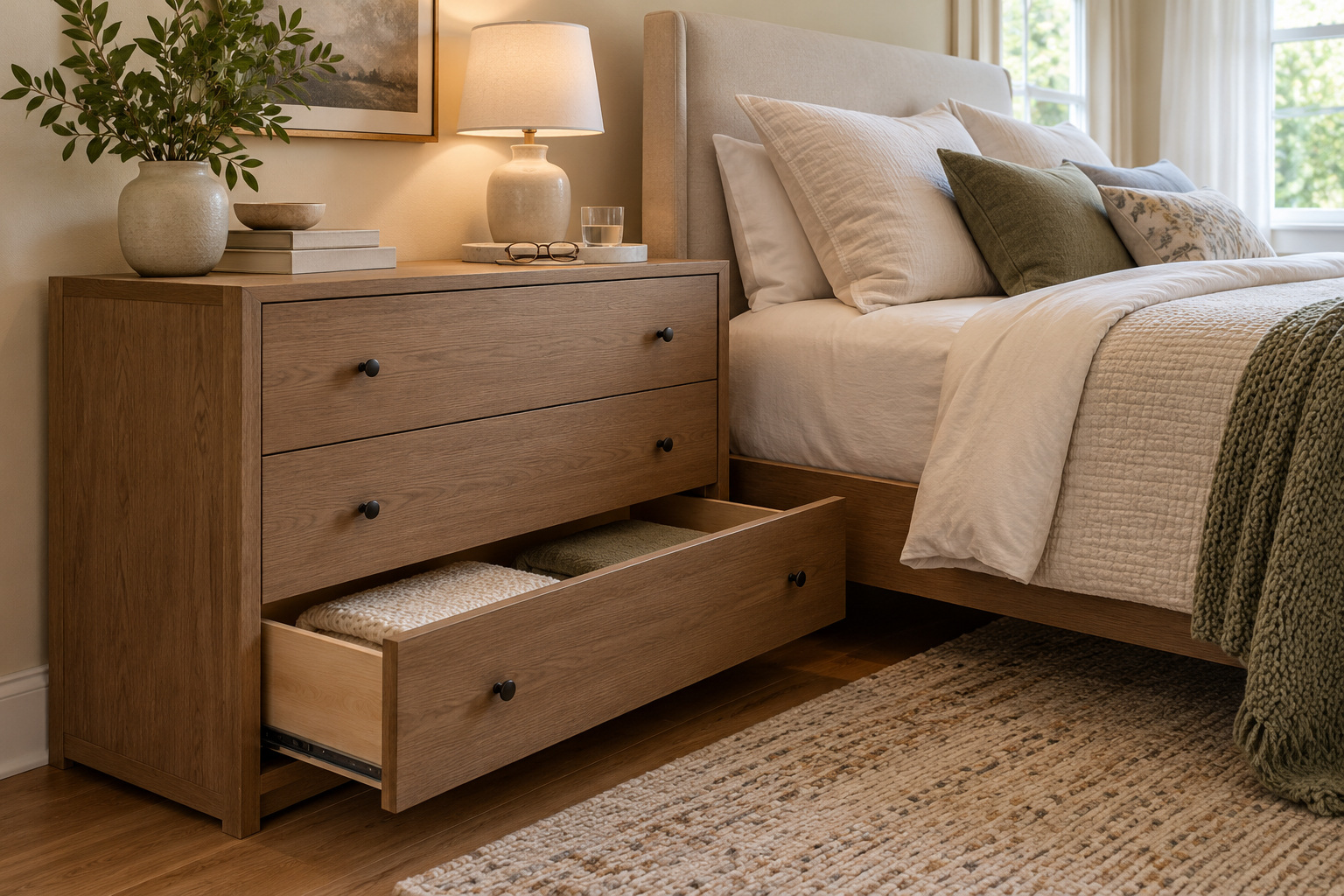
If a low dresser already fits beside the bed, its nearest end may handle the nightstand job too. Reserve a small tray at that end and give the rest of the top a separate role. This avoids adding another piece of furniture simply to repeat a surface you can already reach.
Check that the drawers open past the bed frame and that you can comfortably reach the top while lying down. A tall dresser rarely works well for this purpose. Keep the arrangement to one bedside zone rather than spreading nighttime objects across the full width of the dresser.
13. Slide a C Table Toward the Mattress
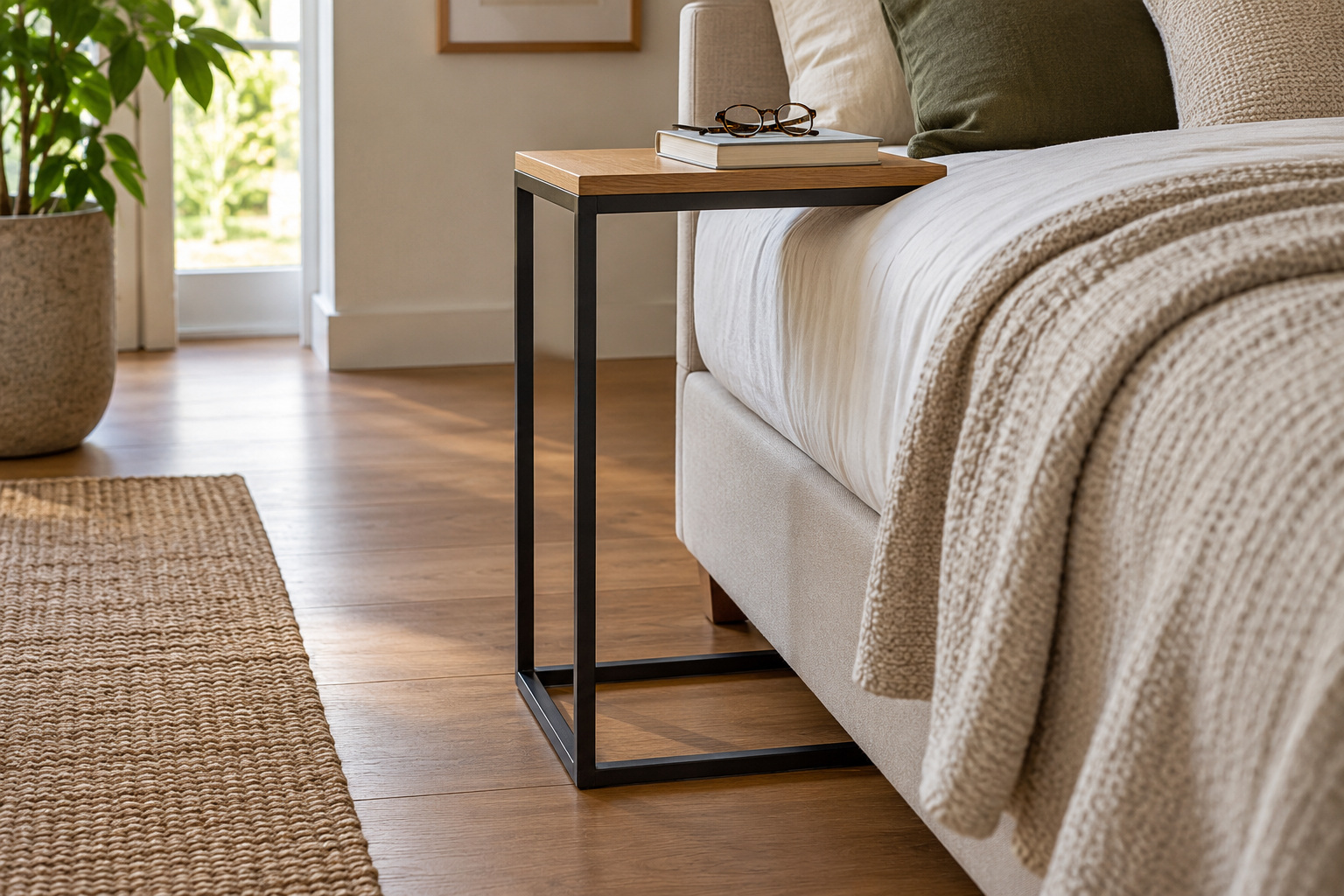
A C table can bring a small surface closer when the floor gap beside the bed is awkward. Its base needs to slide beneath the frame, while the top should sit at a comfortable height beside the mattress. Check both clearances before choosing one; a low platform bed may leave no room for the base.
Use the table for a light book, phone, or glasses rather than leaning on it as support. Keep the base out of the route you use to stand up. A slim metal frame and wood top can look quiet in the room while making the usable surface easier to reach.
14. Separate a Pair of Nesting Tables
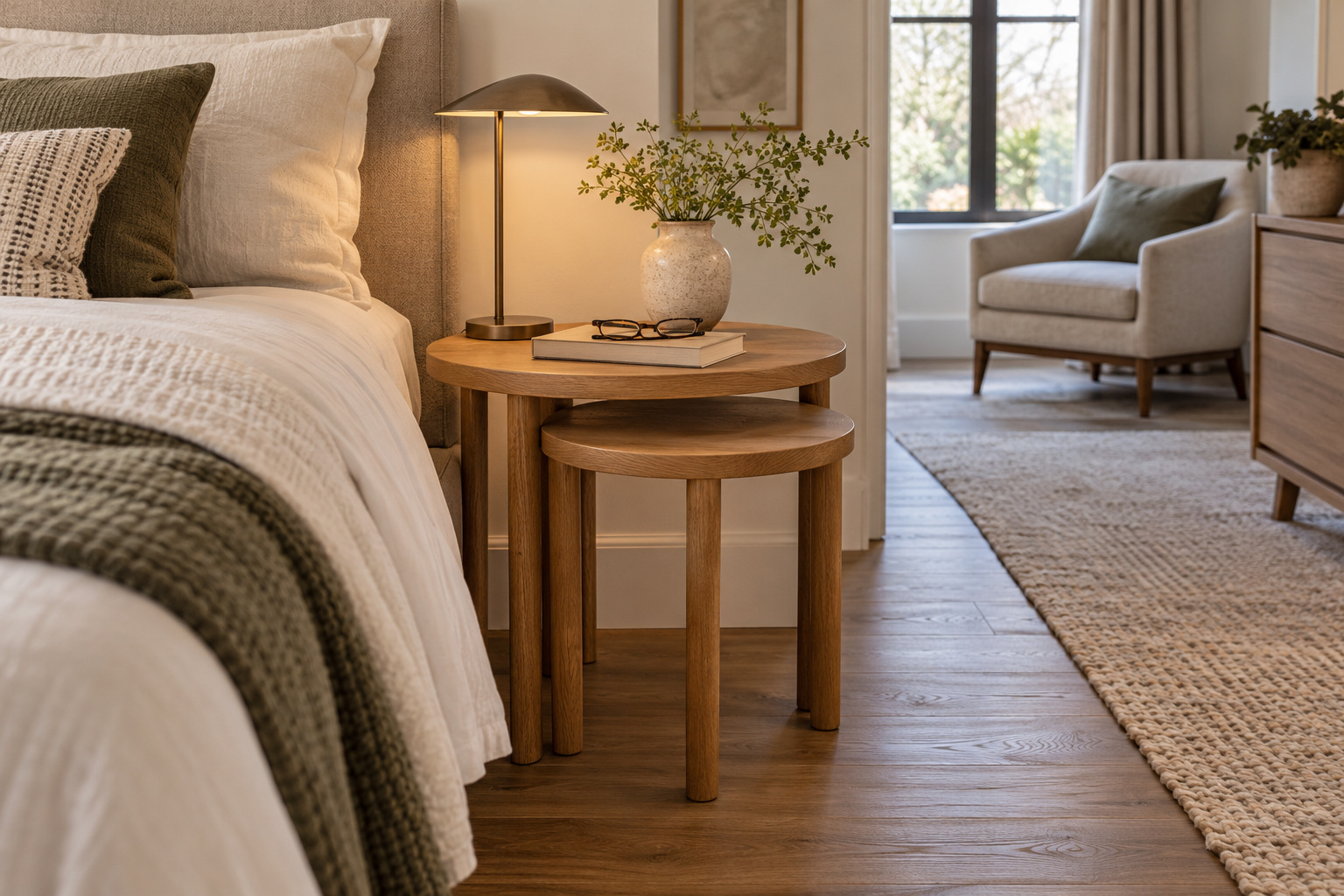
Nesting tables give a small bedside setup an occasional extra surface. Use the main table for the nightly items, with the smaller one tucked underneath until you need it. The second piece can move to a chair elsewhere in the room rather than staying permanently beside the mattress.
Choose tables that sit steadily when used separately, and check that both heights work for their intended places. Keep the usual bedside footprint to one table. Pulling the smaller piece out into a narrow walkway defeats the reason for choosing a nesting set in the first place.
15. Hang a Fabric Bedside Pocket
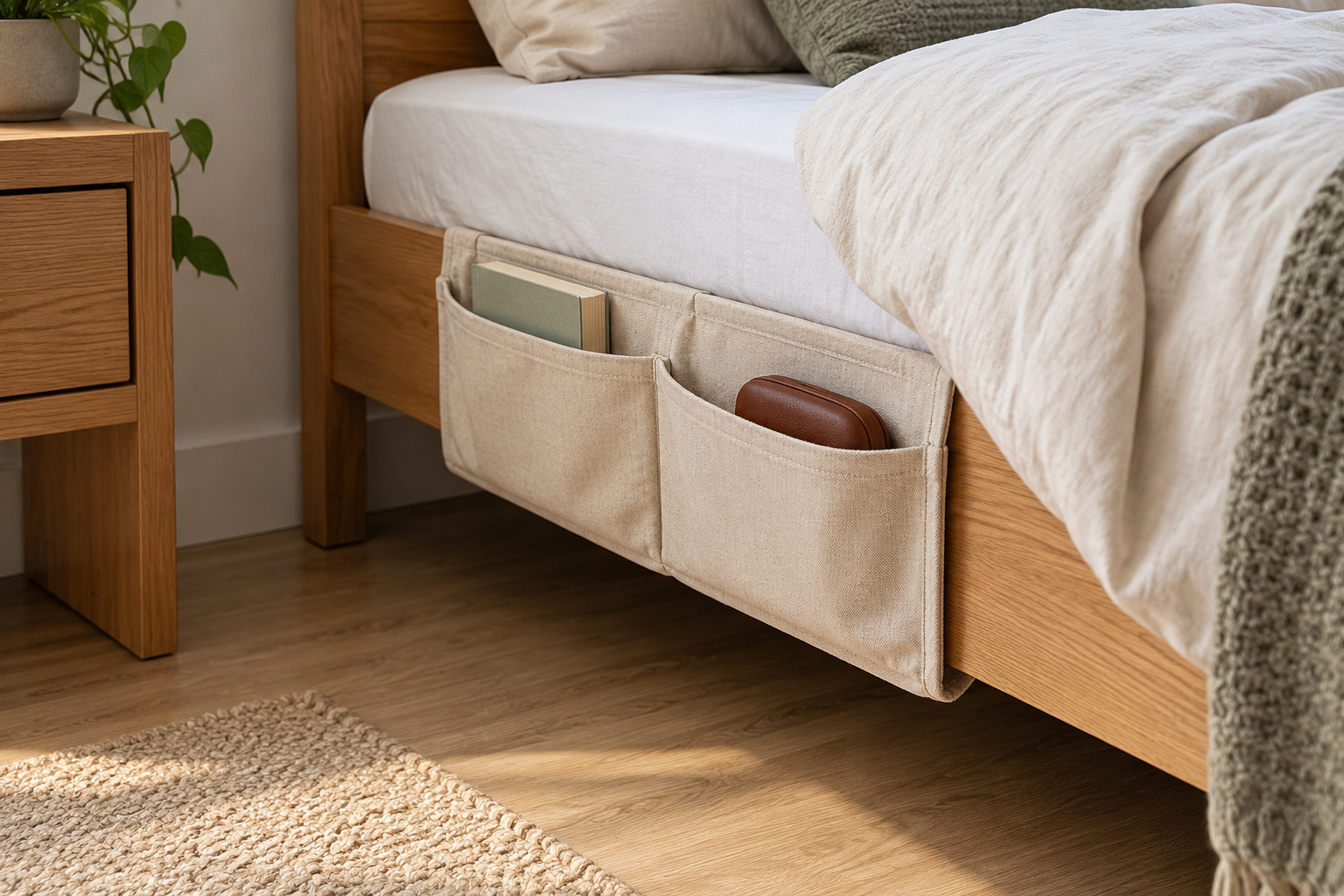
When you need storage more than a tabletop, a fabric bedside pocket can hold a paperback, glasses case, and other light essentials. Choose a design made for your bed type, with a fixing method that stays in place as the bedding moves. Keep the openings visible and reachable rather than burying them beneath the duvet.
This option leaves the floor clear but does not replace a hard surface for a drink or lamp. Avoid overfilling the pockets, and keep them away from moving frame parts. A simple canvas version can blend with the bedding while giving the few items you need a consistent home.
The best nightstand alternative is the one that fits your reach and your routine. Choose a small surface for a few essentials, a drawer for things you want hidden, or a pocket when you do not need a tabletop at all. Test the arrangement from bed and from the doorway before adding decorative objects.
Discover more from HomeTrendora
Subscribe to get the latest posts sent to your email.