A small space is easier to organize when you can find what you need and put it back in one move. Start with a place that fills up most days, such as the entry, a bathroom counter, or the drawer beside the TV. See what you reach for there and how far you have to go to return it.
These 14 small-space organizing ideas work with ordinary closets, drawers, and shelves. Measure the room an item needs to open, come out, and go back before adding another container.
1. Give Incoming Items One Place to Land
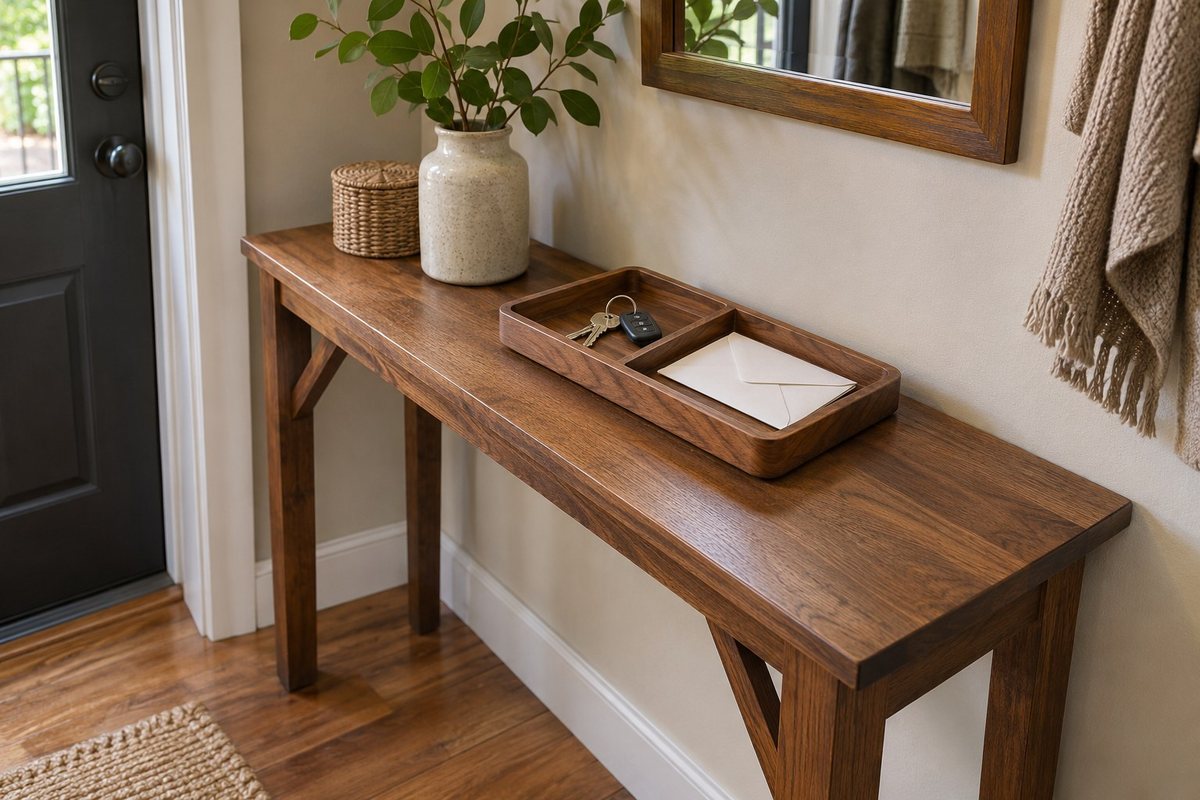
Give the things you carry in a small place to land close to the door. A shallow tray can hold keys and one or two envelopes without using the whole top of a console. Choose a spot you can reach while holding a bag. Leave the rest of the surface available to set something down for a moment.
Keep the landing place small enough to see what is in it. When the papers start piling up, take them to where you read, recycle, or file them. Give the keys one corner so they have the same place to go each time. A tray earns its spot when you can pick things up again without searching through it.
2. Store Daily Shoes Where You Take Them Off
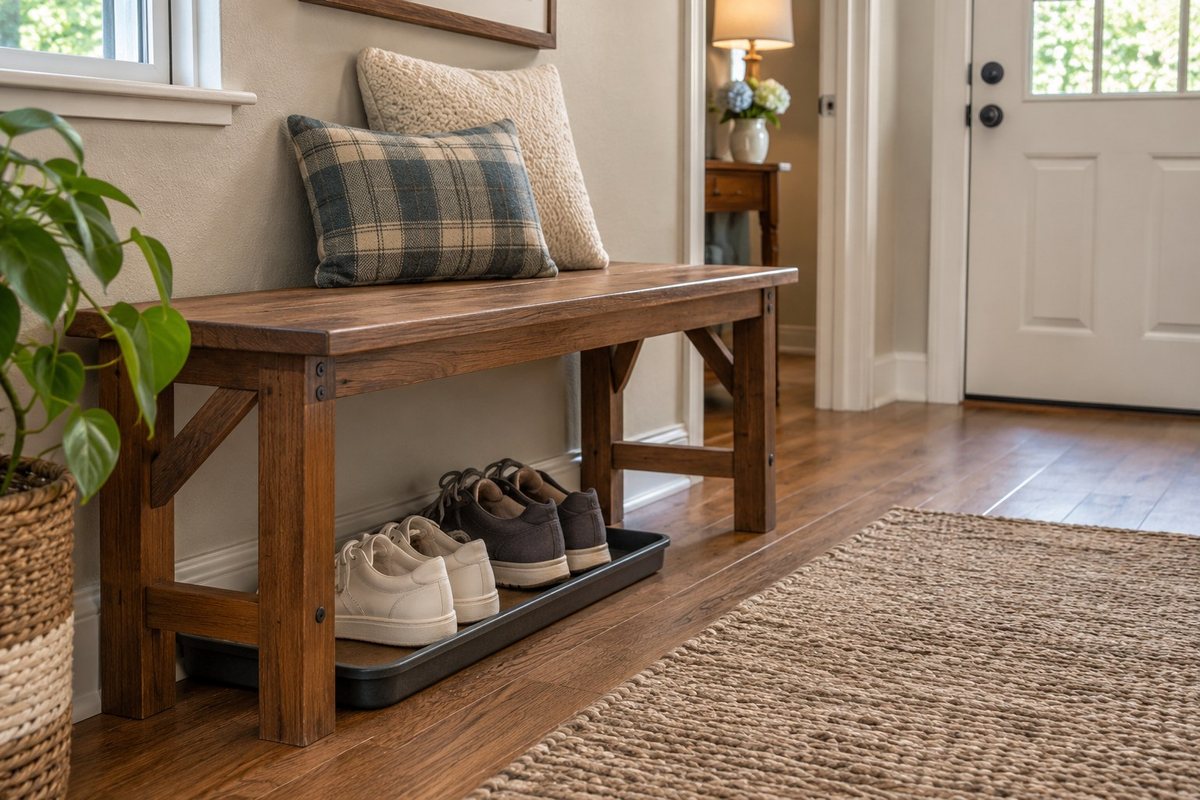
Store the shoes you wear most where you already take them off. A small tray beneath a bench can hold two daily pairs without taking up the walking route. Try placing the tray on the side you naturally reach from the seat. Keep each pair together so you can put it on without shifting other shoes.
Measure the depth under the bench and test the tallest pair you want to put there. Leave room to lift the shoes out, and keep the tray clear of the door or the part of the bench where your feet go. Move the shoes you wear less often farther into a closet. The tray works best when it holds only the pairs that come out regularly.
3. Give a Shallow Drawer Fewer Divisions
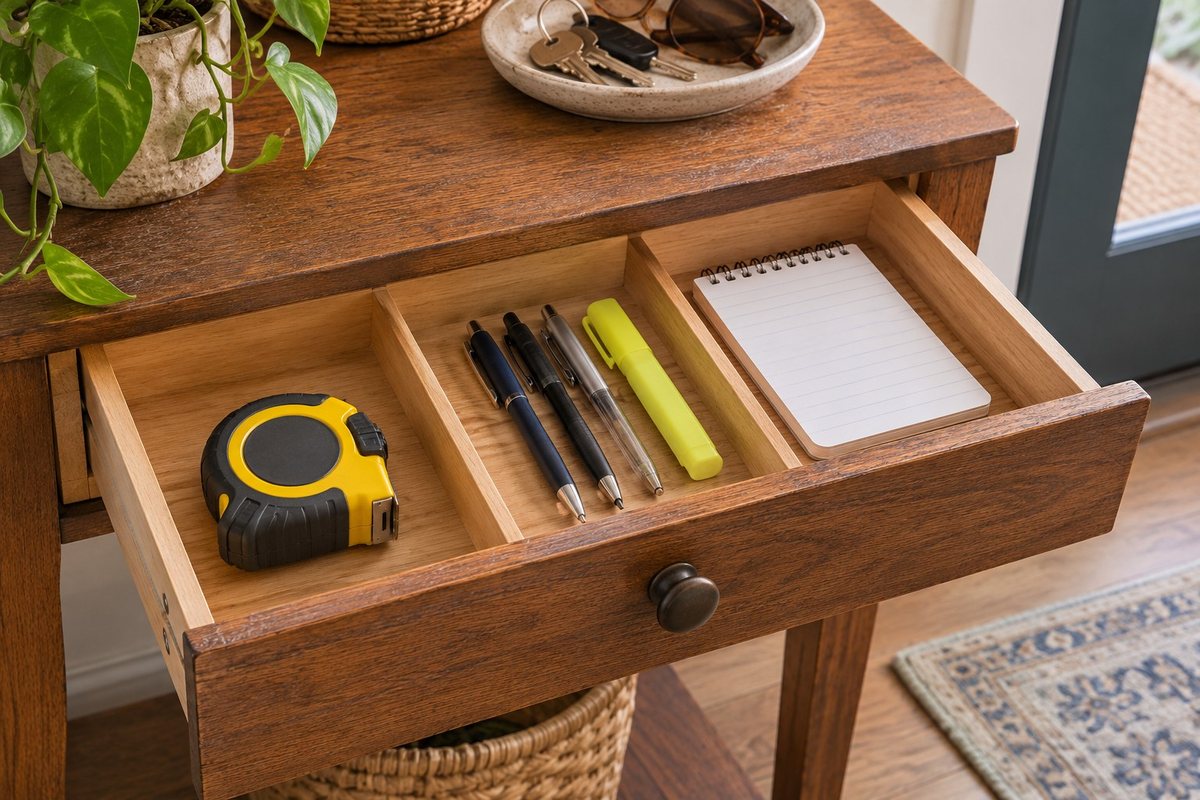
Start with the objects you need from a shallow drawer and arrange them flat. A tape measure, a few pens, and a small notepad may fit best in three broad sections. Give each section enough room to get your fingers around what you pick up. Make sure the drawer closes over the tallest object.
Use a divider that fits the drawer, or try a couple of shallow containers you already have. Check the width at the drawer opening as well as inside the sides. If an item keeps landing across two sections, move one divider and give it more room. A simple drawer can hold more useful things when each space suits what goes in it.
4. Lift Out One Small Bathroom Routine
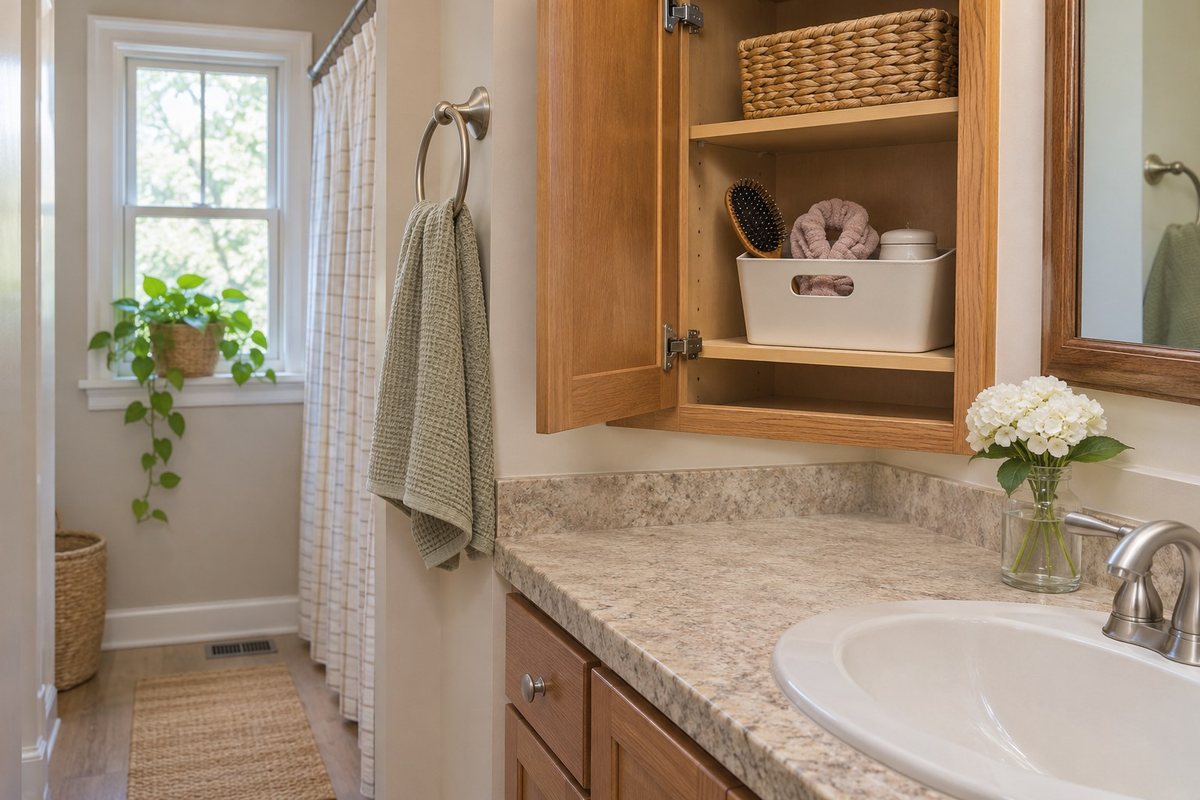
Make one small bin for the items you use together at the bathroom sink. A hairbrush, headband, and one everyday product can sit inside a shallow handled container. Bring it out when you need it and return it when you are done. The sink edge stays clear for washing and wiping down.
Put the bin on the shelf you can reach most easily, with its handle toward the opening. Test the fit with the cabinet door open and the tallest item inside. Choose a container that is easy to clean and keep wet tools where they can dry according to their care directions. A smaller bin is easier to carry with one hand.
5. Put This Week’s Clothes on the Easiest Part of the Rail
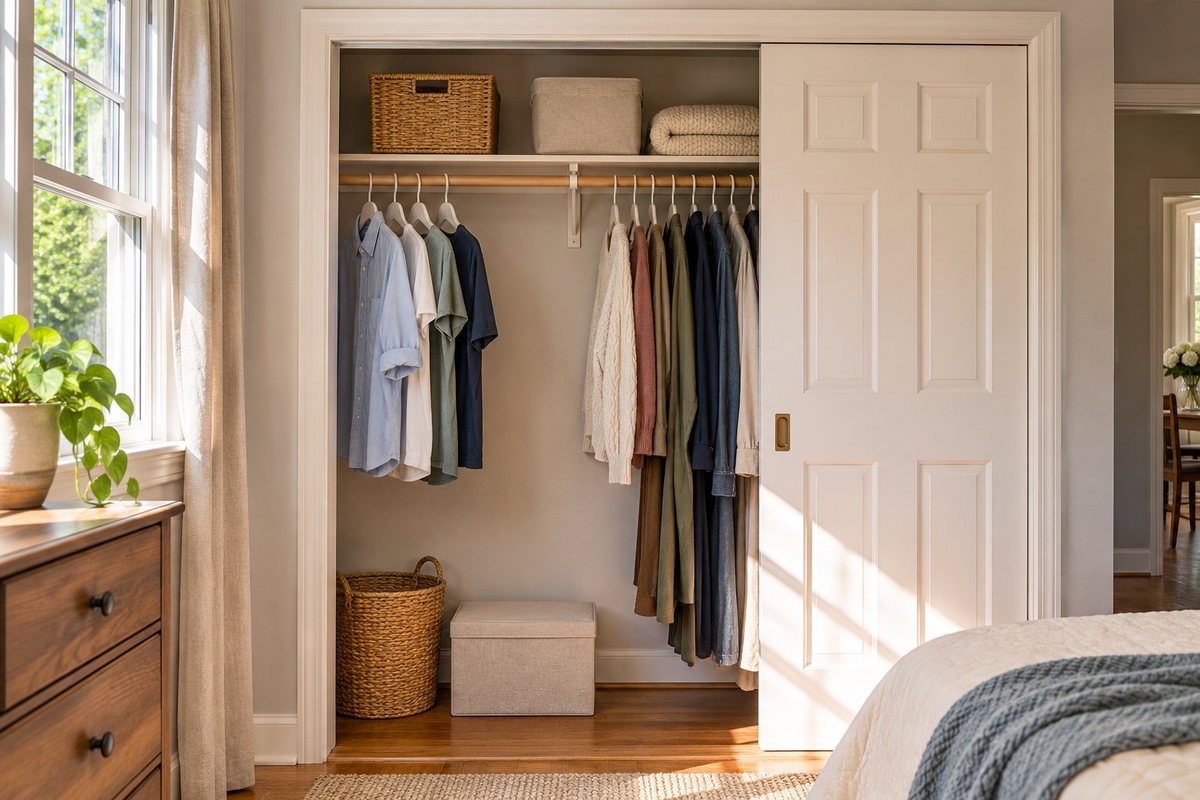
Use the easiest section of a closet rail for the clothes you expect to wear this week. Put several shirts or outfits where you can see them when the door is open. Leave a little space before the next group so you can move hangers without pushing the whole rail along. Keep less-used clothing in the part you reach less often.
Watch how you use the rail over a few days. If you reach for clothes on the left every morning, put the week’s group there. Move a little-used coat or a spare hanger to another spot. Your hand should be able to reach the front item without crossing a stack of folded clothes or lifting another hanger first.
6. Use a Shallow Over-Door Organizer for Small Daily Items
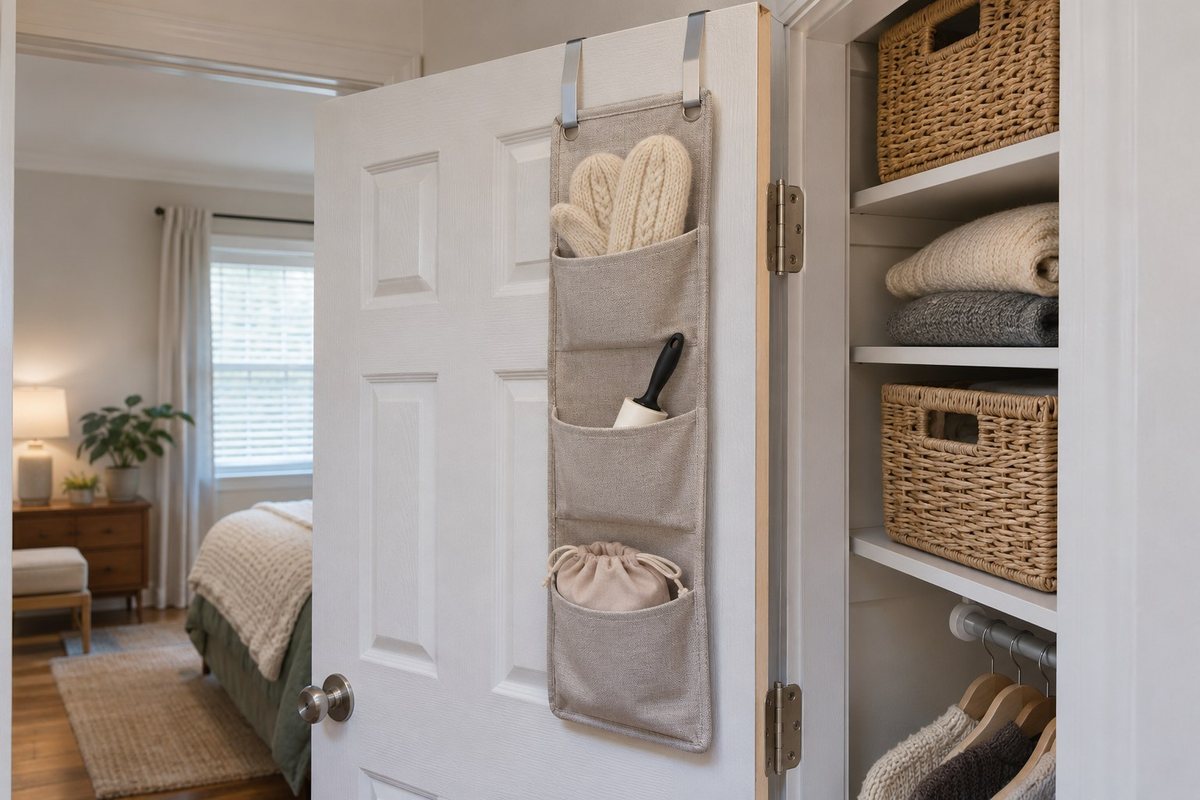
Use shallow pockets on the inside of a closet door for things that are light and easy to grab. A pair of mittens, a lint roller, and a soft pouch can fit in separate pockets. Put the items you reach for most at a comfortable height. Give each pocket enough room for a hand to slip in and take one thing out.
Measure the door thickness and the clearance above it before choosing any over-door hooks. Check the available space behind the door with the organizer filled, including room around the latch and nearby shelves. Follow the organizer maker’s fit and load instructions. Open and close the door before making the pockets part of your daily routine.
The 4.5-inch-deep Simple Houseware over-door organizer can group mittens or other light daily items if its hooks fit your door. Check that the door closes fully and swings freely with the pockets filled.
Explore 4.5-inch-deep Simple Houseware over-door organizer (paid link)
7. Keep One Straight-Out Box Under the Bed
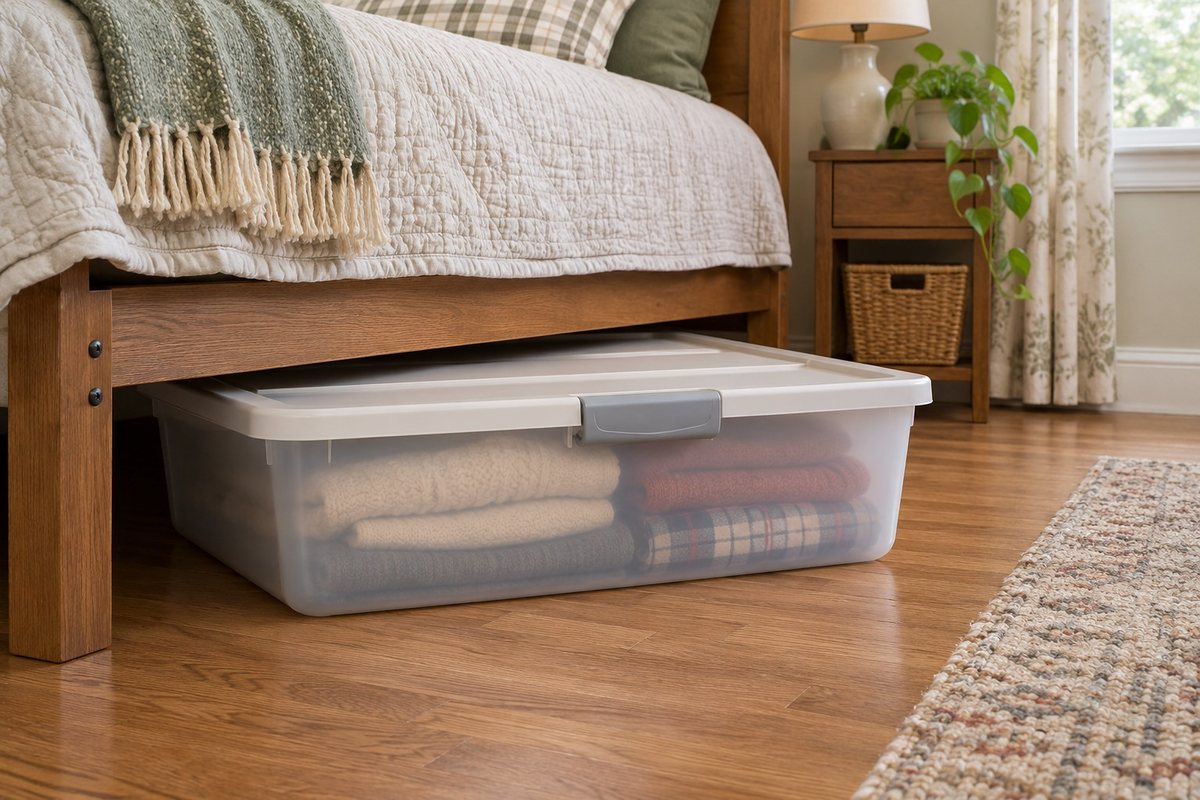
Use one low box under the bed for something you need only occasionally, such as off-season clothes. Measure the lowest part of the frame and check for a center leg or a low rail before you choose a container. Leave space in front so the box can come straight out and the lid can open.
Use a handle you can reach without moving a nightstand or folding the rug. Test the box with something inside so you know how it feels to move. Keep the contents in one group and put the box on the side where you can get to it. These small room makeover ideas give more ways to organize a bedroom with limited floor space.
8. Give Each Laundry Sort One Small Bag
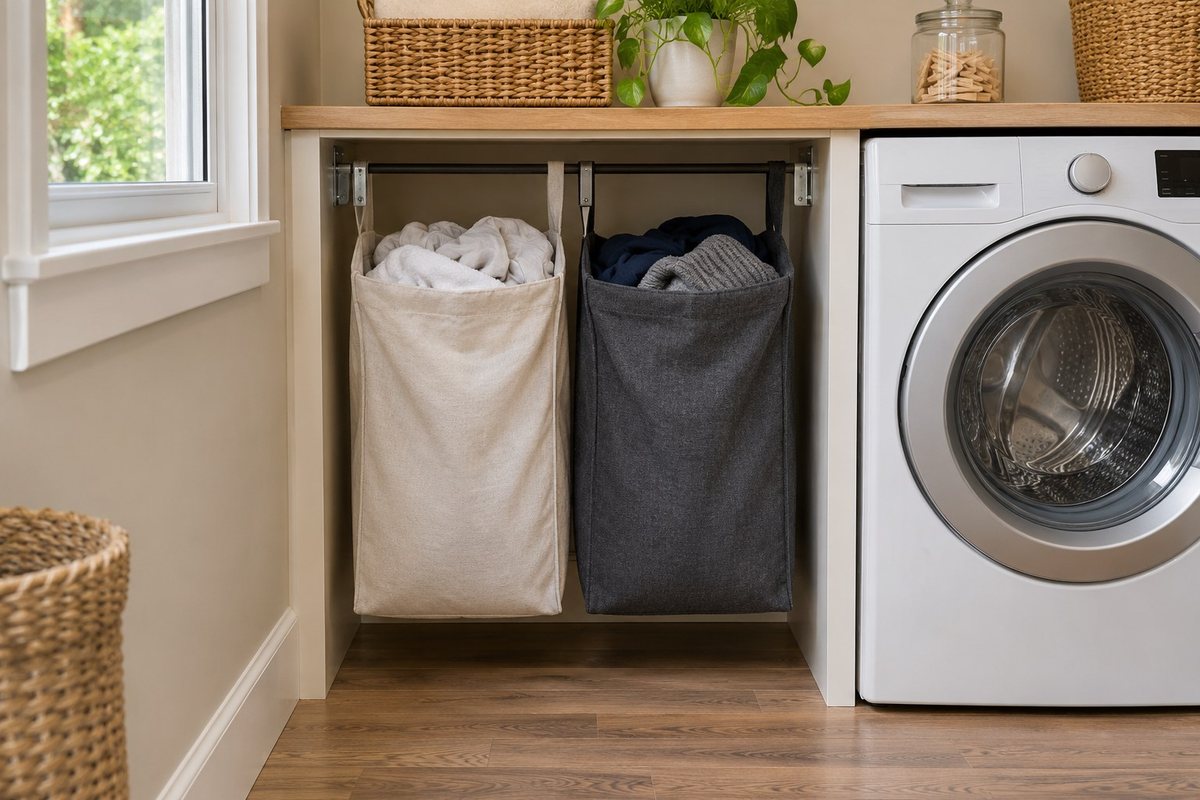
Give the laundry categories you actually use one small bag each. Two narrow washable bags can fit side by side on a shelf or in a supported cabinet bay. Put them within reach of where clothes come off or where you load the washer. Leave enough room to lift a full bag without bumping a shelf or door.
Check the sort on an ordinary laundry day. If one bag fills much sooner, use more of the available width for that group. Leave the washer and its controls clear, including the area you need when its door is open. A small sort works when moving a load takes one short trip.
9. Stand Cookware Lids in a Short Row
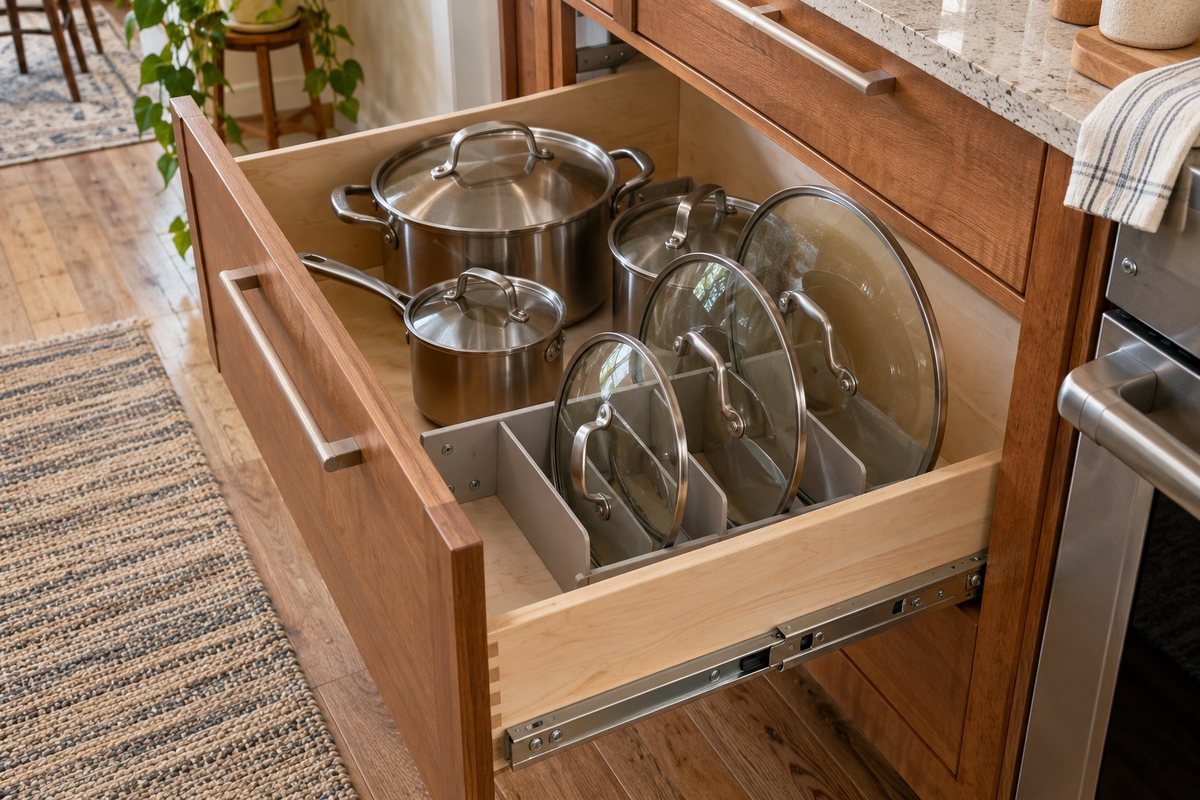
Put cookware lids on edge in a short row if you can find a supported space for them. Try the deepest part of a drawer or a cabinet with a purpose-made divider. Measure the tallest lid, including its handle, while it sits upright. Check that the drawer can open and close without any lid catching on the opening.
Start with the lids for the pans you use every week. Make sure you can lift each one clear with your hand around its handle. Put spare lids somewhere else if they crowd the row. These smart kitchen storage ideas show other ways to make cookware and nearby cabinets easier to use.
10. Give Unplugged Media Gear a Separate Spot
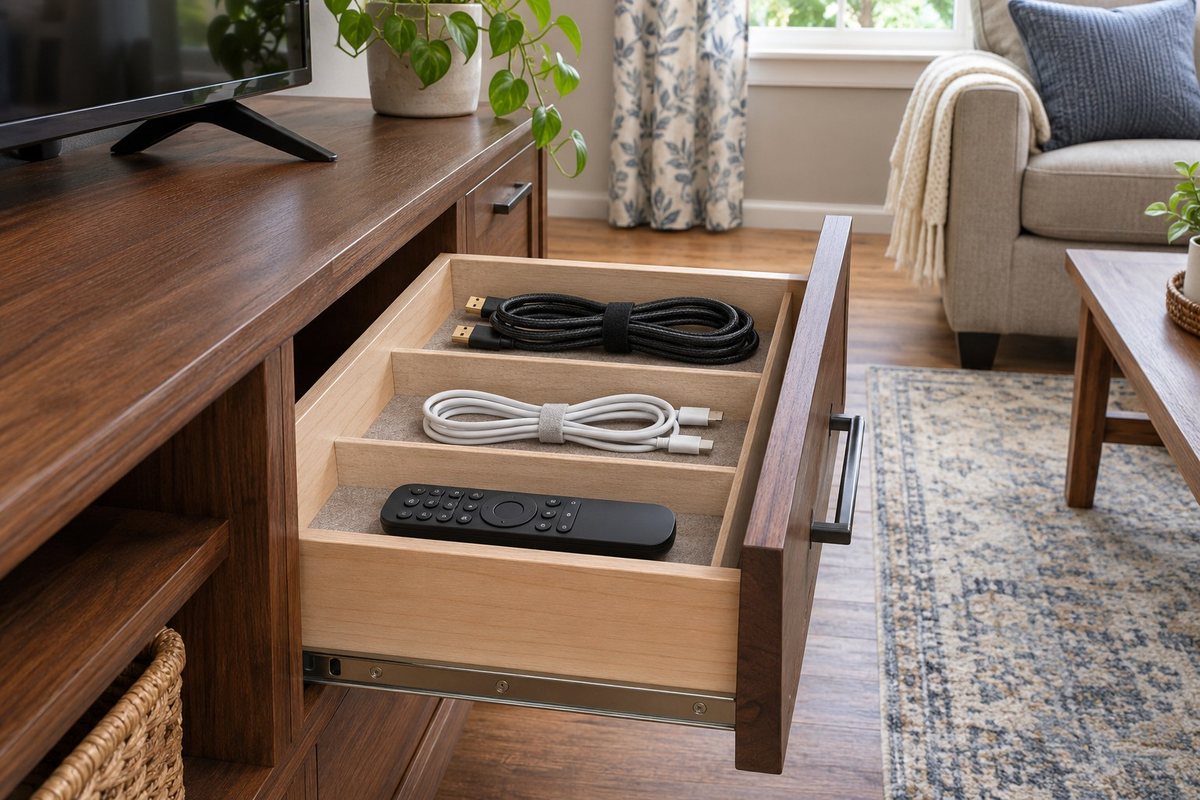
Give spare disconnected cords, a remote, and a controller their own small drawer or bin near the TV. A low divider can keep the remote from slipping under the cords. Put the things you use most close to the front and leave room to lift them out. A small set of accessories can be easy to put away when everything has an obvious spot.
Keep active equipment where its instructions allow room for access and ventilation. Store spares separately and identify the cables you still use before sorting them. If you have a few devices to organize, these living room media storage ideas cover layouts for the equipment as well as the accessories.
11. Keep an In-Progress Project on One Shallow Tray
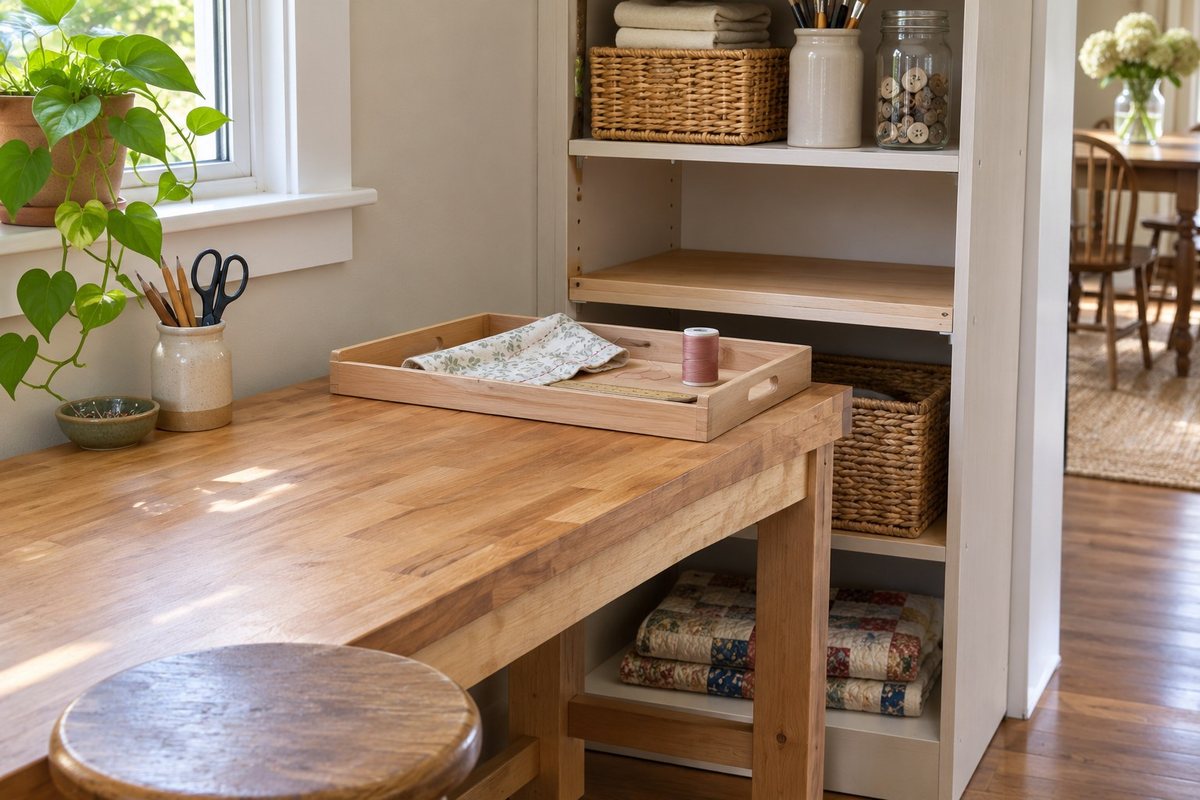
Use a shallow tray to keep the current parts of a small craft or repair together. Put a fabric piece, spool, and measuring tool in it so you can clear the desk without losing your place. Choose a tray you can carry flat, with enough room for the longest item you need. Keep the rest of your supplies in their usual storage.
Measure the shelf where you want to put the tray while the project is still going. Leave room to lift it out without tipping the contents. If the project grows beyond the tray, keep the current step there and return the extras to the storage bin. This works well when the worktop has more than one job.
12. Set Out One Small Basket for Things to Return
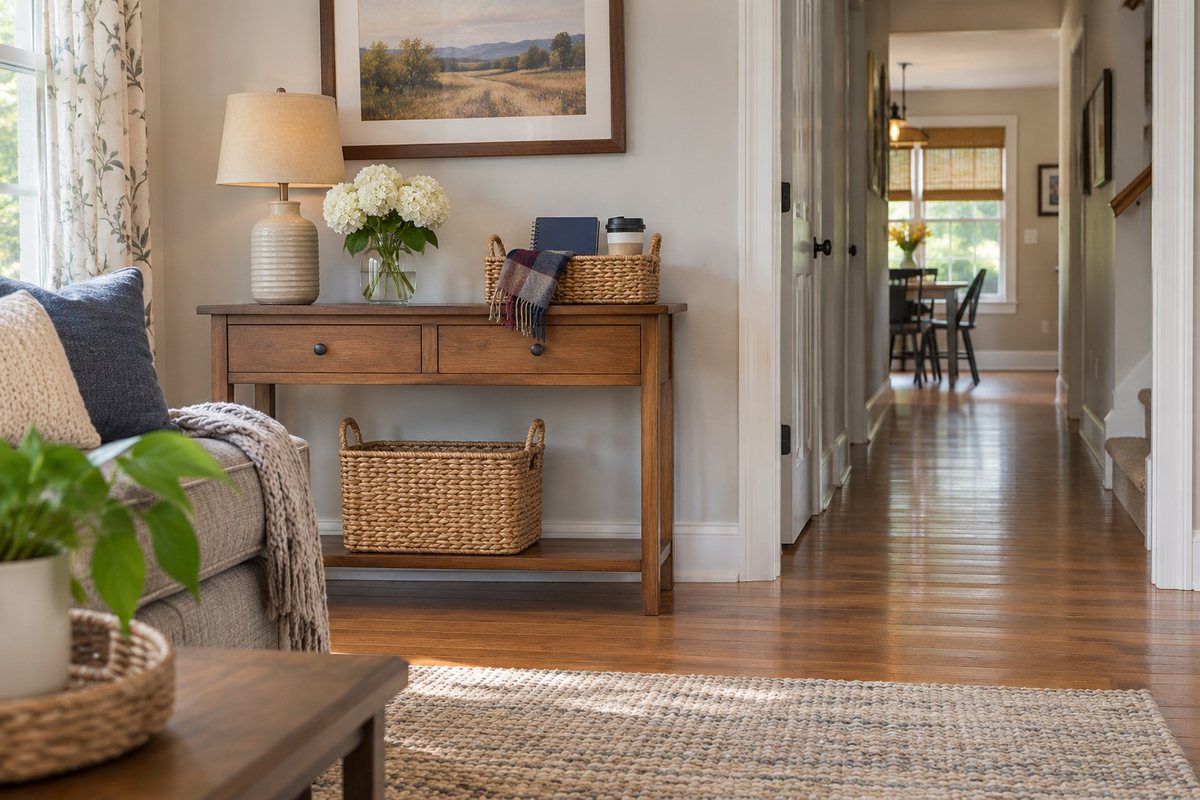
Put a small basket near the place where things tend to gather when they belong in another room. A scarf, a notebook, and a cup can wait there until someone goes that way. Keep the basket off the floor and choose one you can lift easily. Its size gives the temporary pile a clear limit.
Empty the basket as part of an existing routine, such as going upstairs at the end of the day. If it keeps filling with the same things, give those items a regular place near where you use them. Leave room around the basket so you can set it down or pick it up without moving other objects.
13. Give Backups One Visible Limit
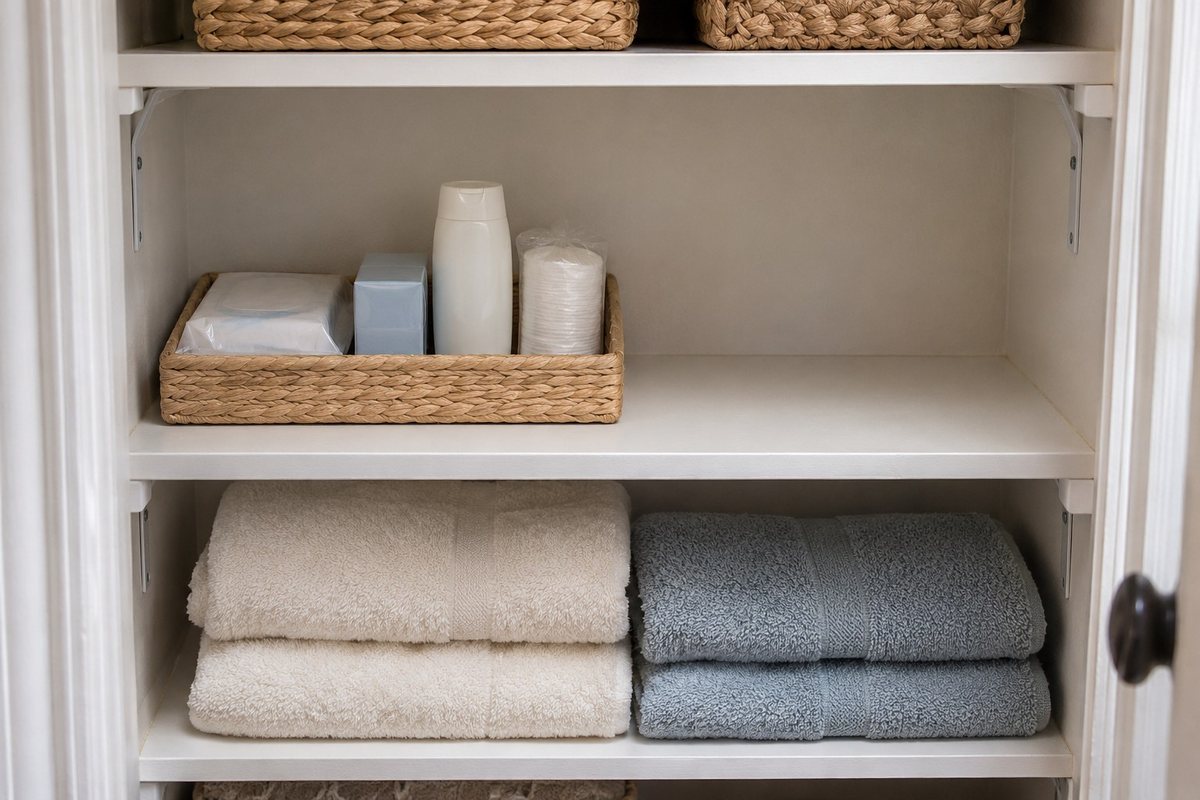
Give unopened backups one short row or small tray in a closet. Put the items you use every day in their normal spot and keep the spare toothpaste, tissues, or soap together. Look at the row before you shop. A shallow container keeps it easy to see how much space is left.
Set the limit around the amount your household can reasonably use. Leave a little room to take out the oldest backup when you bring home a new one. If an item repeatedly runs out, give it more room and see which other duplicates you can store elsewhere or buy less often. The space should match how you actually restock.
14. Reset the Most Crowded Spot Once a Week
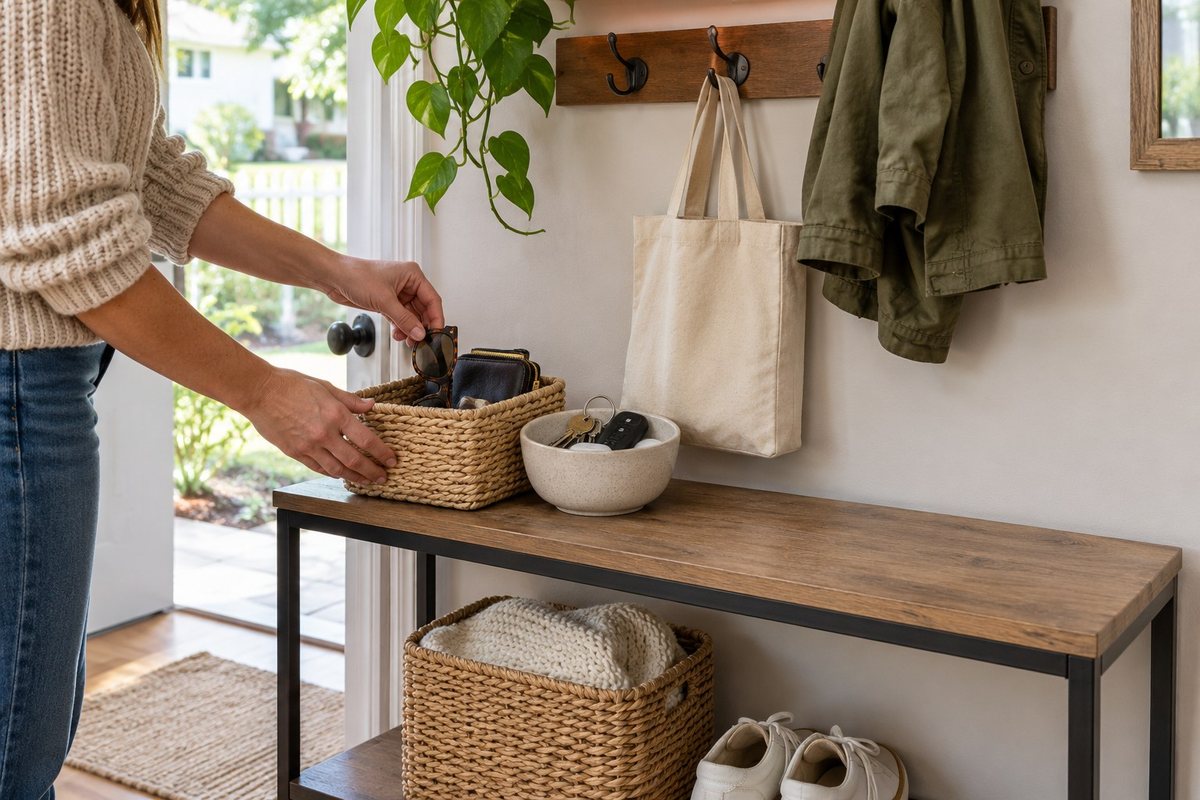
Pick the spot that fills up first and give it a quick reset once a week. Return the objects that already have a place, then look at the things that keep coming back. Decide which one needs a closer drawer, tray, or shelf. A recurring pile can show where the storage is harder to use than it needs to be.
Try changing just one thing. Move the mail tray nearer the door or lower the container you reach for every day. Give the change a week and see what happens. If the surface is easier to clear, repeat the same check in another tight area. A small routine is easier to keep when the storage is already within reach.
Try one change where you lose time most often. Use it through a regular week and check whether the items come out easily and return to the same place. Keep the system small enough to reset when you are busy. That gives you a good place to start on the next crowded spot.
Discover more from HomeTrendora
Subscribe to get the latest posts sent to your email.