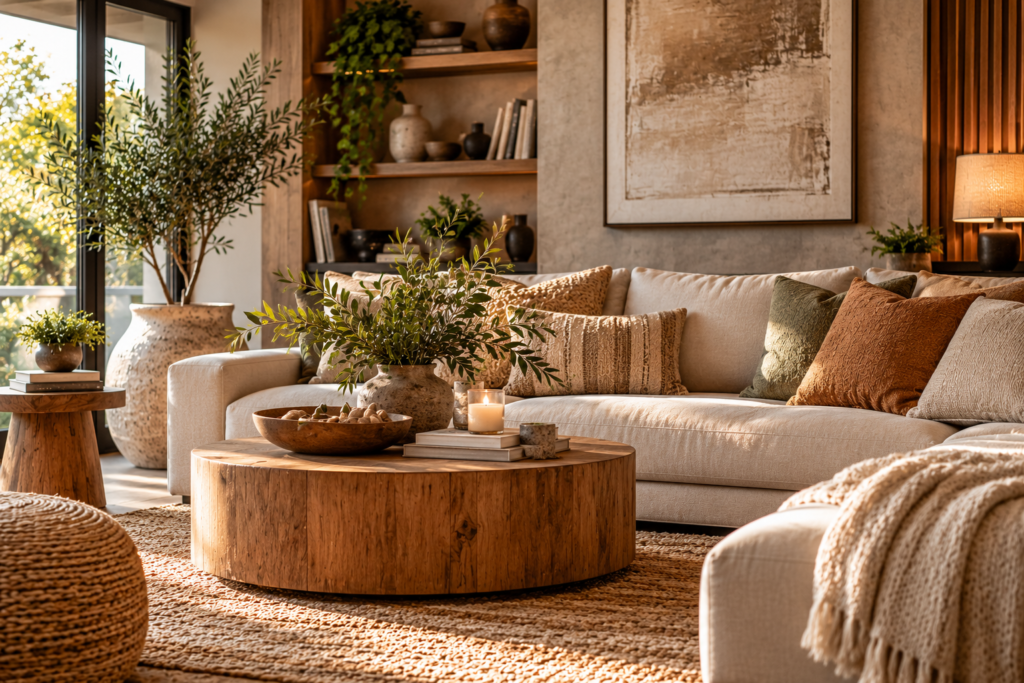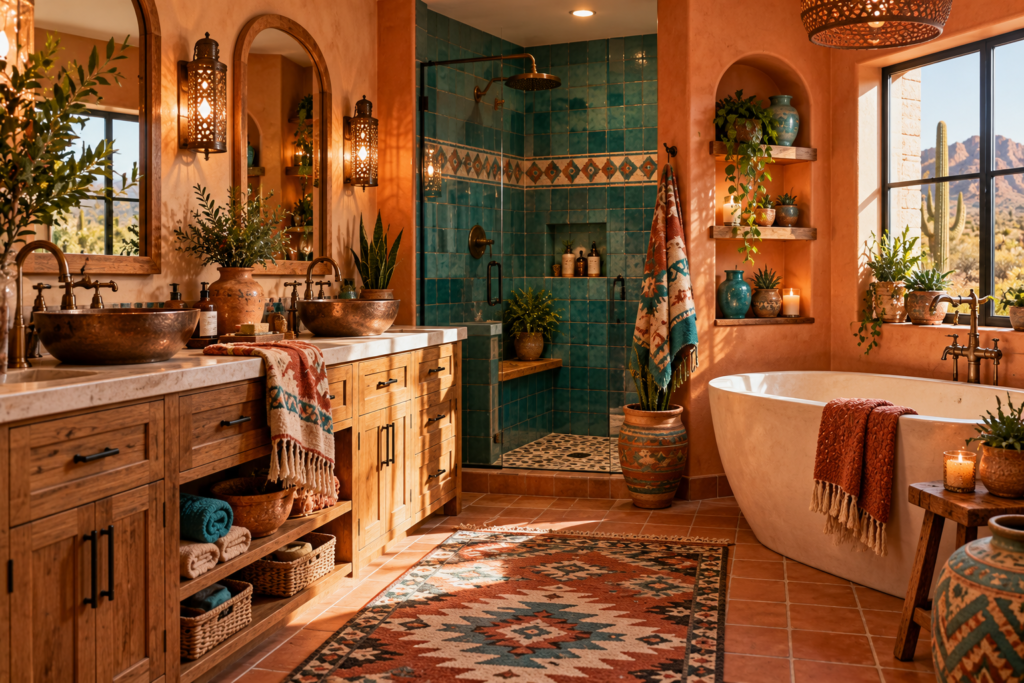
Choose one spot that looks flat from the doorway. It might be a pale chair beside a pale wall, a dark shelf in shadow, or a table that blends into the floor. Put two different finishes together there and see what changes. A rough surface is easier to notice next to a smooth one, and even a plain fabric looks different when light crosses it.
These 18 texture ideas start with a specific pairing and show where to use it. Try a small sample first and check it under the light you already have.
1. Pair a Limewash Wall With Quiet Painted Trim
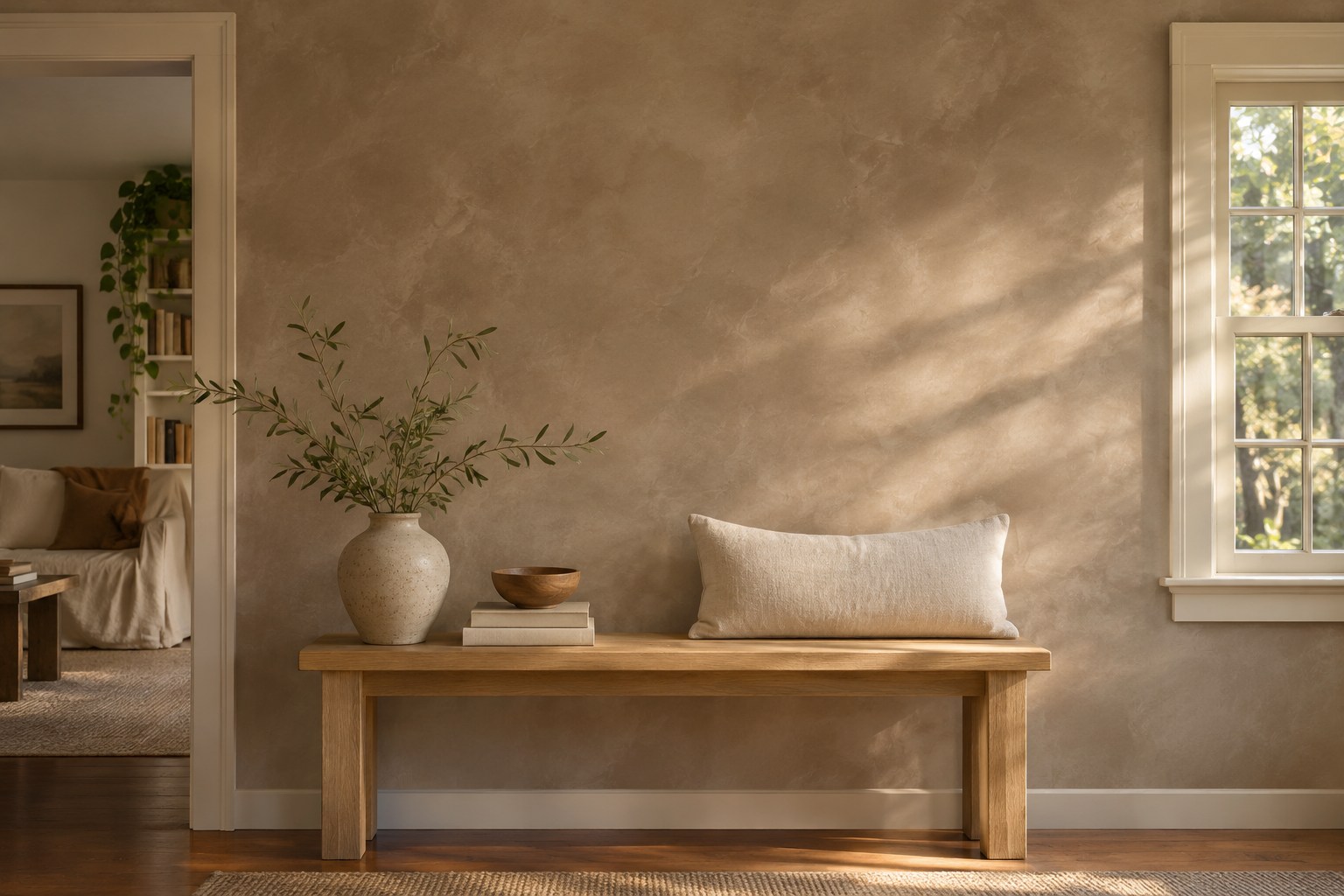
A limewash or limewash-look finish is easiest to see where daylight skims across the wall. Choose a spot beside a window and try a sample large enough to show the brush movement. Put it next to a piece of smooth painted trim. The quieter edge helps the wall’s soft variation stand out.
Compare the sample at different times of day. Pale taupe may feel warmer in late light, while an off-white can pick up a cooler cast beside the glass. Choose a finish that suits your wall surface and follow the application directions. For colors to test alongside it, see these whole-house paint color ideas.
2. Balance a Bouclé Chair With a Smooth Side Table
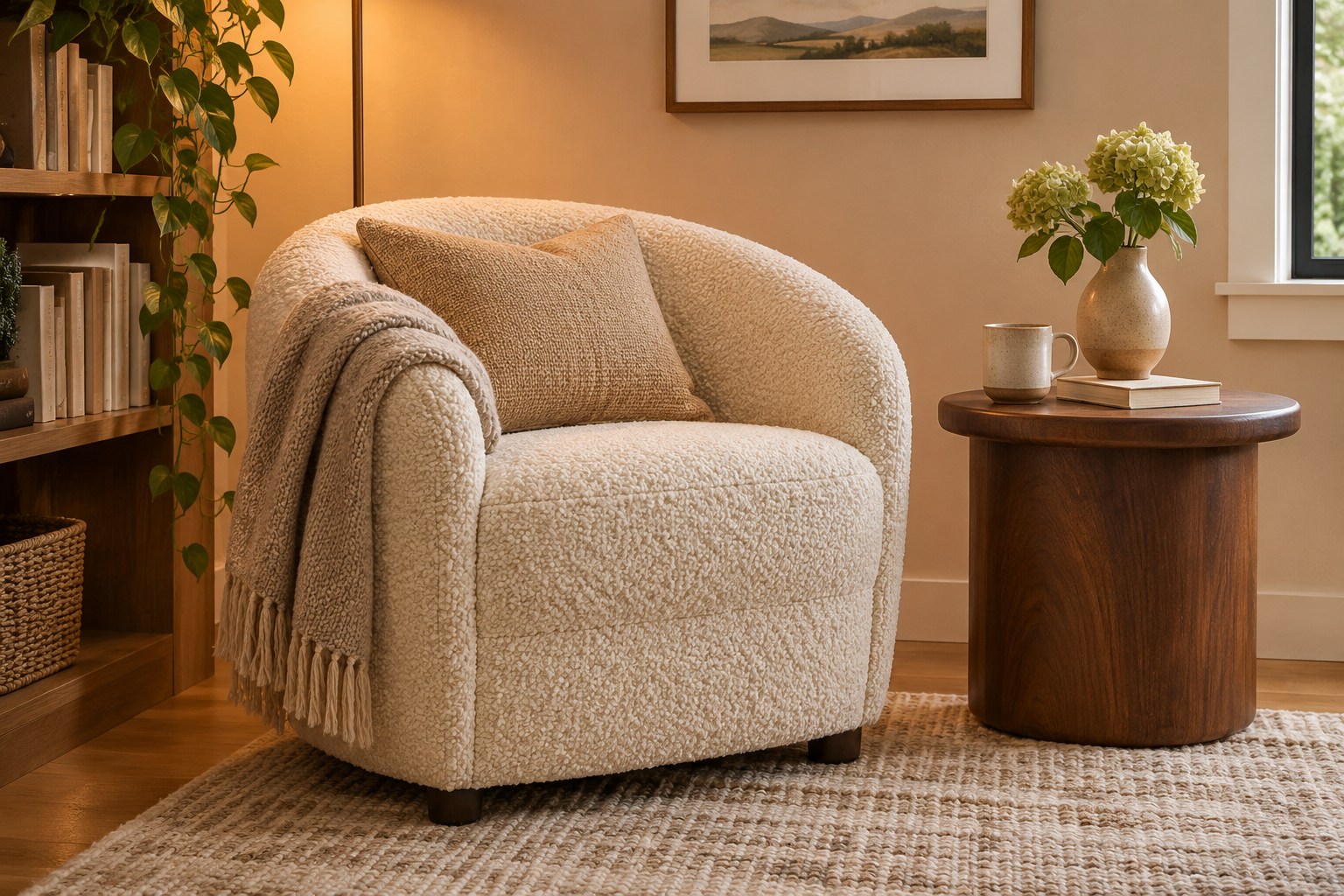
Use a bouclé chair where you can see its loops from a few steps away. Set a smooth wood table beside it and leave a little air between the pieces. A small dark table can make an ivory chair easier to read against a pale wall. The difference between the two surfaces does the work of another pattern.
Before choosing an upholstery fabric, touch a sample and see how you would clean it. If you would rather change a smaller piece first, put a bouclé cushion on a plain woven chair. Keep the other cushions flat and simple so the loops remain the focus.
HOMETRENDORA PLANNING BUNDLE
Turn the ideas you like into a room plan.
Choose what to keep, check what will fit and decide what to buy first. The Home Design Book, fillable room planner and budget tracker guide you through those decisions with worked examples and practical checks.
160-page PDF + fillable room planner + Excel budget tracker
Bonuses included with your eBook purchase.
GRAB 10% DISCOUNT
Coupon code: HOMETRENDORA10
Use this code at Payhip checkout.
3. Frame Existing Brick With a Flat Painted Surface
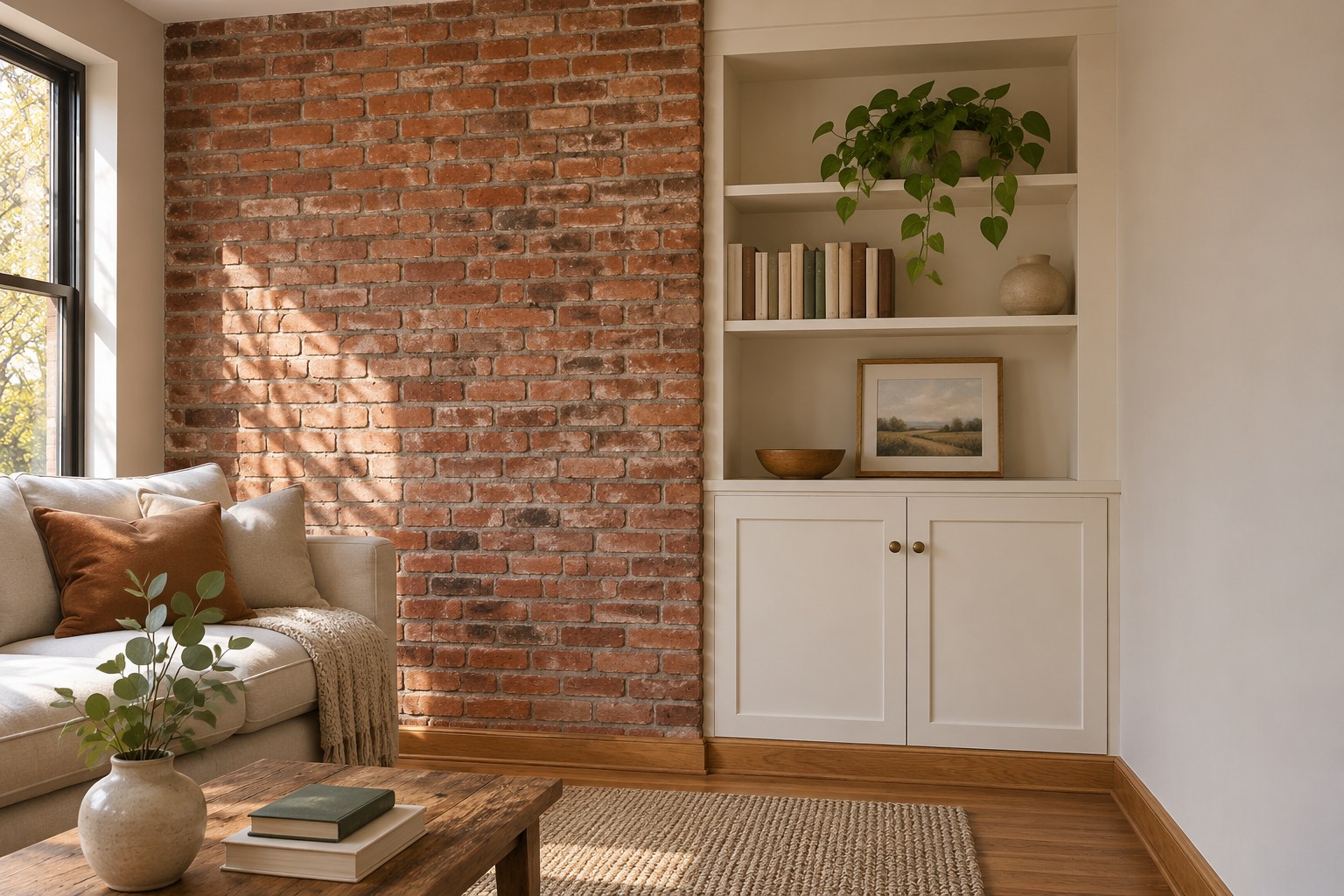
If the room already has exposed brick, choose one nearby surface that stays quiet. A flat painted cabinet front or a length of smooth trim gives the brick’s joints and irregular edges a clear boundary. Try a color you can find in the mortar or the palest part of the brick. A chalky cream often works with warmer red brick.
Put your seating where you can see a little light cross the wall. Keep large furniture from covering the spot where the two materials meet. If the brick is dusty or damaged, have its condition checked before cleaning or coating it. The surrounding finish can do plenty of work on its own.
4. Use Velvet Where Light Can Show Its Nap
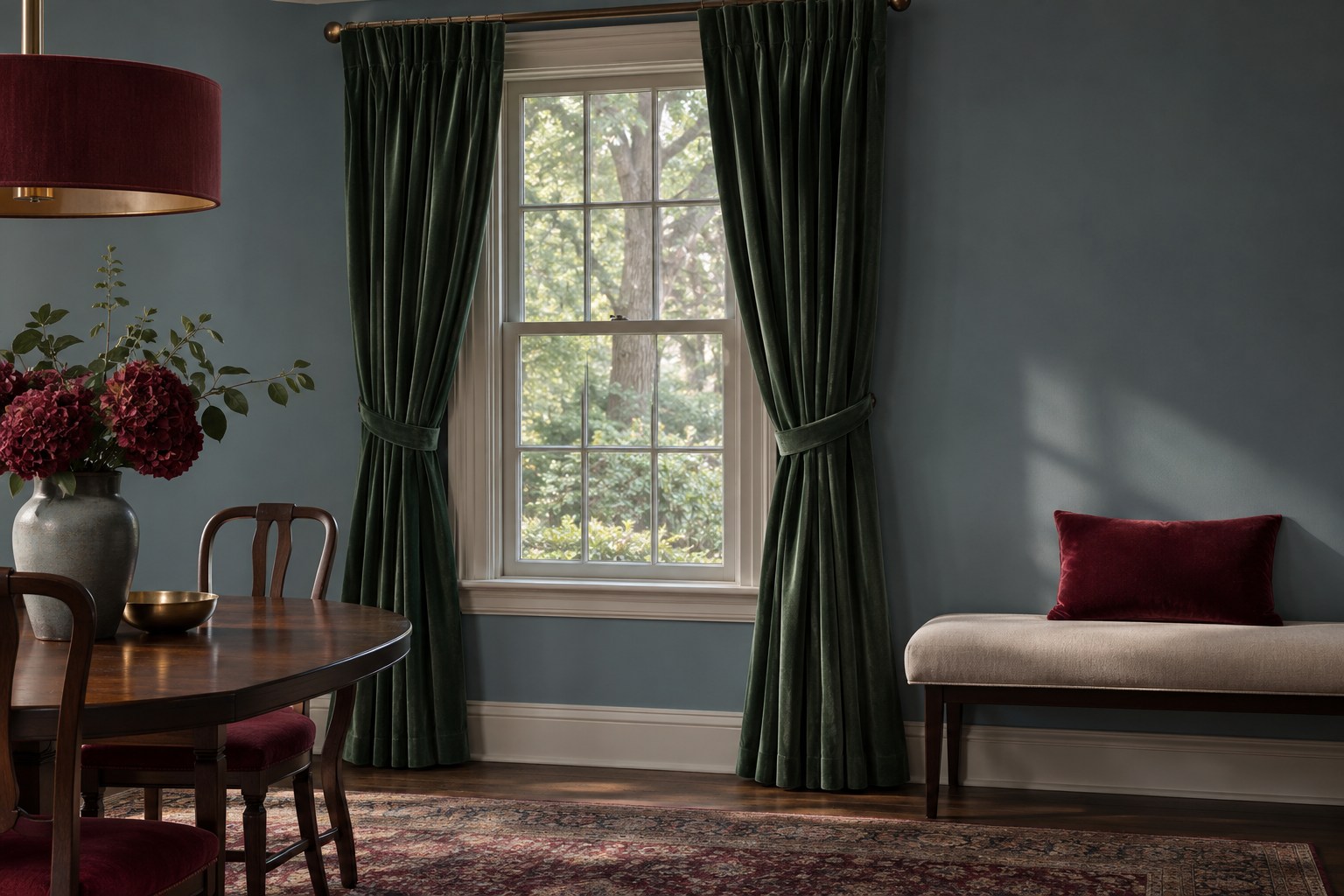
Try velvet near a source of side light. A cushion on a plain cotton bench is a small place to start. Turn it and see how the nap changes the color as the light moves across it. If you already have velvet drapes, gather them off the glass during the day so the folds catch the light and the room still gets daylight.
Pick one color from the fabric to repeat nearby in a quieter finish. A burgundy cushion can sit with a clay pot or a faded print. These burgundy living room ideas show other ways to carry that color through a room.
5. Put a Woven Jute or Sisal Rug Beneath Smooth Wood
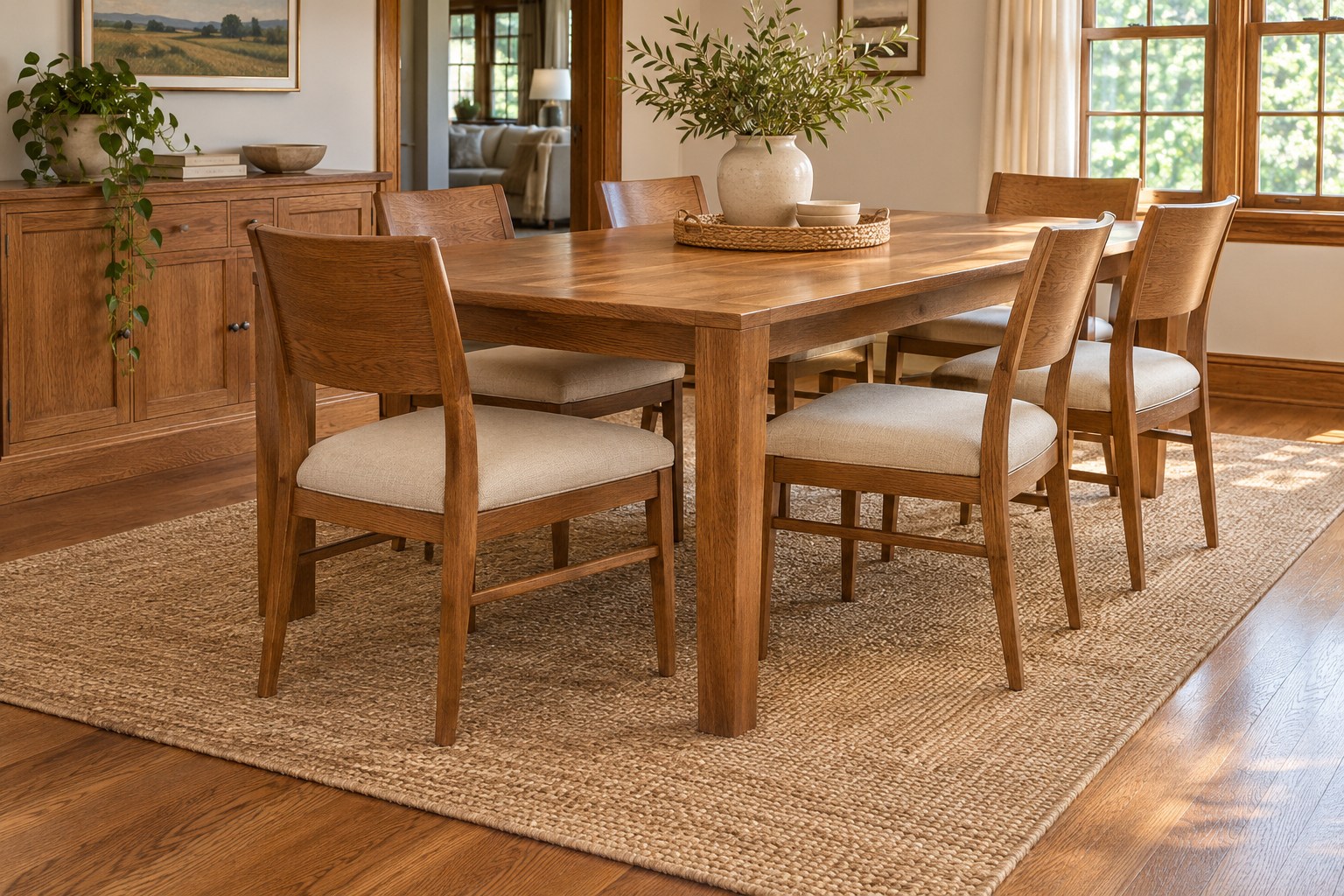
A woven jute or sisal rug gives a smooth wood dining table a more tactile base. Look at the weave from a standing position and run a hand over a sample. A flatter rug can make it easier to move chairs. Measure with the chairs pulled out so their legs stay on the rug during normal use.
Choose a rug and pad that suit your floor. Check the rug’s cleaning instructions before putting it somewhere that gets frequent spills. If you like the fiber but prefer an easier-care dining surface, use a small version in a lower-traffic sitting corner. Let enough of the surrounding wood floor show to frame the weave.
6. Let One Live Edge Set the Shape of the Seating Area
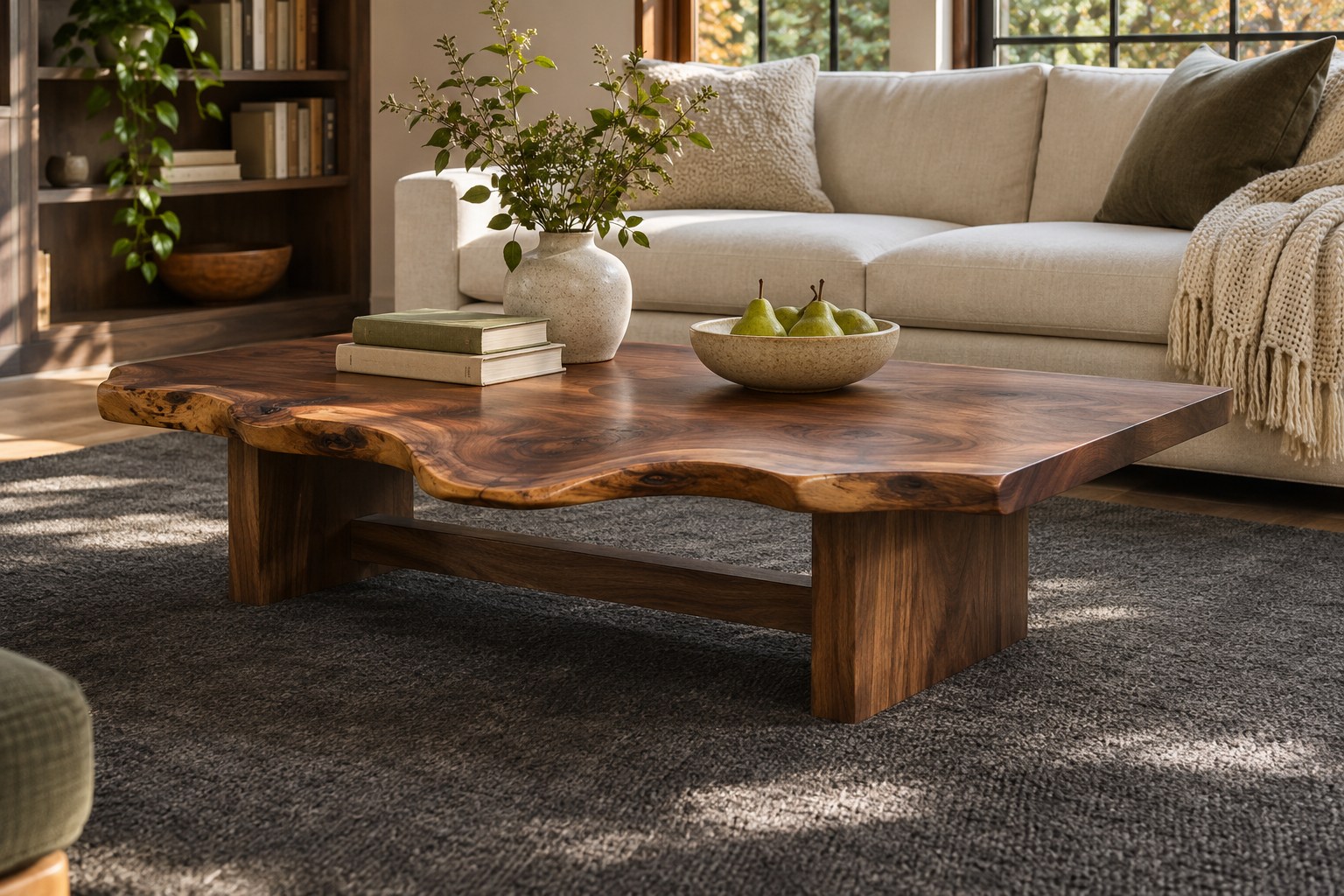
Put a live-edge table where you can see its silhouette. A low walnut table with one uneven edge works well beside a sofa with straight arms. Keep the rest of the group simple, such as a plain wool rug and a smooth tray. You can see the curve more easily when the other edges around it stay straight.
Walk around the table before settling it into place. Choose a stable piece with a softened edge if that is the route people use to reach the sofa. Keep the top to the few things you need close by. The grain and edge can be enough of a focal point.
7. Use Fluted Glass to Blur a View and Keep the Light
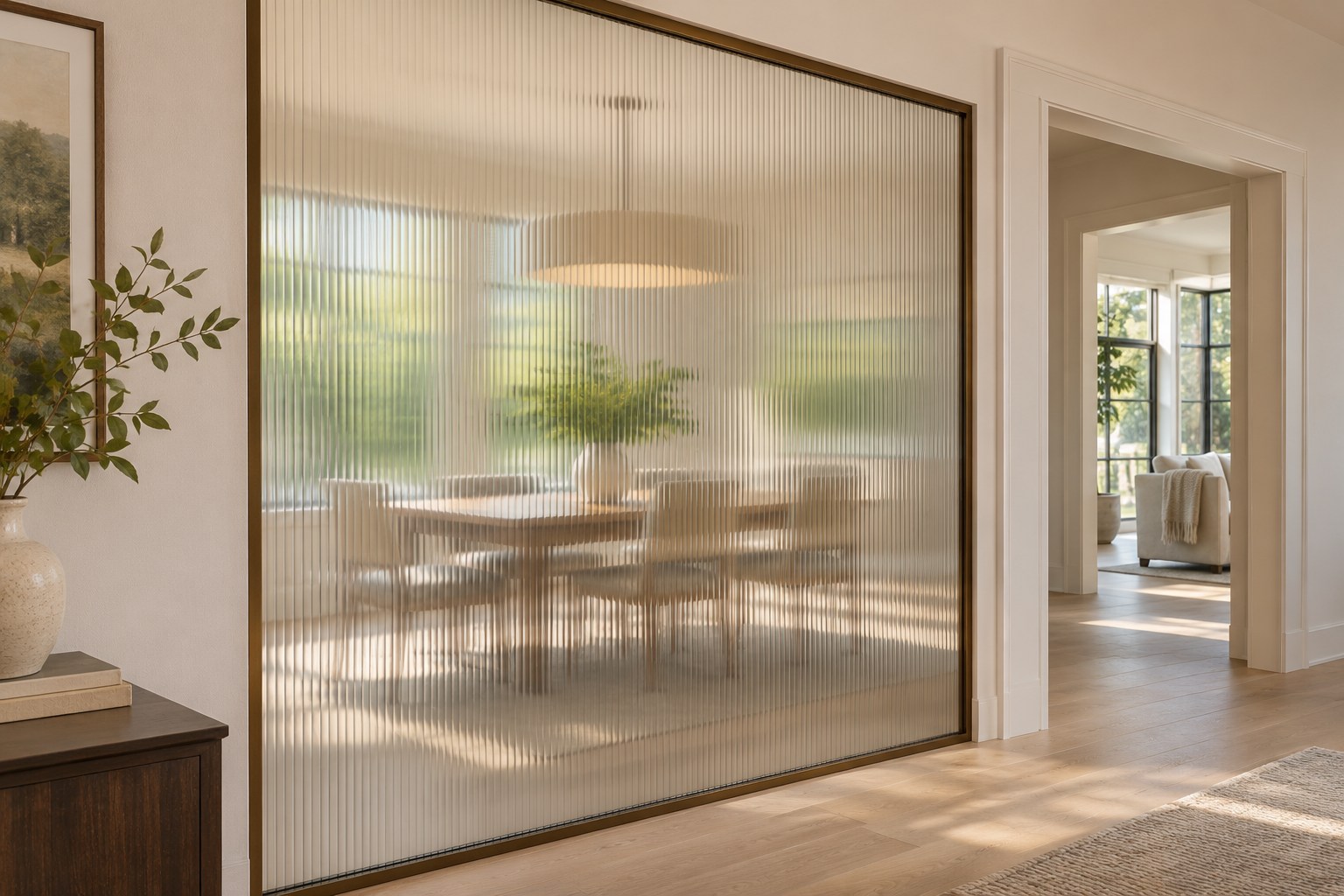
If you want light to carry from one room to another, consider a fluted glass panel where a clear view would be too open. The ridges soften the outlines beyond it. Look at a sample from both rooms, with daylight on one side and evening light on the other. That check matters if you want a screen to feel private after dark.
Keep an adjacent path or doorway clear. For a fixed panel, choose a system intended for its location and have it fitted by a qualified installer. A ribbed glass cabinet door is a smaller way to try the texture. Put one plain surface next to the glass so its lines are easy to see.
8. Repeat Woven Rattan in One Small Area
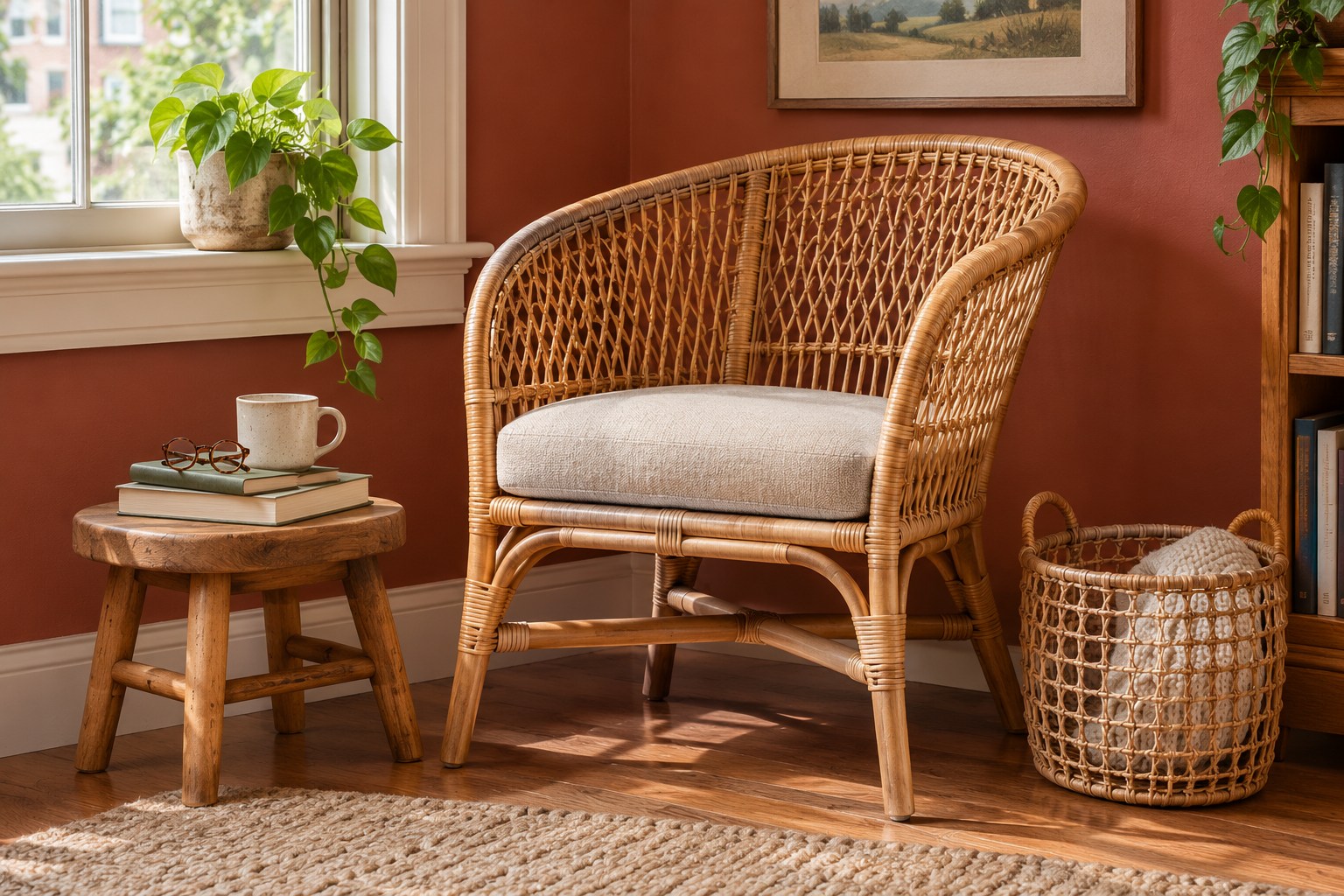
Repeat rattan once so its weave feels connected to the room. Start with a chair and use a small basket nearby for a folded throw or magazines. A plain linen cushion lets the woven back keep its shape. Matte paint behind the chair can make the open weave especially visible.
Compare the scale of the two weaves before deciding. A tight weave on the chair can sit with a looser basket if their color is close. Make sure the basket has a place beside the seat where it stays out of the walkway. A few open floorboards around the pieces give both textures room.
9. Set One Glossy Cabinet Against a Matte Wall
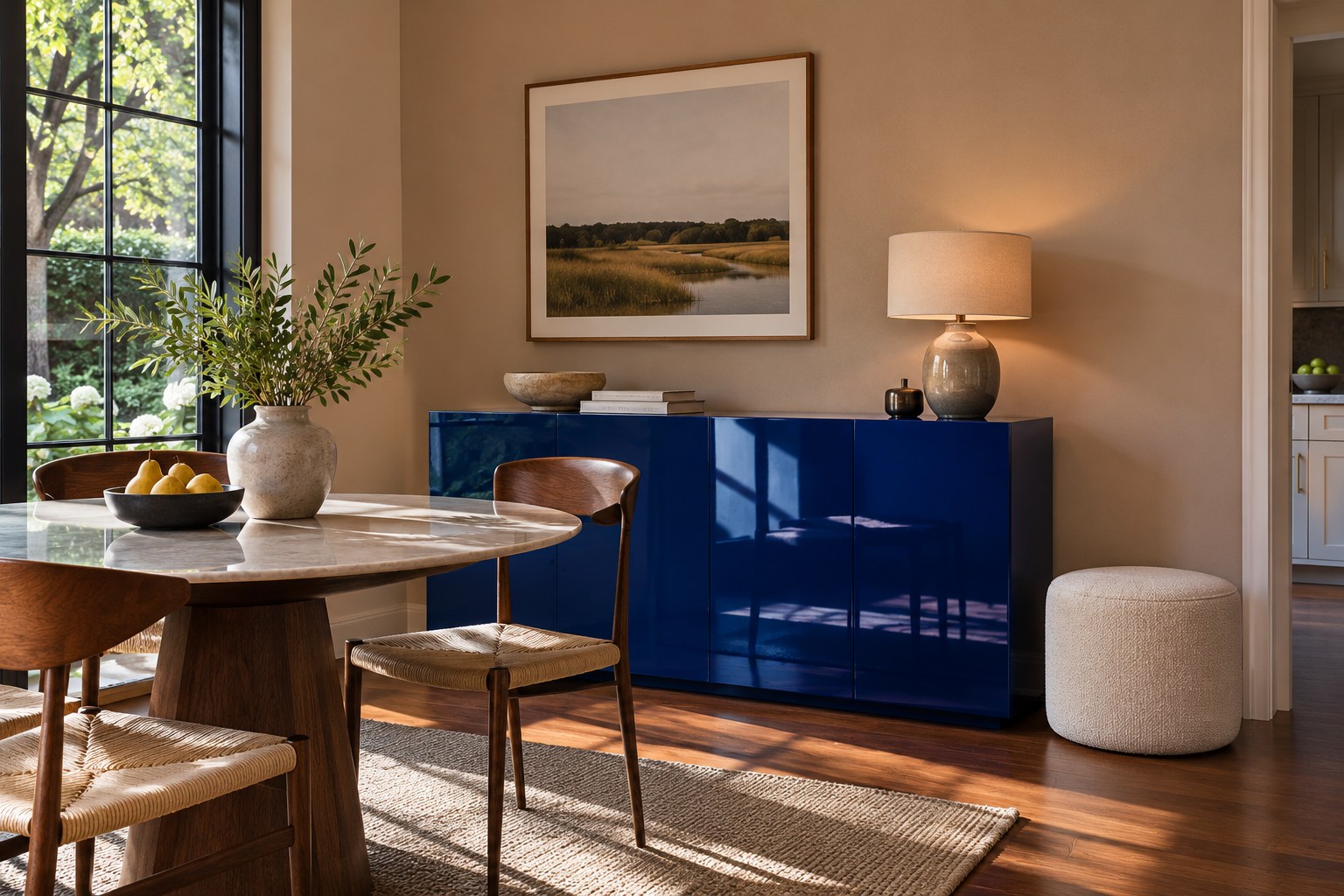
Use a high-gloss cabinet where you want one distinct reflection. A low blue cabinet against a matte warm wall is a good place to try it. Put it where it can catch a patch of window light without pointing that reflection into the nearest seat. Keep the trim and textiles around it quiet.
Look at the finish after dark as well. A nearby lamp may show up in the cabinet face more sharply than you expect. Move the lamp or turn the cabinet if the reflection bothers you. A plain tray on top keeps the gloss visible and gives you somewhere to set things down.
10. Give Matte Black Metal a Light Background
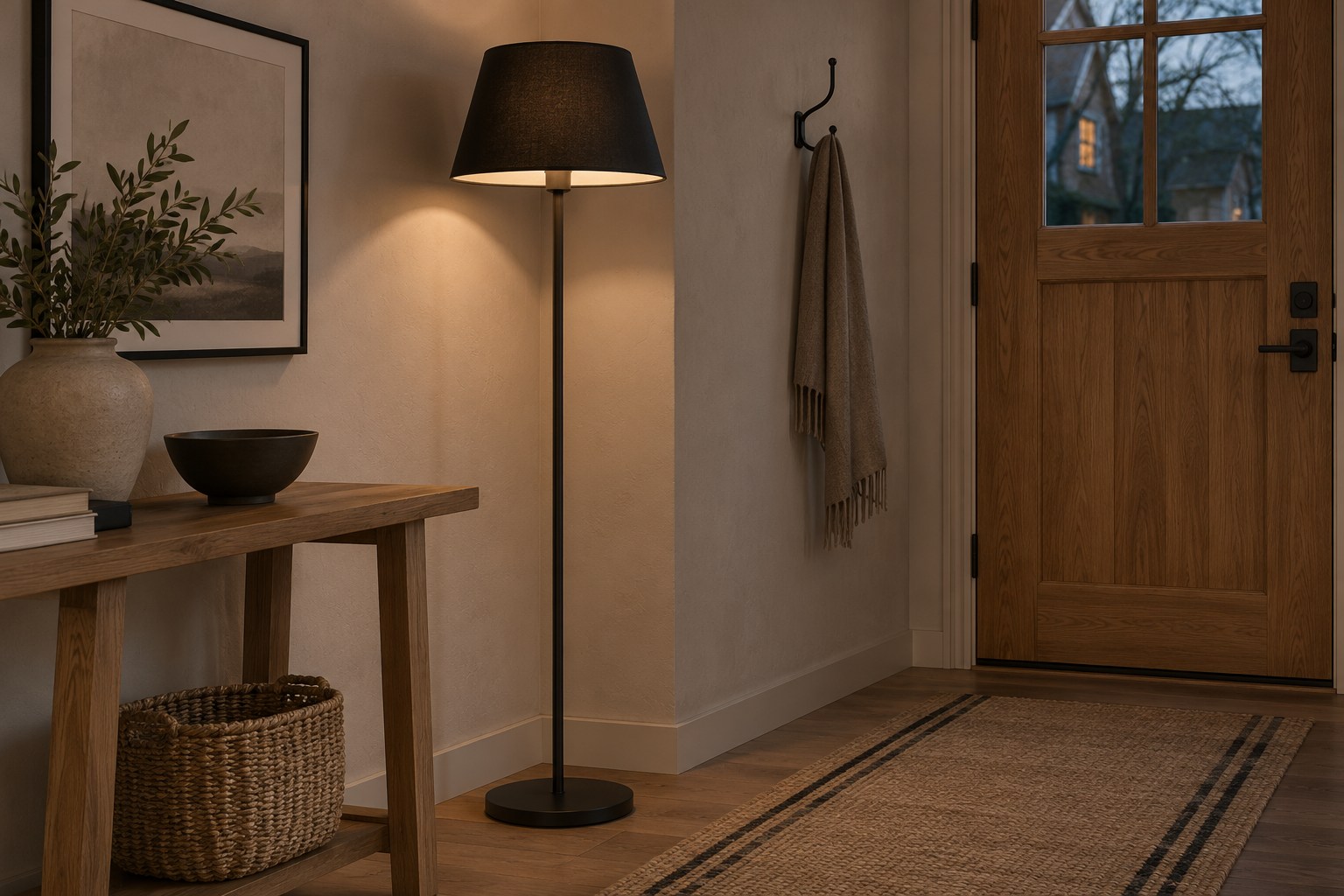
A pale surface can make the shape of a matte black fixture clearer. Try a dark metal lamp against a warm white wall, then repeat that line once in a coat hook or a thin frame. Pick a fixture with a simple outline if there are already busy textures nearby. Let the floor or a wood bench add warmth below.
Test the lamp with the rest of the room dim. You want to see the silhouette without staring into a bright bulb. Choose a shade that suits the fixture and route any cord where it stays clear of feet. One dark detail can define a whole corner.
11. Layer a Faux Fur Throw Over a Plain Seat
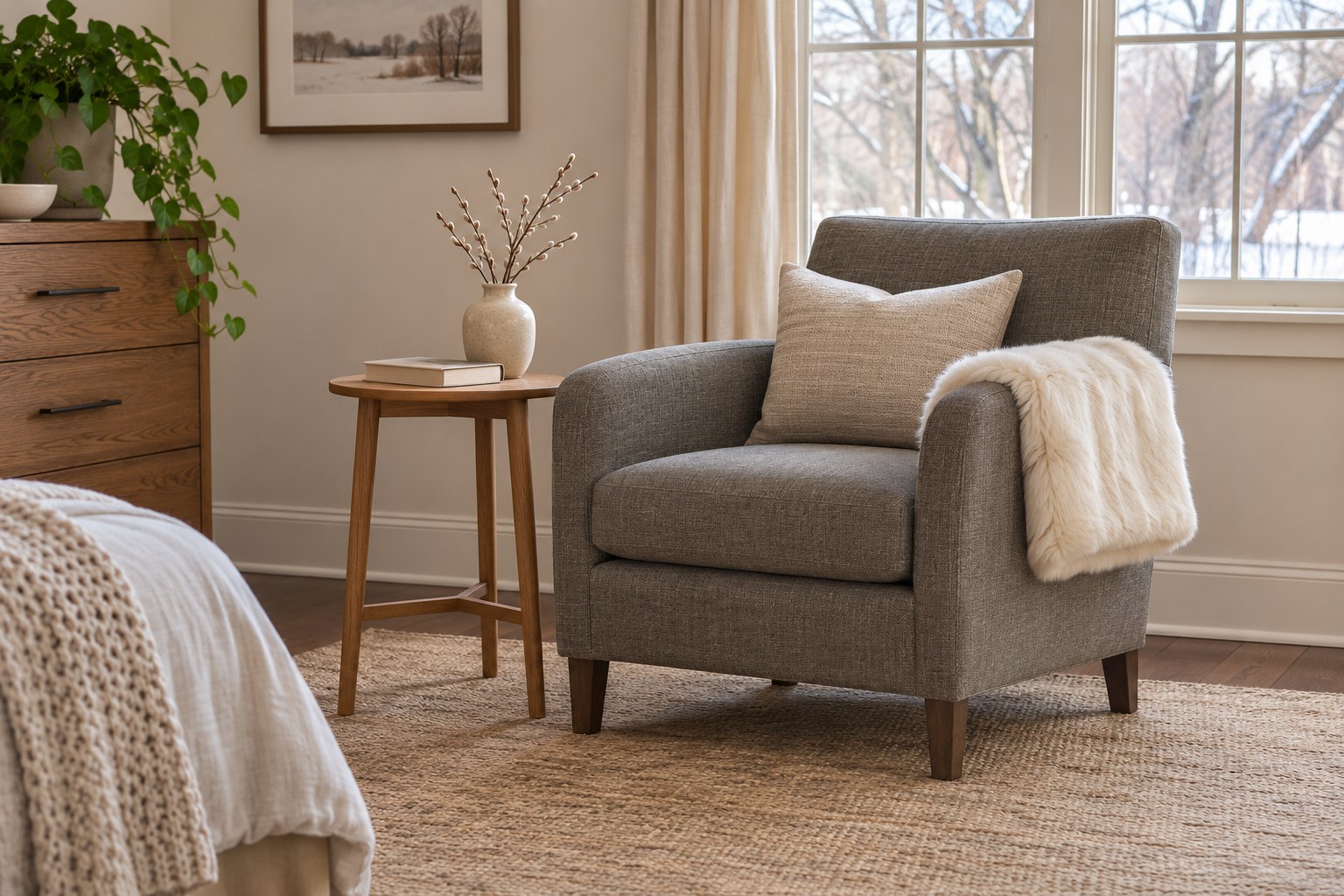
Fold a short faux fur throw over one arm of a plain fabric chair. A little pile gives the chair a soft edge and leaves the original upholstery visible. Set a smooth wood table nearby so you can see the difference in texture. Ivory works against medium gray, and a warm beige can soften a darker seat.
Pick a throw you can shake out and care for according to its label. If it slips onto the floor, fold it into a shorter strip or lay it across the seat when the chair is empty. Keep the fabric clear of heaters and lamps. Put it where you actually reach for a layer on a cool evening.
12. Soften an Existing Polished Concrete Floor With Wool
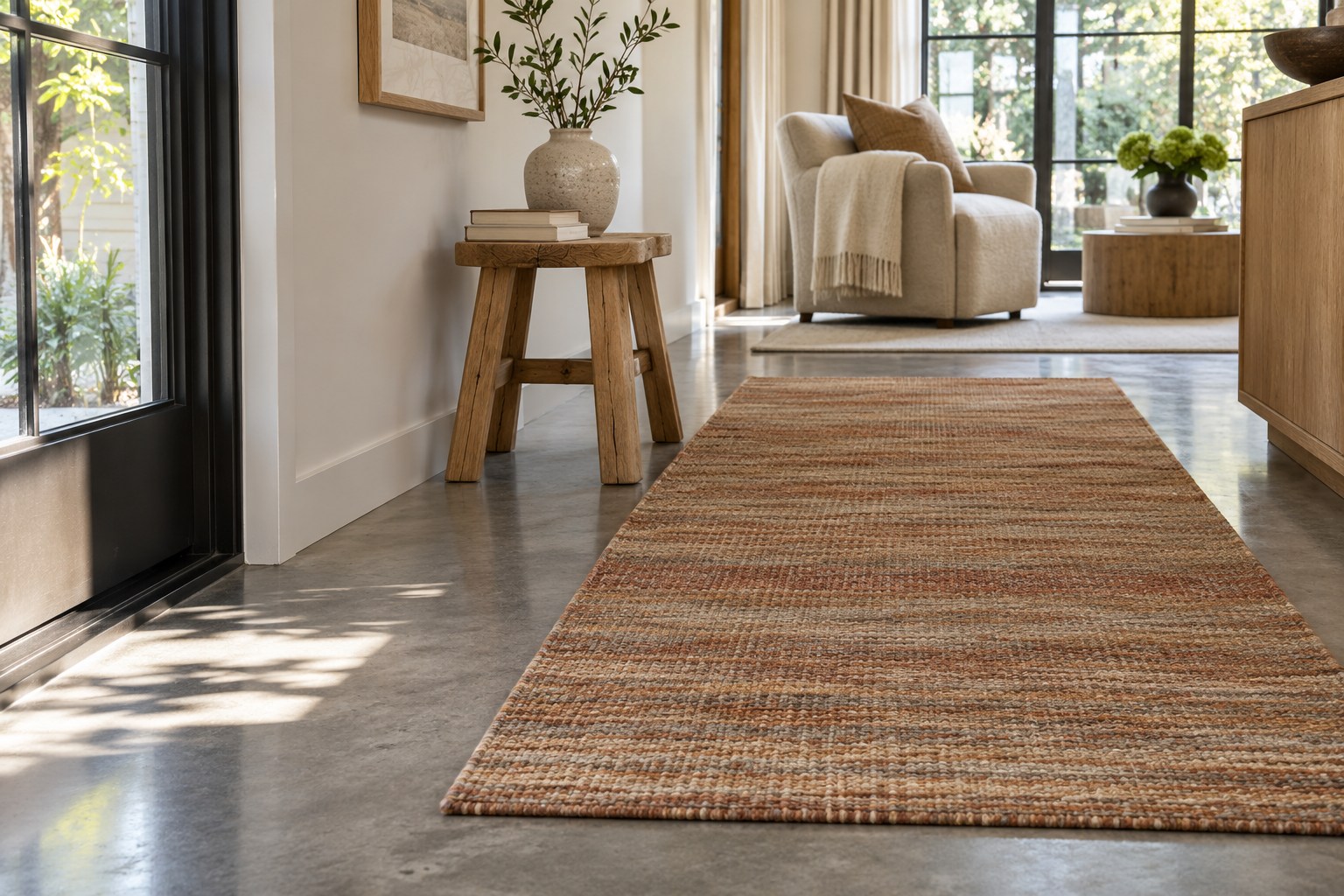
If you already have a polished concrete floor, use a low wool runner to give one daily route a softer surface. Let a band of concrete show on either side so you can see both finishes. Warm gray, oatmeal, or muted rust can look good against the concrete without hiding all of it.
Check the thickness at any door and choose a pad intended for the rug and floor. Lay the runner where its edges sit flat and the ends stay clear of turns. A pale wood stool or one soft chair can continue the warmer materials into the next room. Leave a portion of the smooth floor exposed so the runner has a clear edge.
13. Try Grasscloth in a Framed Panel First
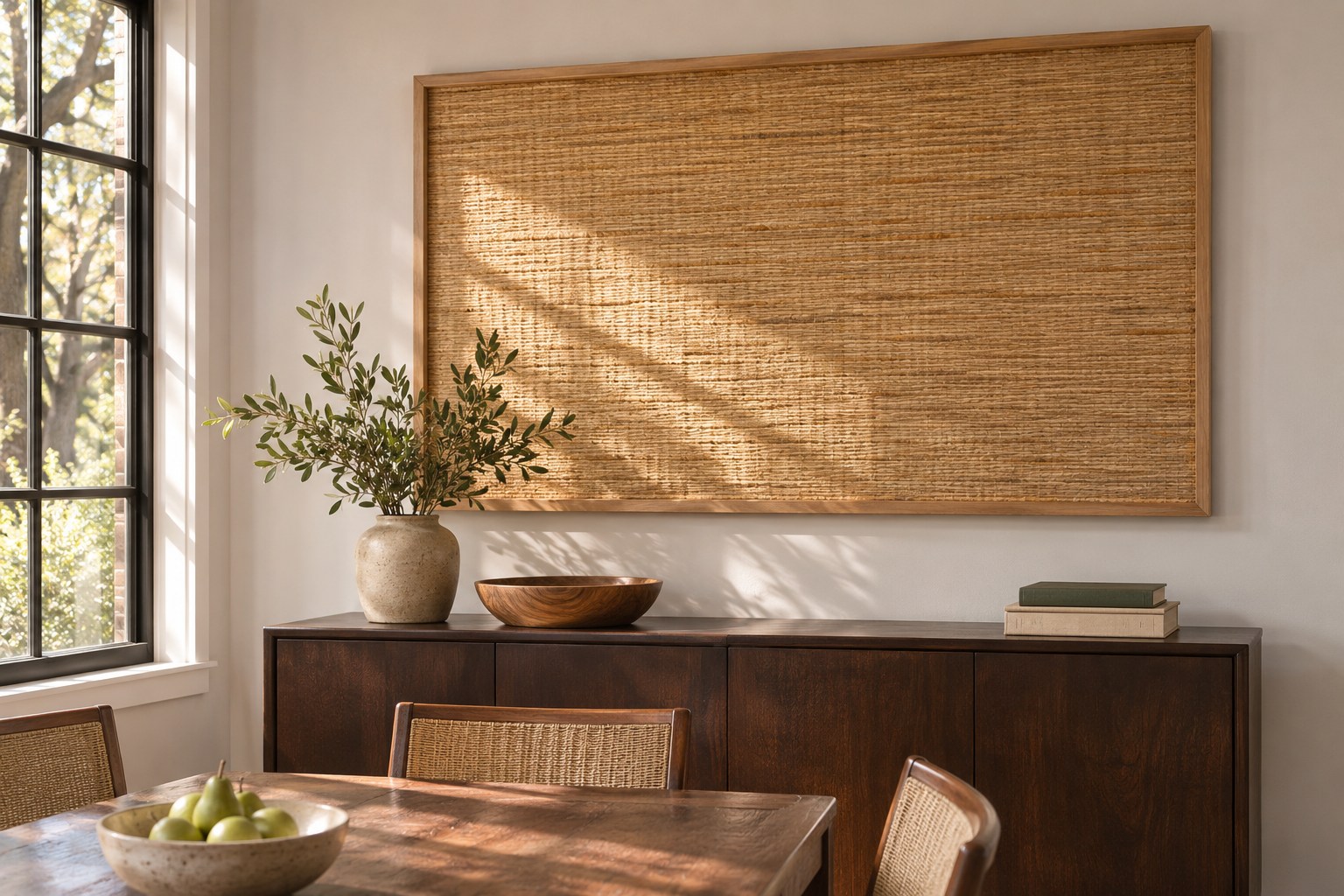
Try a woven grasscloth sample in a simple wood frame before covering a wall. Hang the frame where daylight comes from the side, and keep the objects below it plain. A tan grasscloth can bring warmth to a white dining wall, especially above a dark sideboard.
Look at the panel from the places you normally sit. A visible seam or a change in fiber color may be the detail you like. If you decide to use the material on a larger surface, check the product’s instructions for the room’s conditions and care. One framed piece can be enough when you only want to add a patch of woven texture.
14. Set Leather Beside a Soft, Dry-Looking Fabric
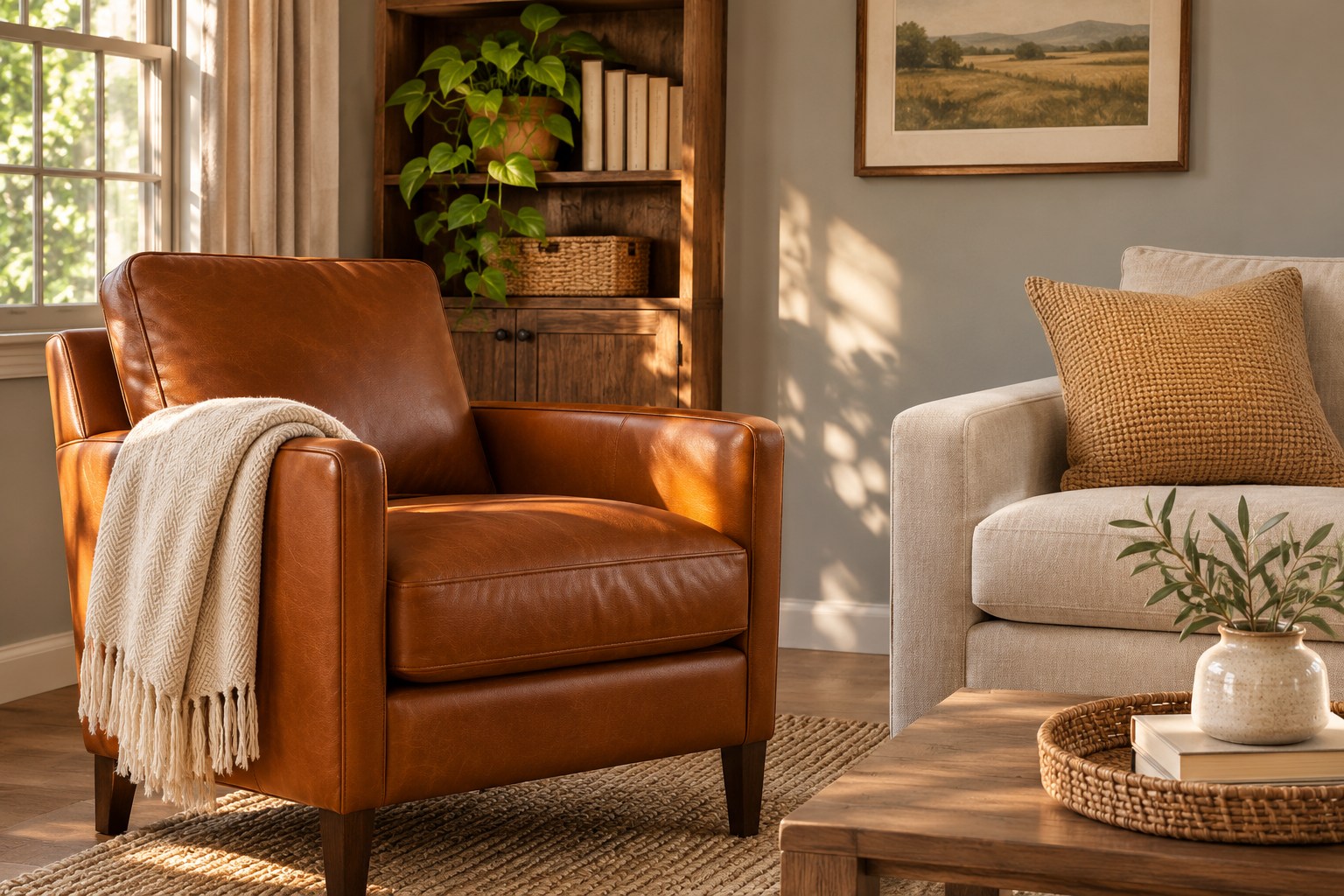
Put a leather chair beside a seat upholstered in a plain woven fabric. The leather’s smooth surface can give an oatmeal linen sofa or cotton chair a clearer outline. Cognac looks warm next to gray or cream. Choose a woven pillow with a quiet color if you want the two seats to share one detail.
Try the seats in the same light before matching more pieces to them. Leather can show a much stronger highlight close to a window. Move the chair slightly or add a small throw if you prefer a softer look. Check the care directions, and use the chair in a place where you can reach it without squeezing past the sofa.
15. Put Ribbed Wood Where Side Light Can Reach It
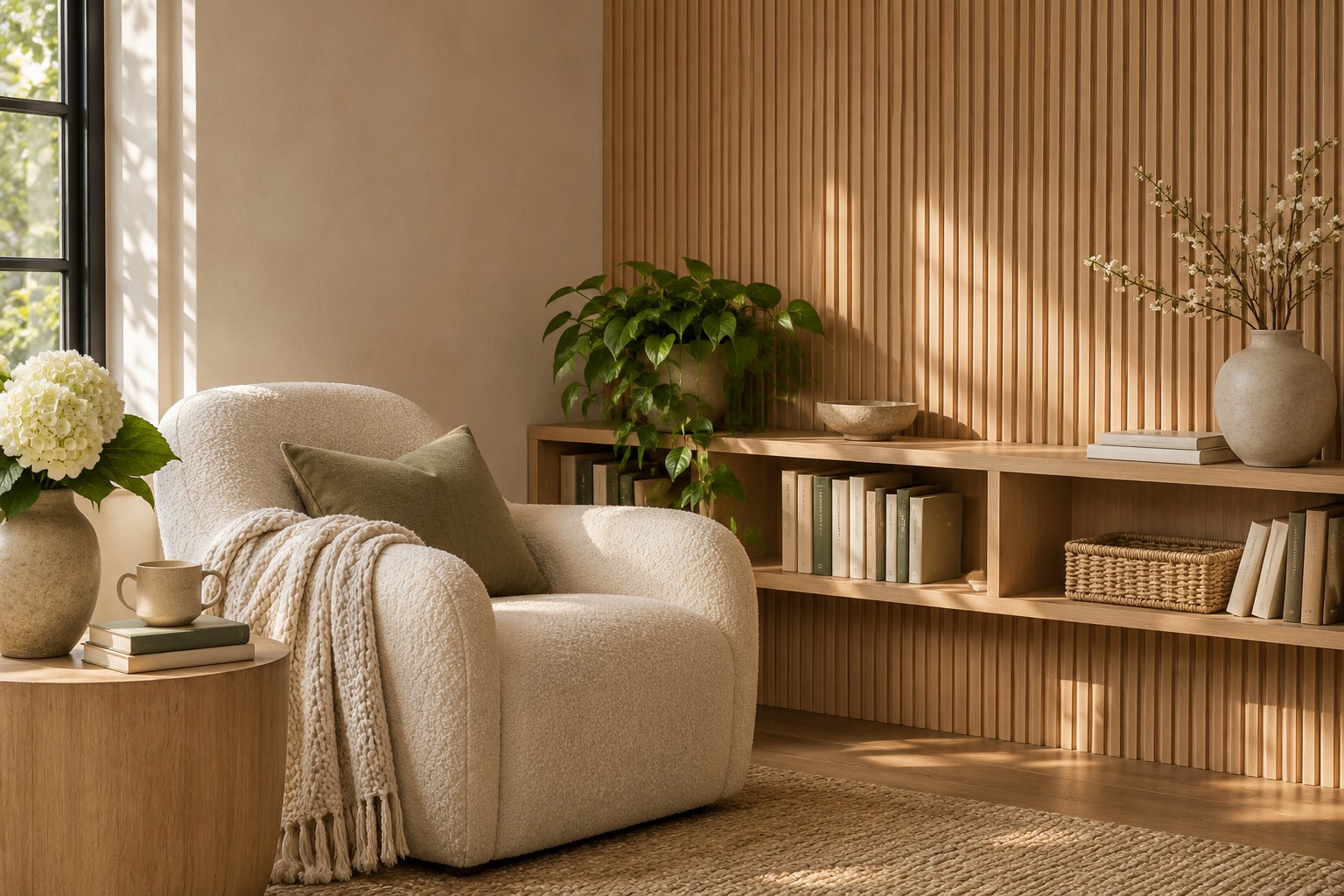
Choose one strip of wall where side light can reach the wood grooves. Pale oak ribs behind a low shelf are easy to see from the doorway. Keep the neighboring surface flat and let the grooves make the pattern. A single panel or a piece of furniture with a ribbed front can be enough.
Check a sample against the room’s existing wood finishes. A small change in color is usually easier to live with than another strong stripe across the room. Keep shelves in front of the panel fairly open so the light still reaches the grooves. For more ways to work with visible wood, see these Craftsman interior design ideas.
16. Use Strongly Veined Marble on One Small Surface
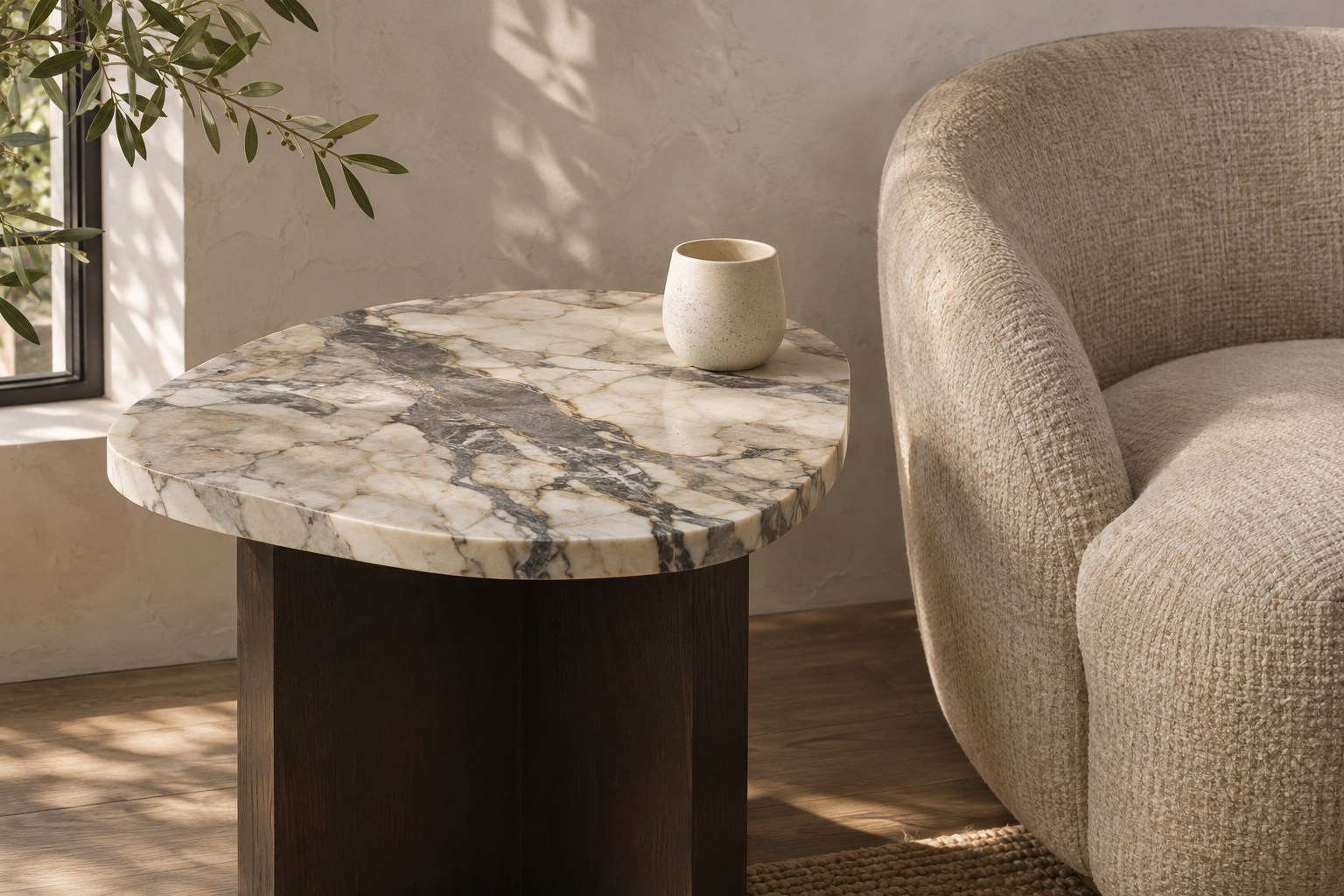
Try strongly veined marble on a small side table where you can see the whole piece at once. A quiet chair, a simple base, and one plain cup let the stone provide the pattern. Look at the actual top or a large sample. The spacing and contrast of the veins matter more than a small corner swatch.
Choose a stable table sized for the spot and follow the care instructions for its surface. Leave a little open space around the stone so the veining remains visible. If you already have other patterned materials nearby, use a quieter piece of marble or try a small marble tray in a different part of the room.
17. Put Hammered Metal Beside a Smooth Ceramic Piece
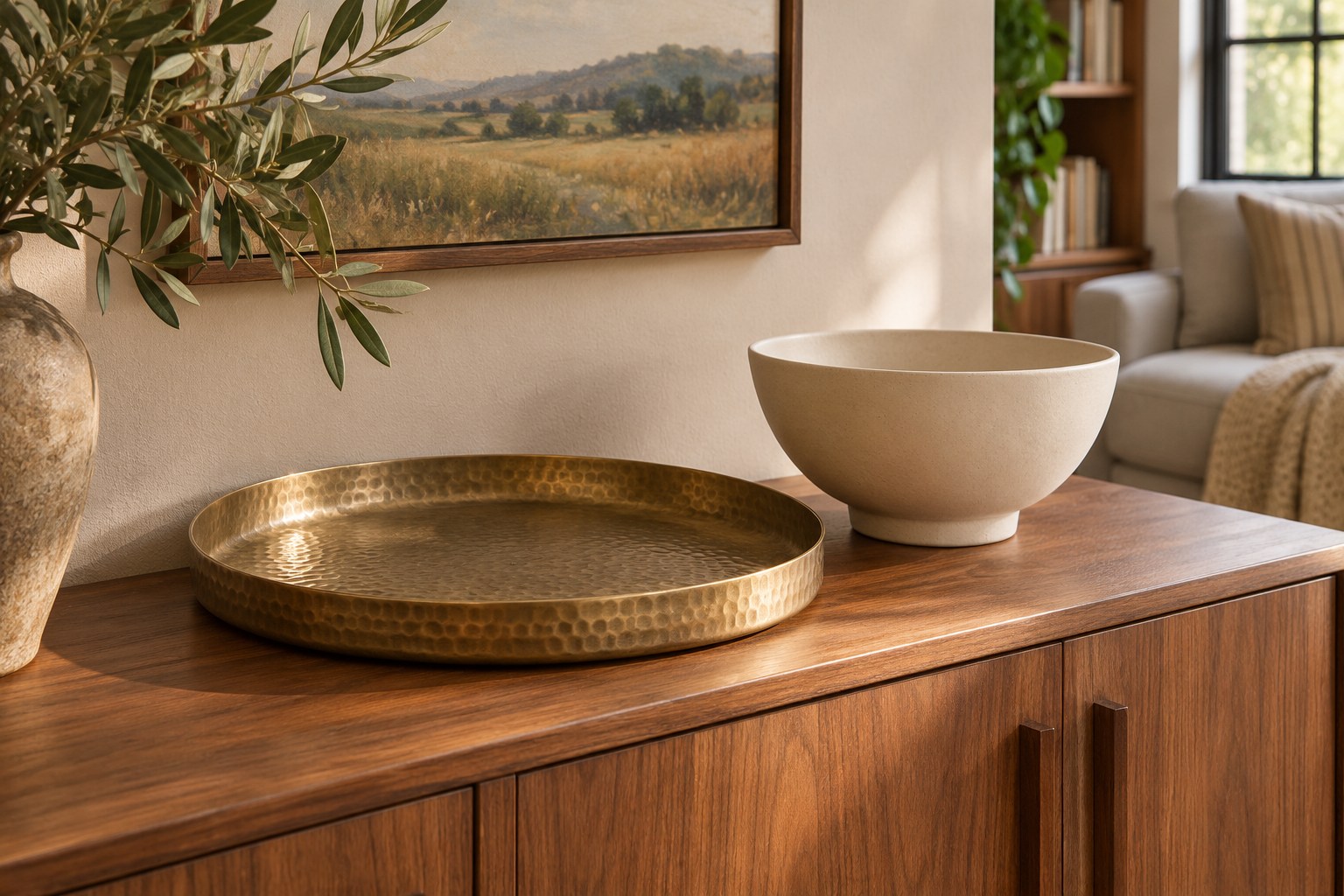
Set a hammered metal tray beside a smooth ceramic bowl so each surface is easy to see. Look for a muted finish that shows small highlights along the dimples. Warm wood underneath can soften the shine. A shallow tray can hold keys, coasters, or another small thing you use often.
Try the arrangement by a window or a shaded lamp. Turn the tray a little if a bright reflection sits in your line of sight. Keep the bowl plain and leave space around it so the two finishes stay distinct. This pairing is easy to move if you want to test texture on a second shelf or console.
18. Let Linen Relax Against One Crisp Bedroom Detail
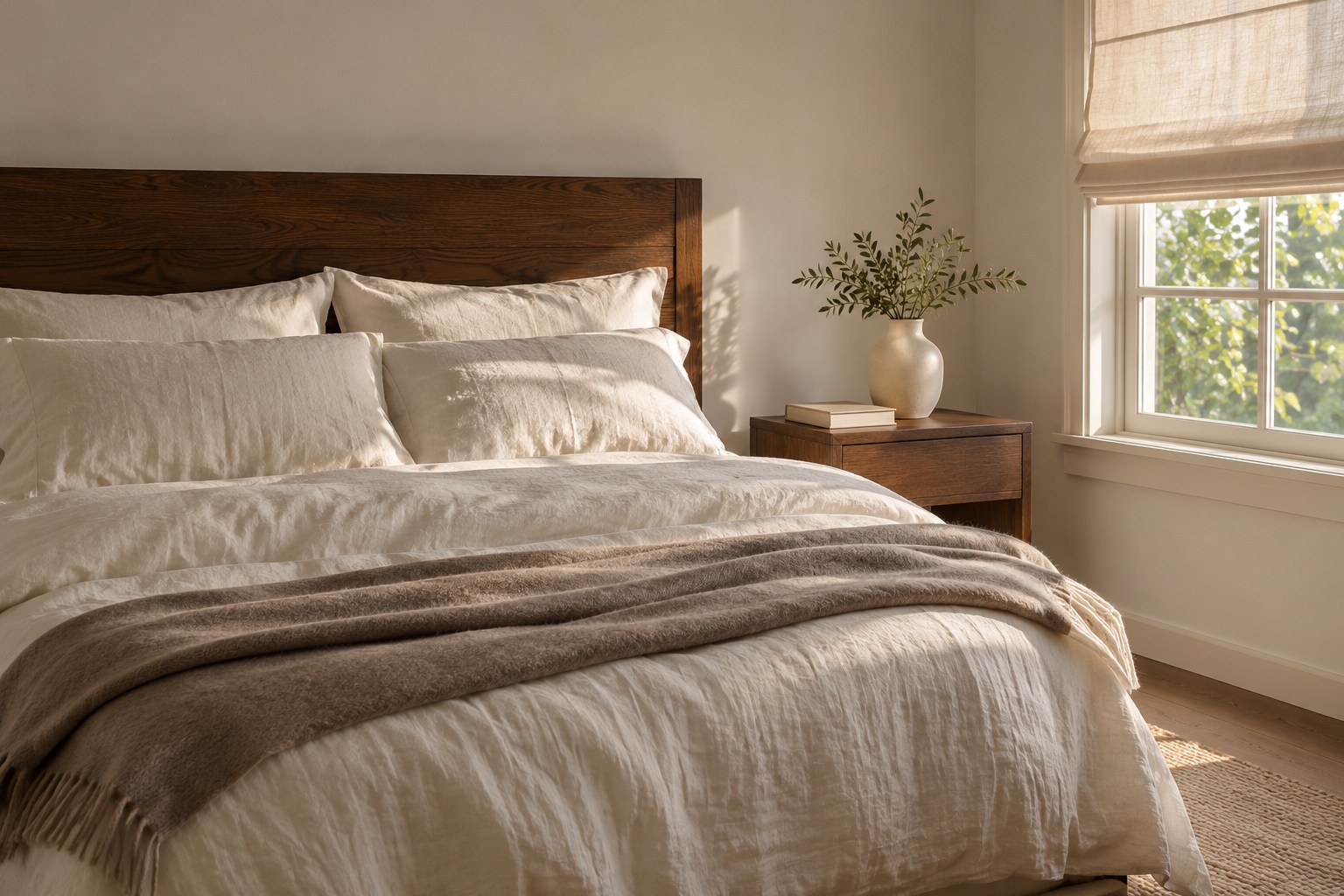
Let linen bedding and a light curtain carry the soft texture in a bedroom. Pair them with a straight oak headboard or a tightly woven throw so you can see the contrast. A warm white or oatmeal palette makes the folds visible in daylight. Leave the nightstand surface fairly clear so the textures have a simple background.
Check fabric samples where they will hang or sit. A curtain can look different against a window than a pillowcase does on the bed. Fit drapes so they stay out of the walking route and clear any heater according to its instructions. One crisp piece can give the whole arrangement enough structure.
Check the new pairing from the doorway and from the seat or path you use most. Keep it if it helps you see the material, makes the area easier to use, or gives a plain surface a clearer edge. Leave enough quiet space around it so the difference stays visible.
Discover more from HomeTrendora
Subscribe to get the latest posts sent to your email.