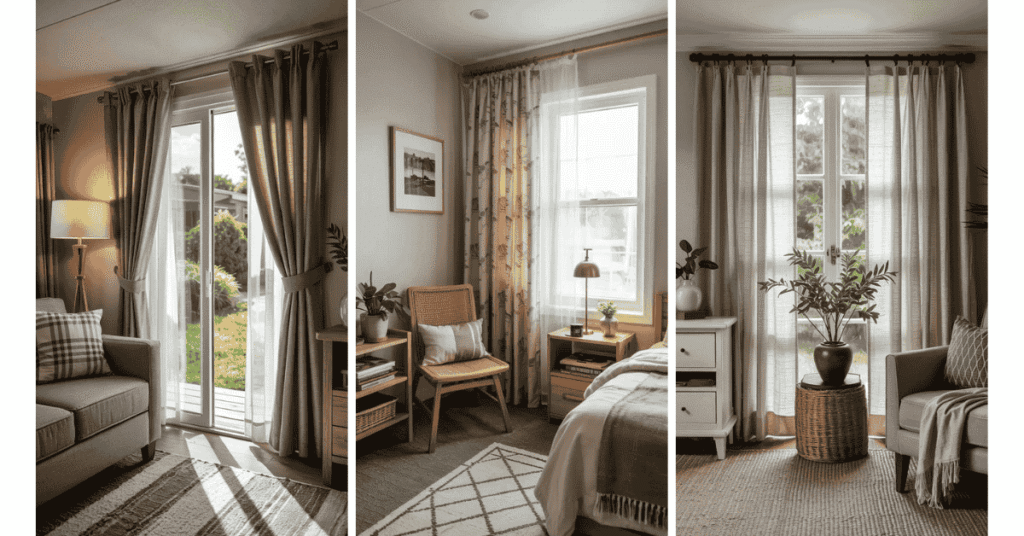
Texture in interior design is the secret ingredient that transforms a space from visually flat to a rich, multi-sensory experience. It refers to the surface quality of a material, how it feels, and how it looks like it feels. Incorporating varied textures adds depth, interest, and a sense of coziness or sophistication to any room. By layering different materials—from rough and rustic to smooth and sleek—you can create contrast and balance, making your home feel more curated and inviting. This approach engages more than just sight; it invites touch, creating a dynamic and deeply personal environment.
1. Limewash Painted Walls

For a soft, suede-like appearance, limewash paint offers a unique textural finish that brings warmth and movement to walls. This traditional, eco-friendly paint, made from crushed limestone, creates a chalky, matte surface with subtle tonal variations. Unlike standard flat paints, its application results in a dynamic, cloud-like effect that changes with the light, adding incredible depth and character to a room. This finish works beautifully in minimalist, rustic, or Mediterranean-inspired interiors, providing a gentle, organic backdrop that feels both ancient and modern. The subtle texture of limewash walls provides a tactile quality that enriches the space without overwhelming it.
2. Bouclé Fabric Upholstery

To introduce cozy, touchable softness, bouclé fabric on furniture is an excellent choice. Characterized by its looped, nubby yarn, bouclé provides a distinctively soft and inviting texture that begs to be touched. Often seen on curved sofas and accent chairs, this fabric adds a layer of visual warmth and comfort. Its teddy-bear-like feel creates a sense of hygge and relaxation, making any seating area feel more welcoming. While commonly found in shades of cream and white, bouclé is also available in richer colors, offering versatility to complement various design styles, from modern to mid-century.
3. Exposed Brick Accent Walls

An exposed brick wall introduces a raw, industrial texture that provides a powerful focal point and historical charm. The rough, uneven surface of the bricks adds a rugged, tactile element that contrasts beautifully with smoother surfaces like drywall or glass. Whether it’s original to the building or installed as thin brick veneer, this feature brings character and a sense of authenticity to lofts, kitchens, or living rooms. The natural color variations in the bricks, from deep reds to faded tans, contribute additional visual interest, creating a backdrop that is both rustic and timelessly urban.
4. Velvet Curtains and Cushions

For a touch of opulence and glamour, velvet is an unparalleled textural choice. The deep, soft pile of velvet fabric absorbs and reflects light in a way that creates a rich, lustrous sheen, adding instant sophistication to any space. Using velvet for curtains brings a sense of drama and luxury, while also providing excellent light-blocking and insulating properties. Velvet cushions scattered on a sofa or bed introduce a pop of sumptuous color and a plush feel. This classic material can elevate a room’s aesthetic, making it feel more refined, comfortable, and visually complex through its unmistakable texture.
5. Natural Jute and Sisal Rugs

Bringing an earthy, organic texture underfoot, jute and sisal rugs are perfect for grounding a room. Made from dried plant fibers, these rugs have a coarse, woven texture that adds a rustic and casual feel. Jute is softer and more pliable, while sisal is known for its durability and tighter weave, making it ideal for high-traffic areas. Their neutral, sandy tones complement a wide range of color palettes and design styles, from coastal to bohemian. Beyond their visual appeal, these natural fiber rugs introduce a tactile element that connects the interior space with the natural world.
6. Live-Edge Wood Furniture

A live-edge wood table or shelf brings the untamed, organic shape of a tree directly into your home. This design preserves the natural edge of the wood, showcasing its original lines, knots, and imperfections. The contrast between the rugged, unfinished edge and the smooth, polished top surface creates a fascinating textural and visual dynamic. Each piece is entirely unique, serving as a functional work of art. This style of furniture adds a significant rustic and natural element, making a powerful statement in dining rooms, living rooms, or even as a standout office desk.
7. Fluted Glass Partitions

For a sophisticated texture that plays with light and privacy, fluted glass is an elegant solution. Also known as reeded or ribbed glass, its vertical grooves create a beautiful distortion effect, obscuring direct views while allowing light to pass through. This textural glass adds a layer of visual interest and a subtle retro or Art Deco feel. It’s perfect for use in shower screens, cabinet doors, or as internal partitions to divide a space without making it feel closed off. The linear pattern of the flutes creates a clean, architectural look that enhances a room with its refined, tactile quality.
8. Woven Rattan Accents

Incorporating woven rattan furniture and decor adds a light, airy, and bohemian texture to interiors. Rattan’s natural, fibrous quality is skillfully woven into intricate patterns for chairs, headboards, lampshades, and baskets. This creates a relaxed, coastal, or tropical vibe, bringing a piece of the outdoors inside. The open weave adds visual lightness and a delicate textural pattern that contrasts well with solid, smooth surfaces. Rattan pieces are not only stylish but also durable and lightweight, making them a practical and aesthetically pleasing choice for adding a layer of natural, handcrafted texture to any room.
9. High-Gloss Lacquer Finishes

To create a sleek, modern texture, high-gloss lacquer finishes on cabinetry or furniture are a striking choice. This finish provides a smooth, reflective surface that bounces light around the room, making the space feel brighter and more expansive. The mirror-like sheen adds a dose of drama and contemporary glamour, contrasting sharply with matte or natural textures. It works especially well in kitchens and on statement furniture pieces like sideboards or coffee tables. While it requires care to maintain its pristine look, the powerful visual impact of its slick, polished texture is undeniably sophisticated and bold.
10.Matte Black Metal Fixtures

For an understated yet impactful texture, matte black metal fixtures offer a modern, industrial edge. Unlike polished metals, the non-reflective, flat finish of matte black has a subtle, velvety appearance that absorbs light. This creates a strong, graphic silhouette for faucets, light fixtures, cabinet hardware, and window frames. The smooth but non-glossy texture provides a sophisticated contrast to other materials like wood, marble, or tile. Its versatility allows it to fit seamlessly into minimalist, industrial, or even modern farmhouse designs, adding a touch of contemporary refinement and quiet confidence.
11. Faux Fur Throws and Pillows

Introducing faux fur throws and pillows is an instant way to add a layer of luxurious, deep texture and undeniable coziness. The soft, plush feel of faux fur invites you to snuggle up, making living rooms and bedrooms feel warmer and more comfortable, especially in cooler months. Visually, its shaggy or dense pile creates a rich textural contrast against smoother fabrics like leather, linen, or cotton. Available in a wide range of colors and patterns, from realistic animal prints to bold solids, faux fur accents provide a touch of glamour and playful extravagance to any decor scheme.
12. Polished Concrete Flooring

Polished concrete floors offer a sleek, industrial texture that is both durable and surprisingly versatile. The grinding and polishing process transforms rough concrete into a smooth, seamless surface with a subtle sheen that can range from satin to high-gloss. This minimalist foundation provides a cool, neutral backdrop that allows other textures in the room—like a plush rug or a wooden table—to stand out. Its inherent variations, such as small aggregates and slight color shifts, add a unique, understated character. Polished concrete is an excellent choice for modern, minimalist, and industrial spaces, providing a clean and resilient surface.
13. Grasscloth Wallcoverings

For a sophisticated and natural wall texture, grasscloth wallcoverings are an exceptional choice. Made from hand-woven strands of natural fibers like jute, sisal, or arrowroot, grasscloth adds subtle, organic warmth and a distinct tactile quality to walls. The fine, horizontal weaving creates a beautiful and intricate pattern, and the natural variations in the fibers mean no two installations are exactly alike. It provides a rich backdrop in dining rooms, bedrooms, or home offices, absorbing sound and adding a layer of quiet luxury. This material instantly elevates a room, giving it a well-traveled and thoughtfully designed feel.
14. Leather Upholstered Furniture

Leather upholstery introduces a classic, durable texture that evolves beautifully over time. The smooth, supple feel of high-quality leather brings a sense of luxury and timeless sophistication to sofas, armchairs, and ottomans. Depending on the finish, leather can be sleek and shiny or soft and matte. As it ages, it develops a unique patina—a soft sheen and subtle wear marks—that adds to its character and tells a story. This material provides a strong textural anchor in a room, contrasting well with softer fabrics like wool or cotton and harder materials like wood and metal.
15. Ribbed Wood Wall Paneling

To add architectural interest and a linear, rhythmic texture, ribbed wood paneling is a fantastic design element. This style, also known as fluted or slatted wood, features a series of vertical convex or concave grooves. It creates a dynamic play of light and shadow, adding depth and a sense of movement to an accent wall, kitchen island front, or headboard. The natural warmth and grain of the wood combine with the clean, modern lines of the ribbing for a look that is both organic and highly structured. This textural feature can make a space feel taller and more refined.
16. Marble with Prominent Veining

Using marble with prominent, dramatic veining introduces a powerful and luxurious natural texture. More than just a smooth stone, the intricate and unique patterns of veins create a sense of movement and artistry. Each slab is a one-of-a-kind piece of natural art, making it a stunning choice for kitchen countertops, backsplashes, or bathroom vanities. The contrast between the cool, polished surface and the bold, organic lines of the veining adds incredible visual depth. This high-end material elevates any space, providing a timeless texture that is both elegant and profoundly beautiful.
17. Hammered Metal Decorative Objects

For a rustic yet refined textural accent, hammered metal objects are a perfect addition. The process of hammering the metal creates a series of small, irregular facets that catch and reflect light in a dynamic, shimmering way. This handcrafted texture can be found on decorative bowls, vases, mirror frames, and pendant lights. Whether in copper, brass, or silver tones, the dimpled surface adds a touch of artisanal charm and visual interest. It provides a beautiful contrast to smooth walls or soft textiles, introducing a hard, tactile element that feels both ancient and contemporary.
18. Linen Bedding and Drapery

Linen fabric offers a relaxed, breathable, and effortlessly chic texture for bedding and curtains. Made from the fibers of the flax plant, linen is known for its natural, slightly crumpled appearance, which gives it a casual and lived-in feel. It becomes softer and more comfortable with each wash. As drapery, its light-filtering quality creates a soft, diffused glow, while its subtle texture adds a touch of organic elegance. In the bedroom, linen sheets provide a cool and comfortable sleeping experience. This versatile fabric brings a sense of laid-back sophistication and timeless, natural style to any room.
Conclusion:
Ultimately, mastering texture in interior design is about creating a conversation between surfaces. By thoughtfully layering diverse materials like rough brick, smooth velvet, natural jute, and sleek metal, you can elevate a room from a simple visual composition to an immersive environment. These 18 ideas demonstrate that texture adds critical depth, warmth, and personality, making a home not just beautiful to look at but also deeply inviting to live in. A well-textured space engages the senses, reflects personal style, and transforms a house into a truly resonant home.