Jewelry is easier to enjoy when earrings stay paired, chains have room, and the pieces you wear most are simple to put away. A good system does not require a large dressing room: a drawer, a small box, or a few carefully placed hooks can make an everyday routine smoother.
These jewelry storage ideas cover daily favorites, occasional pieces, watches, travel, and delicate items. Choose materials that suit your collection, keep valuables appropriately secure, and follow a jeweler’s care advice for pieces with special needs.
1. Use a Lined Drawer Insert
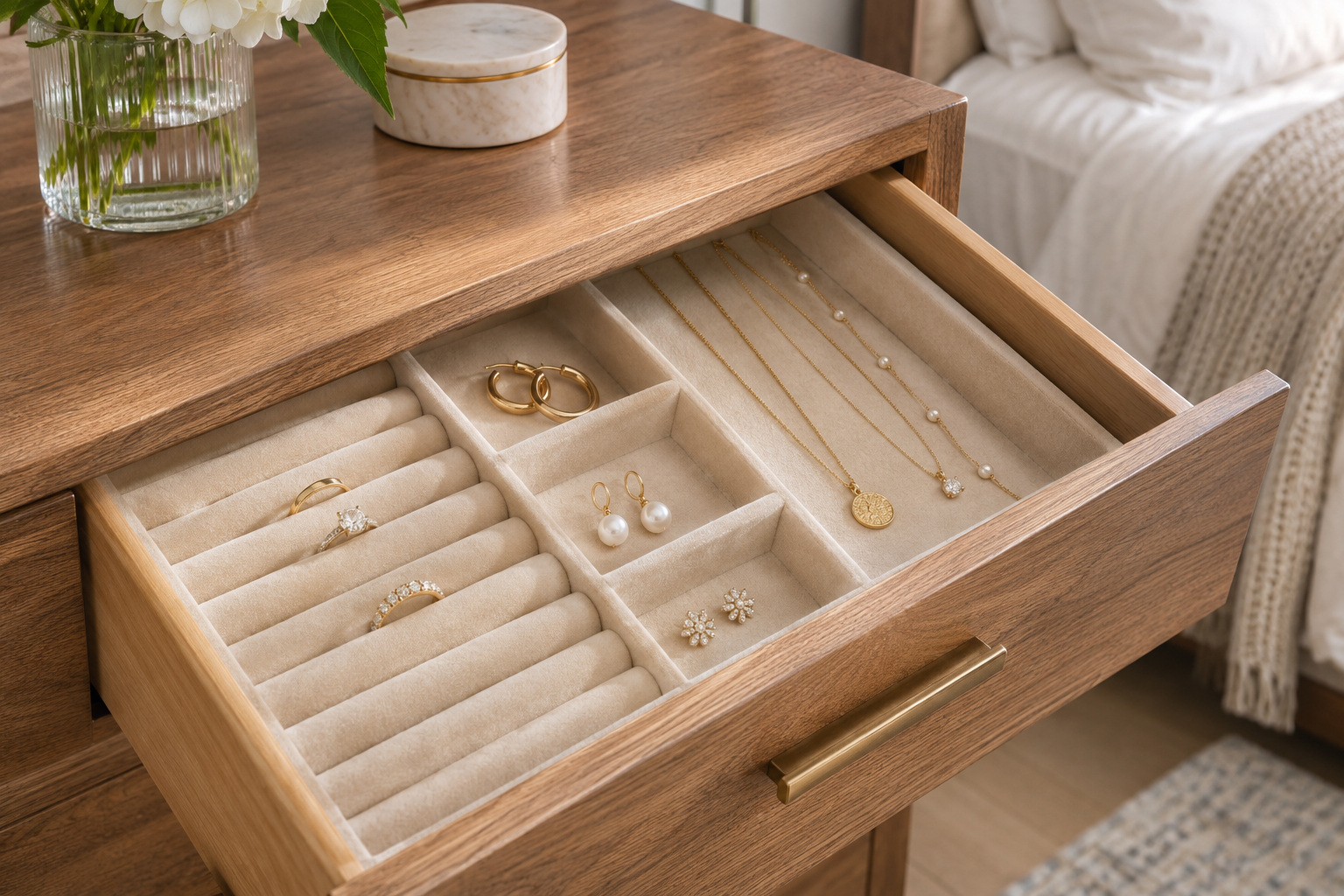
A lined insert turns a dresser drawer into separate spaces for the pieces you wear most. Measure the inside of the drawer, including its usable height, before choosing a tray that slides in without catching.
Group necklaces, earrings, and bracelets in compartments that suit their shapes. Leave a little room in each section so you can lift a piece without pulling its neighbors with it.
2. Give Rings a Slotted Holder
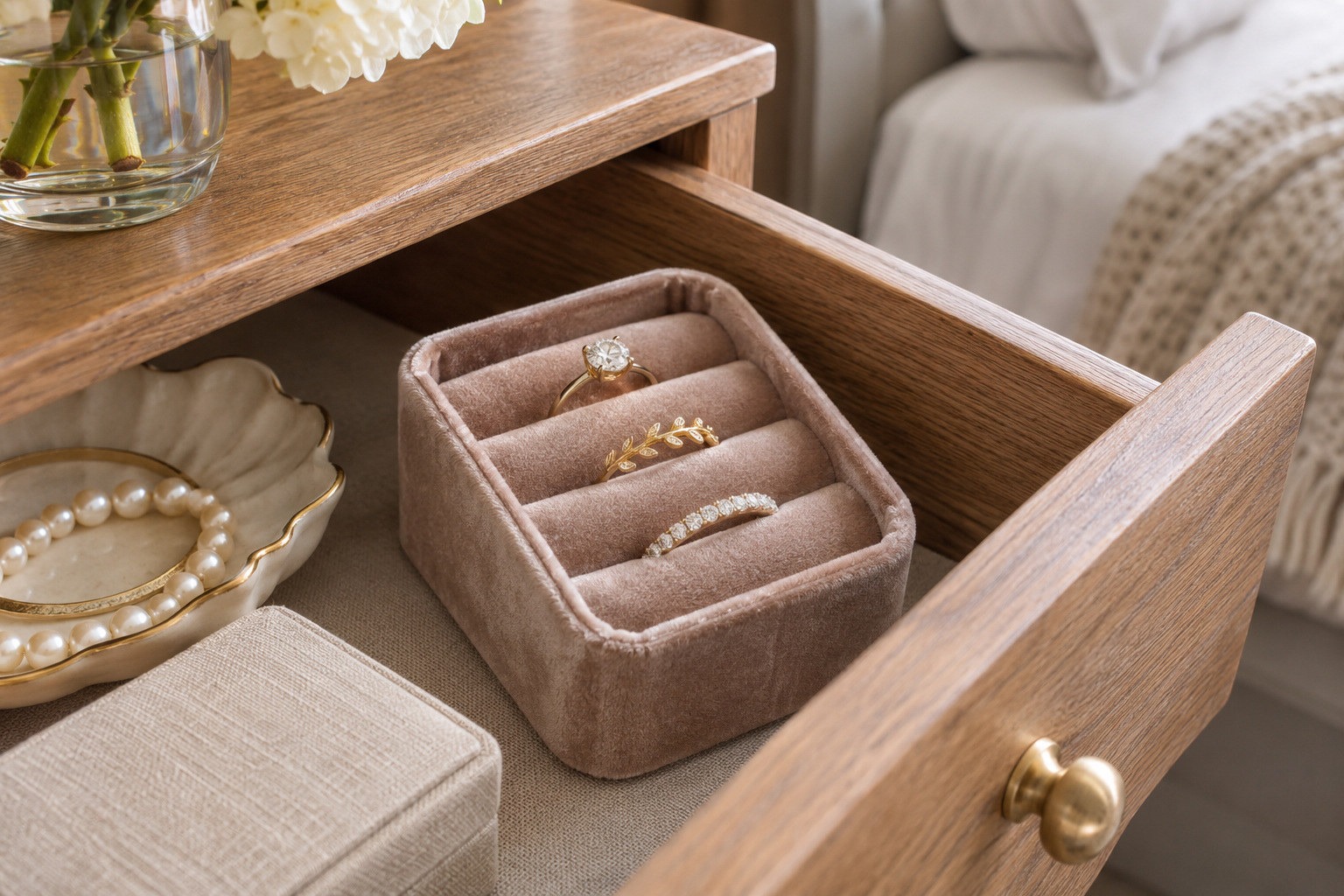
A small slotted ring holder keeps everyday rings upright and easy to see. Set it inside a drawer or a closed jewelry box, where it will not compete with the other items on your dresser.
Choose soft slots that hold your actual rings without forcing the bands. For pieces with fragile settings or special care needs, follow your jeweler’s storage advice.
3. Hang Necklaces on Separate Hooks
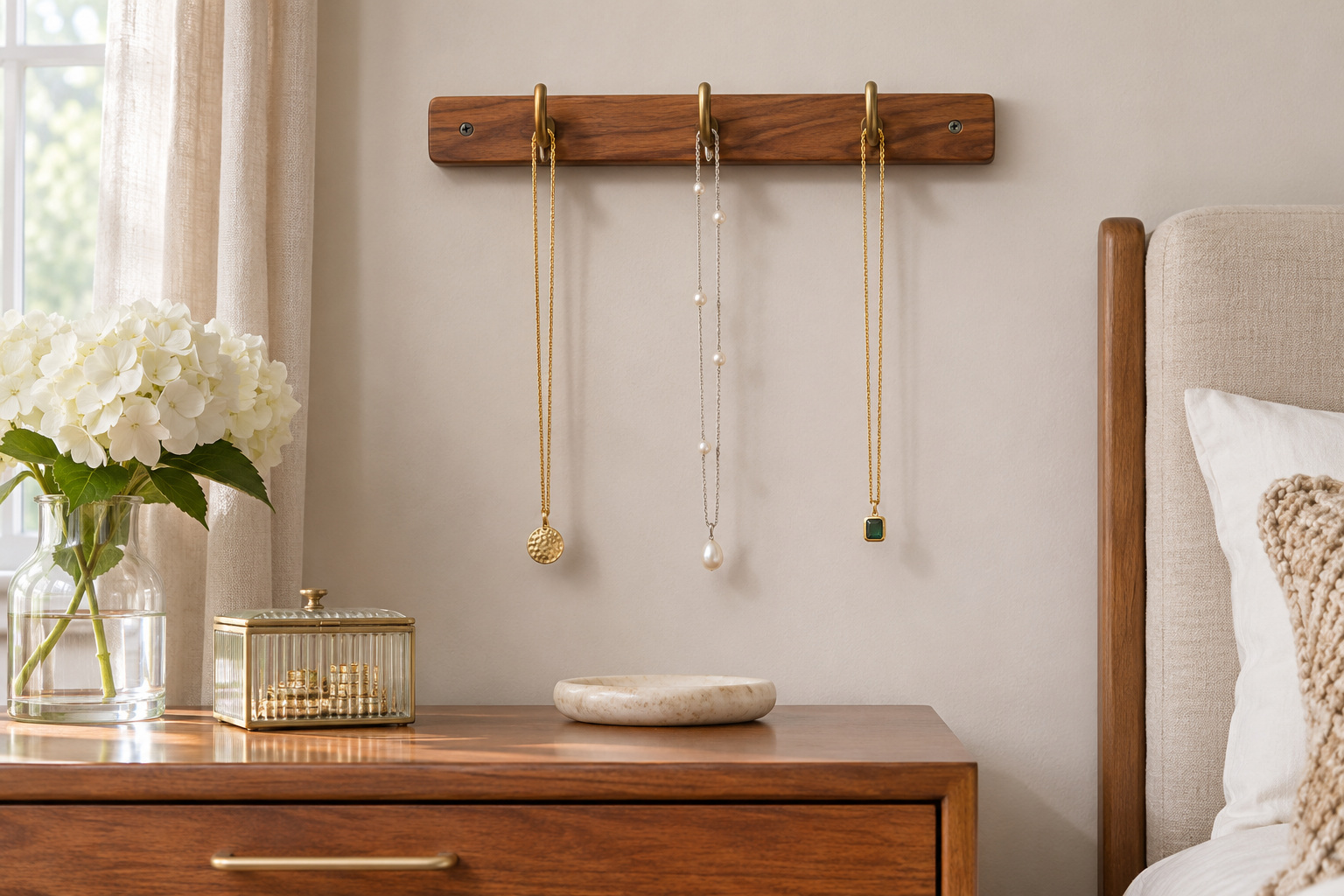
Individual hooks let necklaces hang without gathering every chain on one peg. Mount a small rail beside a dresser or inside a closet door, allowing enough vertical space for your longest pieces.
Keep the hooks far enough apart that pendants do not rub together. Use hardware appropriate for the surface, and place the rail where a swinging door will not strike it.
4. Keep Stud Earrings in Paired Compartments
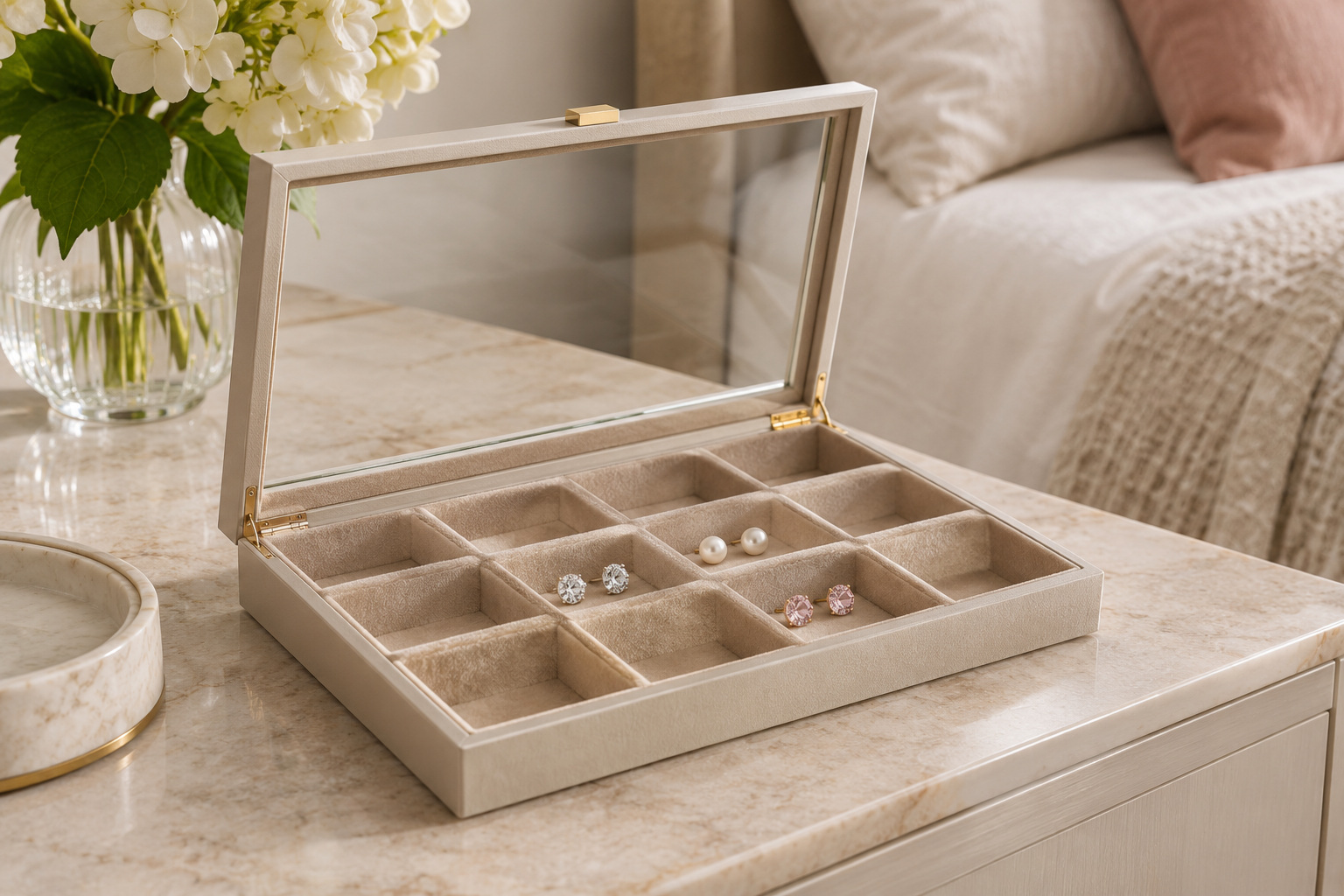
Tiny divided compartments make it easier to return both earrings to the same place. Select a shallow organizer with sections large enough for the earrings and their backs.
A lidded insert works well inside a drawer if the contents tend to move. Keep especially small pieces away from children and pets, and avoid stacking them under heavier jewelry.
5. Stand Bracelets on a T-Bar
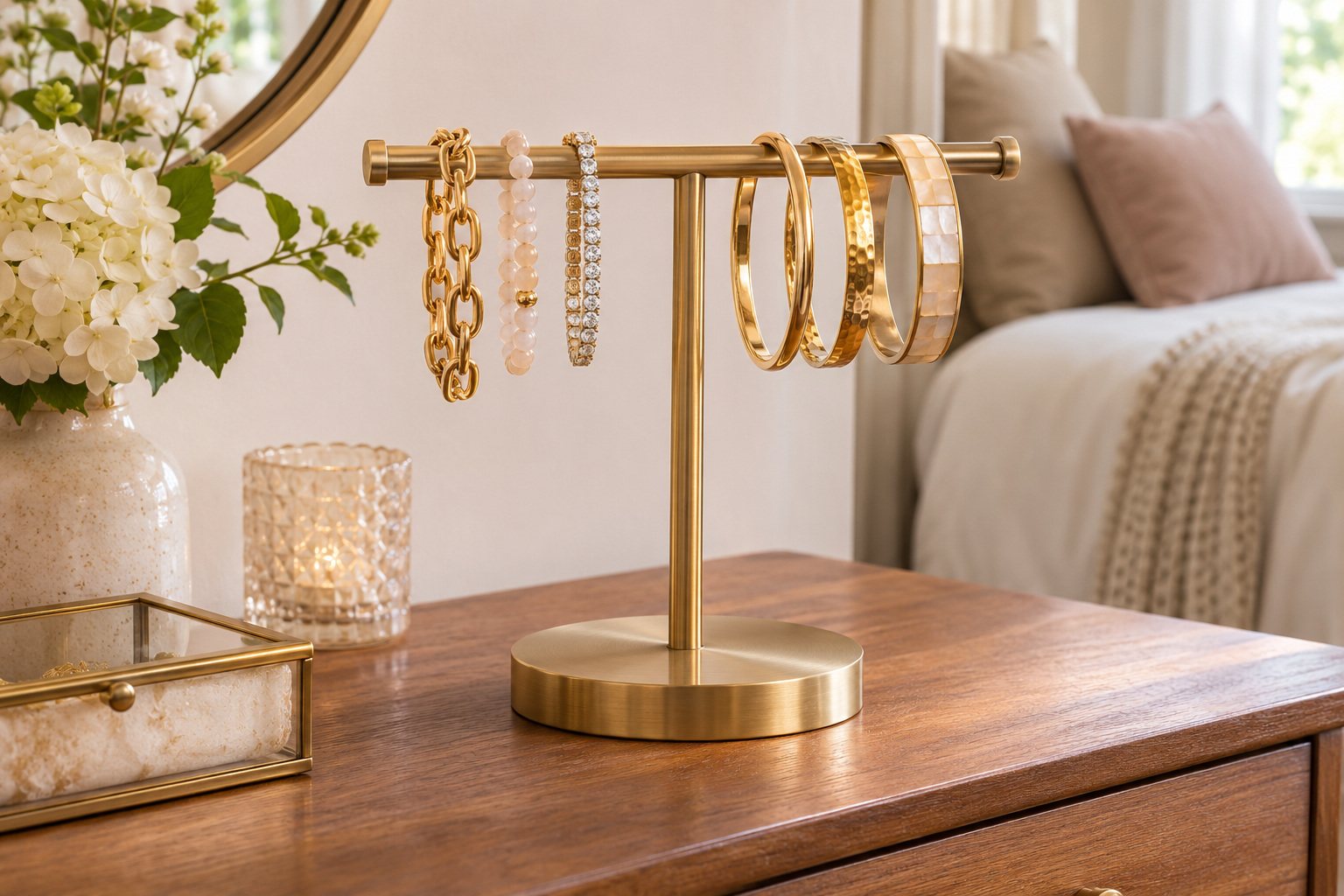
A freestanding T-bar lets rigid bangles and frequently worn bracelets sit where you can see them. Choose a stable base and leave enough space on each arm to slide pieces on and off.
Place the stand away from the dresser edge and keep delicate chains elsewhere if they catch on neighboring bracelets. A modest collection leaves the shape useful rather than crowded.
6. Use a Travel Roll for Trips
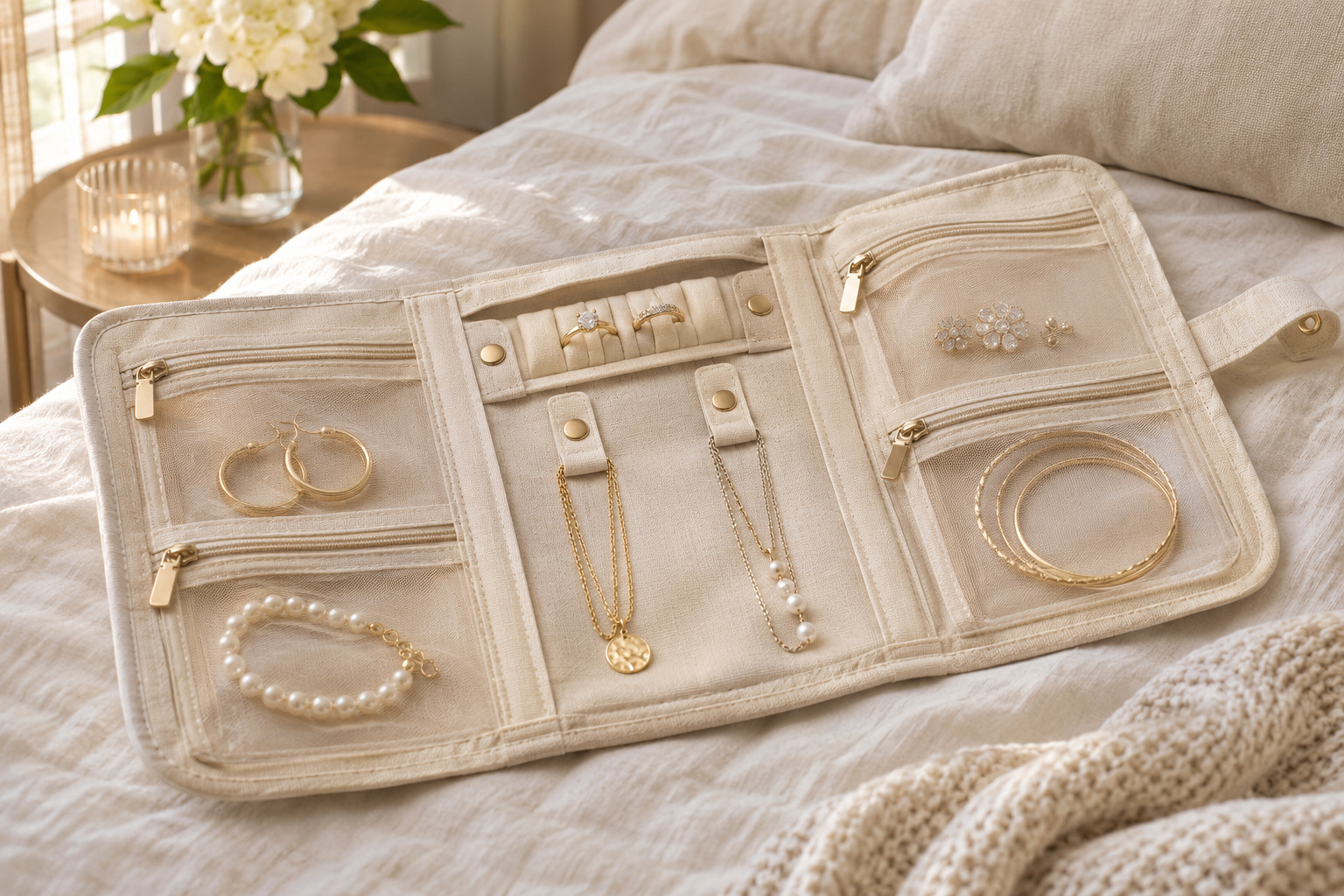
A fabric jewelry roll gives a short trip its own compact system. Look for separate pockets or straps that keep a small selection of earrings, necklaces, and rings from moving together in a suitcase.
Fasten each closure before rolling and keep the pouch with your other personal items. Pack valuable or irreplaceable pieces according to your travel plans and personal security needs.
7. Choose a Closed Jewelry Box
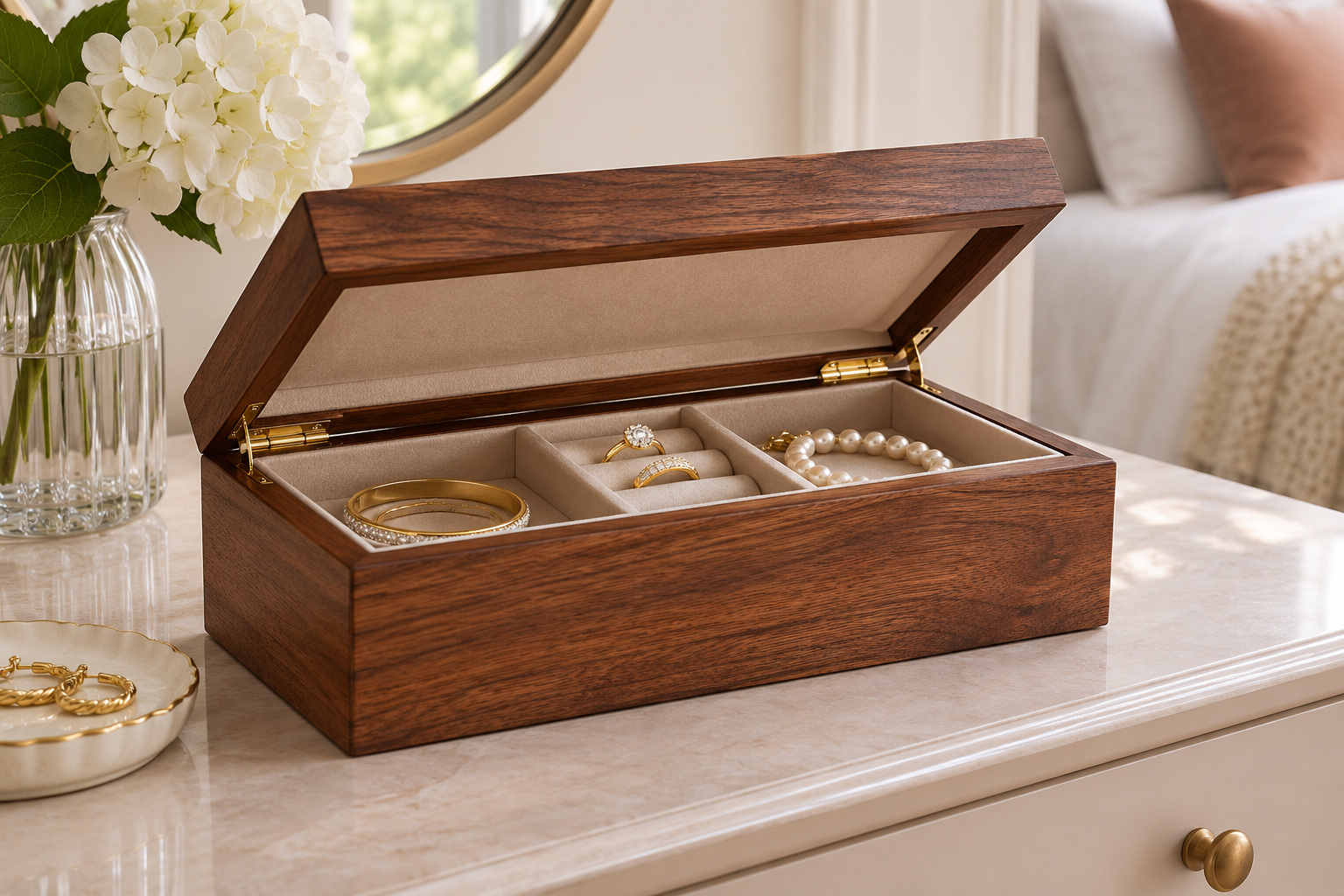
A closed jewelry box gathers a mixed collection into one contained footprint. Pick a box with a lid that opens comfortably and enough divisions for the types of jewelry you actually own.
Keep the box on a stable dresser or shelf, and return each piece to a designated compartment. A lid reduces visible clutter but does not replace secure storage for valuables.
8. Place Daily Pieces in a Small Tray
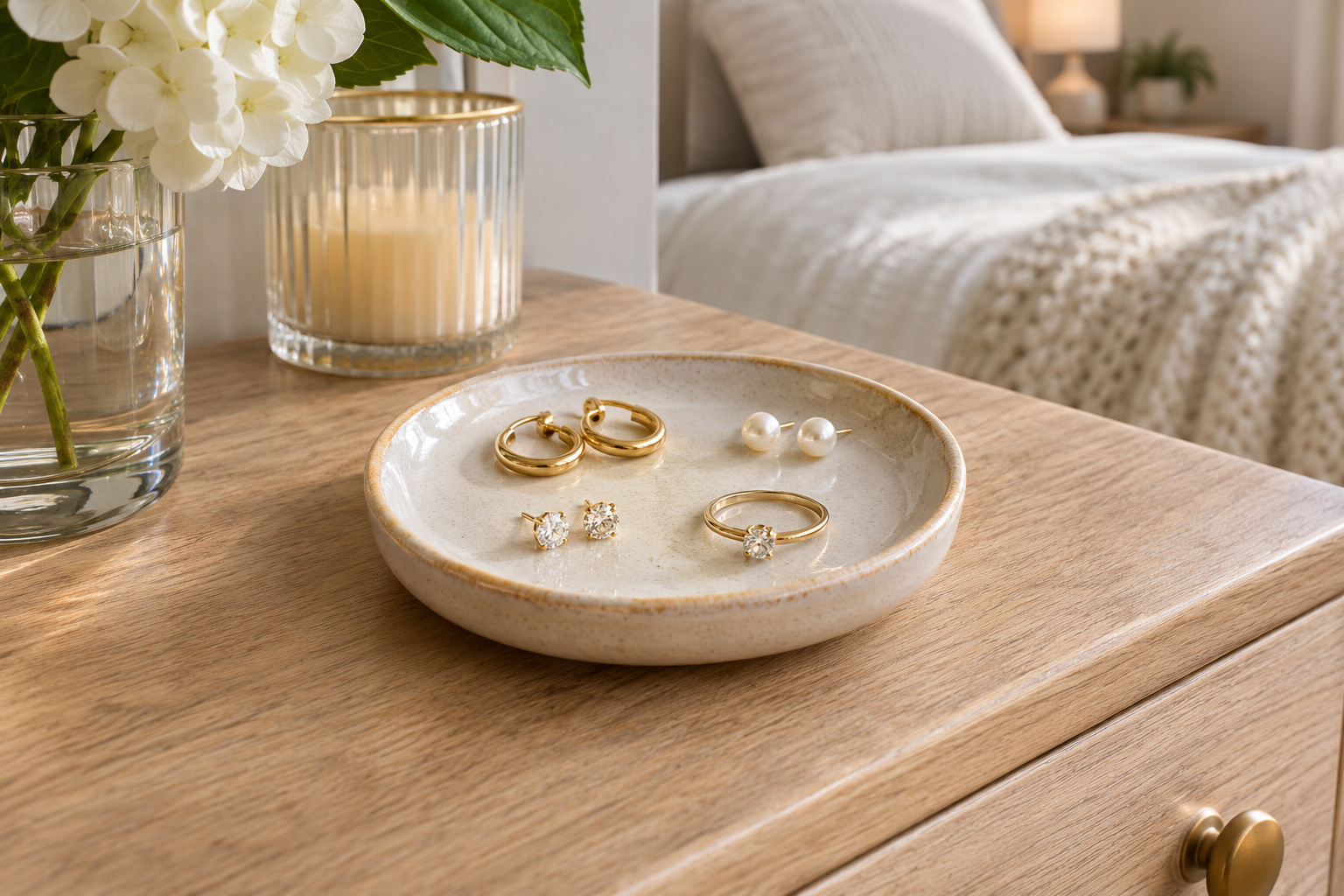
A shallow tray beside your getting-ready spot provides an easy landing place for the pieces you remove each evening. Choose one with a raised edge and a soft surface suitable for the items you use daily.
Limit the tray to a few pieces so it remains easy to clear. Move occasional jewelry into its longer-term storage instead of letting the surface become an unsorted pile.
For another place to keep everyday essentials close at hand, explore our nightstand alternatives.
9. Store Watches in Cushioned Slots
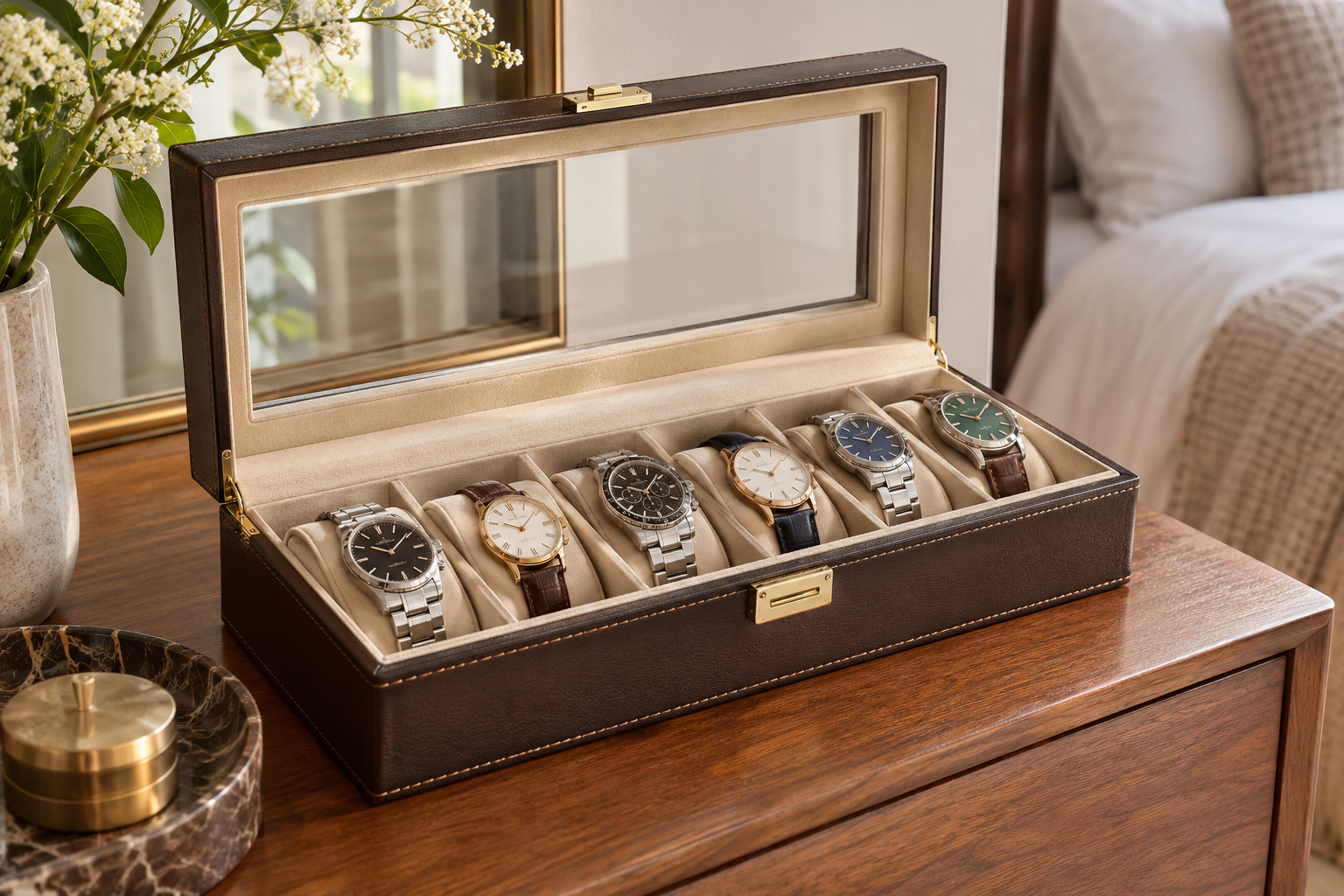
A watch organizer with individual cushions can keep straps and faces separated in a drawer. Measure bulky watch cases and straps so the lid or drawer can close without pressing on them.
Leave space around each watch and follow the manufacturer’s care instructions, particularly for special straps or smart devices. Store chargers separately when they are not in use.
10. Use a Wall Cabinet With a Mirror
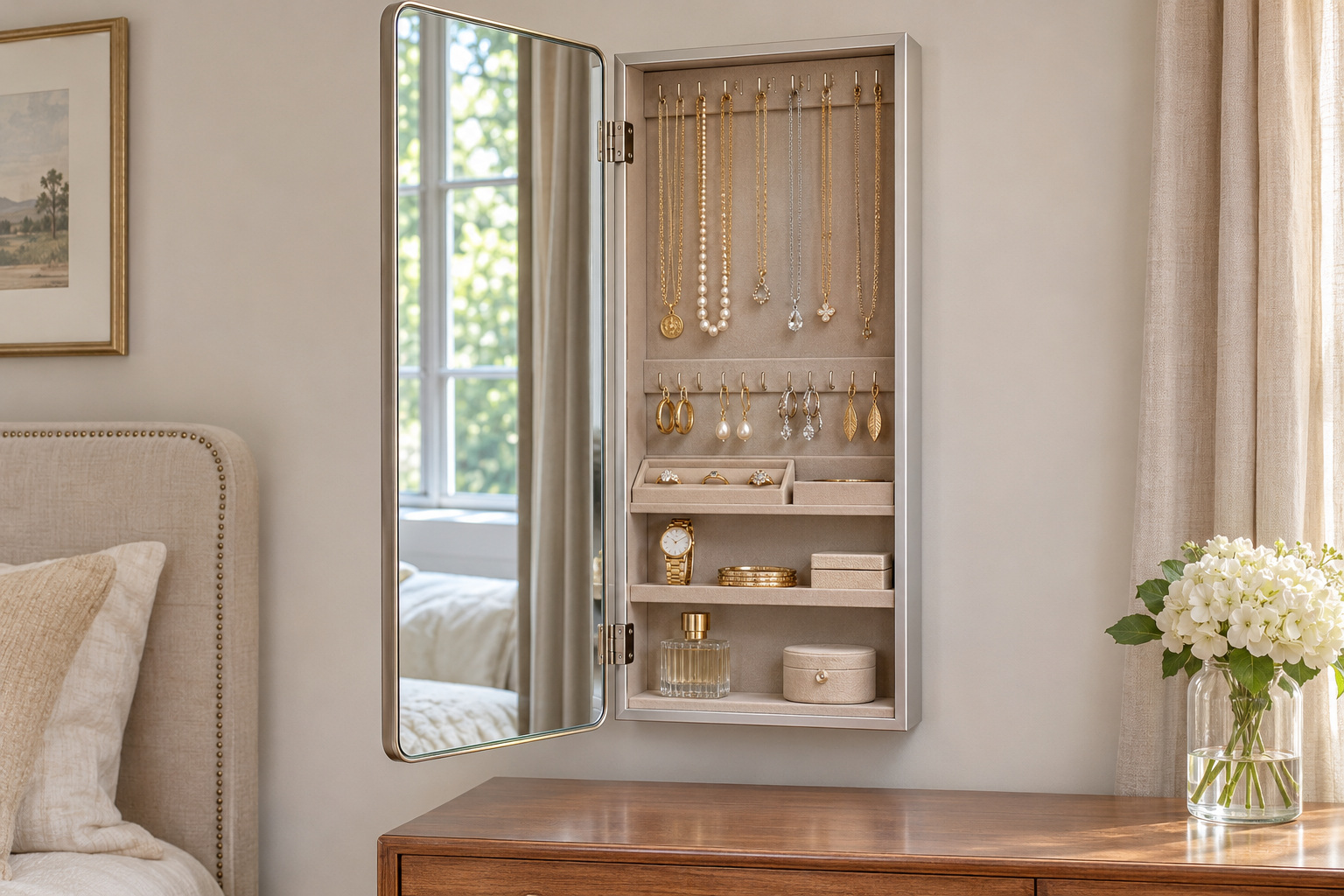
A slim mirrored wall cabinet can combine getting ready and jewelry storage without taking up dresser surface. Check the cabinet depth and open door swing before choosing the location.
Install it using fixings suitable for the wall and follow its load instructions. Arrange heavier items low and make sure necklaces do not catch in the door when it closes.
11. Separate Long Chains in Individual Pouches
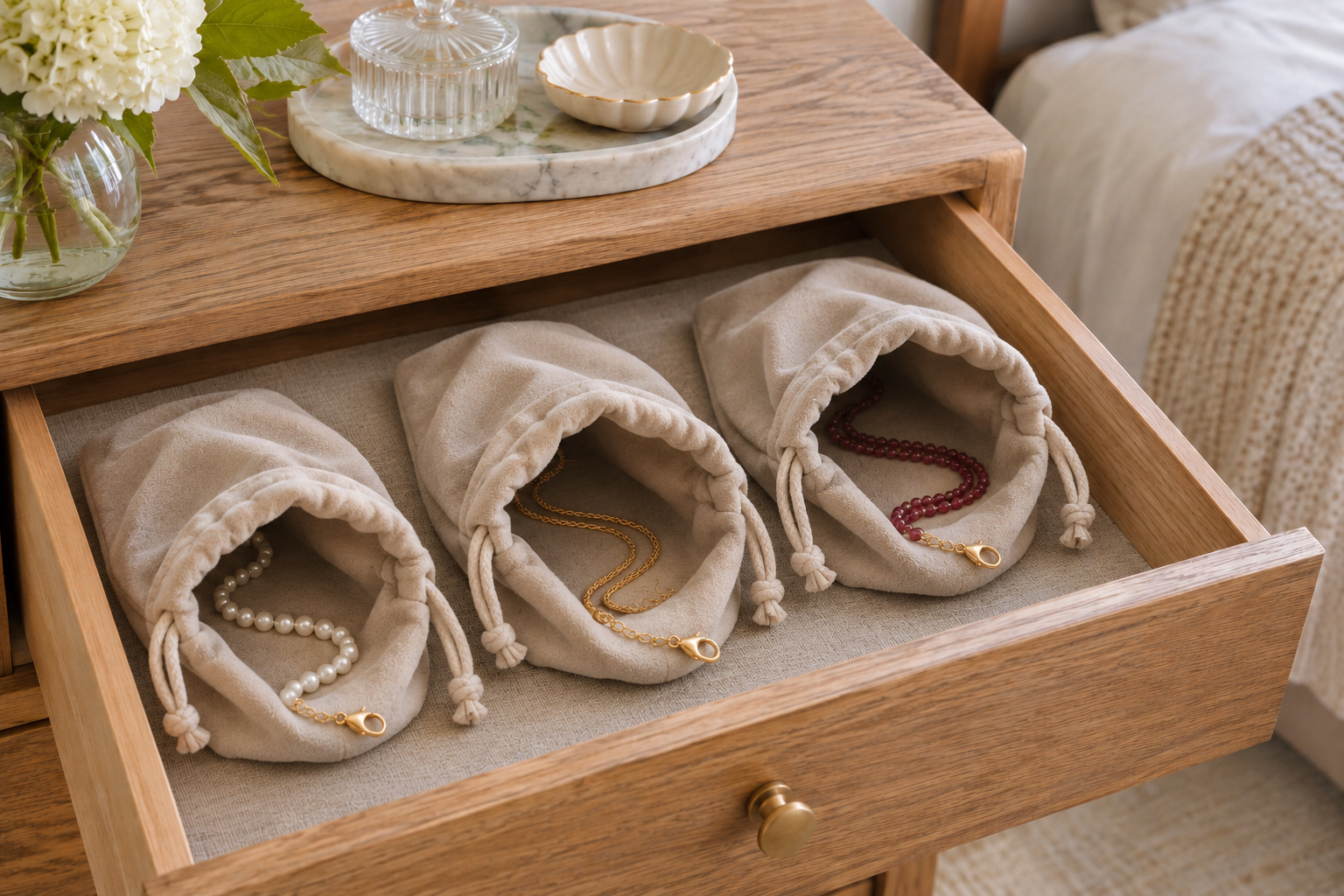
Small soft pouches can keep longer necklaces separated in a drawer or larger jewelry box. Put one chain in each pouch rather than packing several loose pieces together.
Close the pouch gently without trapping the clasp, and avoid tight bends. Choose materials and storage conditions appropriate for the jewelry, especially delicate or heirloom pieces.
12. Organize Brooches in a Shallow Box
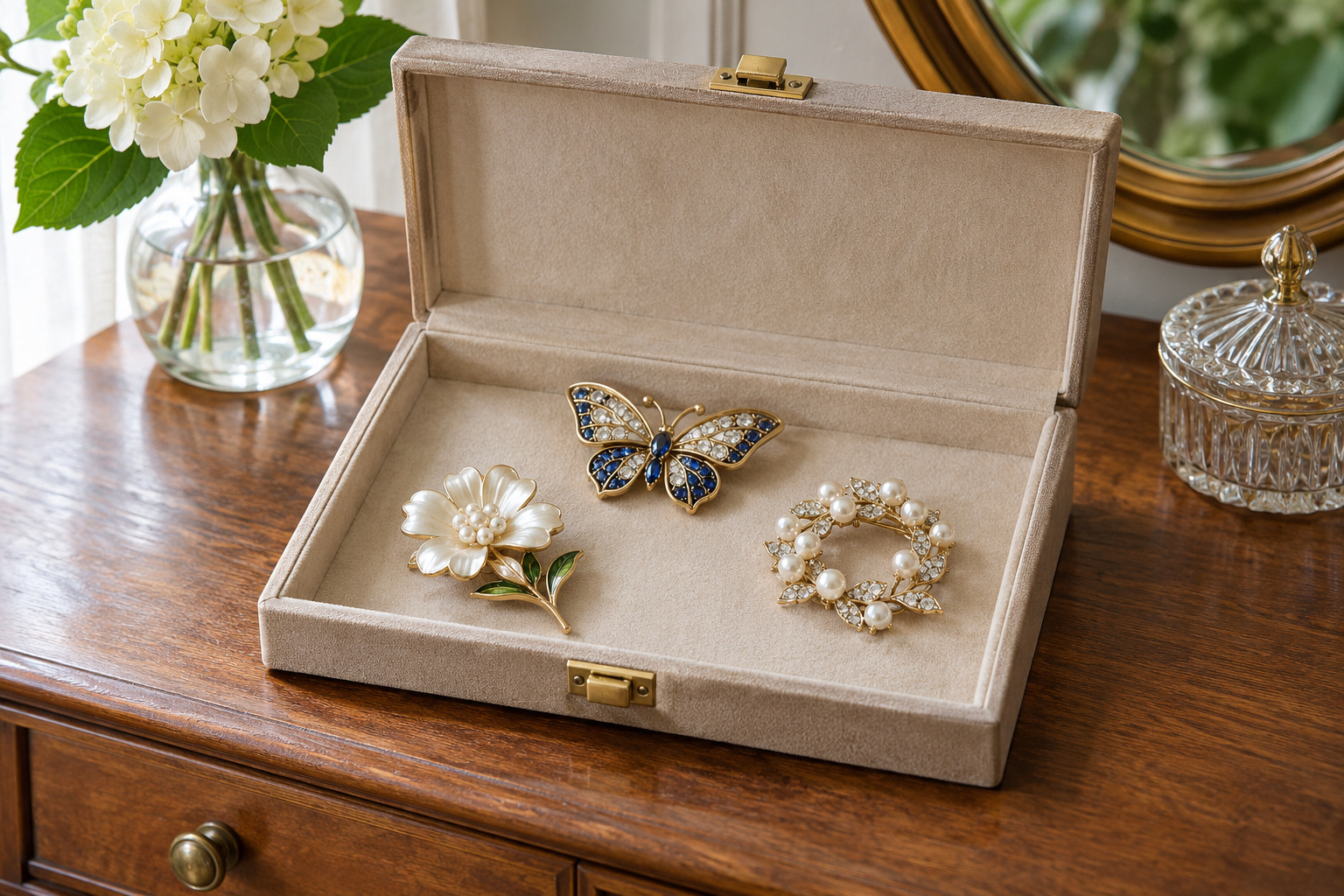
A shallow lined box lets brooches lie flat so shapes and fastenings remain visible. Give each piece enough room that pins and decorative surfaces do not press against one another.
Close the fastenings when appropriate and handle older pieces with care. If a brooch needs special conservation, ask a qualified jeweler for advice.
13. Keep Matching Earrings on a Display Card
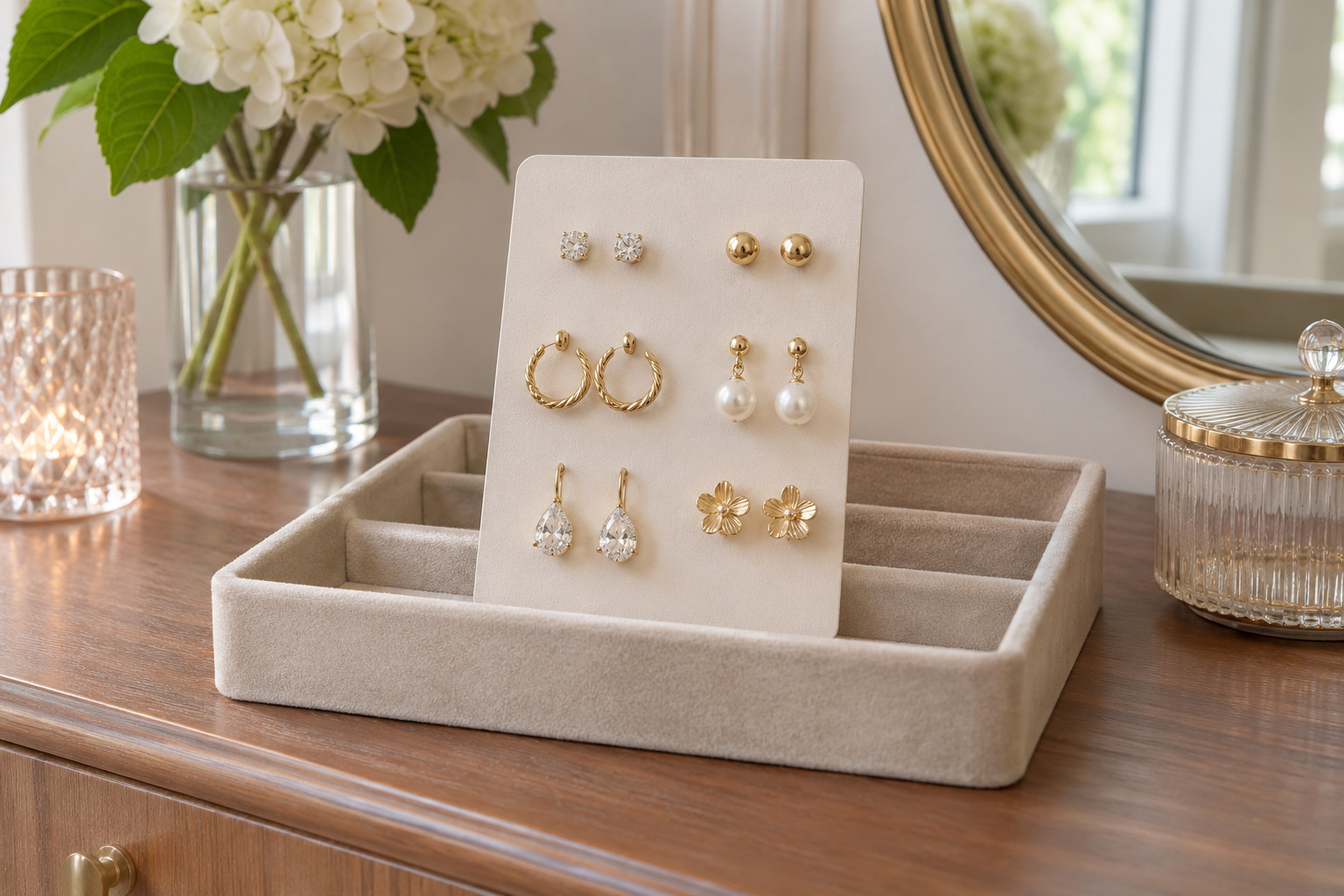
A display card or earring holder can keep matching pairs together in a drawer. Use a material and holes that support the earrings without bending posts or stretching delicate findings.
Arrange the card inside a box or tray so it does not tip over. Skip this method for pieces that do not fit comfortably or require different storage.
14. Use Stackable Trays in a Deep Drawer
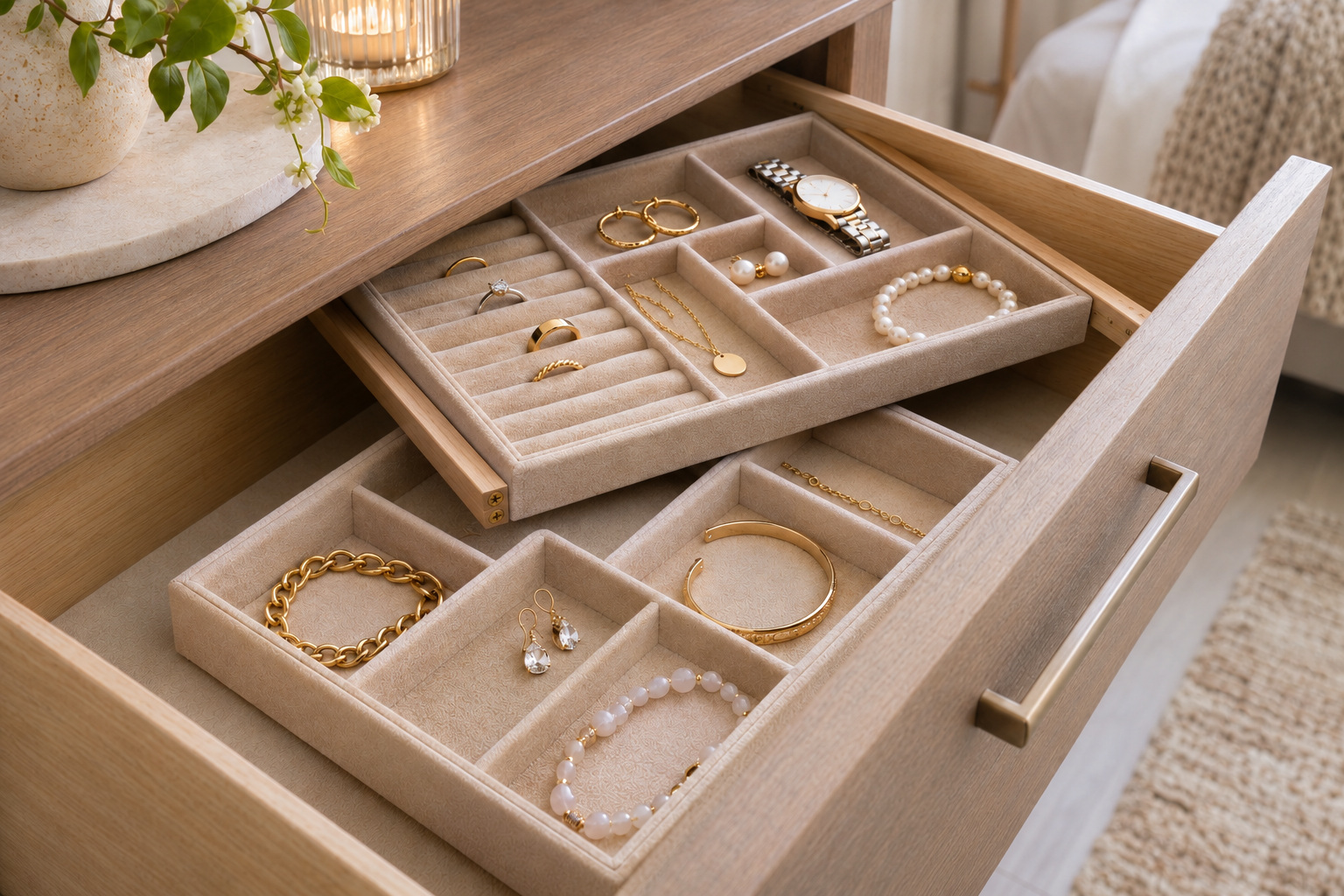
Stackable jewelry trays make use of drawer height while keeping each layer removable. Measure the drawer with the trays in place so it closes freely and the top layer is easy to lift.
Give each layer a purpose, such as bracelets below and earrings above. Avoid piling so many trays into the drawer that reaching the bottom becomes a chore.
15. Reserve a Lined Box for Delicate Pieces
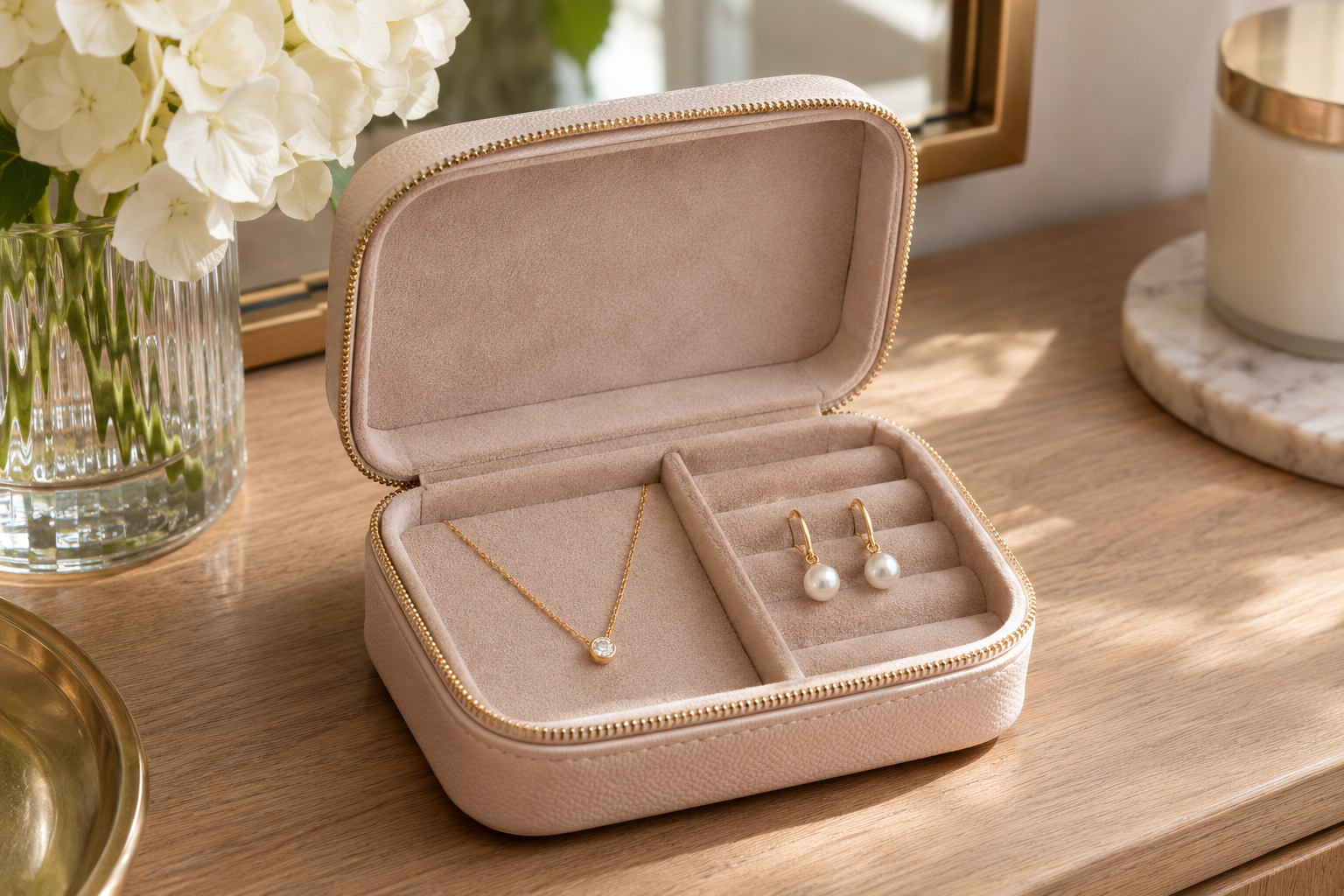
Set aside a soft-lined box for fragile or rarely worn jewelry that needs more breathing room. Separate pieces rather than letting hard settings and chains press against one another.
Keep the box in a clean, dry location and follow care guidance for its contents. A jeweler can advise on materials or storage conditions for particularly delicate pieces.
16. Use a Rotating Organizer for Daily Pieces
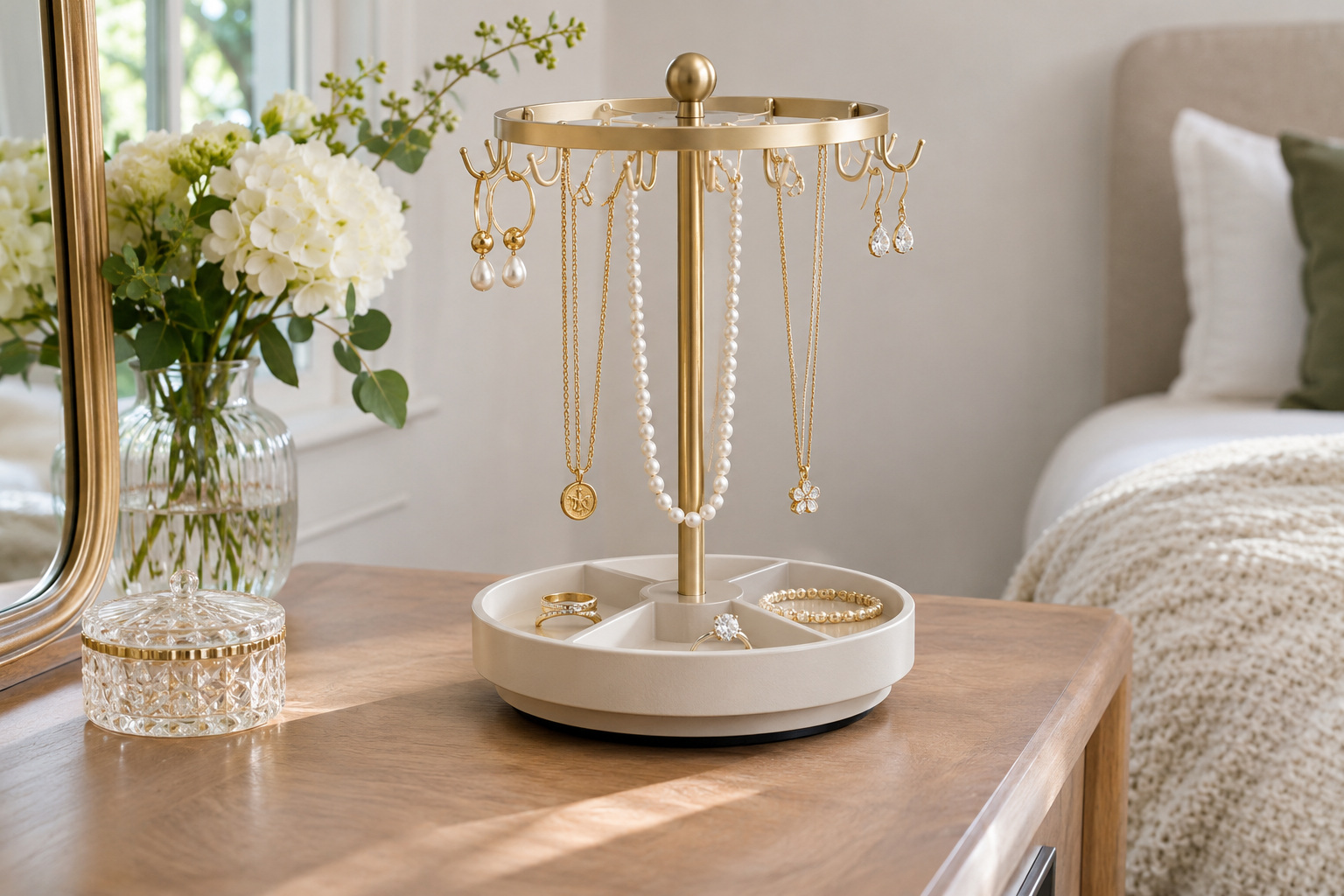
A rotating organizer can put a few frequently worn pieces within reach from a compact footprint. Choose a stable design and arrange earrings and necklaces so they do not snag as it turns.
Test the rotation before filling every hook. Leave enough clearance from the wall and nearby objects, and keep the heaviest items close to the base.
17. Store Occasion Jewelry in Clear Boxes
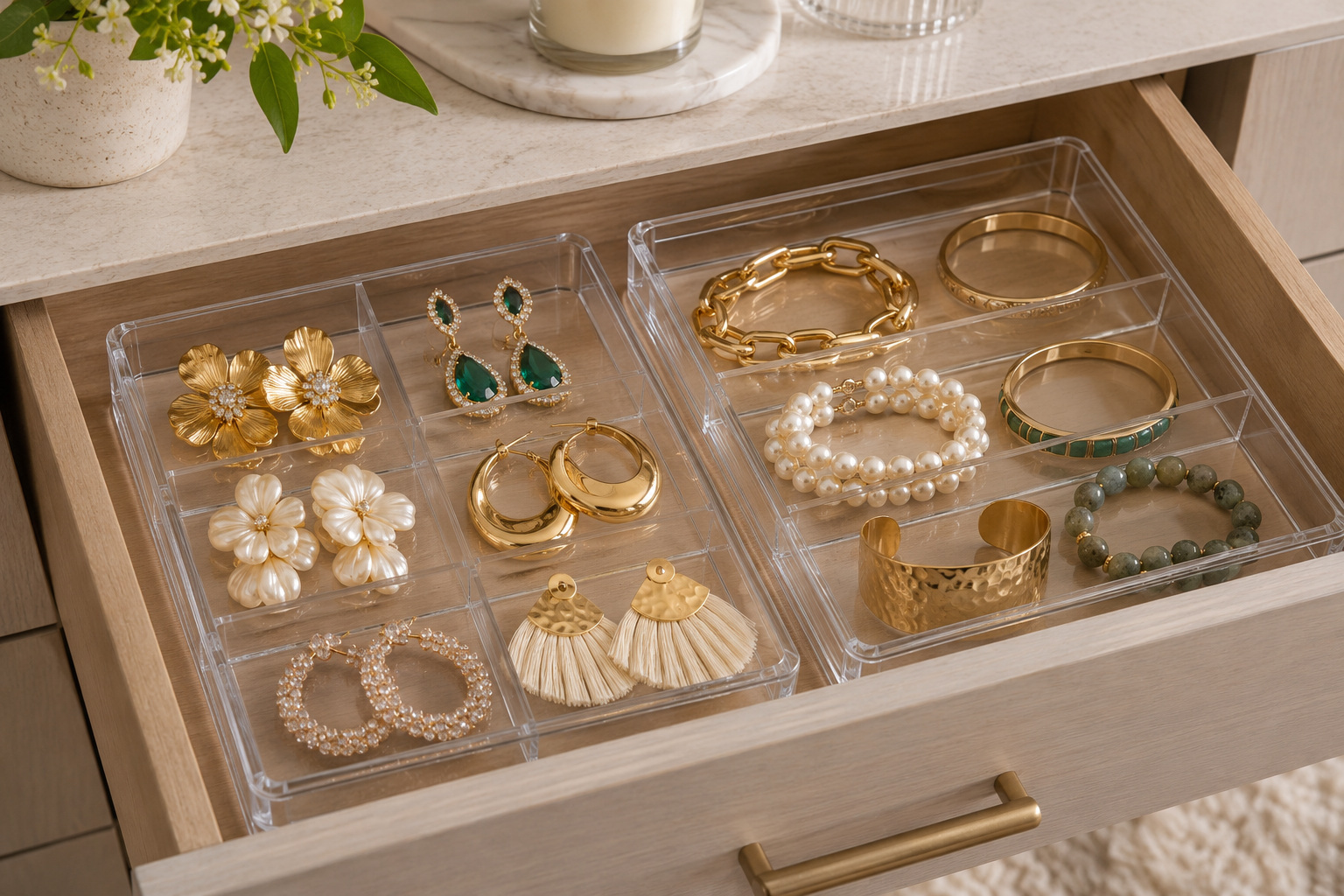
Clear, compartmented boxes let you find occasional statement earrings or bracelets without opening several containers. Group the pieces by occasion or type and choose dividers that prevent contact.
Store the boxes flat on a shelf or in a drawer where they will not slide. Check that the materials and location are suitable for the jewelry rather than assuming one container protects every finish.
18. Keep a Small Pouch in a Gym Bag
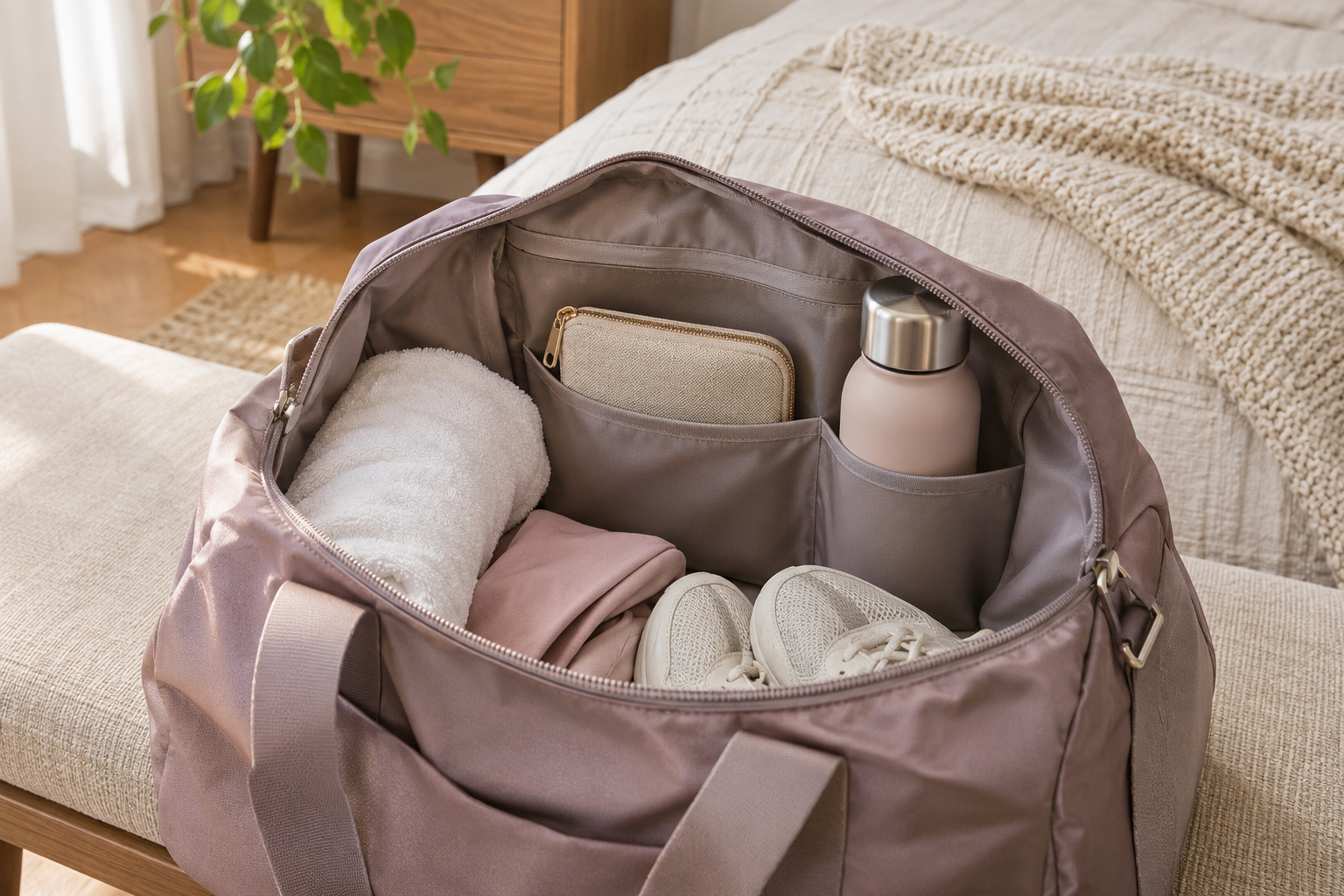
A dedicated little pouch gives a ring or pair of earrings a temporary place when you change for a workout. Choose a secure closure and put the pouch in a consistent interior pocket.
Empty it when you return home so jewelry is not forgotten among damp clothing. Decide whether to leave valuable pieces at home based on your circumstances.
19. Store Statement Necklaces Flat in Long Drawer Channels
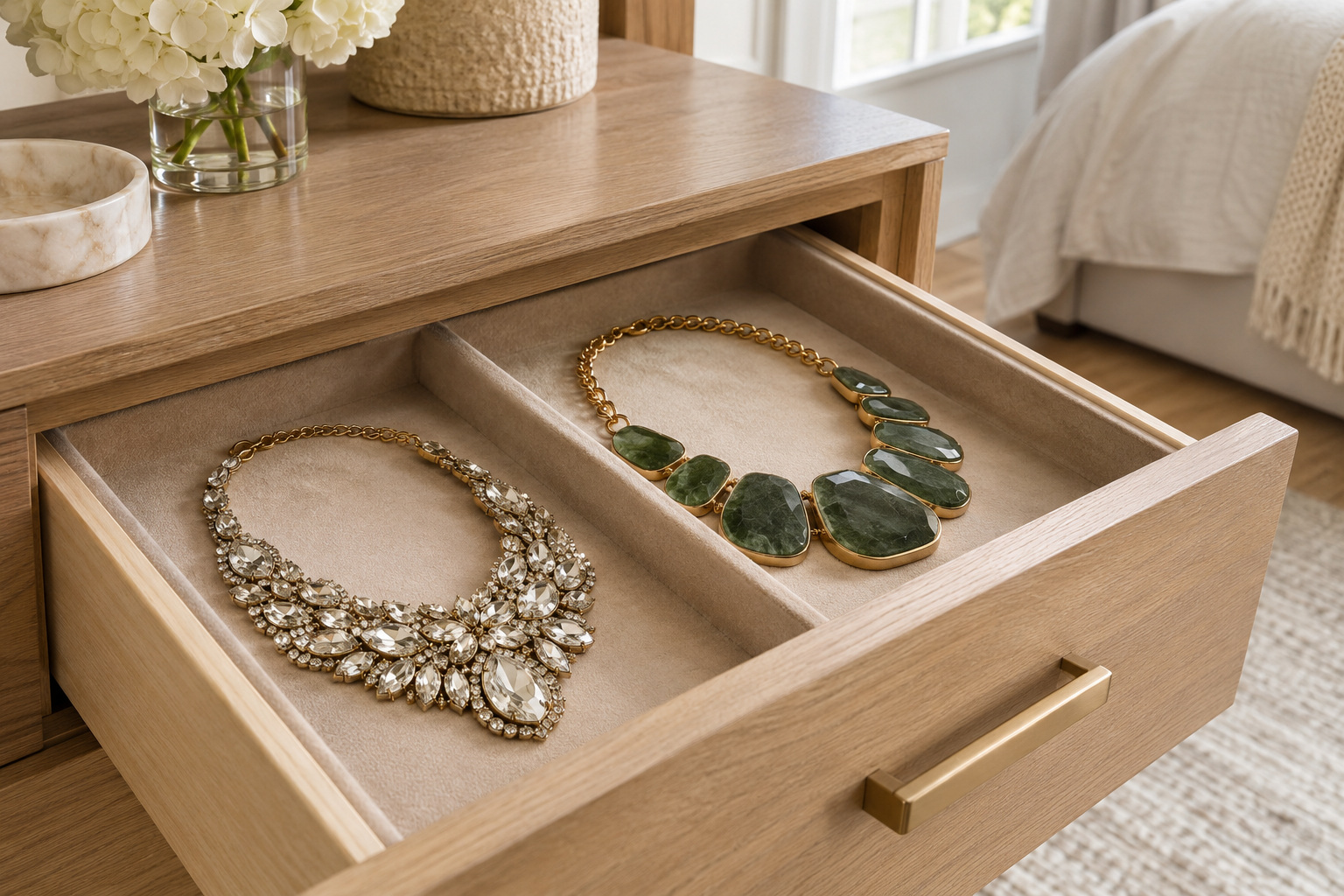
Long, lined drawer channels can support a larger necklace flat instead of hanging it from a single point. Measure the widest pendant and leave enough room for the chain to rest without tight bends.
Keep one statement piece in each channel and close the drawer gently. If the construction or stones need special care, use the storage method recommended by a jeweler.
Begin by separating the pieces you use every day from those you wear occasionally. Give each group enough space to be returned easily, whether that means a tray near the dresser, divided drawers, or a closed box. Revisit the setup as your collection changes, and choose special storage with professional advice when a piece needs it.
Discover more from HomeTrendora
Subscribe to get the latest posts sent to your email.