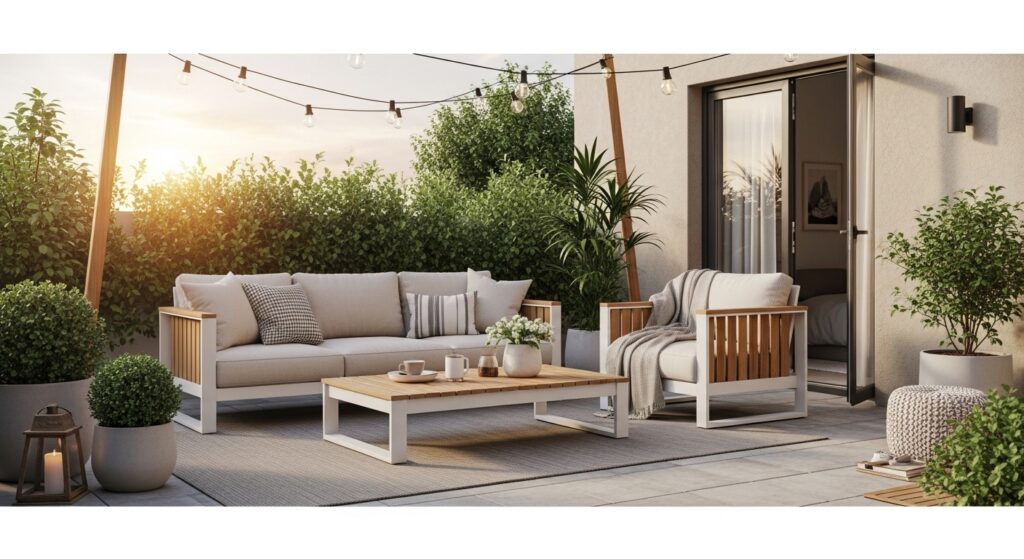
Before buying anything for the patio, find a dry place to sit, a firm path to the door, and somewhere to set down a drink. Move the furniture you have and try the arrangement at the time of day you’ll use it. The missing piece might be shade over one chair or better light on a step.
Spend first on the parts that need to carry weight, stay secure, or work safely outdoors. Use what you already own for smaller jobs such as holding cushions, gathering pots, or adding color. These 30 budget-friendly patio ideas help you decide what to reuse, what to refresh, and what’s worth buying.
1. Give Existing Masonry a Simple Bench Seat
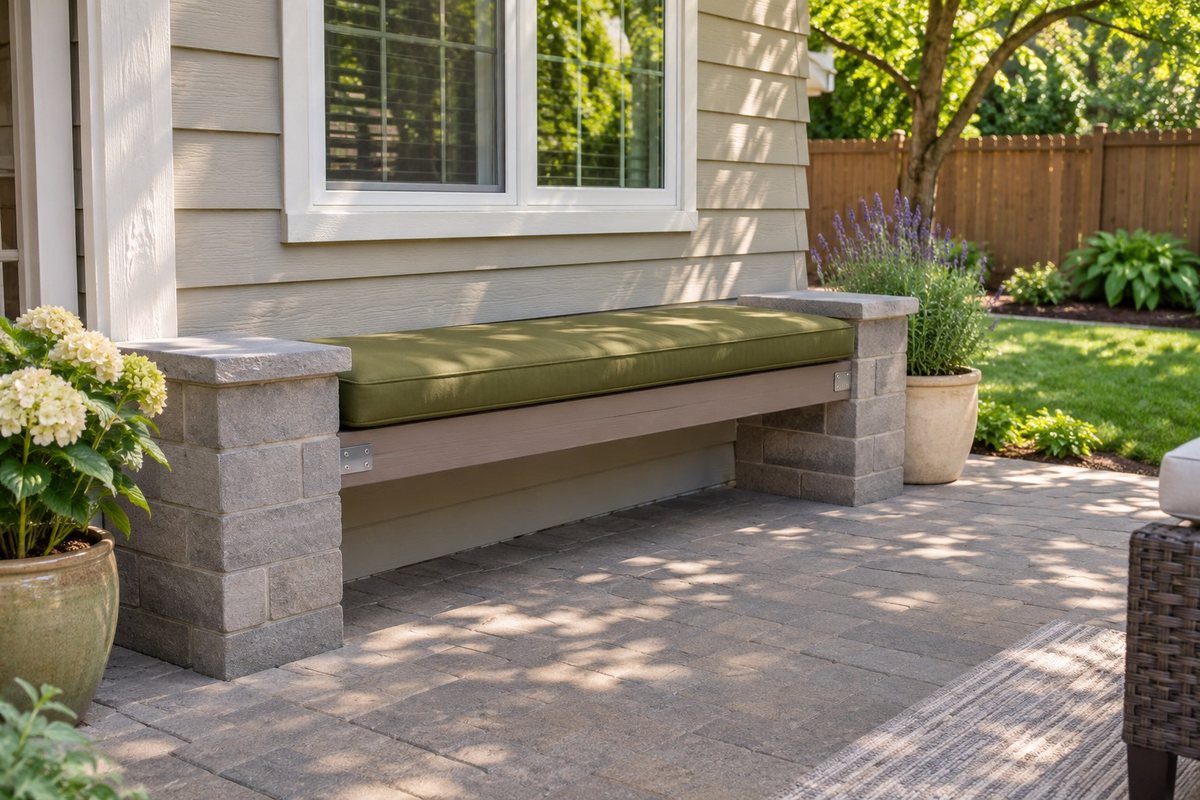
If the patio already has a sound low masonry wall or built-in bench, measure it before you shop for another seat. A removable pad can make a broad, level ledge more comfortable. A wood seat over fixed masonry supports can also work if the supports and attachment are designed to carry people.
Keep the ends clear and try the height before you add a thick cushion. Use a stable outdoor bench if the blocks you have are loose or the masonry was never meant to be a seat. Save the fabric for the place you use most.
2. Use Pallet Slats as a Coffee Table Accent
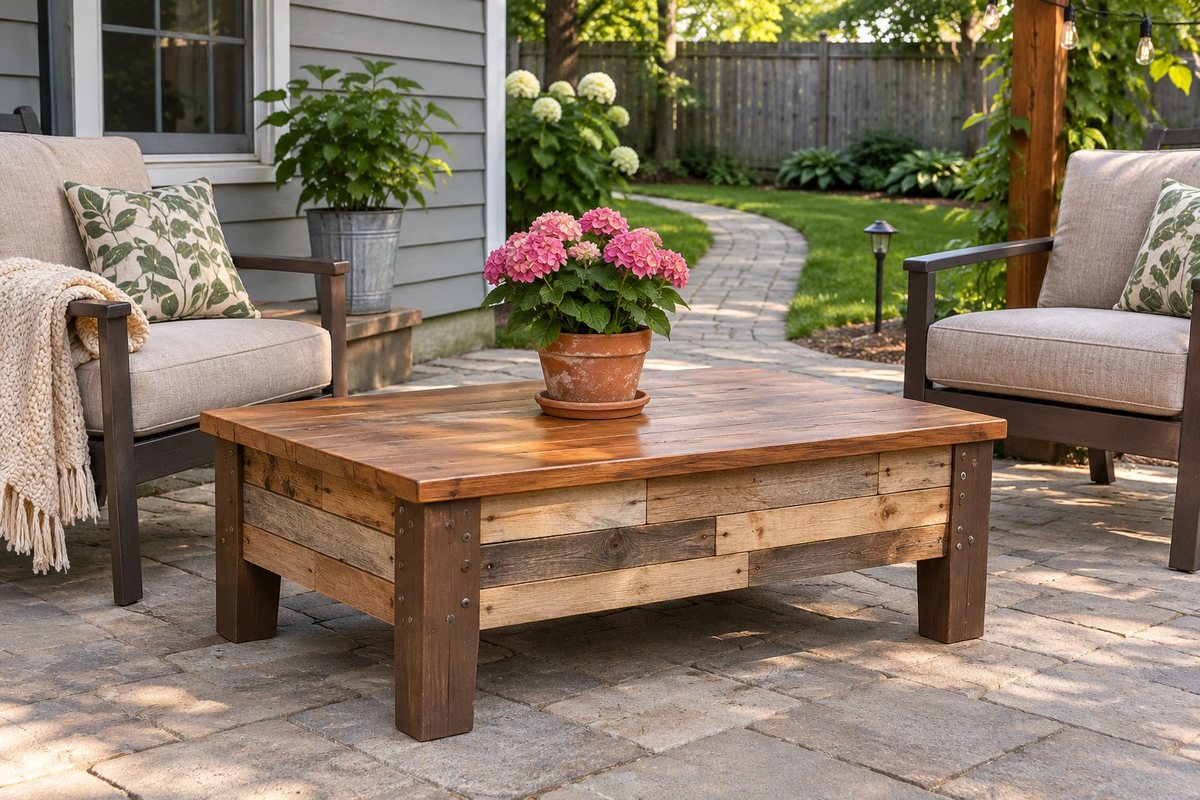
Use clean, sound pallet slats as trim on the side of a table with a sturdy top and legs. Short slats can hide a tired edge or give an older piece a warmer look. Keep the tabletop smooth so a glass can sit flat and you can wipe it clean after a meal.
Choose reclaimed wood with a known history and keep it away from food contact. If the table wobbles, fix the base or replace it before spending money on trim. These pallet garden ideas show more small uses for sound slats.
3. Put Pea Gravel Around a Firm Paver Zone
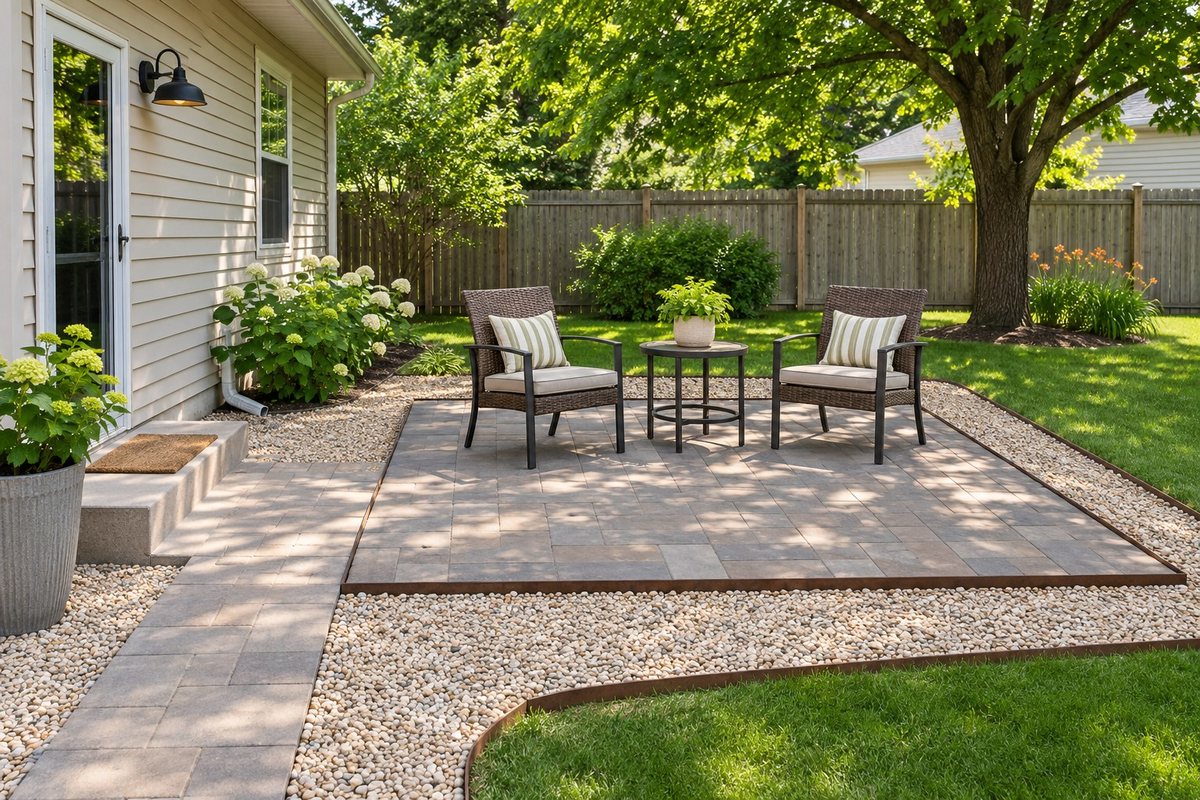
Use pea gravel around a firm paved zone instead of covering the entire patio with the same material. Put chairs and tables on a level surface so their legs stay steady. Use solid paving where you walk from the door or carry a tray. Keep the gravel within an edge that prevents it from spreading onto the path.
Look at the yard after rain before choosing where the gravel goes. If the base needs work, solve drainage before buying surface materials. The deck and patio ideas for your backyard show layouts with several ways to use a paved zone.
4. Hang One Short Run of Outdoor String Lights
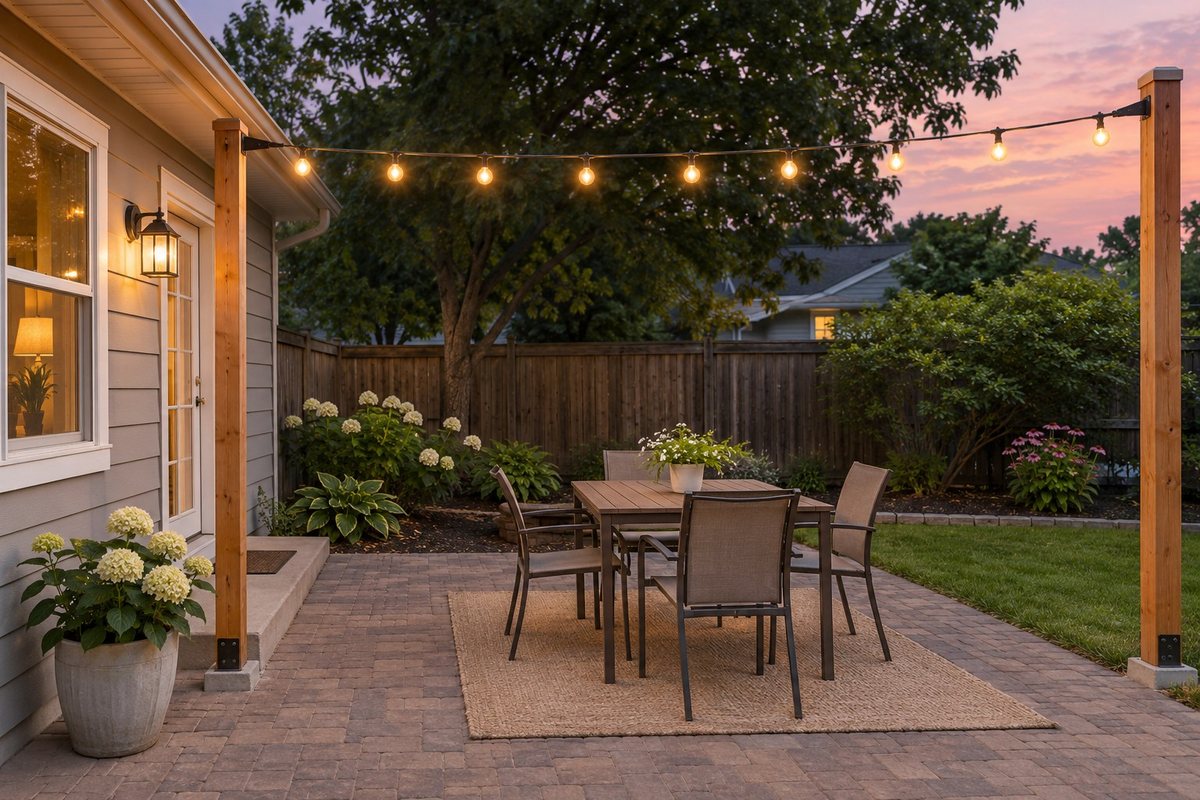
Light the table or seat you use after dark with one short run of outdoor string lights. A warm strand can cover a small area without wrapping the whole fence or roof. Choose lights and connections rated for the exposure, and follow the manufacturer’s instructions for mounting and support.
Keep connections and cords out of the walking route. Use suitable permanent supports and ask a qualified electrician about a new outlet or fixed wiring if needed. Look at the light from the chair before you buy a second strand. One well-placed run often gives enough light for a small gathering.
5. Use Fabric to Screen One Unwanted View
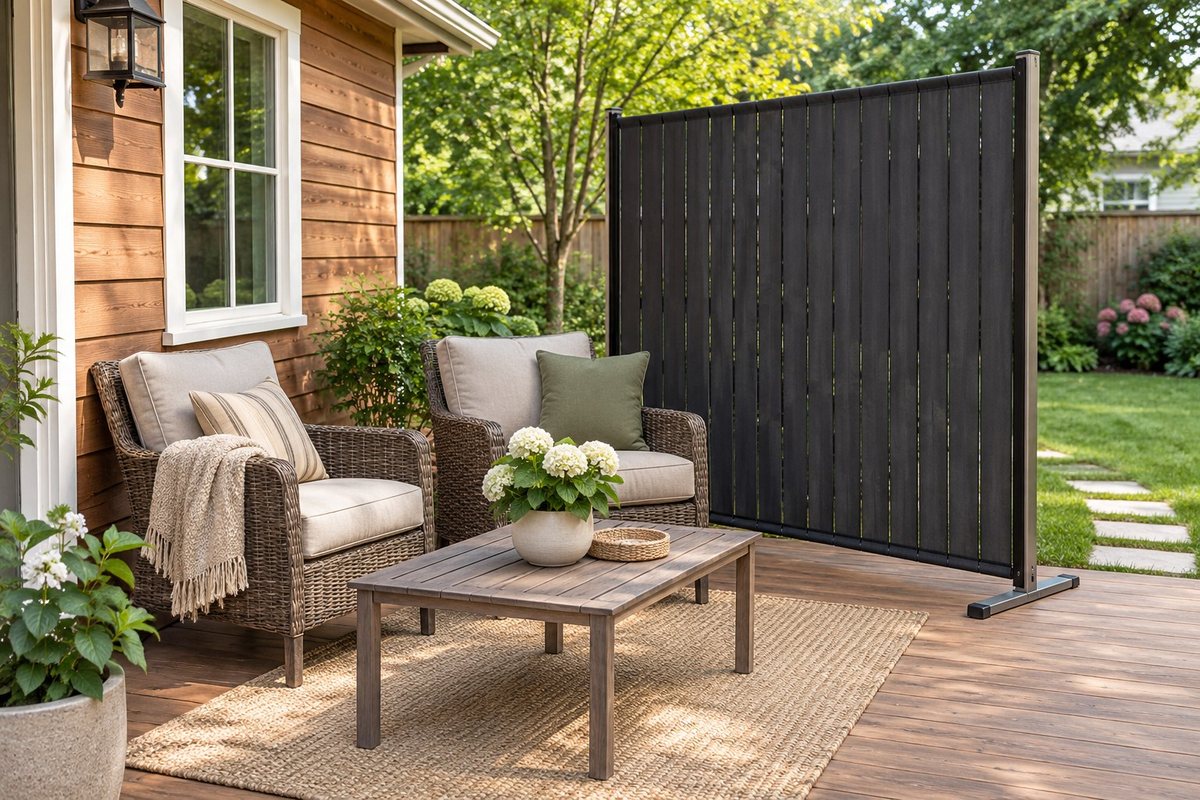
Block one unwanted view with a weather-suitable fabric panel. Position it to the side of the seat so you can keep the rest of the patio open. A darker fabric can blend into a fence, while a pale one can make a corner feel brighter. Choose the smallest panel that covers the view from the seat.
Use a system suited to the site’s wind and follow its support and storage instructions. Leave the door, steps, and airflow clear. These small balcony privacy ideas show other ways to screen a narrow outdoor area without adding a full enclosure.
6. Group the Pots You Already Have
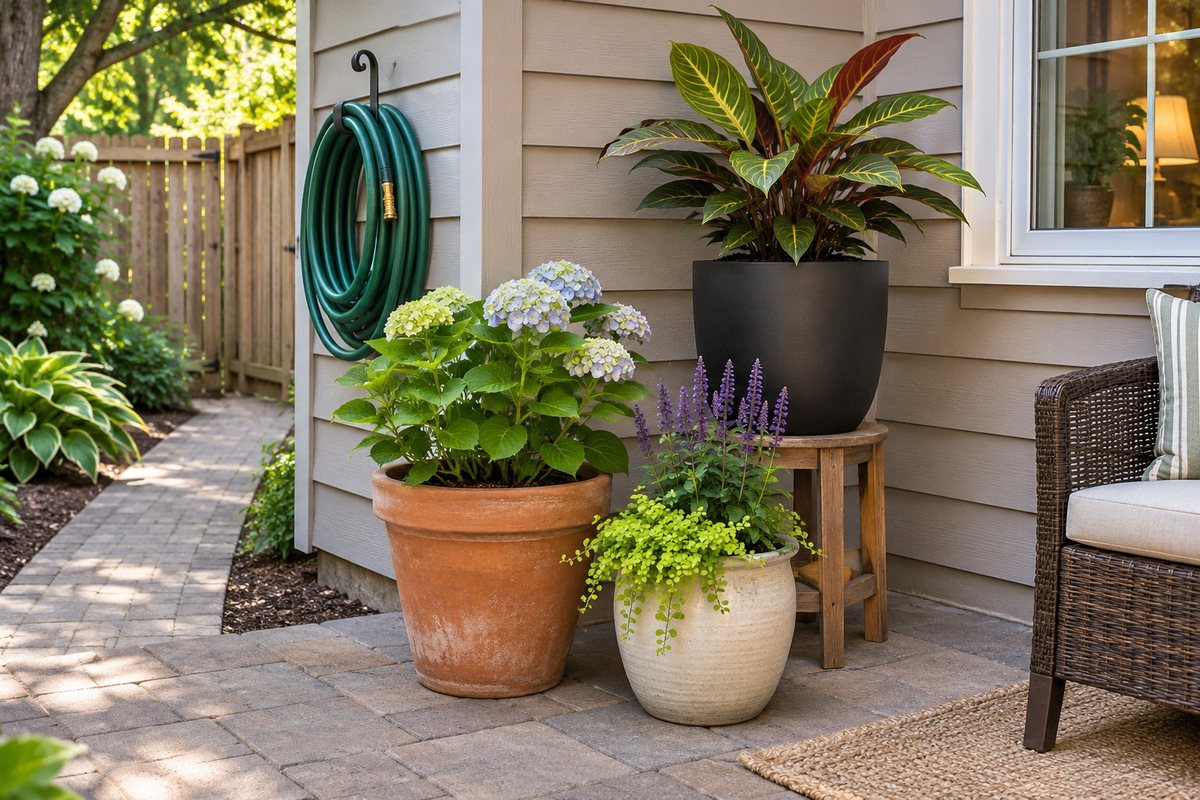
Pull together the pots you already have and group them by a common color, material, or shape. Two terracotta pots can make a pale one feel like part of the group. Put the tallest plant toward the back and leave enough space to lift each pot for care.
Keep the pots on a stable area and clear the drain holes before reusing them. Replace a cracked container before buying several new ones to match. If the grouping feels thin, move in one pot from another part of the yard and see whether the extra height helps.
7. Give an Old Outdoor Ottoman a New Cover
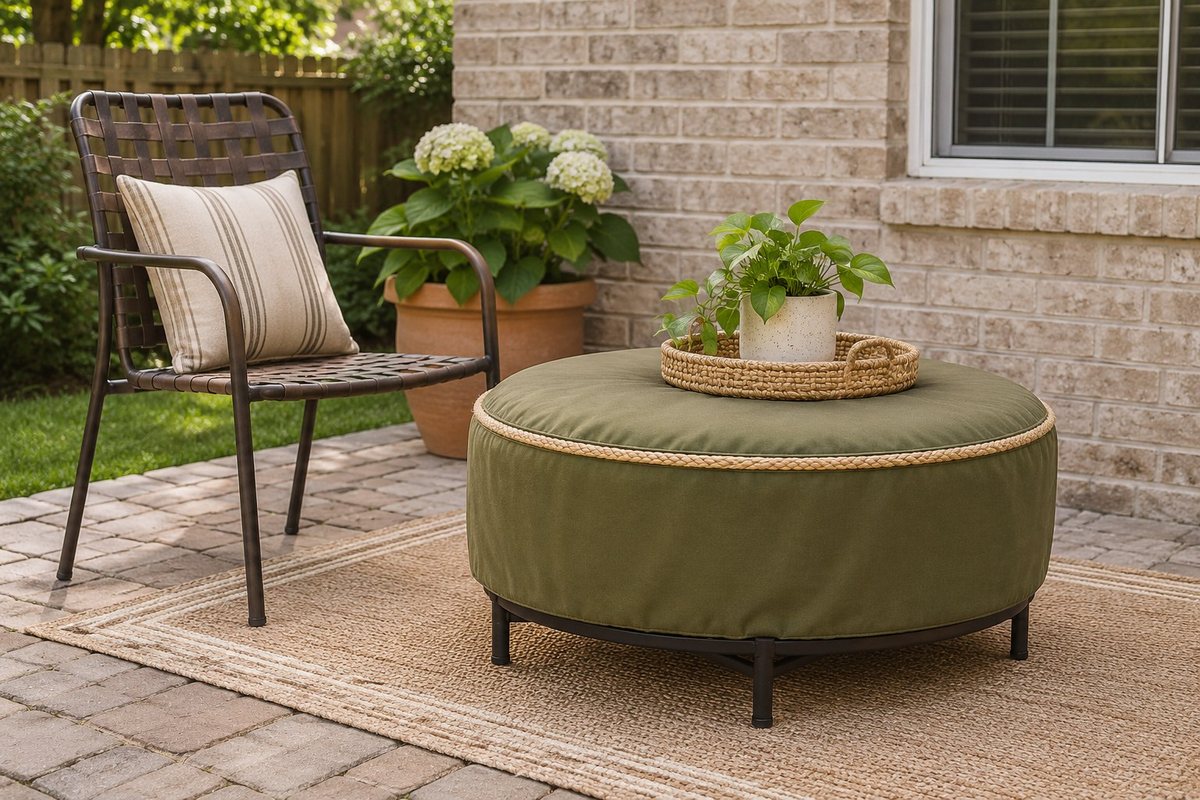
Freshen a round outdoor ottoman with a fitted cover or a weather-suitable cushion. A simple olive or sand fabric can tie it to the chairs without replacing them. Make sure the cover fits neatly so it will not slip or hang into the walking route. A woven edge can pick up the texture of a basket nearby.
Inspect the base before you spend anything. Use the seat only for the load and purpose it was designed for. If the frame is sound and the fabric is the only tired part, replace the cover and keep the money for something the patio lacks.
8. Stencil One Section of a Sound Concrete Patio
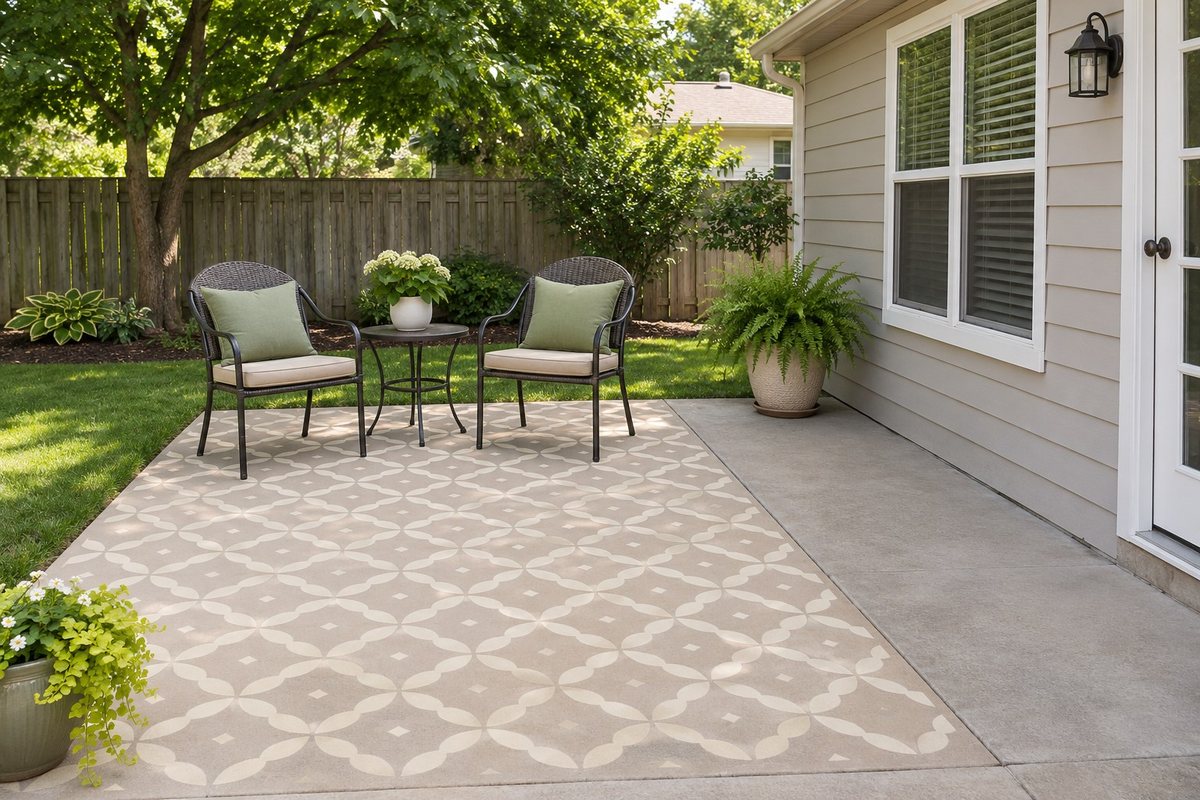
Stencil a small part of a sound concrete patio, such as the rectangle under two chairs. Tape out the area and compare it with the plain path around it. A simple repeated shape can add pattern without the time or cost of covering every square foot. Use a coating intended for outdoor concrete and foot traffic.
Check the existing surface for loose areas, moisture problems, and old coatings. Follow the finish instructions for preparation, dry time, and conditions. If the slab needs repair, spend on that first and save the stencil for after the surface is ready.
9. Use a Small Fabric Mat for Dry-Day Seating
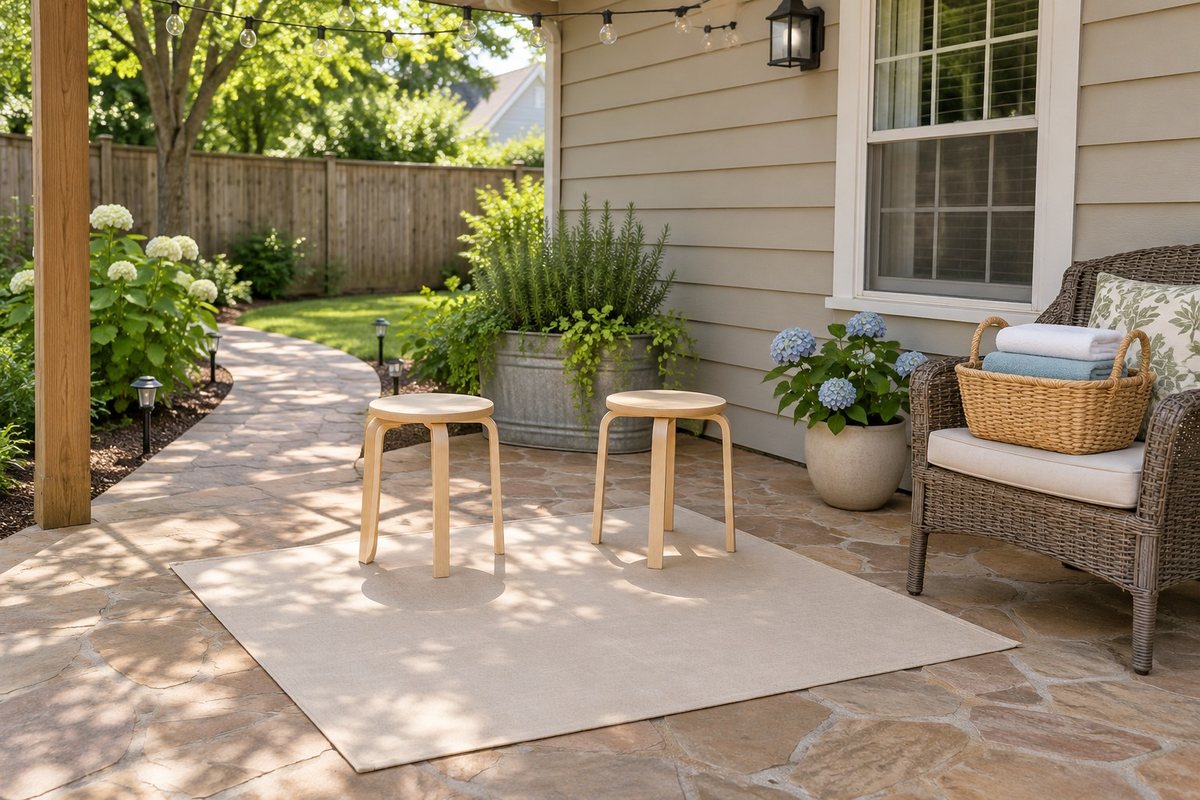
Use a clean, flat mat for a short dry-day picnic or reading spot. Set it inside the seating area and leave the path to the door bare. If you already own a canvas mat you can wash and lift, try the size before buying a larger permanent rug. Make sure the corners stay flat.
Roll it up when the weather changes or when the spot is not in use. A household drop cloth is a temporary choice on a dry surface. For regular outdoor use, choose a mat that suits the exposure and stays stable underfoot.
10. Put Solar Jar Lights in One Sheltered Group
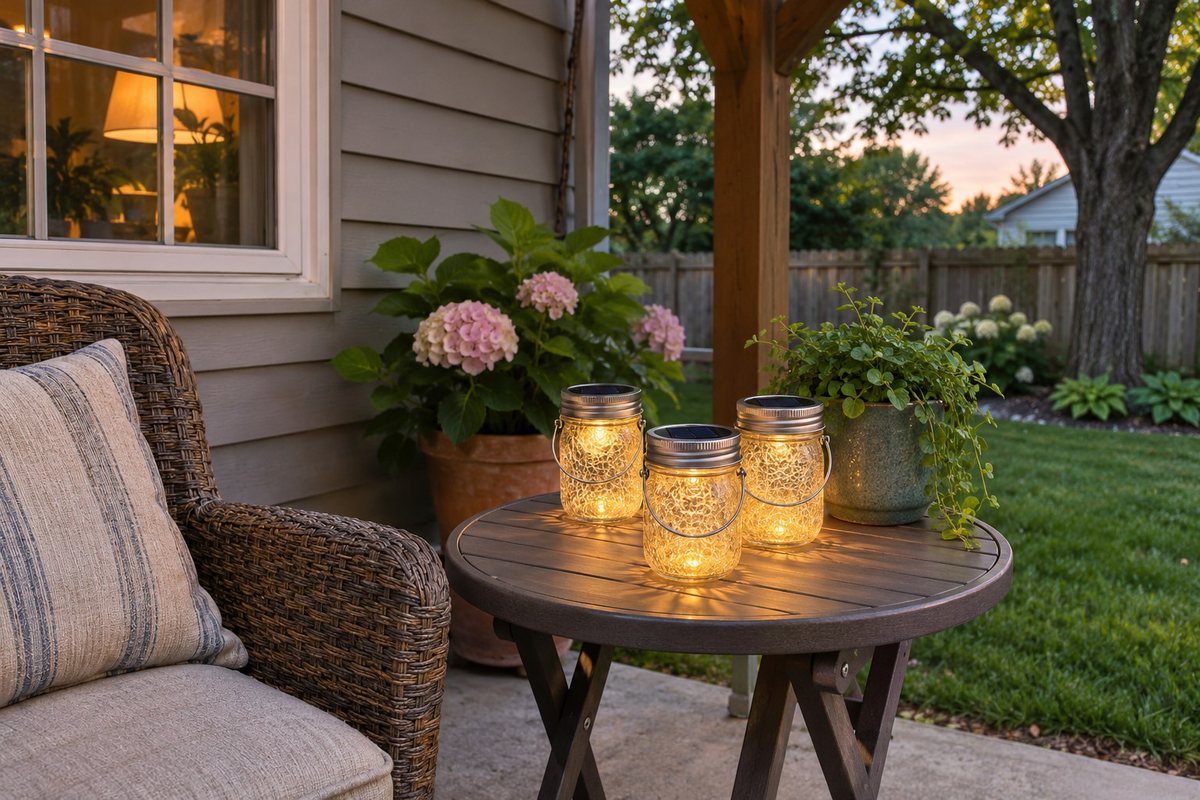
Put two or three purpose-made outdoor solar jar lights together on a sheltered table. Use the group to mark the table edge or give the seating a small glow. Choose a position where the lights can charge according to the manufacturer’s directions. Leave enough room for a glass or plate beside them.
Test their output on one evening before buying more. A shaded patio may give solar lights less useful charge, and a small jar light is rarely enough for a dark step. Keep a separate light on any route that needs to stay visible.
11. Paint One Sound Piece of Patio Furniture
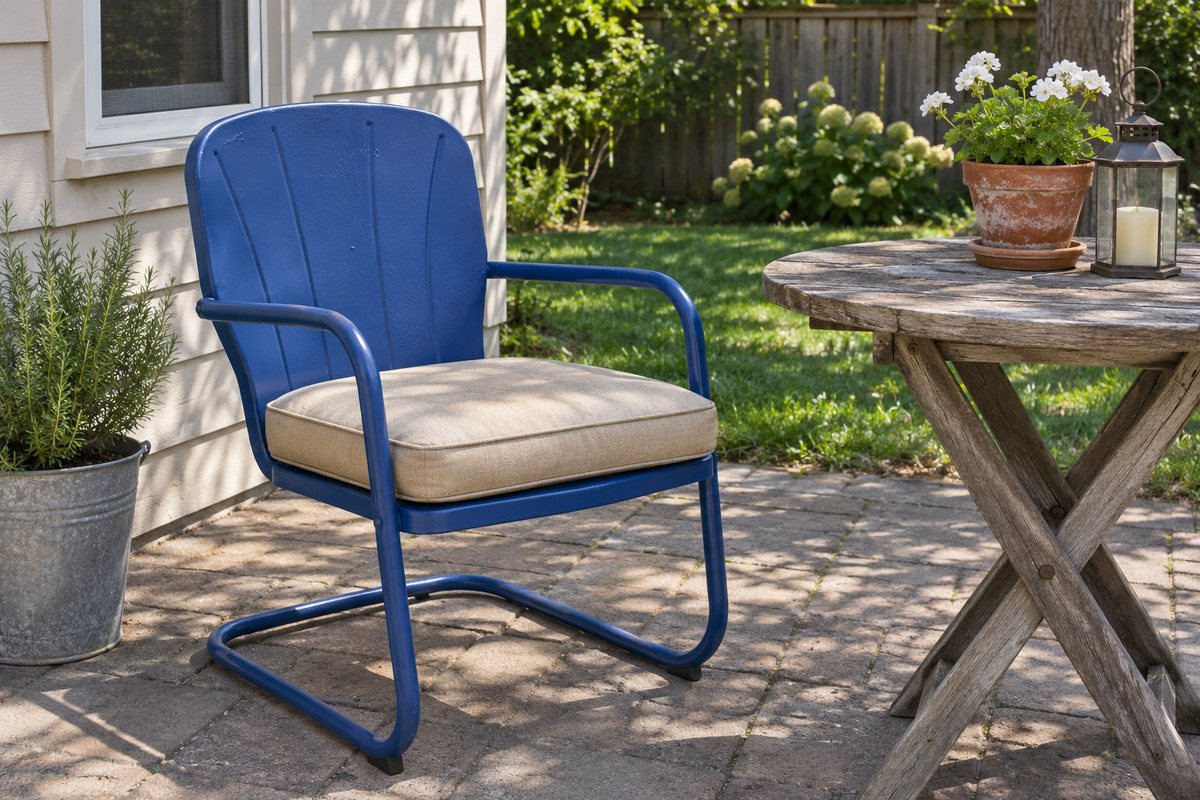
Refresh one outdoor chair in a color you can repeat in a cushion or planter. Cobalt, sage, and charcoal can all give older furniture a clear place on the patio. Check the frame, joints, and feet before choosing a paint. A new finish is worth more on a piece that still sits firmly and gets used.
Use a coating intended for the material and outdoor exposure. Follow its preparation and drying directions, and seek appropriate advice before disturbing an old unknown finish. Try one piece first to see how the color looks next to the pieces you intend to keep.
12. Use a Slotted Rack to Save Room for Herbs
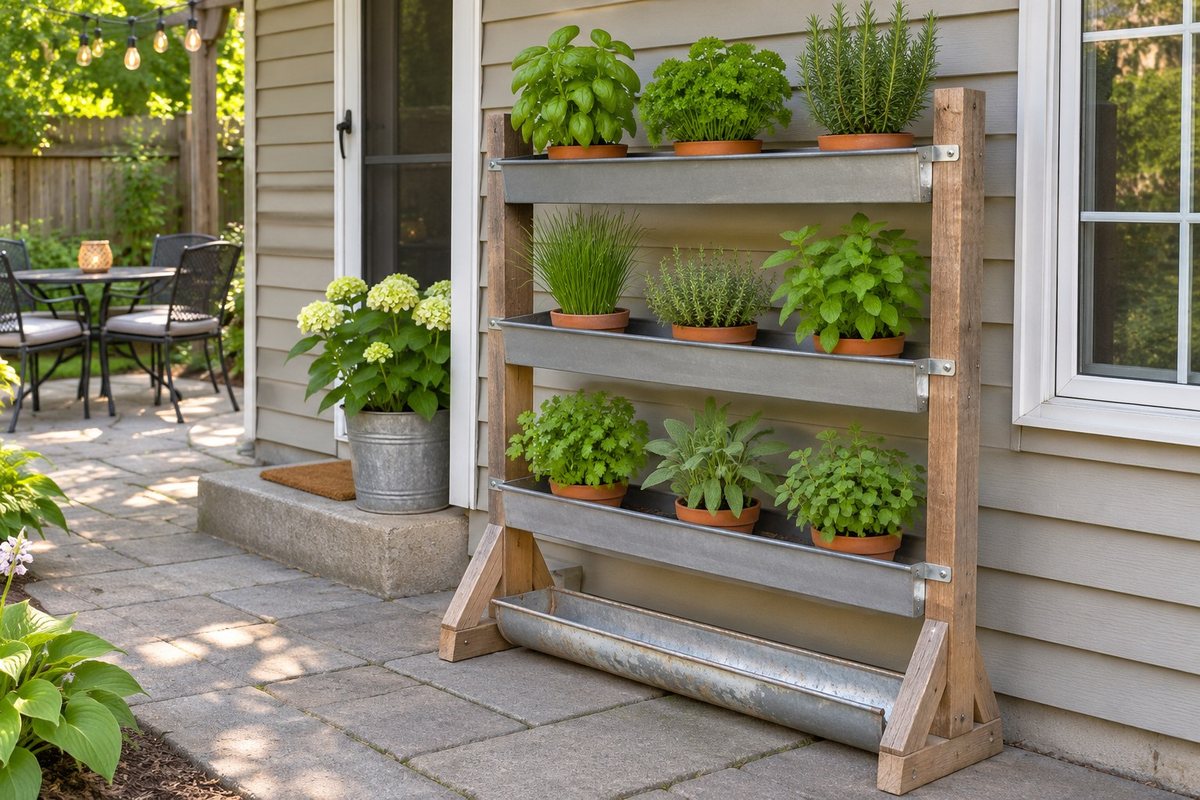
Use a narrow rack with purpose-made troughs or small individual pots to keep herbs close to the back door. The shallow arrangement takes up less space than a wide bench. Put plants with different water needs in separate pots. Keep any reclaimed gutter as a decorative piece away from the soil and runoff.
Leave a clear area beneath the containers so you can reach the bottom ones and clean up drips. Choose supports for the weight of the containers when watered. If the rack will stand against a hot wall, check the light and temperature before moving all of your herbs there.
13. Hang One Pair of Outdoor Curtains on an Existing Frame
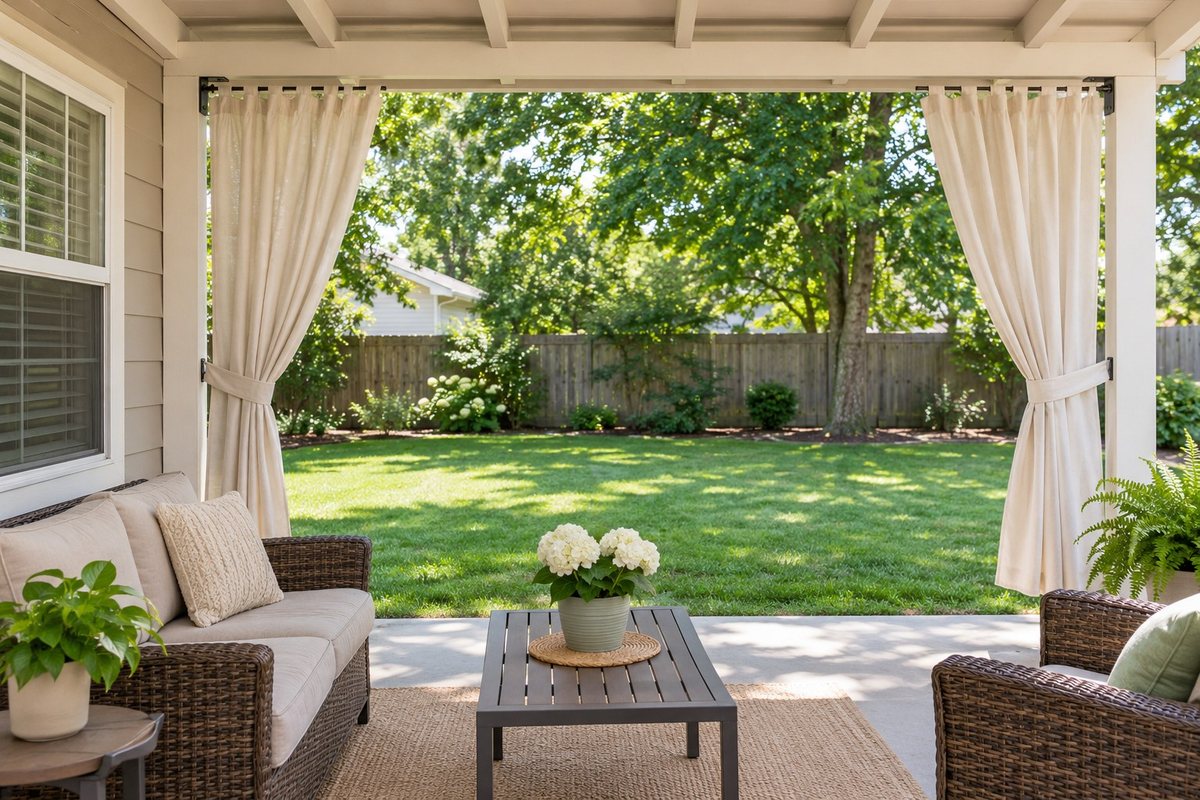
Try one pair of outdoor curtains where late-day glare reaches your usual seat. Hang them on an existing frame only if the frame and hardware are suited to the load and exposure. A pale pair can filter light while leaving the rest of the porch open. Put the fabric where it can move without touching heaters or lights.
Keep the hem clear of the floor and secure the curtains when conditions call for it. Choose fabric that is easy to take down and clean. Compare the shade at your usual time outside before adding panels to another side.
14. Give an Old Stock Tank a Dry Container Garden
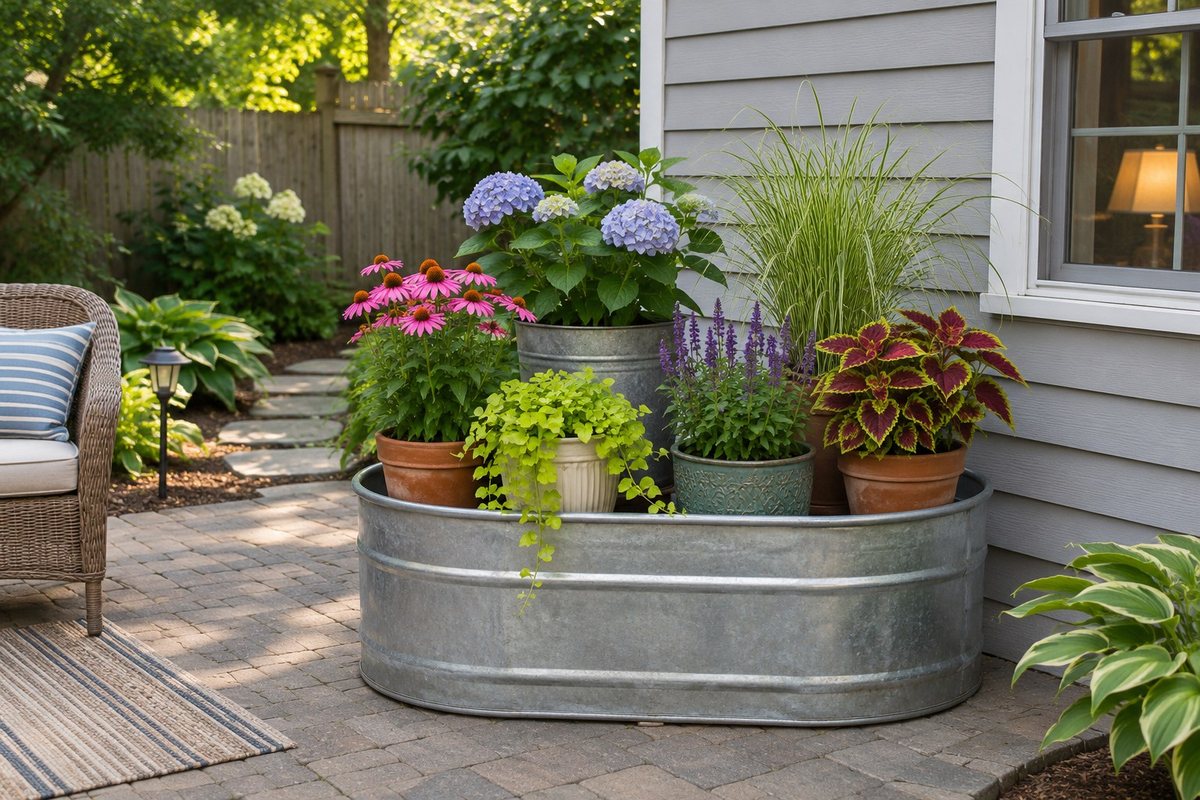
Reuse a sound stock tank as a surround for several ornamental plant pots. Place it on a firm, level surface and group pots at different heights. The metal edge gives them a shared outline, and you can still remove each plant to care for it. Keep the whole setup outside the route people use to reach the patio.
Give rainwater a way to drain and check for sharp edges before placing the tank. Avoid letting water collect between the pots. If the tank is too large or heavy for the area, use a low trough made for containers to get a similar look.
15. Turn a Spare Tray Into an Outdoor Game
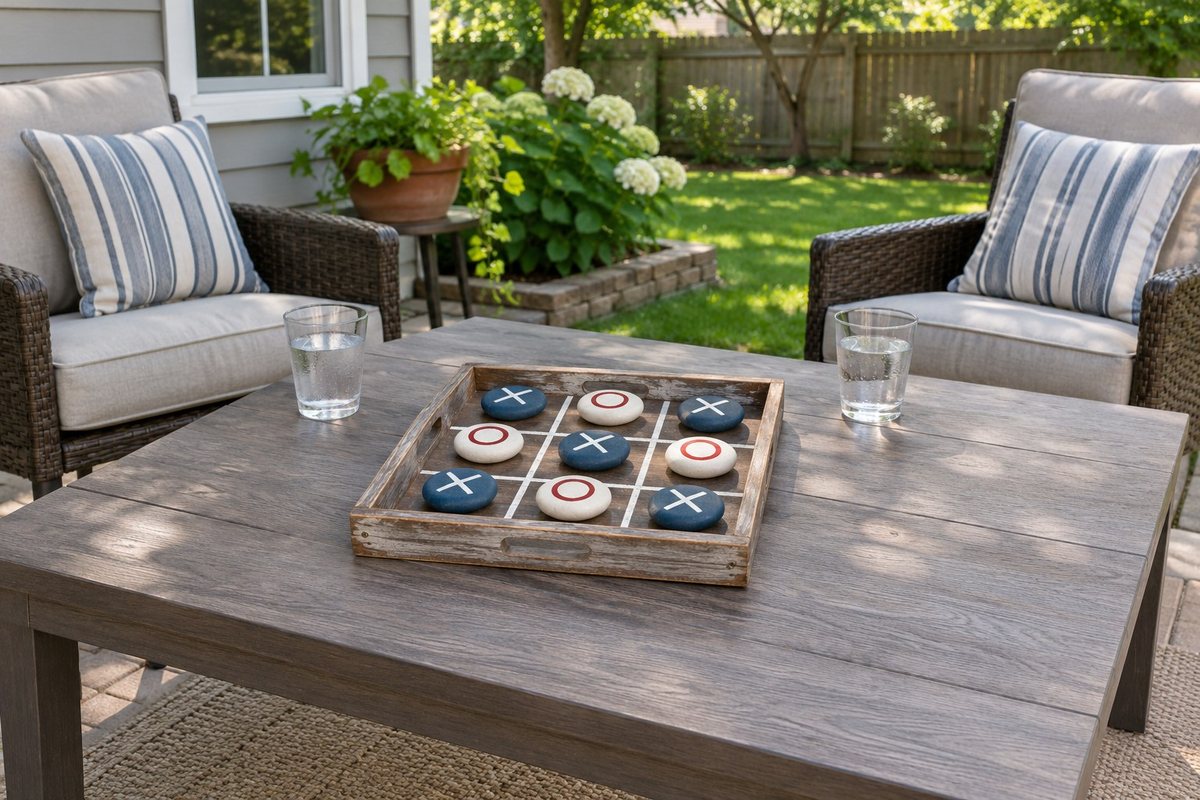
Use a spare tray as a simple tic-tac-toe board. Mark nine squares on the base and choose two sets of smooth large pieces. Keep the pieces in the tray so the game can move from the table to a bench or back inside. A light tray is easier to put away when you need the table for dinner.
Pick materials that tolerate the conditions, or bring the set in after use. If small children use the patio, select age-appropriate game pieces. Leave part of the surface free for drinks while you play.
16. Show a Moss-Ball Plant Above a Low Tray
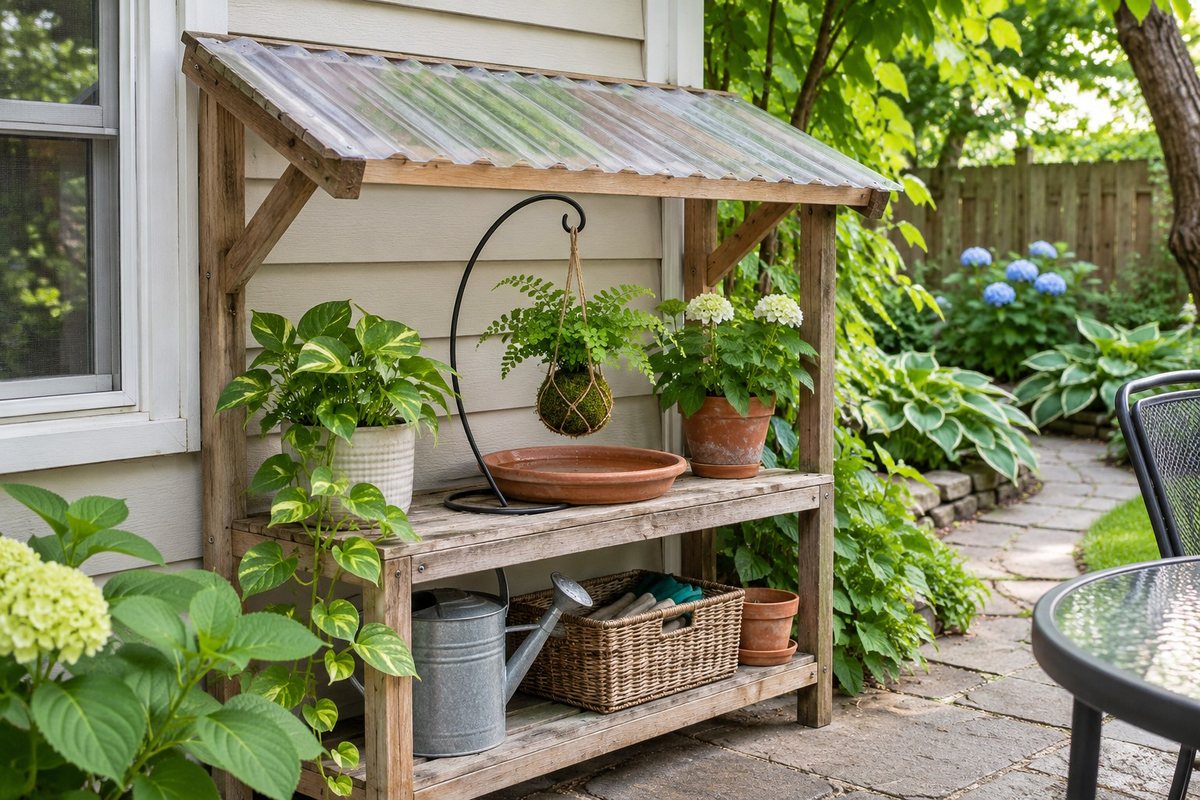
Put one small kokedama, a plant with its roots wrapped in a moss-covered ball, on a secure stand above a broad drip tray. Keep it low enough to reach without a step stool. Choose a location out of the walking route and use a holder suited to the plant’s weight after watering.
Water according to the plant’s needs and let excess drain before putting it back. Keep the tray where you can lift and clean it. If the space is narrow, display the moss ball on a low saucer instead of suspending it.
17. Use a Crate to Hide Small Patio Supplies
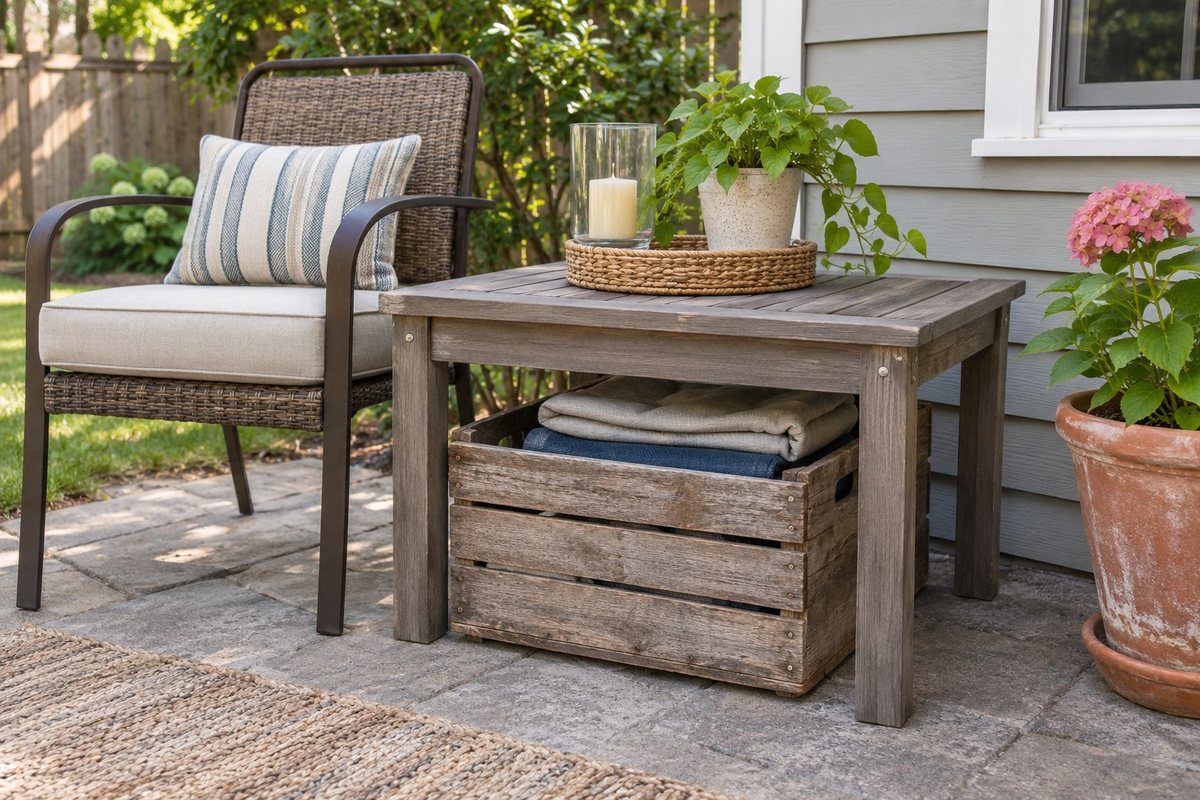
Use a clean crate to gather dry cushion covers or garden gloves under an existing side table. The crate adds texture and slides out when you need the contents. Leave the drinks on the actual table and choose a size that clears its legs. Put the crate where it stays dry and out of the path.
Replace any broken slats or exposed fasteners before you use it. Keep the contents light so you can lift the whole crate easily. If the patio gets wet, bring the crate inside between uses or switch to a washable container.
18. Shade the Seat You Use Most
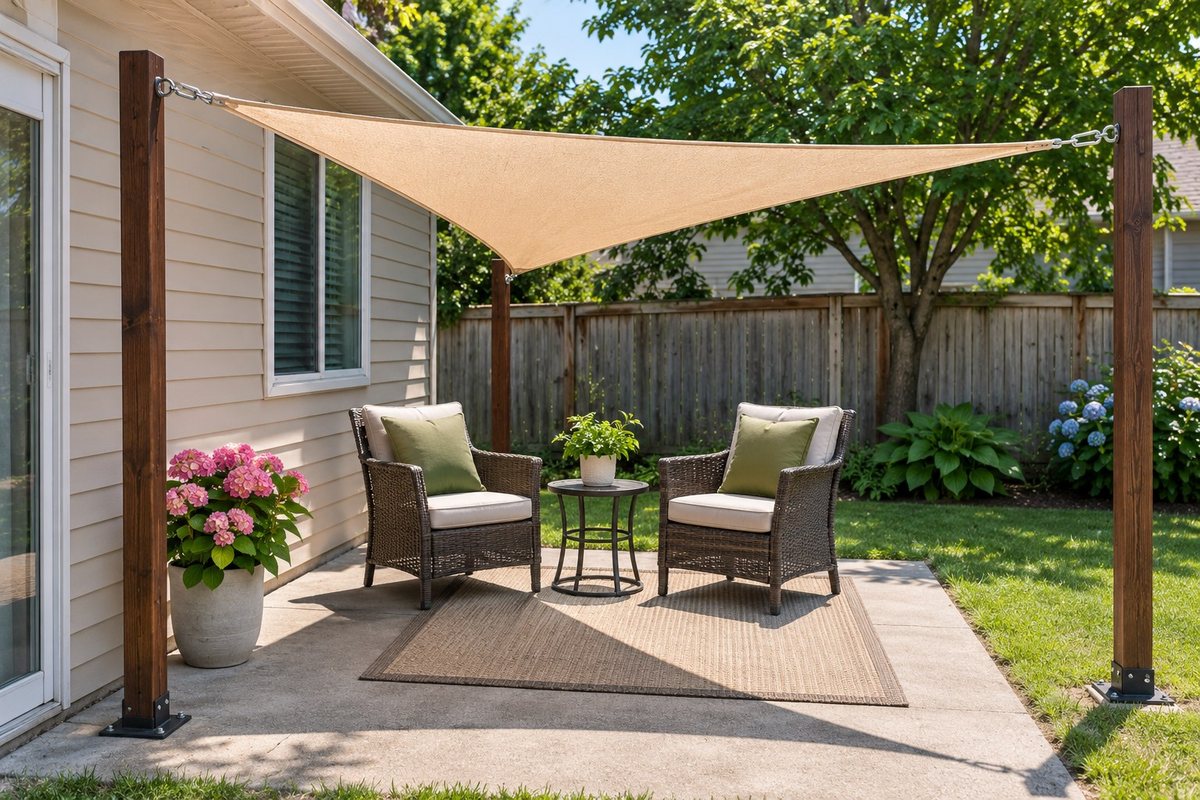
Start with shade over the chair you sit in most. A compact outdoor shade sail may be enough if you have suitable anchor locations and a clear span. Check where the shadow lands during the hours you use the patio. Keep the fabric far from cooking and heating equipment.
Ask the supplier or installer what the posts, hardware, tension, and weather exposure require. Choose a size only after measuring the span, and follow the system’s wind and storage instructions. A portable outdoor umbrella may be simpler if you cannot use permanent supports. Confirm the compatible base and take the umbrella down in the conditions specified by the maker.
The blue and white Outsunny 7-foot patio umbrella has a 7-foot round canopy. The weighted base is separate. Outsunny lists 01-0413 as a compatible option and says to avoid using the umbrella in strong wind, heavy rain, or snow.
See details for blue and white Outsunny 7-foot patio umbrella (paid link)
19. Set One Pebble Mosaic Beside the Paved Path
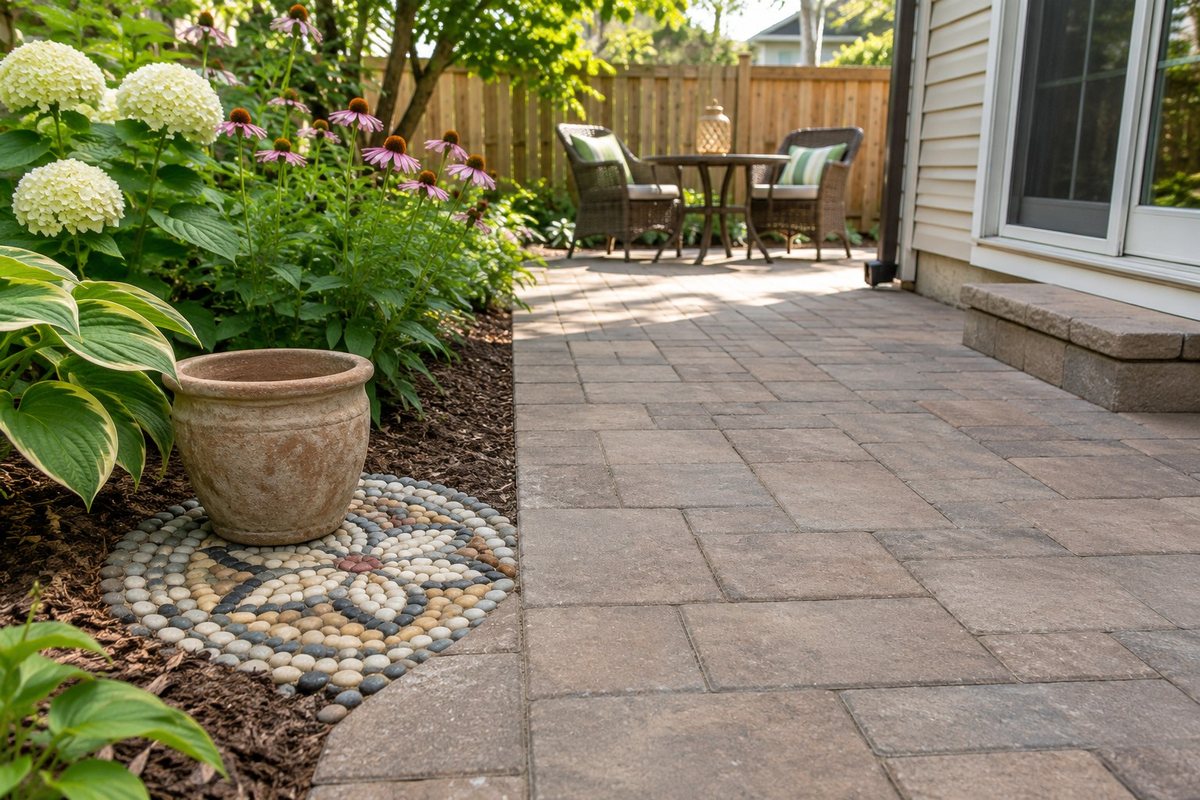
Put one pebble mosaic just outside a paved route and use it to mark a planter or quiet corner. Match the colors to stone already in the yard. Keep the main path firm and continuous, with the mosaic out of the way of feet, wheels, and patio chairs.
Set the accent level on a suitable base and check that nothing works loose when it gets wet or freezes. One small panel lets you try the look without committing to an entire path. Move it to the planting bed if the edge becomes hard to see at dusk.
20. Turn a Ladder Shape Into Low Plant Storage
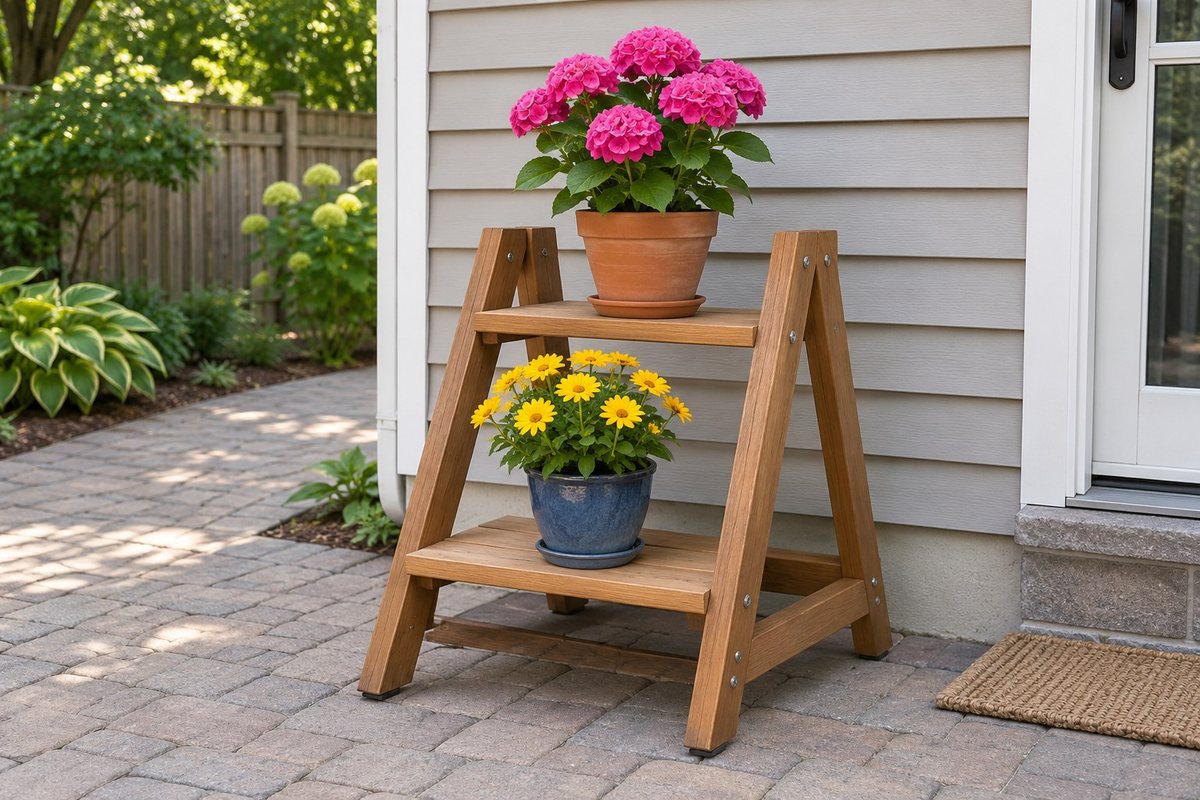
Use a short ladder-shaped plant stand to put two or three small pots at different heights. Place it on a firm surface and put heavier pots lower down. Keep the planting clear of the steps and door, and leave room to remove each pot to water it.
Choose a stand meant to carry plants and check the total weight after watering. An old ladder can suggest the shape or supply a decorative slat. If you cannot verify that it will hold pots safely, keep it as decoration and use a separate supported shelf.
21. Make a Wind Chime From Smooth Reusable Pieces
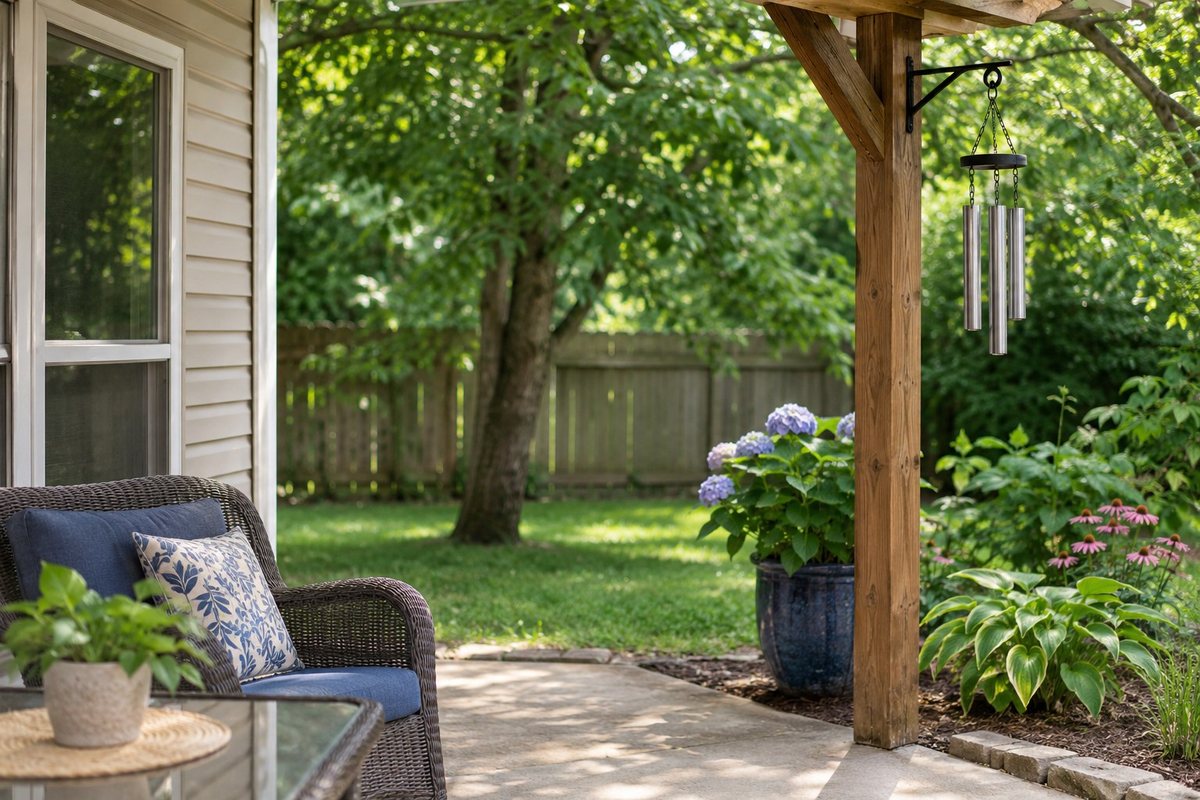
Gather a few smooth-edged metal pieces and arrange them as a quiet wind chime. Space them so they can move without striking the wall. Place the chime away from seating, doorways, and the height where people pass. A small chime can add sound without filling the whole patio with decoration.
Use outdoor-suitable attachments and skip scrap with sharp rims, cracks, or corrosion. Try the position on a breezy day and take it down if it moves too far or becomes loud. Check the hanging points from time to time.
22. Add a Painted Accent Mat at the Seating Edge
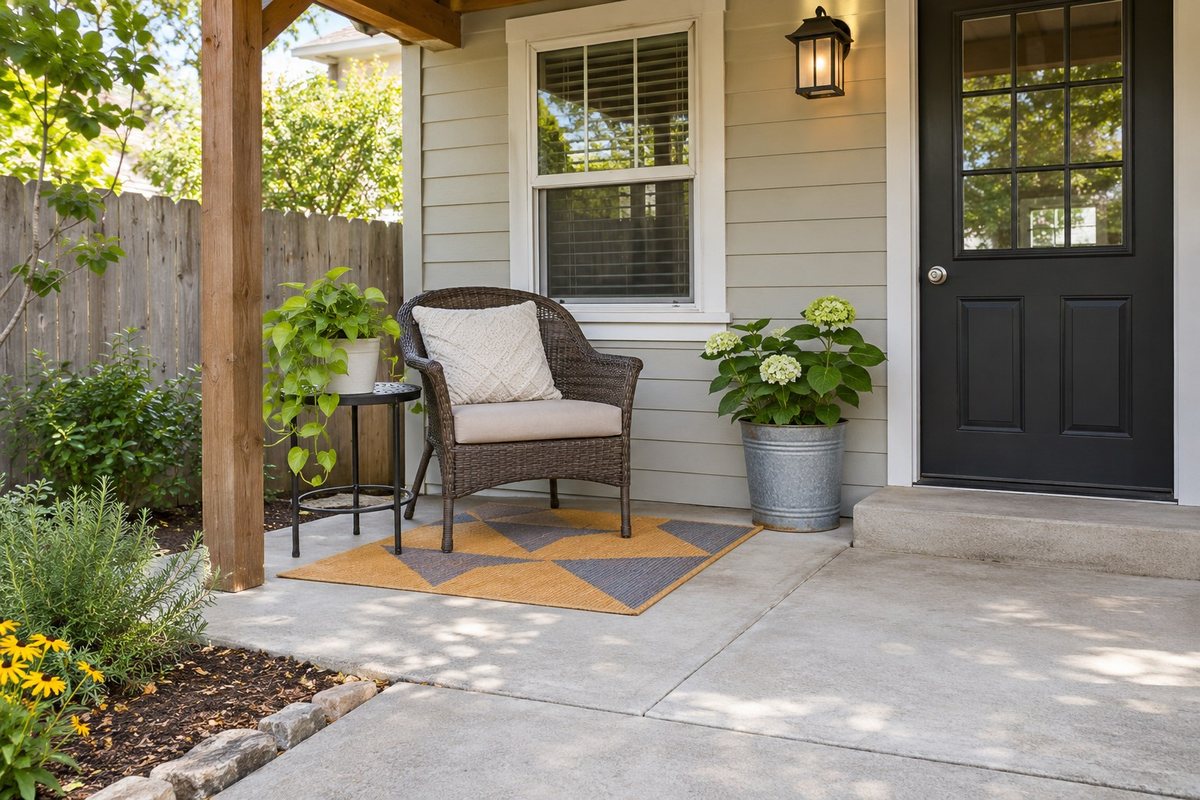
Use a small outdoor accent mat if you want a painted pattern without touching the patio surface. Set it near a chair where it can be seen but stays out of the busiest route. A few ochre or slate shapes can connect a cushion to plain furniture. Choose a mat that lies flat on the surface you have.
If you are painting the mat yourself, check that the coating and mat material are compatible and suited to the conditions. Skip the project if the finish makes the surface slick or stiff. A ready-made outdoor mat may be the simpler purchase for a frequently wet patio.
23. Mark a Garden Edge With Solar Lighting
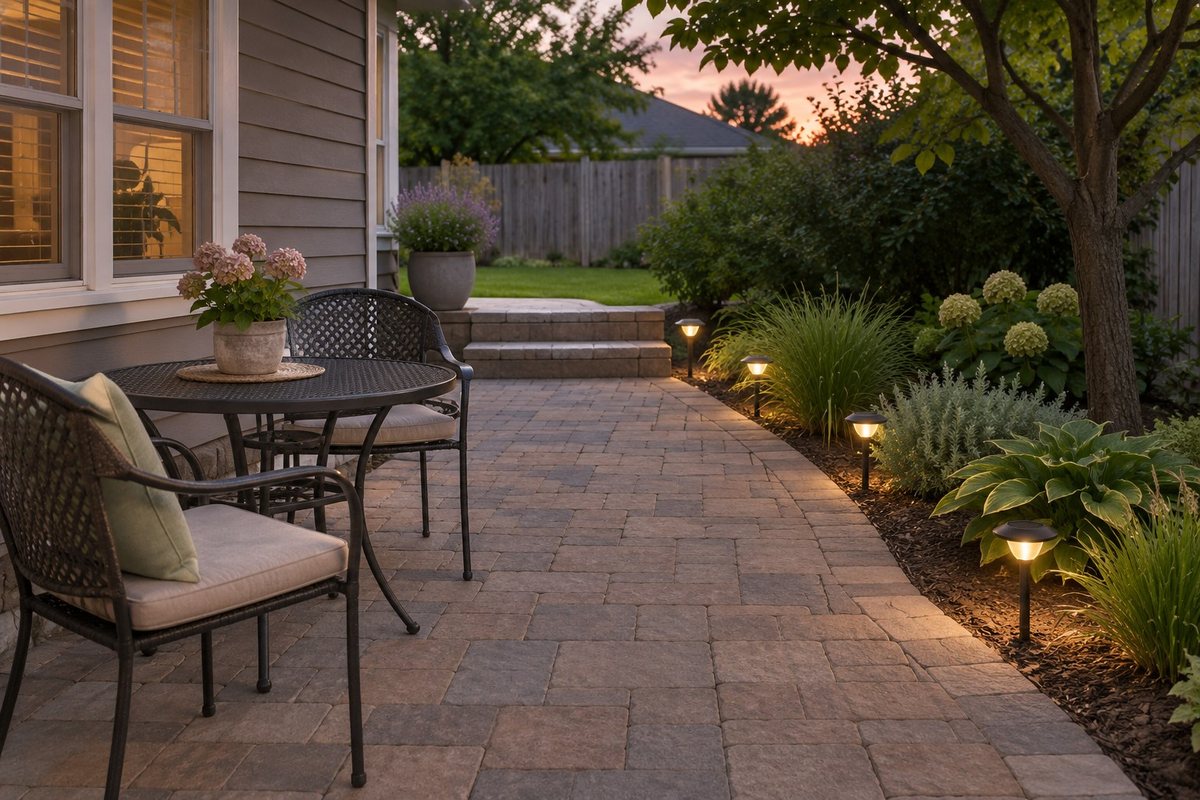
Add a short length of outdoor solar lighting on the garden side of a path. Use it to make one bend or edge easier to see, then check the result from the door after dark. Keep the light and any cord or stake out of the part of the paving people walk on.
Choose a product rated for the exposure and put its panel where it can charge. If a step needs more light, use a suitable separate fixture. A short trial will show whether the light helps before you extend it along the whole border.
24. Roll Out a Drink Station From Storage
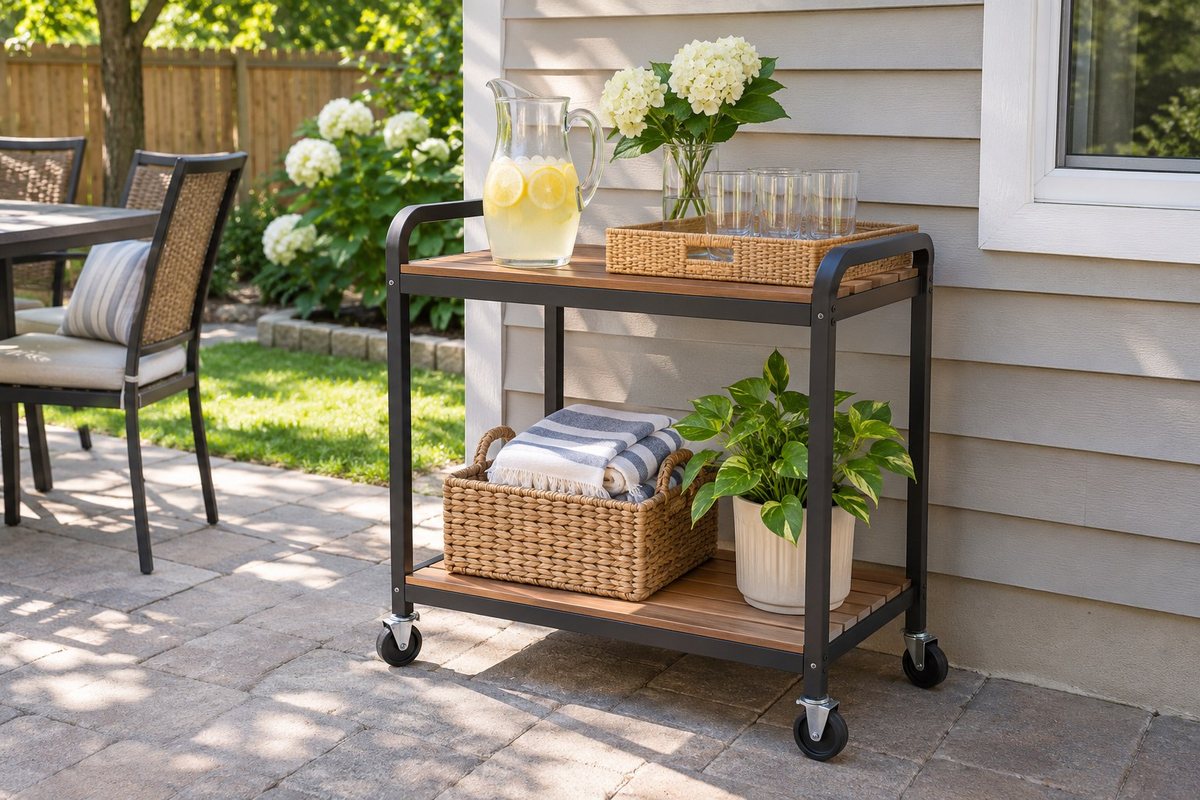
Use an outdoor-suitable cart or bring a suitable movable cart out for a short dry serving window. Put a pitcher, glasses, and napkins on a shallow tray that lifts off easily. Leave a clear route from the kitchen and keep the cart away from heat and stairs. Park it on a firm, level surface and use the wheel brakes if it has them.
Remove breakables before you roll the cart back in. If you only host occasionally, a tray on an existing table may meet the same need. These backyard tiki bar ideas have more layouts for compact serving areas.
25. Display Small Pots in a Chandelier-Shaped Stand
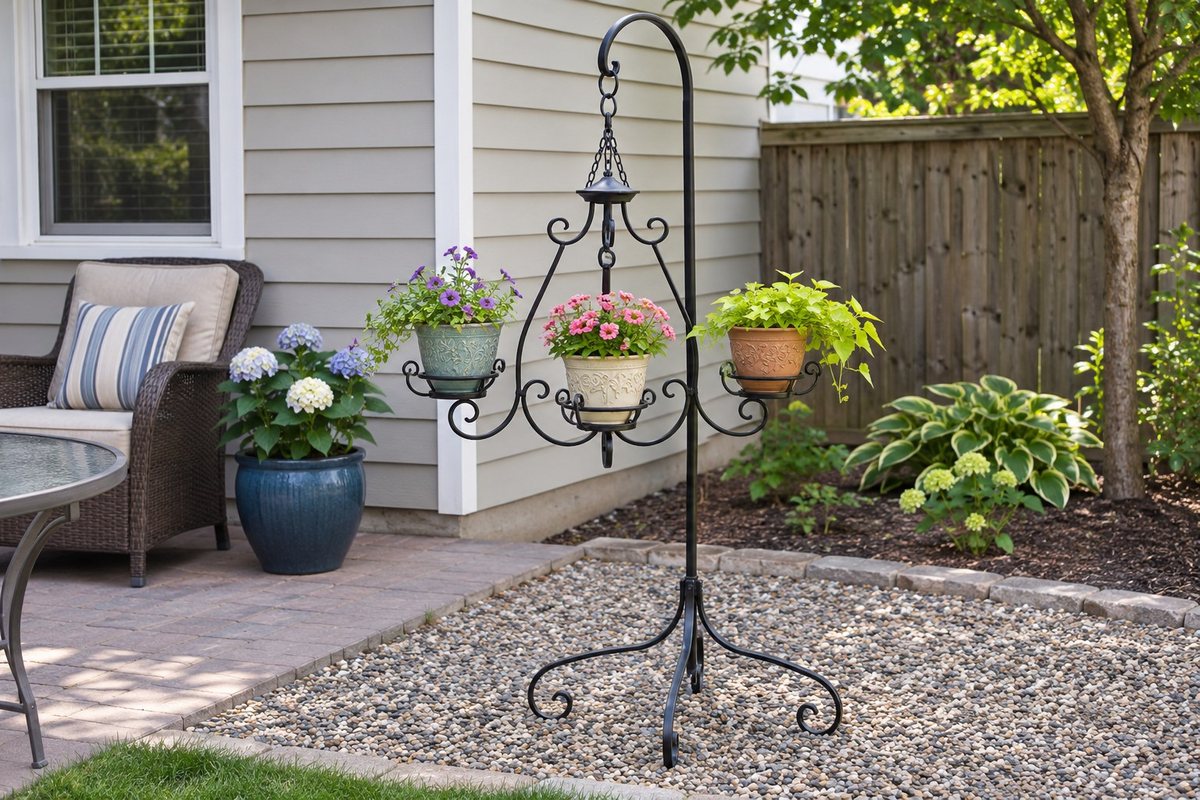
Use a low chandelier-shaped holder as a display for a few small ornamental pots. Put it on a sound stand away from the main route. Choose holders that actually fit the pots and leave enough space to lift them without catching the stems. A dark metal finish can make pale flowers show up.
Keep the display independent from any electrical fixture or wiring. If you have an old chandelier with unknown structure or electrical parts, use the shape as inspiration for a purpose-made planter holder. Keep the pots low and check their support when they are wet.
26. Put a Shallow Birdbath on a Stable Base
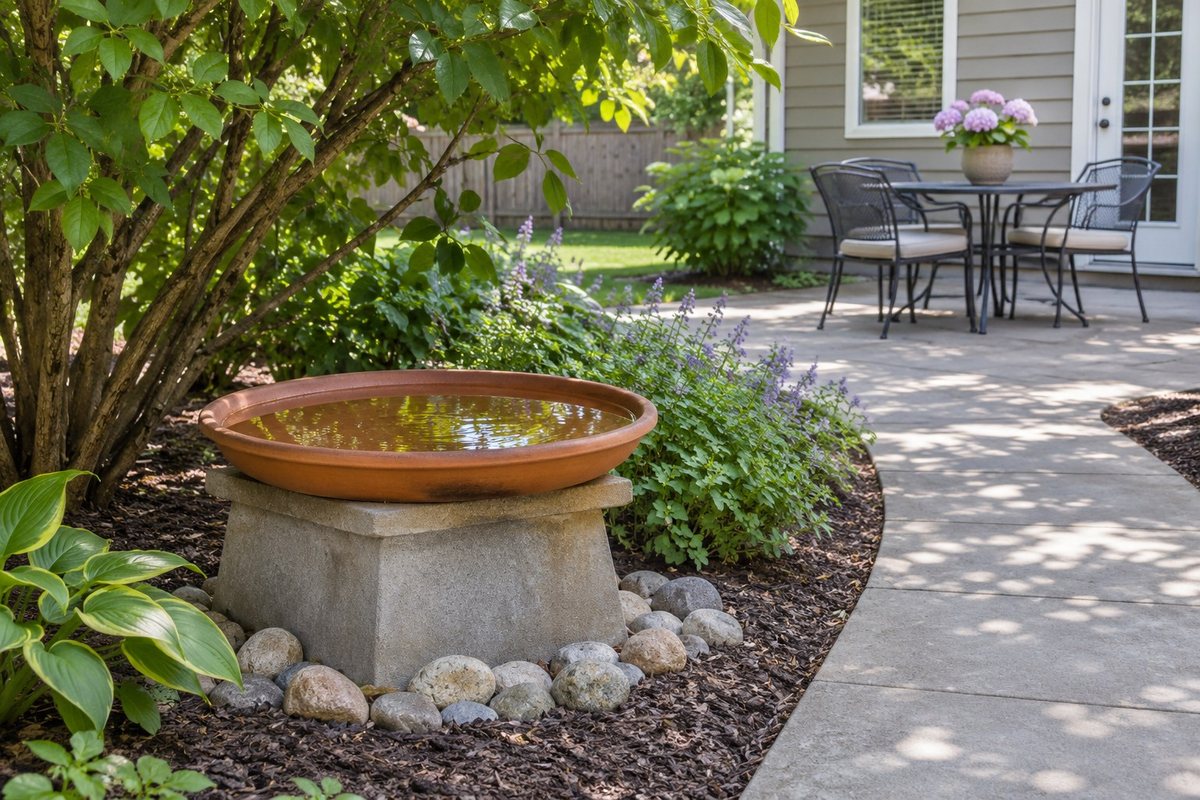
Choose a shallow basin you can lift and wash, then set it on a broad stable base. Put it at the edge of a planted area where the splash will not wet the walkway. A plain terracotta saucer can give a small garden a visible feature without needing a fountain or wiring.
Refresh the water regularly and keep the basin clean. Place it where it cannot be tipped easily and consider access by children and pets. If the base feels wobbly, choose a lower one before adding water.
27. Give a Weather-Rated Chalkboard One Wall
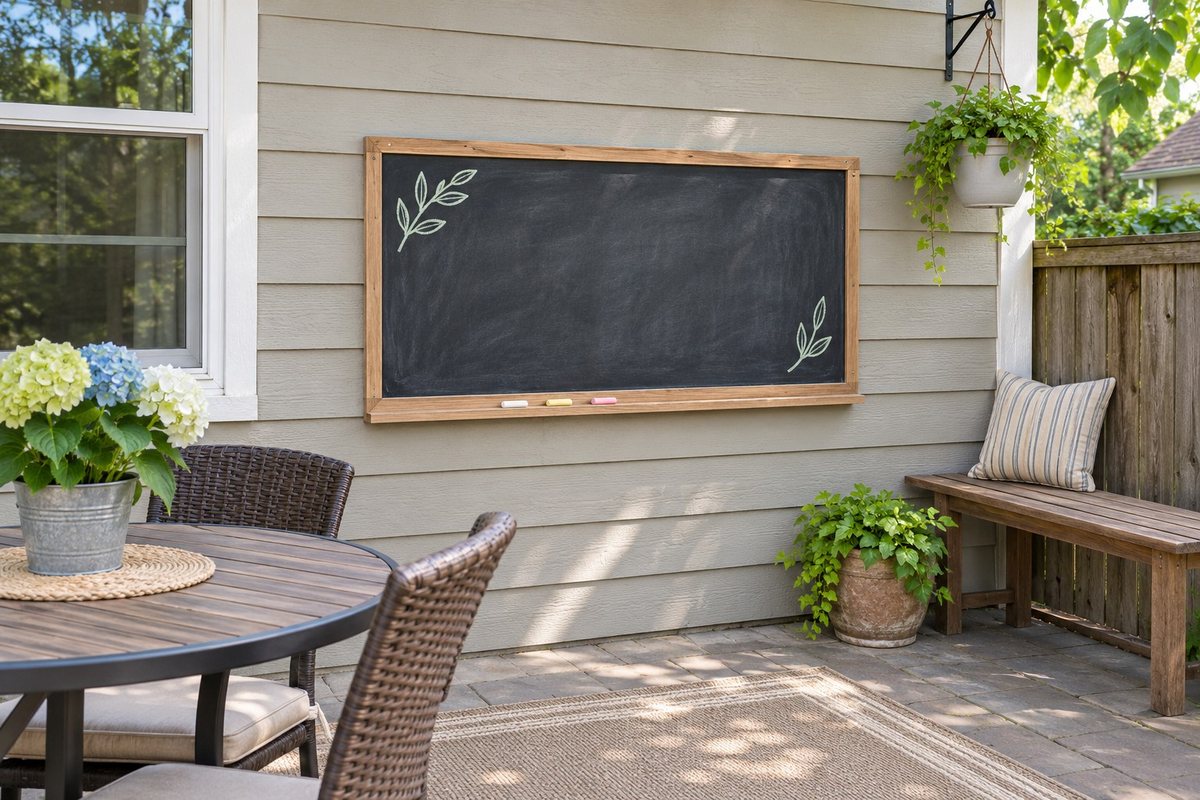
Put a weather-rated chalkboard on one garden wall or fence panel where you can reach it from a firm surface. Use it for a menu, plant notes, or a quick game. Choose a size that stays clear of the door and does not stick out into a path. Put any chalk in a small holder that is easy to bring inside.
Check the wall and hardware before mounting the board. If the wall cannot take it, use a suitably supported outdoor board in a sheltered location. A single writable surface is enough to make the patio more useful for a gathering.
28. Plan the Fire Pit Area With a Cold Layout
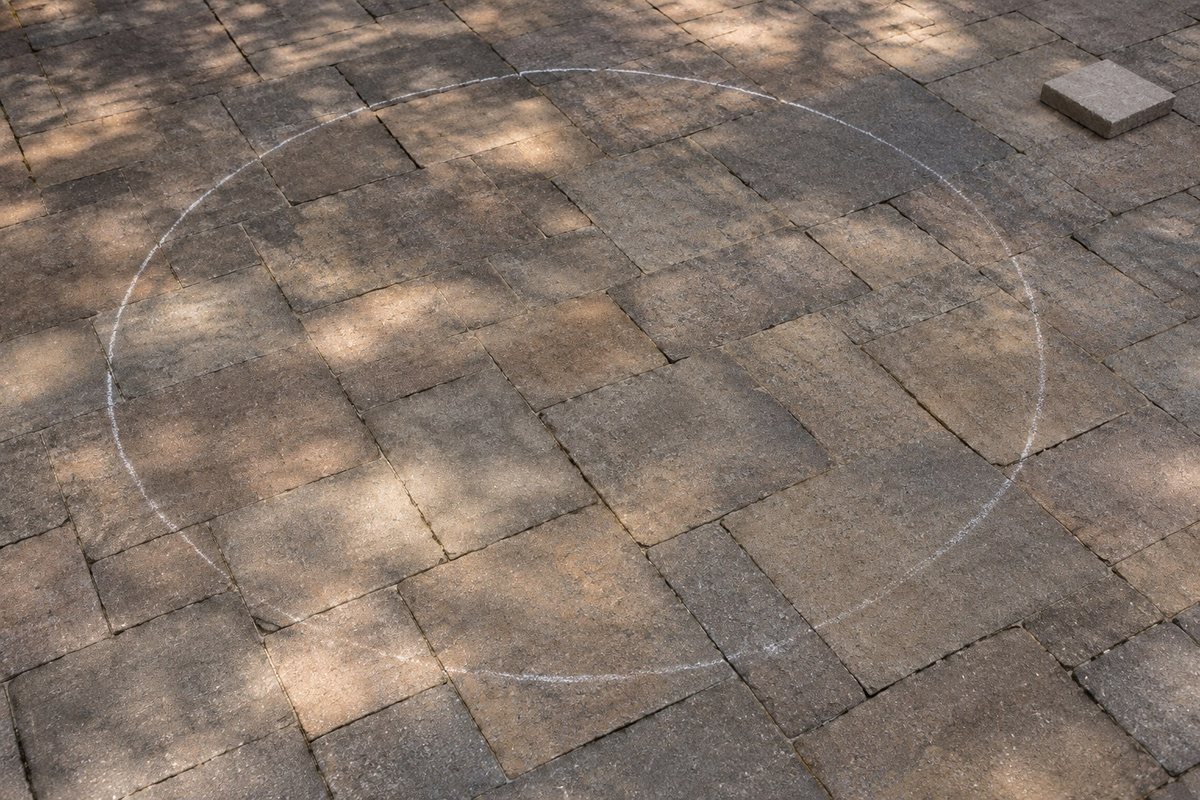
Mark the space a fire pit would take before buying one. Put chairs in their planned positions and use an empty cold layout to see whether there is room for the feature and a clear route around it. Choose a purpose-built fire feature and components approved for its use. Keep the area open and well clear of anything that can burn.
Follow local rules and the manufacturer’s instructions, and check the U.S. Fire Administration’s outdoor fire safety guidance. If the patio cannot provide the required space, use a low drink table or a garden feature in the same part of the layout.
29. Line Up Light Flower Troughs Along a Sturdy Fence
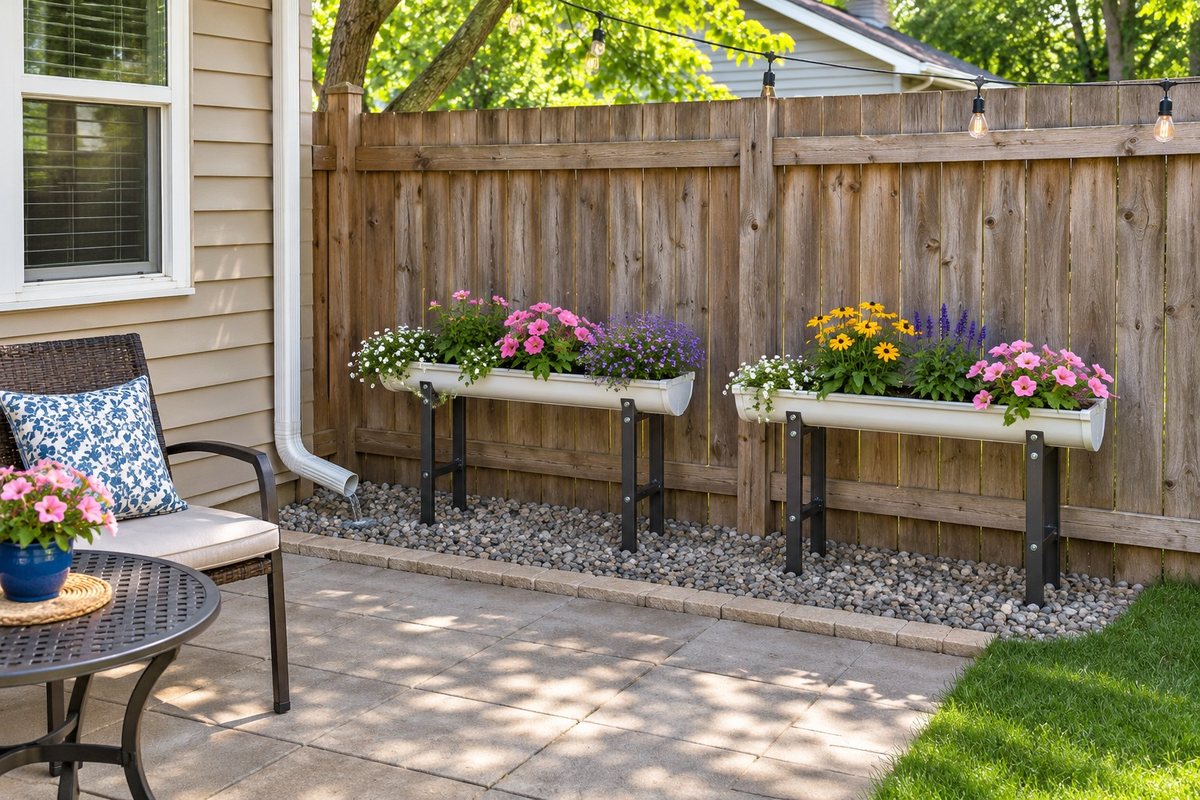
Line up short flower troughs near a fence using their own stable supports. Use lightweight ornamental plants and leave enough room to reach each section. A narrow gutter-like shape gives the look of a row of flowers without using a deep bed. Route drainage toward gravel or a planting area and away from the path.
Check that the supports can carry the filled planters and the exposure they get. Move the supports forward if the fence needs room for maintenance. Keep old unknown materials out of contact with edible plants, soil, and drainage.
30. Bring Color Back With a Woven Outdoor Rug
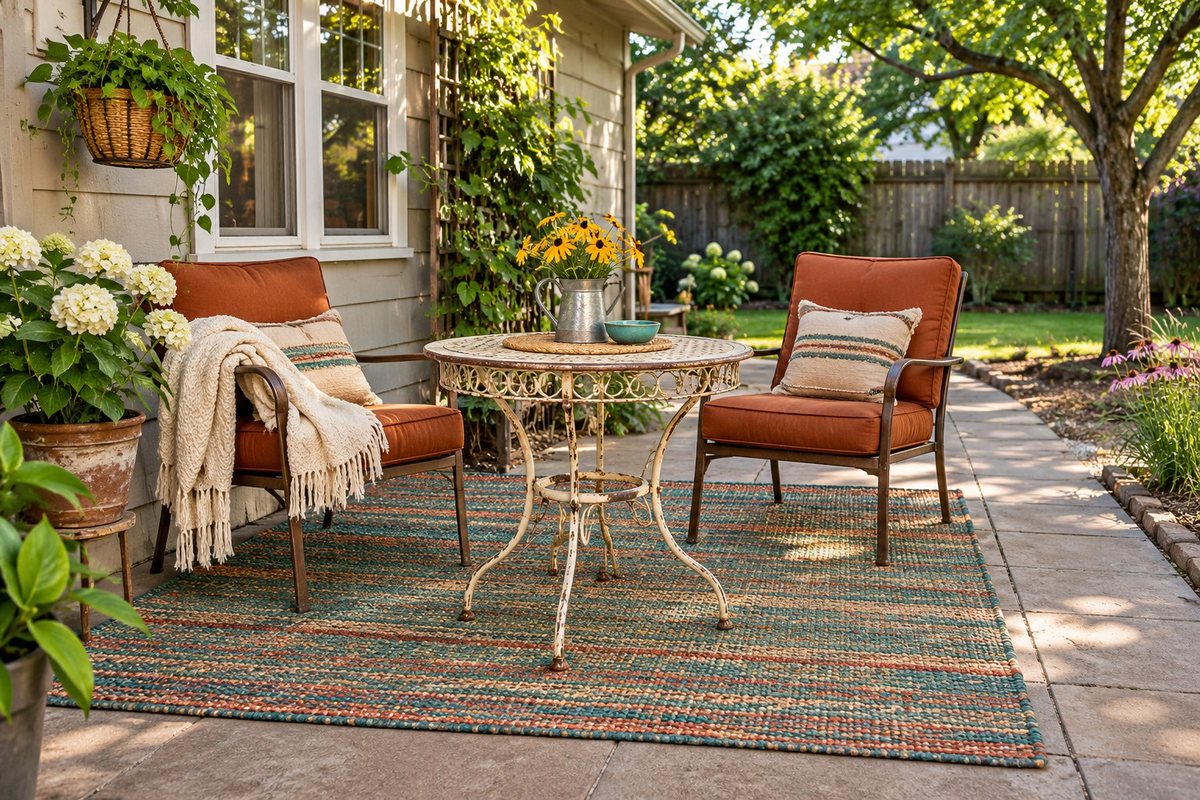
Use one flat woven outdoor rug to add color when the floor and furniture are already working. Try teal, rust, or a narrow stripe that picks up a finish you plan to keep. Put it under the front feet of the chairs and leave the nearest doorway and walking route bare.
Choose a rug suited to the site and check that the edges stay flat. Lift it to dry when needed and keep it out of grilling or fire areas. If you have an outdoor rug in storage, try it in the new arrangement before buying another.
Make one change you can try this week. Move a table, group the pots, or test how much shade you need before spending on a larger setup. Once the path is clear and the seat is comfortable, put the next part of the budget toward whatever still makes the patio hard to use.
Discover more from HomeTrendora
Subscribe to get the latest posts sent to your email.