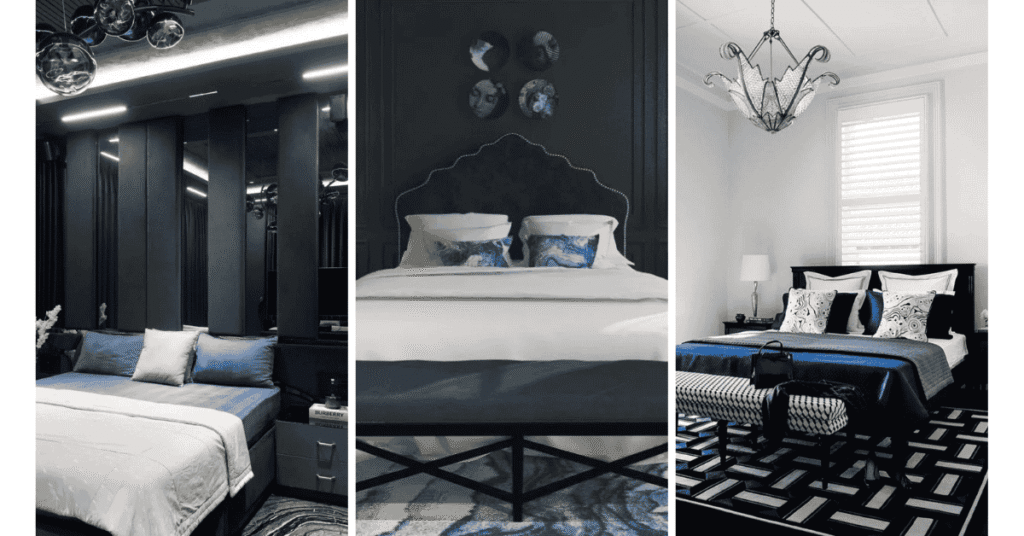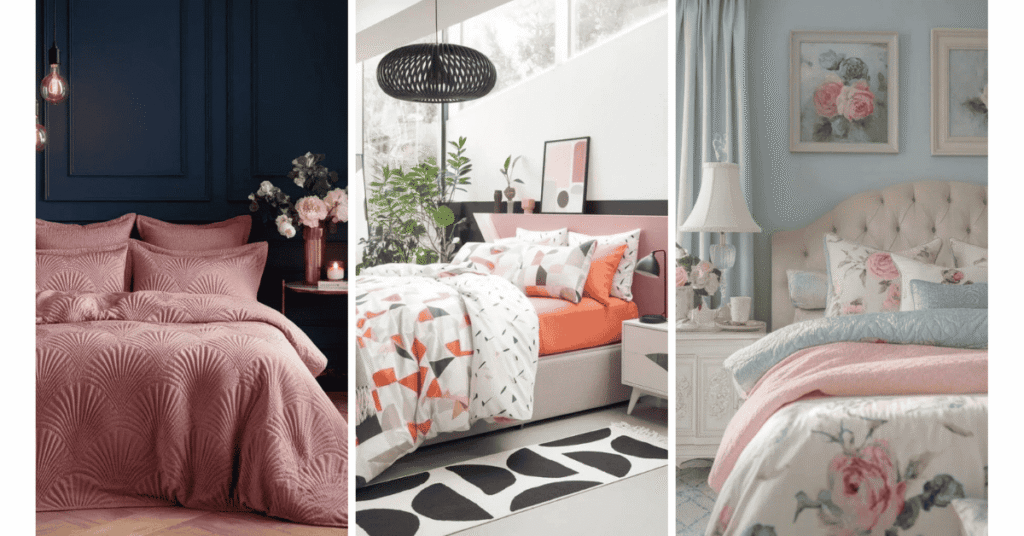
A pink bedroom can feel a little like a storybook and still work on a school morning. Start with how your child gets from the bed to the door, puts on clothes, and reaches the things they use every day. Then choose one or two places for the color or pattern they like most.
Younger children may need more open floor and fewer things to put away. A school-age child may want space for drawing, dress-up, or reading. An older child can choose a quieter pink and have more say in the study area. These twenty-five ideas use paint, fabric, and small details to give each routine a place. Keep heavy objects away from the bed and plan reachable storage before choosing decorations.
1. Use a Soft Pink Panel With Cream Trim
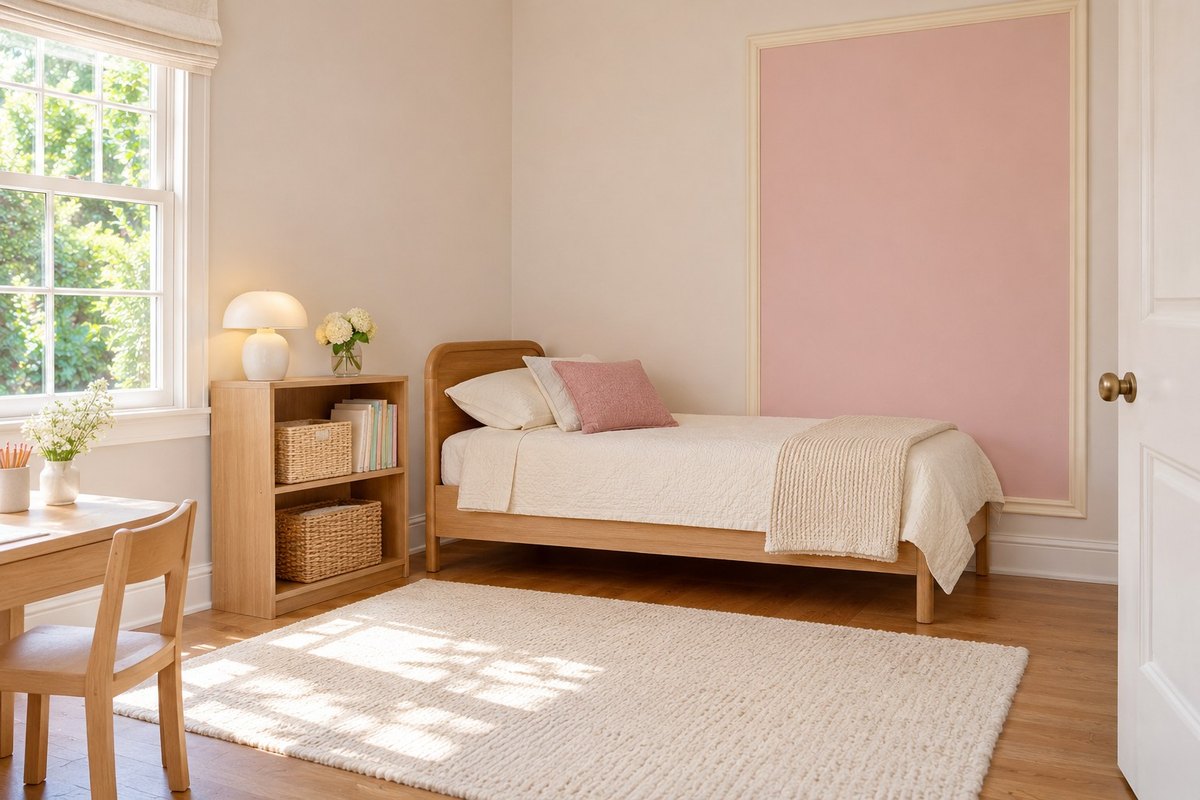
Paint one soft pink rectangle with a cream border beside a low bed. You can use existing molding as a frame, or paint the border directly on the wall. A plain panel gives a room a little of the detail of a traditional dressing room and leaves the rest of the wall available for ordinary use.
Hold the sample low enough to see it from a child’s eye level. Compare it with the bedding they already use. If the bed has patterned sheets, keep the panel a solid color. It will still look considered when the bedding changes.
2. Leave an Open Path From Bed to Door
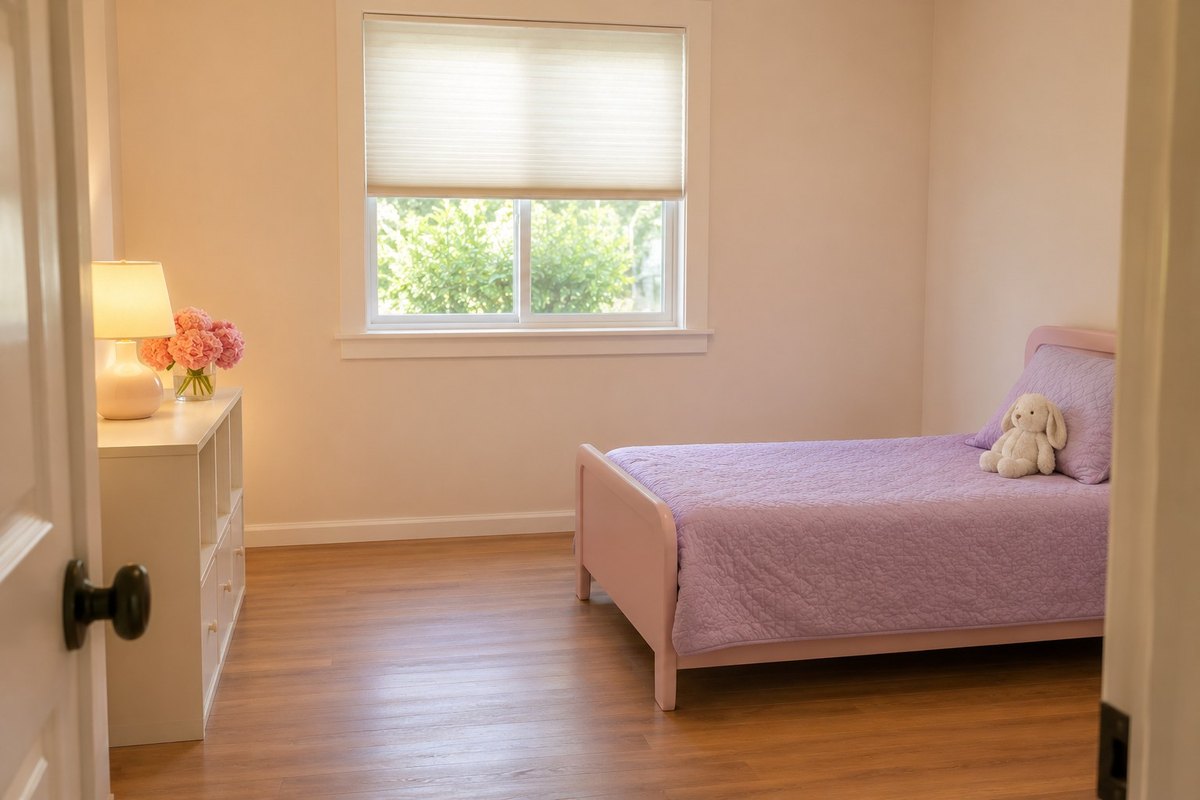
Keep the main route from the bed to the door open. Check it with the door partly open, after a laundry basket has been put down, and with drawers in their usual positions. You can put blush on a bed cover and leave the floor free of extra boxes or rugs in the narrowest part.
Use a solid wall away from the window for the bed. The U.S. Consumer Product Safety Commission’s window covering guidance recommends cordless window coverings where young children are present and moving beds and furniture away from window cords. Check the same route after dark with the room lighting you actually use.
3. Put a Little Brass at a Dressing Table
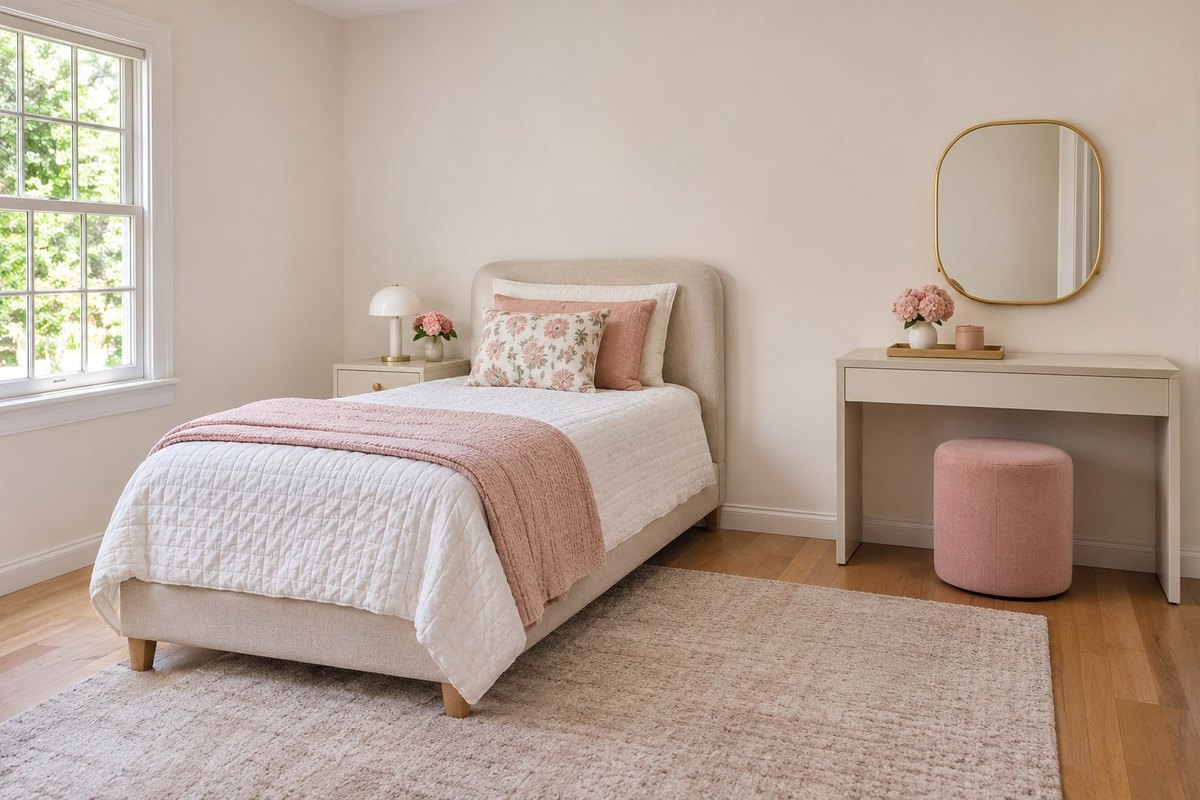
An older child who likes dressing up can have a small mirror and a place to set down a brush on a side wall. A brass-colored edge gives the mirror some of the shine of a larger dressing table. Keep it at a useful height and choose a model and mounting method appropriate to the wall.
Tuck a pink stool fully under the table when it is unused. Ask your child to try sitting, standing, and reaching the tray before you settle on the position. Leave space to turn between the table and the rest of the room. Keep the sleeping wall clear of heavy mirrors and fittings.
4. Give Everyday Clothes a Low Drawer
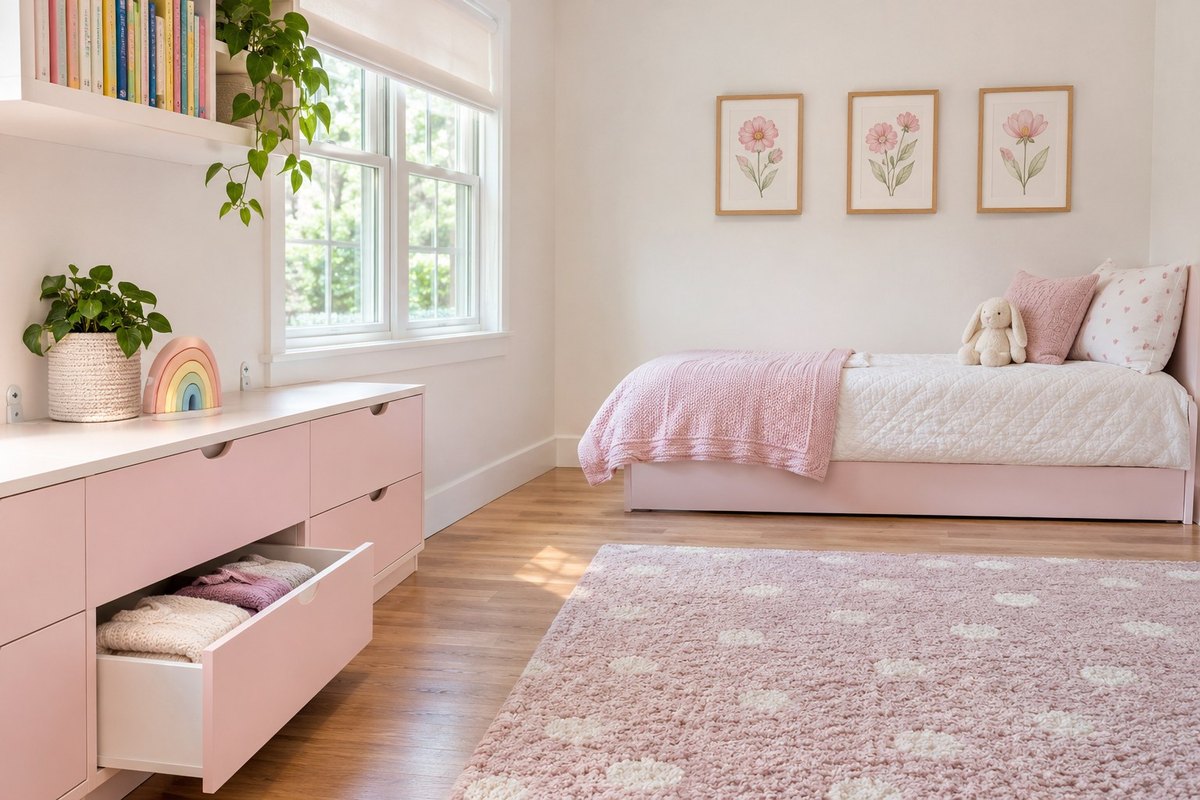
Put frequently worn clothes in a low drawer with a grip that is easy for your child to use. Pale pink drawer fronts can make the furniture part of the palette without taking up another wall. Leave room for the drawer to open fully and for your child to stand beside it while choosing a shirt.
Secure the furniture according to the manufacturer’s instructions and the wall construction. The CPSC’s Anchor It! program provides furniture anchoring guidance. Keep the most-used pieces in the easiest drawer and reserve the rest for older-child or adult access as appropriate.
5. Keep a Soft Play Area Away From the Bed
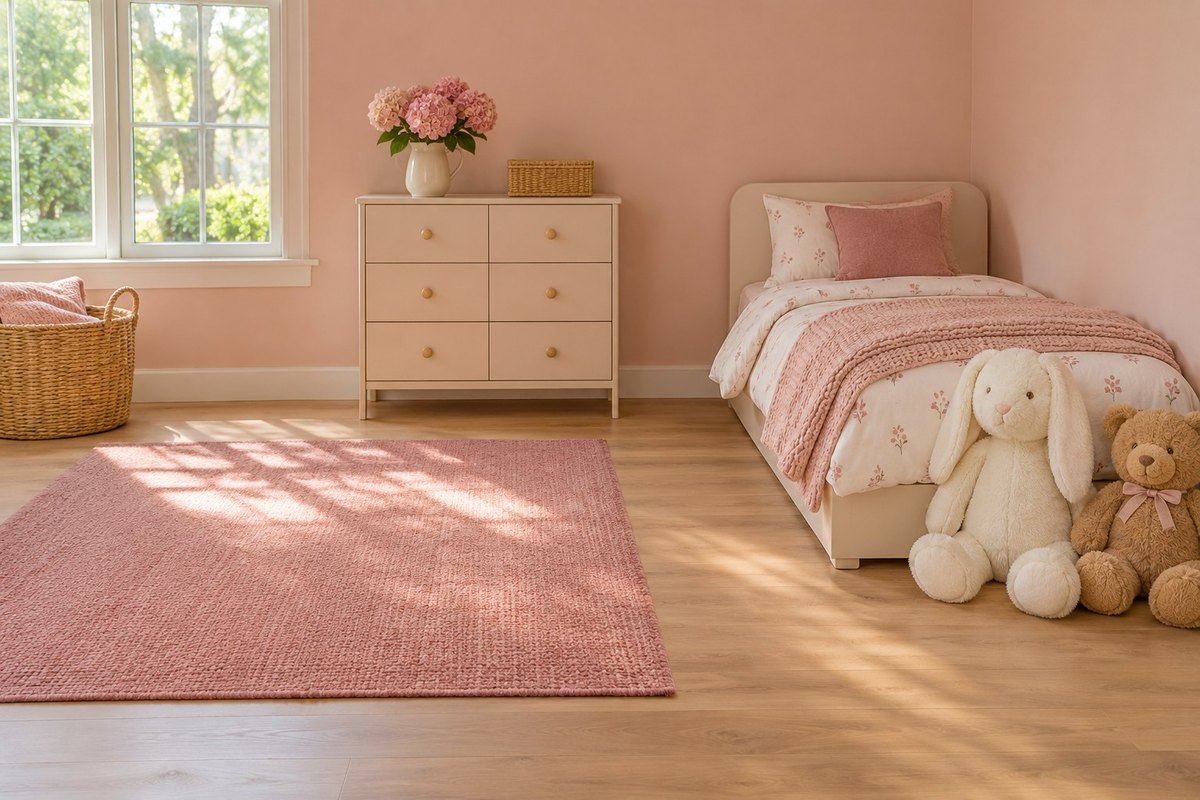
Set a flat play rug in an open area away from the bed where toys can come out for a short time. Give the rug enough room for a child to sit and move around it. Choose a low edge that lies flat and check that the rug and any backing suit the floor beneath.
Use dusty pink on the rug if the child wants a stronger color that can move with the room. Set one small storage bin at the side, leaving the route from the bed and door open. If play regularly spreads into the path, try moving the rug before adding more storage.
6. Use a Scallop on One Reading Nook Edge
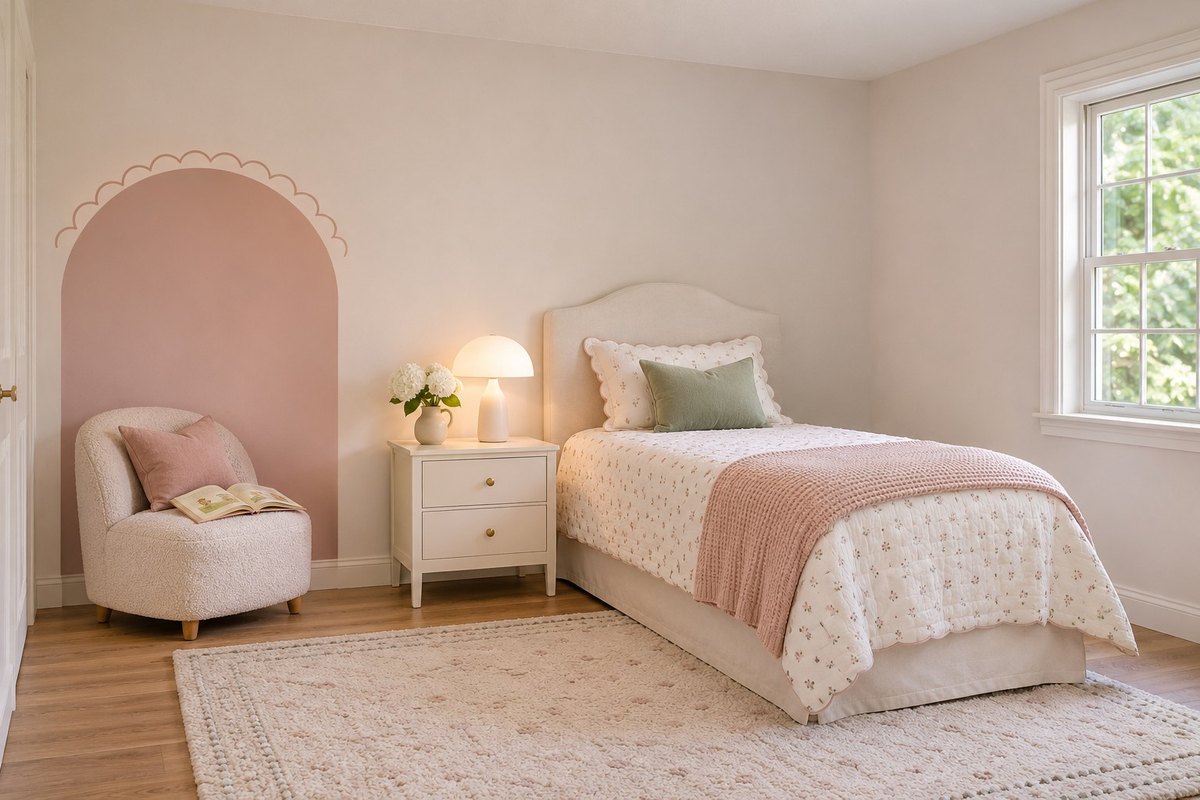
Paint a small scalloped edge around the upper part of a reading nook. The curved line can give a plain wall the look of a little castle alcove. Keep the scallop flat in paint, put the seat below it, and leave space to get in and out on both sides where the room allows.
Try two sizes on paper and look at them from across the room. Larger scallops look quieter, especially when you have several books with colorful covers nearby. A soft rose edge on cream is enough to define the nook without adding any hanging fabric.
7. Give Dress-Up Accessories One Soft Bin
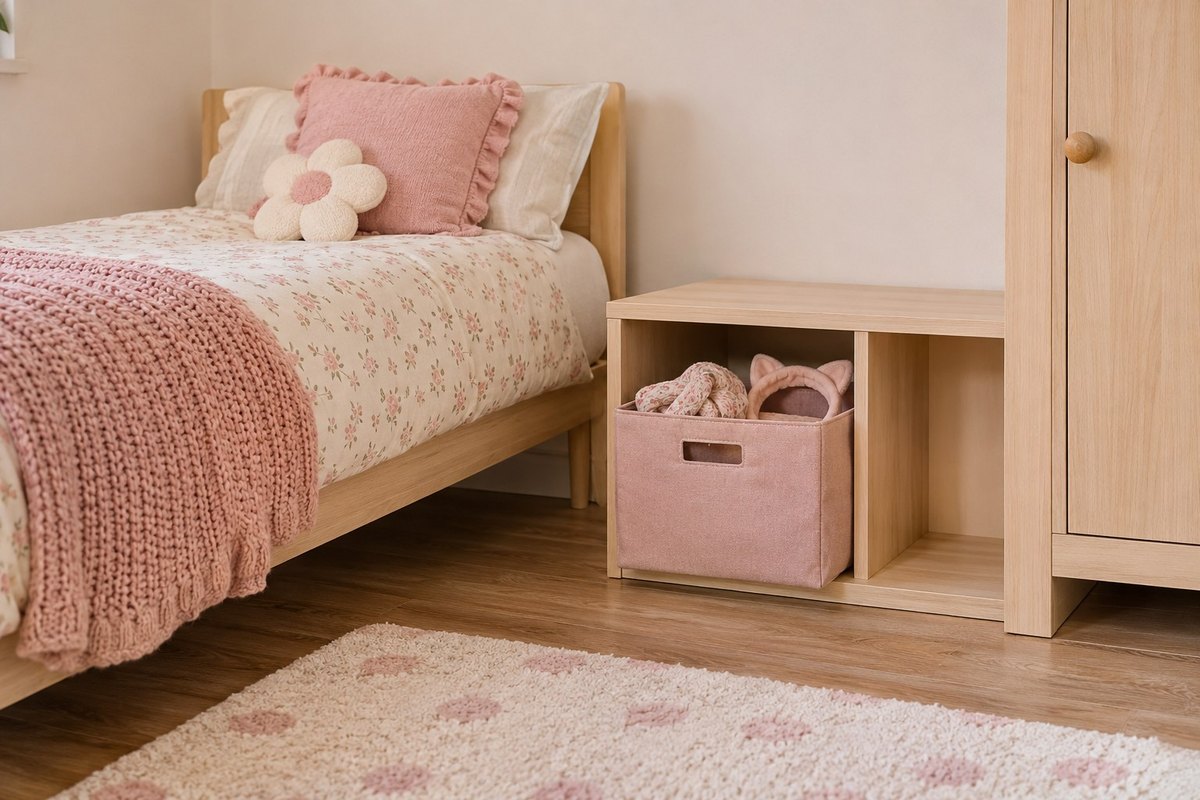
Give fabric dress-up pieces one open bin in a low cubby. Use it for a few age-appropriate items your child can put away together, such as a scarf or fabric headband. Keep the cubby clear of the walking route and use furniture secured according to its instructions.
Measure the usable opening, including the depth and the space to grip the bin. Pick a container your child can handle at its normal weight and keep its contents below the top edge. If the outfit pieces come out every day, keep the bin within easy reach and make room for less-used costumes elsewhere.
The small pink woric rope basket is 12 by 8 inches and 5 inches high. Check the cubby opening and use the basket by itself for soft accessories like costume scarves.
Discover small pink woric rope basket (paid link)
8. Use Coral to Mark a Craft Area
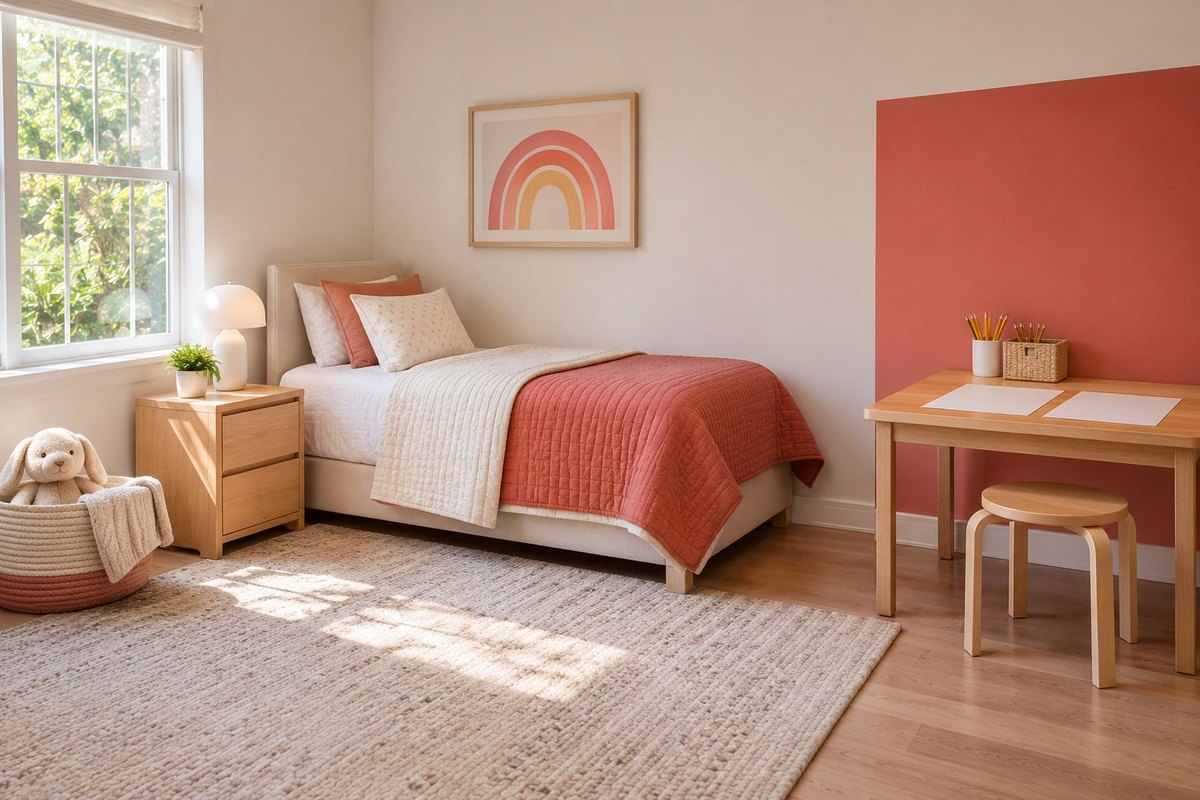
Paint a small coral rectangle behind a craft table to give that activity a visible home. Keep the bright color within the width of the table or a little beyond it. A pale wood top and one simple stool leave the coral clear, with enough room for paper.
Set out the supplies you expect to use together and check whether the table can hold them without a pile. Leave room for the chair or stool to move and keep the route to the door separate. Use a finish suited to the surface and the cleaning that the wall actually needs.
9. Put a Small Floral Print on a Closet Return
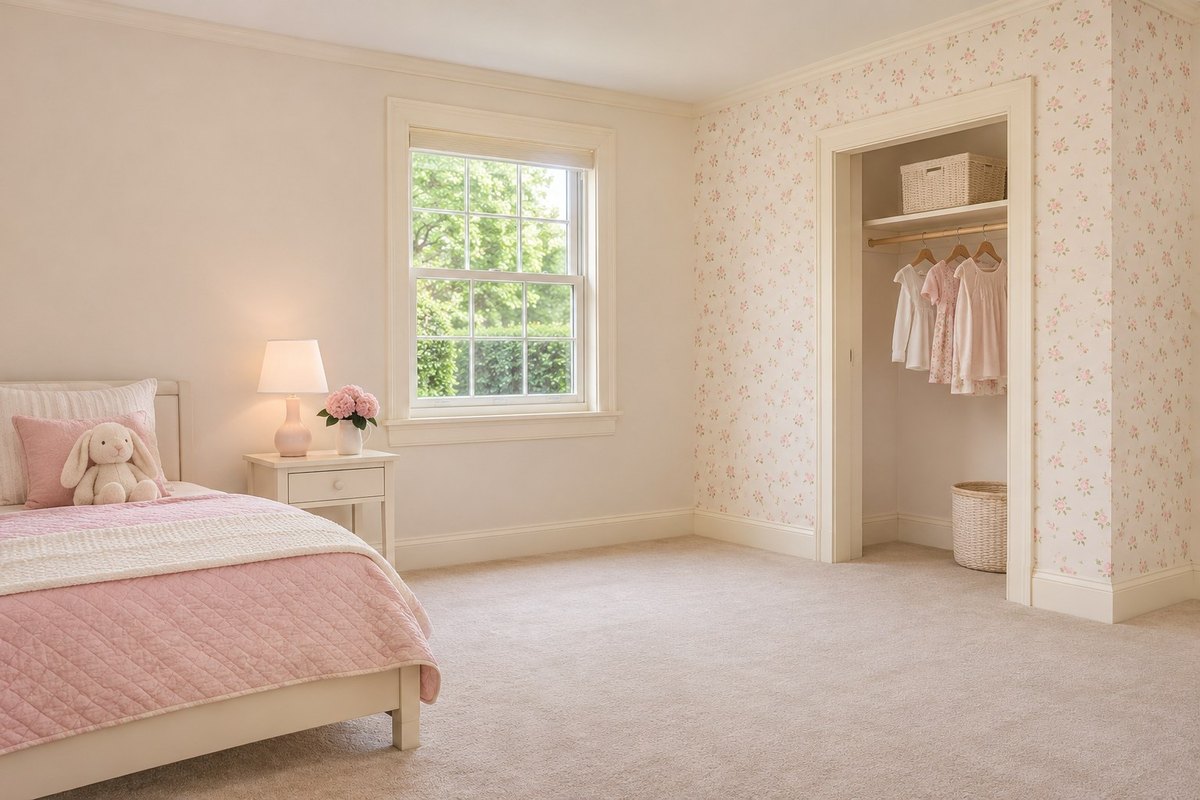
Try a tiny rose print on the dry wall beside a closet. The casing and side corner give it natural stopping points. Hold up a full sample with the closet door open and closed so you can see how much of the pattern remains visible in both positions.
Leave enough clear space near the opening for your child to dress or pick up laundry. A fine flower works well in a narrow strip because more than one repeat can remain visible. Keep the paint nearby simple and follow the paper maker’s surface and cleaning directions.
10. Give Shared Beds Two Different Pink Tones
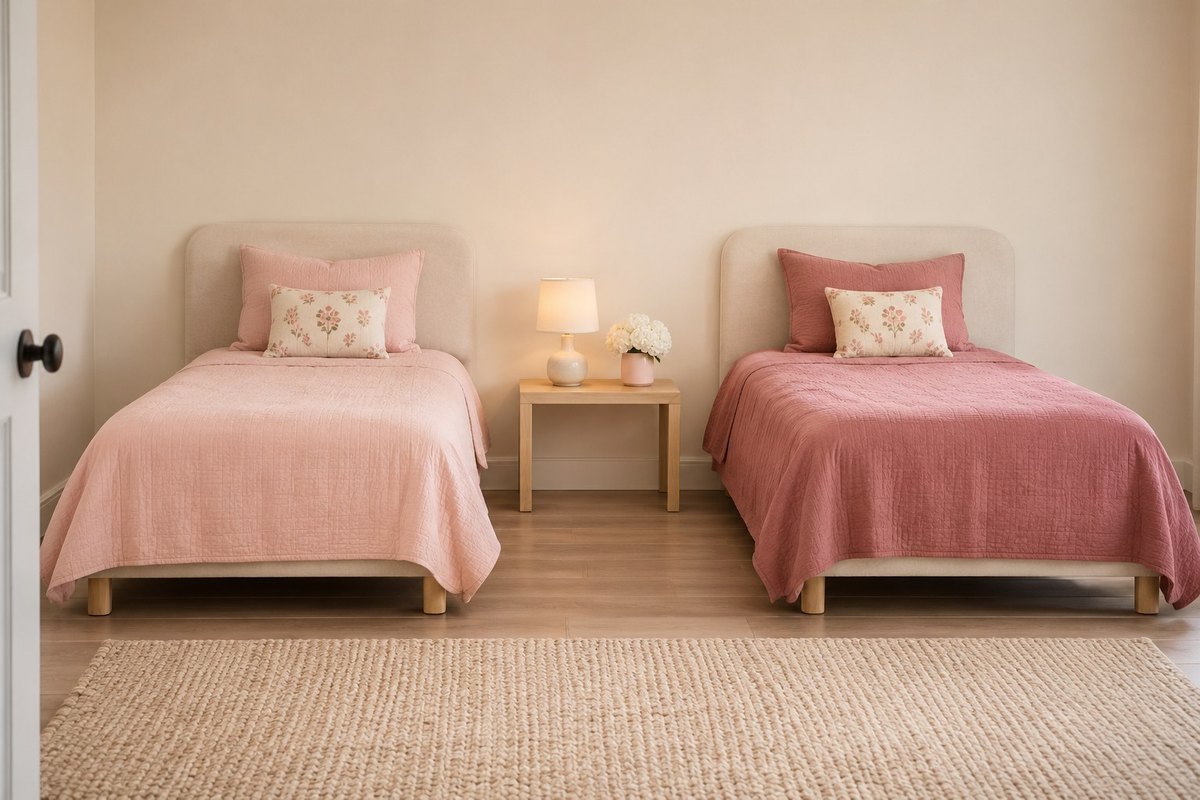
Give two children the same style of low bed and let each choose a different pink cover. A soft blush and a dusty rose are easy to distinguish from the doorway. Make sure the beds have the clearance the room needs for both children to move and for an adult to change the bedding.
Use one plain wall color to bring the two sides together. Give each child a separate place for daily items, close enough to use without crossing the other bed. These kids’ bedroom design ideas cover other ways to lay out shared or activity-heavy rooms.
11. Carry Watercolor Pink Into a Quiet Homework Wall
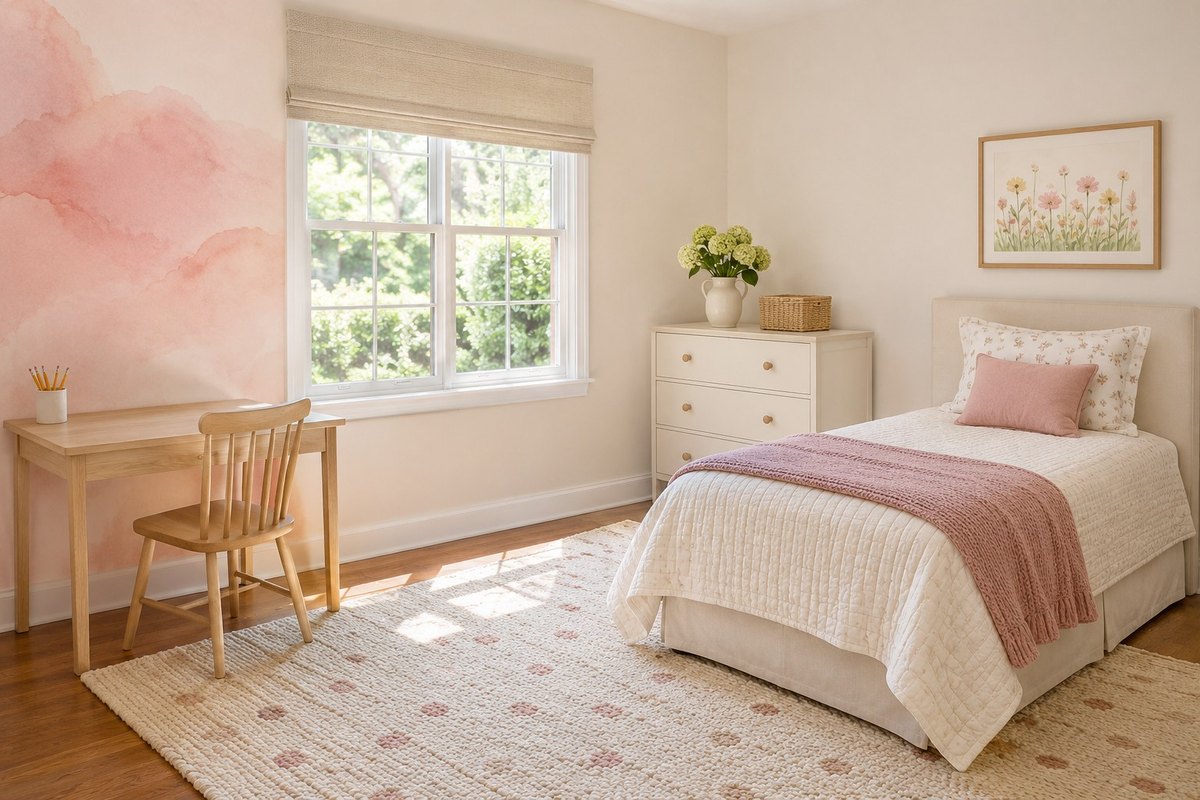
A pale watercolor effect behind a small homework desk adds pink in a softer way than a busy print. Keep the wash light enough that the desk and everyday supplies stay easy to see. Set it to the side of the room rather than in the middle of the walking route.
Check the desk in daylight and at homework time. Ask your child where they want to keep pencils, paper, and the book they are using. Leave one area of the top empty so they can spread out a page. Keep lighting and any necessary cords arranged according to the maker’s directions.
12. Give Tomorrow’s Outfit an Open Cubby
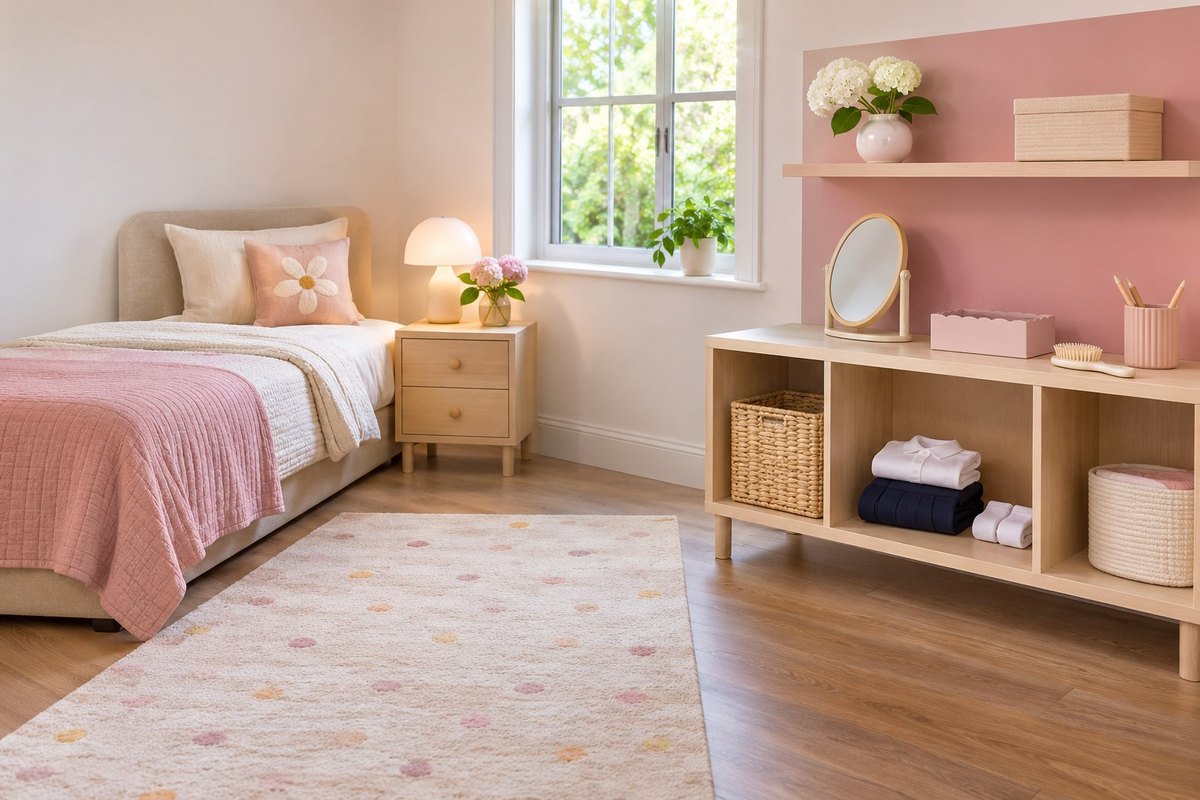
Give tomorrow’s folded outfit one low cubby with a pink-painted back. Use it for a full set rather than loose clothing from the whole week. It should be easy to reach without pulling other things forward. Keep the opening wide enough that sleeves stay inside when the outfit is put away.
Try the arrangement for several mornings and see which pieces your child forgets. Put the hardest-to-remember item on top or in a small part of the same shelf. These small-space organizing ideas show more ways to give a short routine one clear home.
13. Keep a Flamingo Motif on One Flat Surface
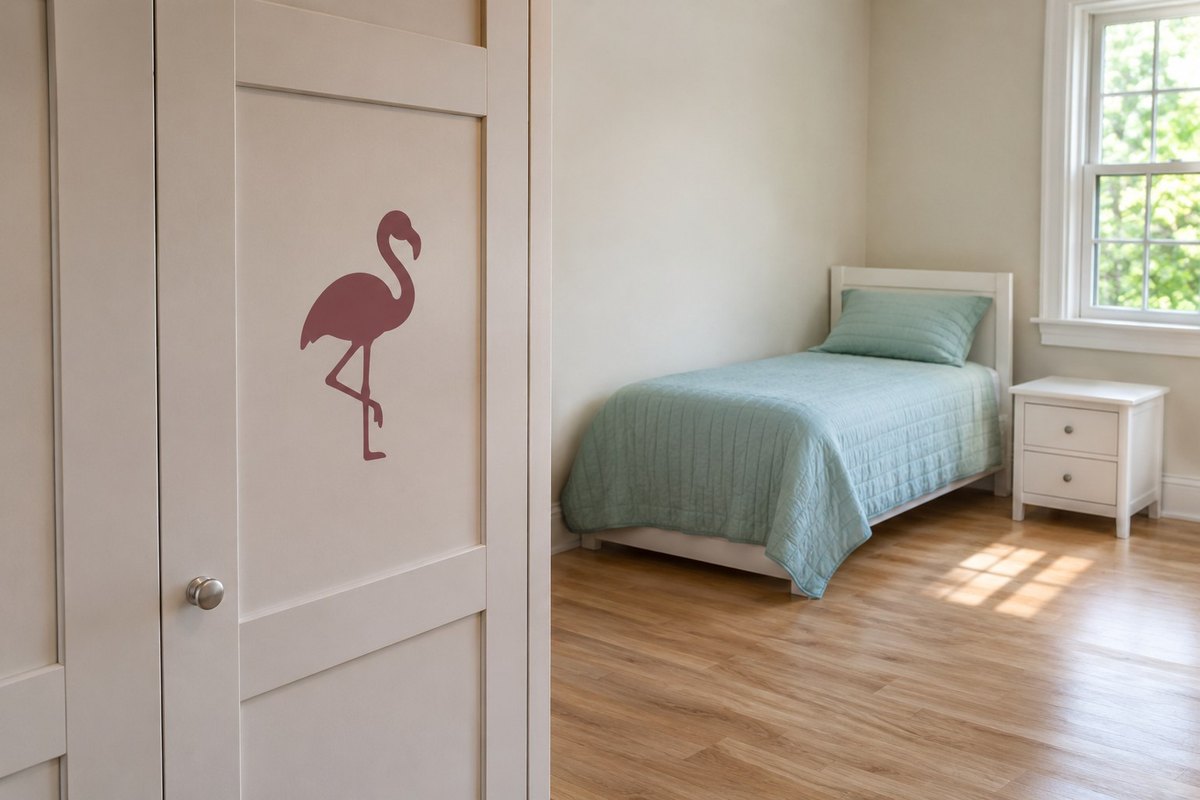
Put a single pink flamingo silhouette on a wardrobe panel or a solid wall away from the bed. A simple flat graphic gives a child the motif they chose and leaves plenty of space for the rest of the room. Use a sample to see how high it needs to sit to be visible without looking oversized.
Try a deeper rose on a pale background, then pick one quiet color for the bedding. Keep the motif to an area that can be repainted or changed when interests shift. Follow the finish maker’s surface instructions if you are painting a door or using removable paper.
14. Use Mauve and Gray at an Older Child’s Desk
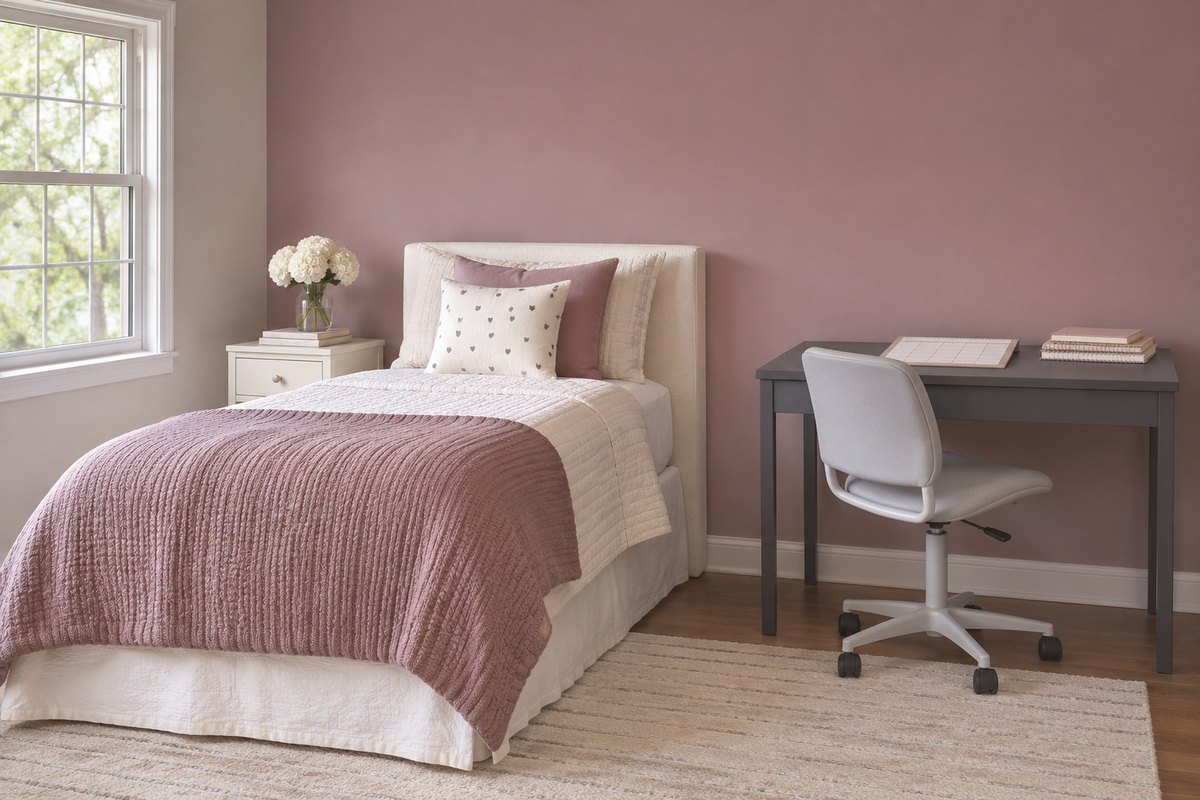
Mauve and gray can give an older child’s desk a quieter look. Compare a light warm mauve with the actual gray surface, then check how both appear in daylight and when the task light is on. Keep room for the chair to slide in and out so the work surface is easy to use.
Ask the child which supplies need to stay within reach and which can go in a drawer. A plain worktop gives notebooks and drawings enough visual space. Use a chair and table height that fit your child now and revisit that fit as they grow.
15. Define a Ballet Corner With a Floor Mat
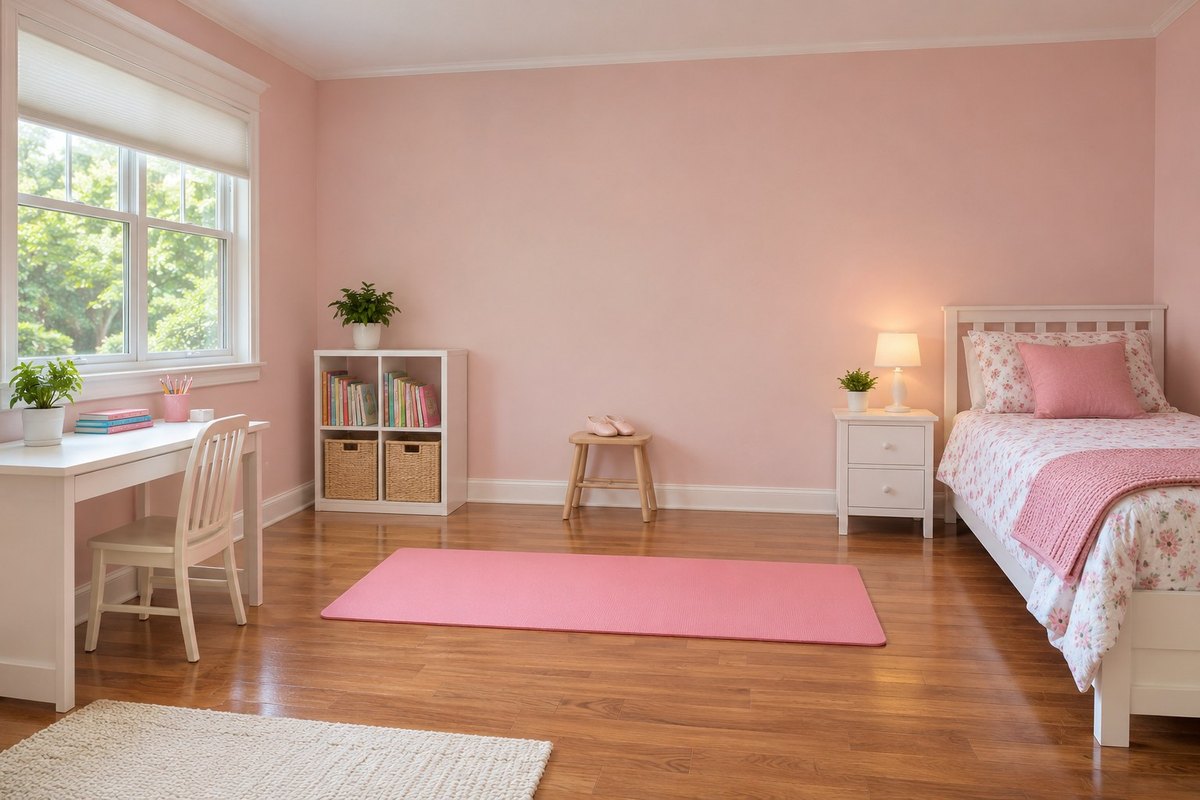
Use a flat pink mat to mark a small ballet or movement area when the floor has room for it. Put down the mat and check the full range of movement before placing a stool or storage next to it. Keep it away from the bed frame, door swing, and any objects that stick out into the space.
Place slippers on one low stool outside the movement area. Choose a mat appropriate for the floor and activity, and roll it up when the area needs to become a clear route again. A pink mat can carry the color on its own, with a simple wall beside it.
16. Assign Pink and Green to Two Routine Spots
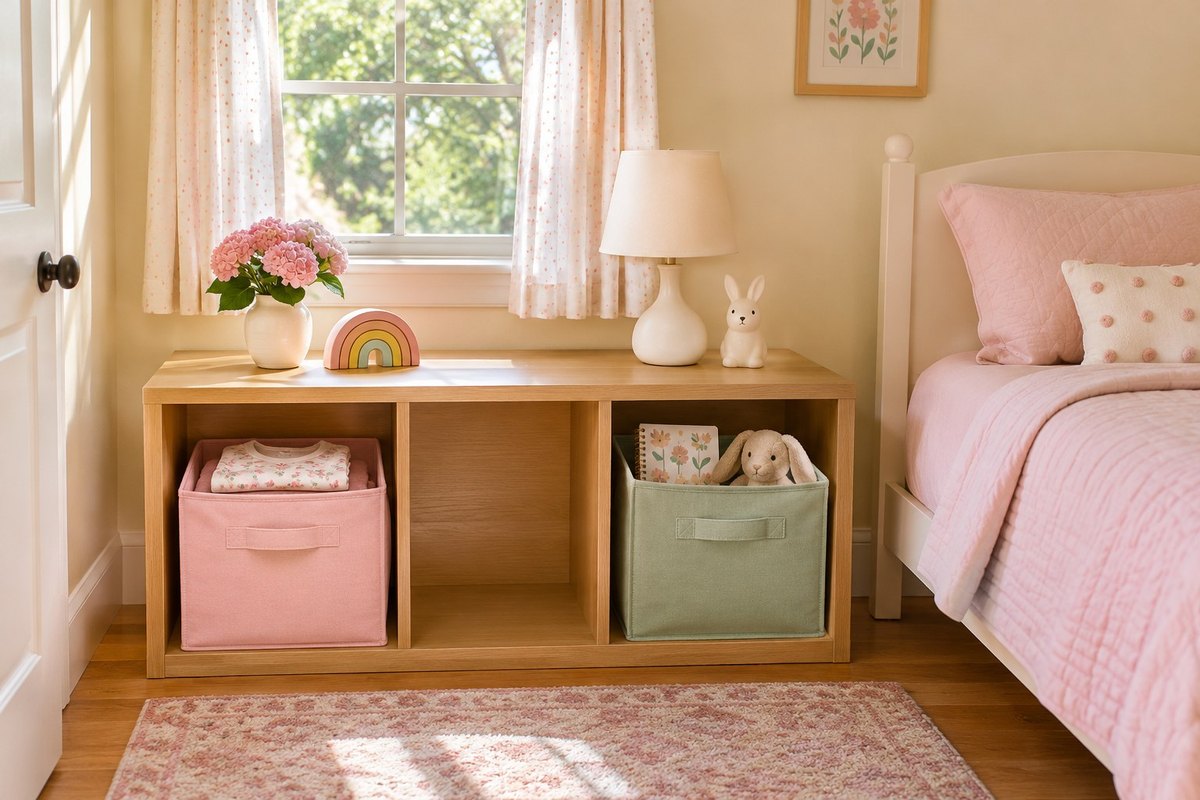
Use one pink bin for one routine and one green bin for another. For example, put the items for tomorrow morning in the pink bin and quiet activity pieces in the green one. Give each color a separate reachable place so it does not rely on a written label.
Try the two positions with your child and see which is easiest to reach while standing. Keep each group small enough to pull out and return in one movement. If both containers end up holding mixed items, adjust what they are for before adding another color.
17. Use Charcoal Only on a Work Surface
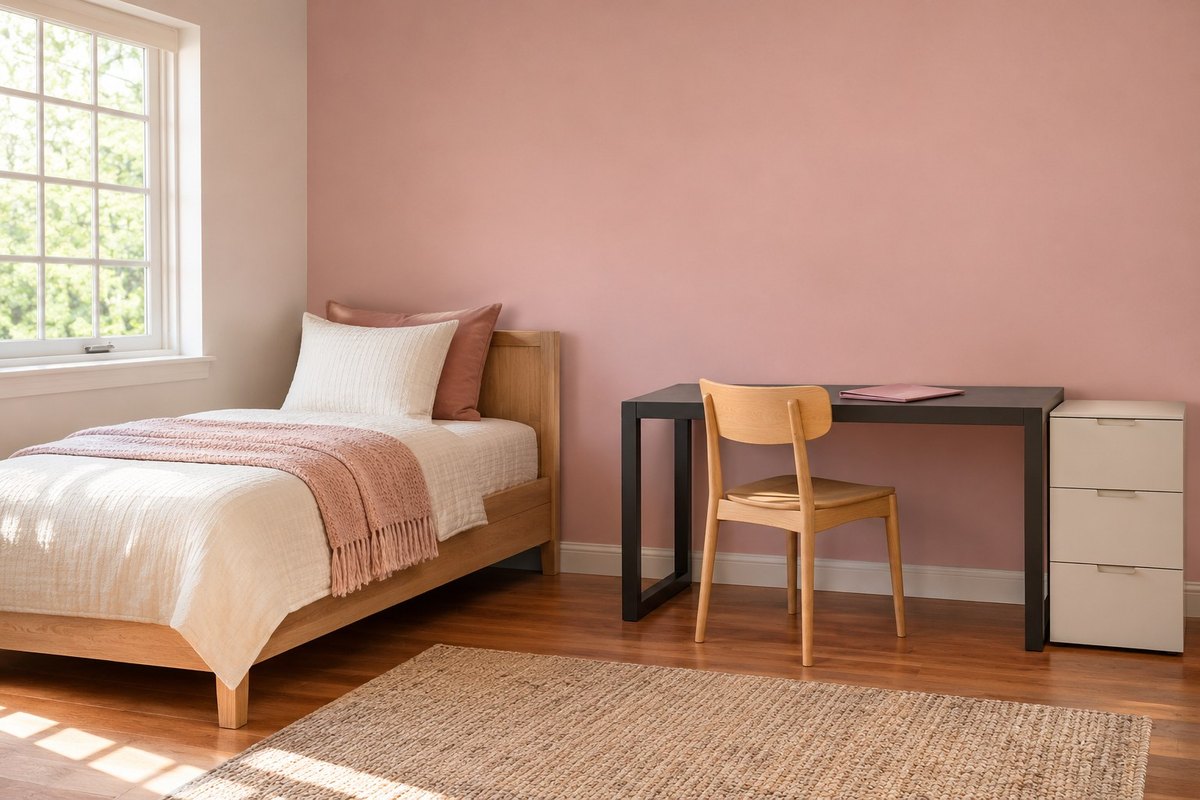
Try charcoal on a single work surface against pale rose. The darker top can make the desk feel more grown-up while the walls and rest of the room remain light. Look at a full-size sample near the furniture that is staying. A very dark top can look much heavier next to pale upholstery than it does in isolation.
Put the work surface where the chair can pull out without reaching into the bed area. Use a low-profile drawer for a few daily things and leave a clear patch for books. Keep the pink on one wall or one fabric so the stronger contrast is easy to read.
18. Paint a Small Constellation Beside the Bed
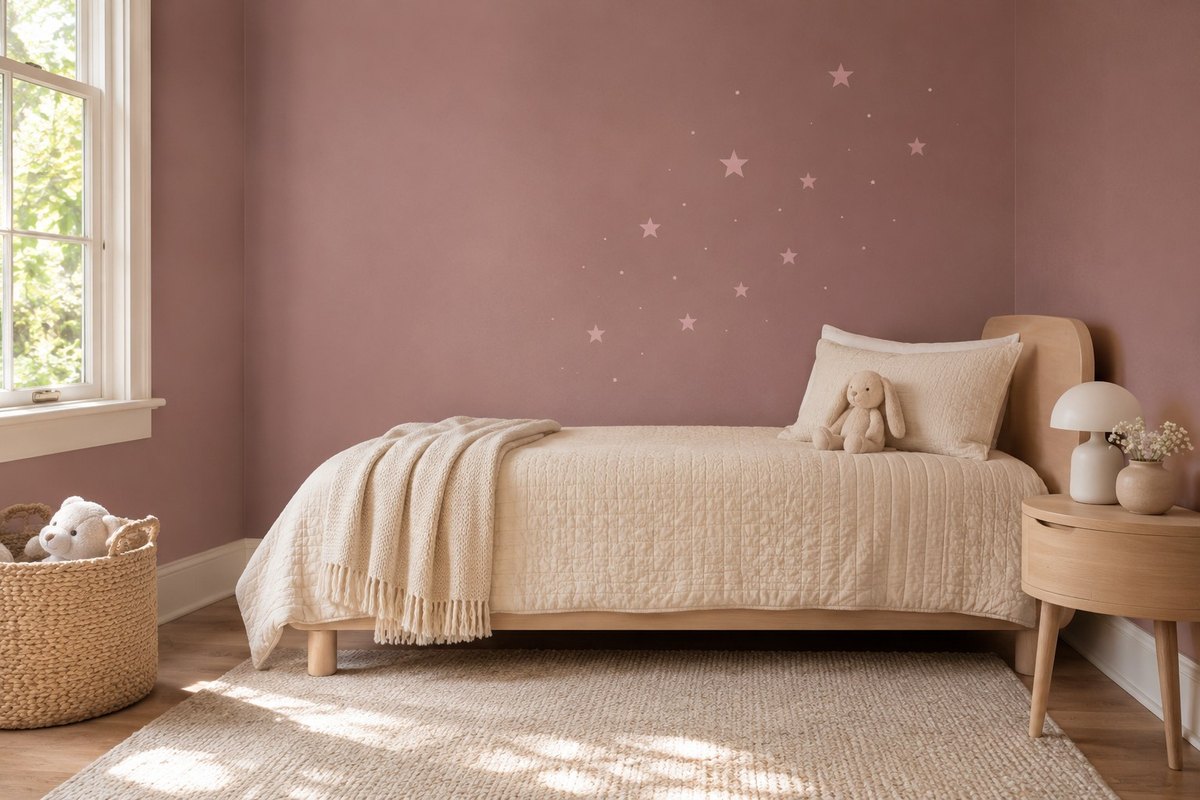
Paint a small constellation on the wall beside the bed. Use one group of pale pink stars on a muted wall and leave the rest open. Look from the bed and from the doorway before you choose where the little group begins. Keeping it on the side makes the decoration visible without adding anything above the pillows.
Let your child pick which shape will be largest or where one star goes. The painted marks can give the room a nighttime theme in daylight too. If you use a temporary material, follow the maker’s surface instructions and choose an age-appropriate installation away from anything a child might pull down.
19. Put Jewel-Tone Pink on One Reading Cushion
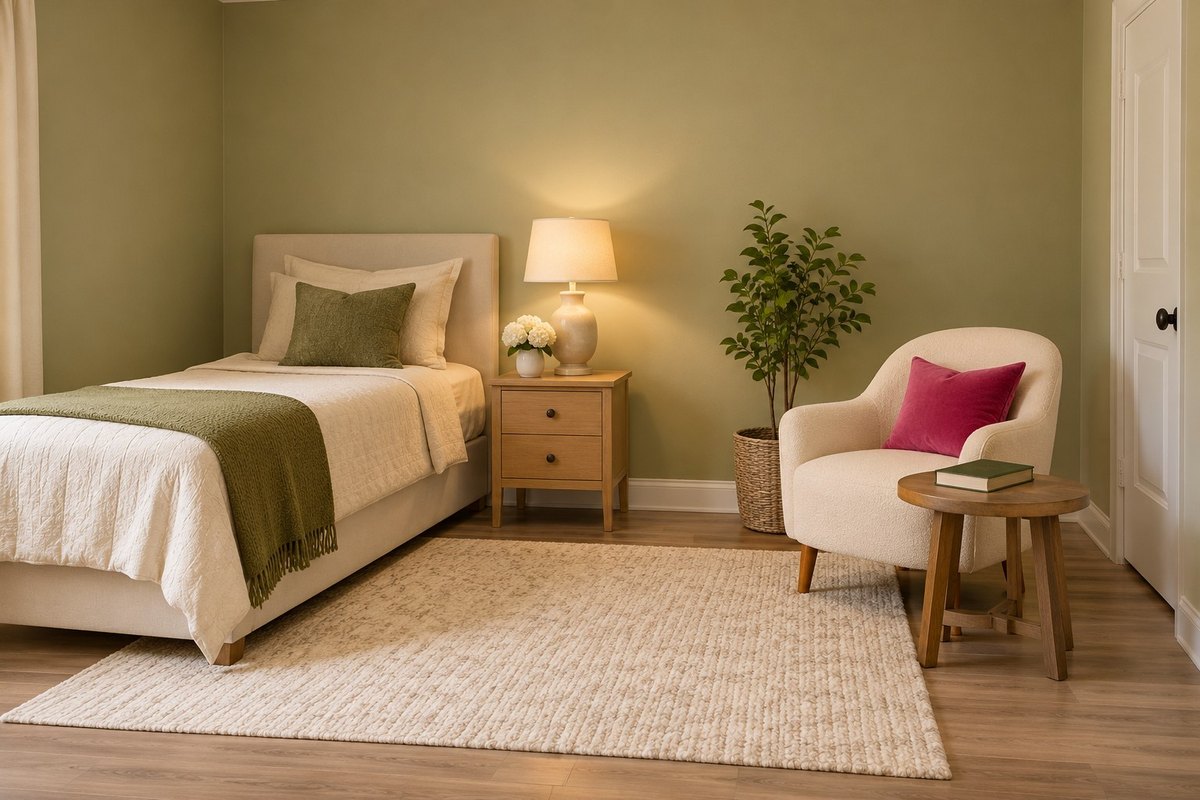
Put one berry-pink cushion on a low reading chair or a seat that already fits the room. A deeper pink shows up well against cream without needing another painted surface. Choose an appropriately sized cushion and place it where your child can sit and get up easily.
Leave a small place for a book on a steady side surface if there is room. If the corner is already tight, use a nearby low shelf instead. Try the color beside the wall and seat. If it looks very dark at night, a slightly lighter rose can keep the same effect.
20. Give a Garden Pattern One Bounded Wall
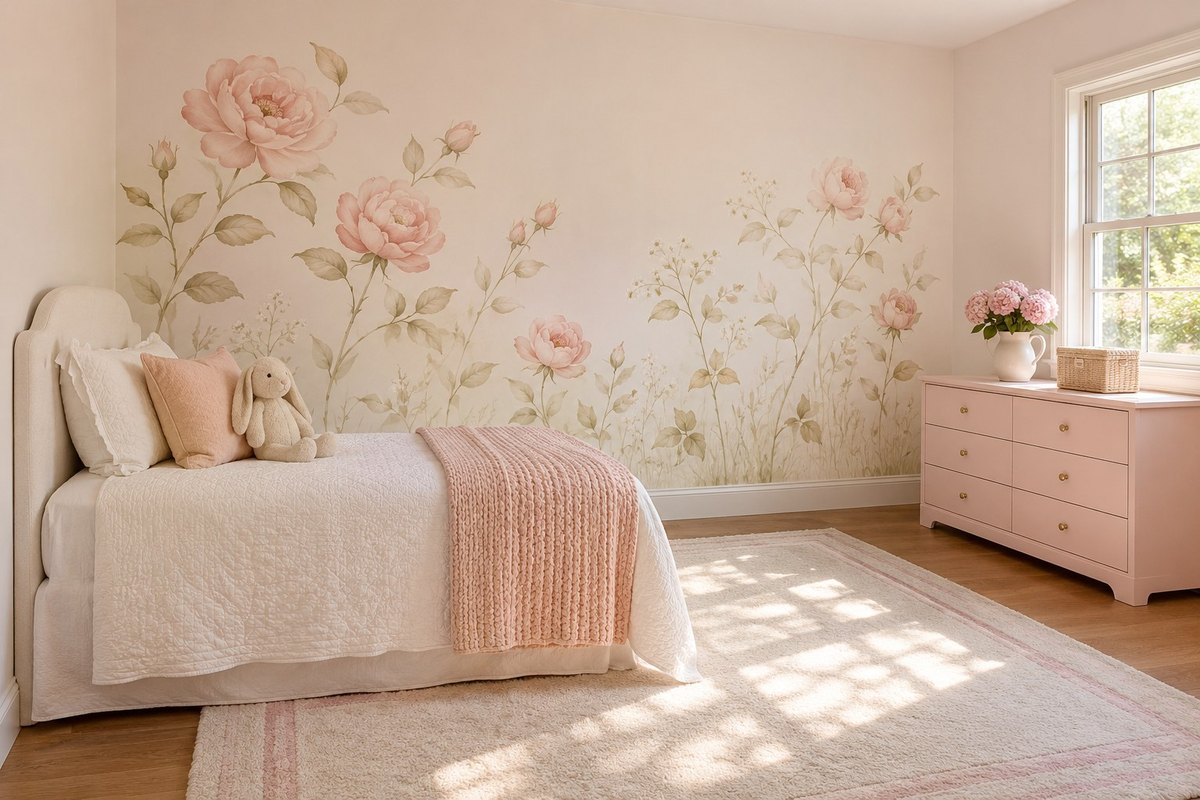
Use a rose-garden pattern on one side wall with enough uninterrupted space to see the main stems. A loose flower design with generous gaps gives a child’s room some of the charm of a storybook garden. Keep a plain wall for storage so furniture and everyday items can sit in front of it comfortably.
Hold the sample near the floor and at the child’s eye level. Choose a place where the top of a dresser or chair will leave the main flowers visible. Use flat paper or paint on the wall, and follow the finish maker’s directions for the actual room surface.
21. Keep Black and Pink to a Teen Noticeboard
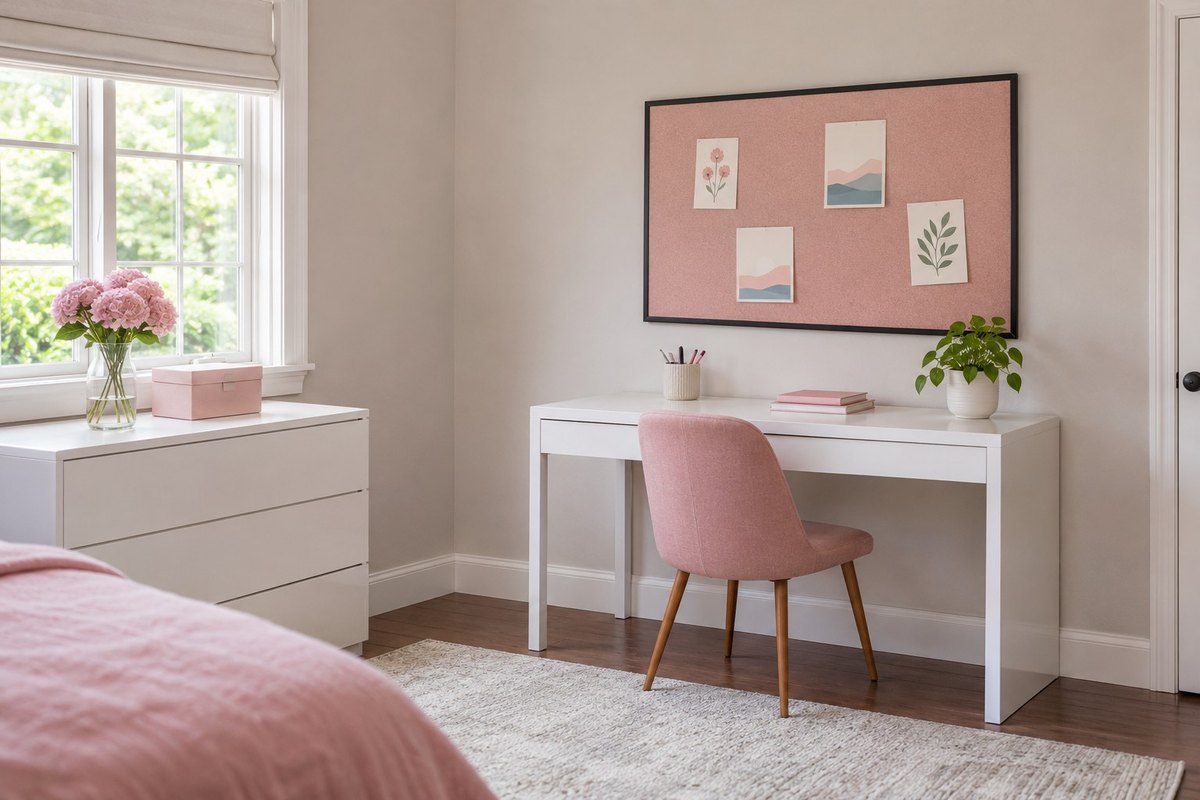
An older child can use a small blush noticeboard with a black border above a study desk. Keep it on the work wall and follow its mounting directions. A compact board can show the drawings, photos, or reminders that matter now. Its contents can change without rearranging the whole bedroom.
Make sure the child can reach it comfortably from the intended position. Keep it away from the bed and choose age-appropriate ways to hold papers. Leave some board space clear so it is easy to add or remove a page. A narrow dark edge can be enough to give the pink a stronger outline.
22. Paint a Low Sunset Shape Behind the Bed
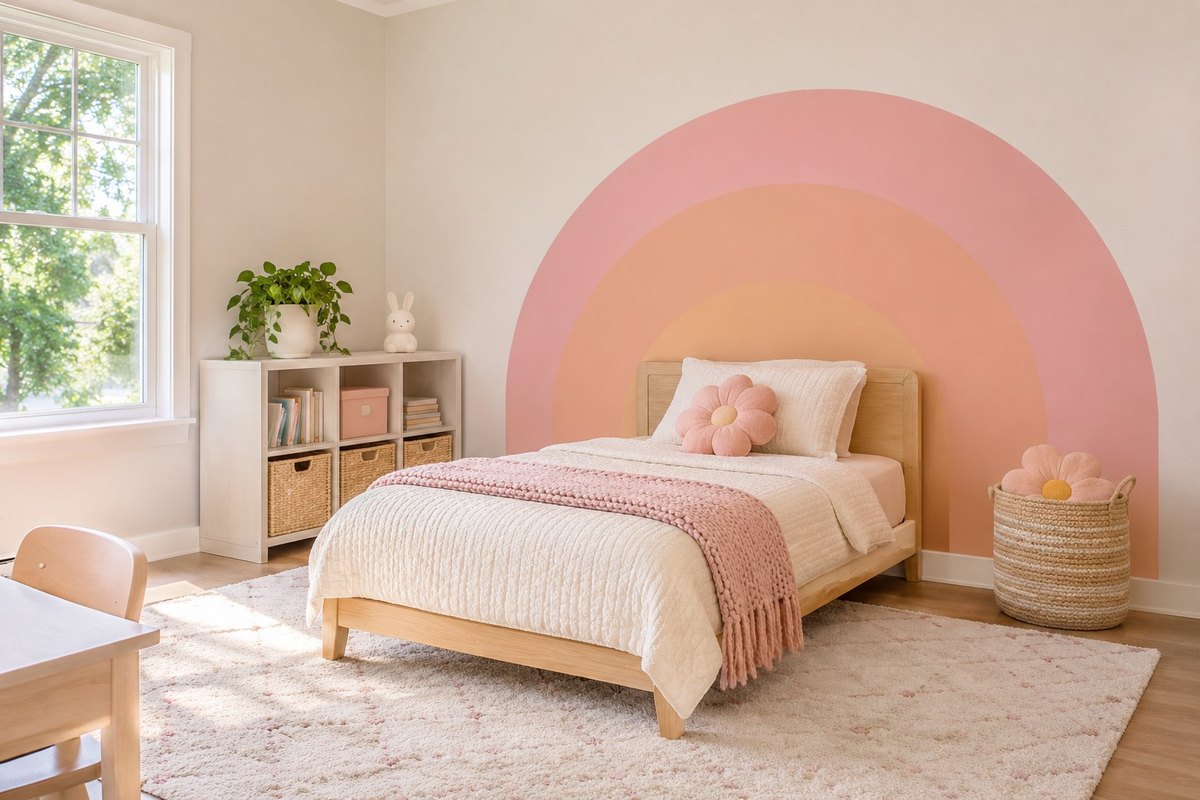
Paint a broad sunset shape behind a low bed to give it the outline of a canopy. Try a pale pink outer arch and a quiet apricot interior. Keep the shape flat against the wall with no overhead fabric or suspended objects. Mark the bed width first so the arch still looks centered with the pillows in place.
Use simple cream or blush bedding to let the paint carry the shape. If the room is narrow, look from the doorway before painting the final boundary. A slightly wider arch can make the low bed feel less boxed in when the side wall is close.
23. Use Cherry Blossoms Inside a Shelf Back
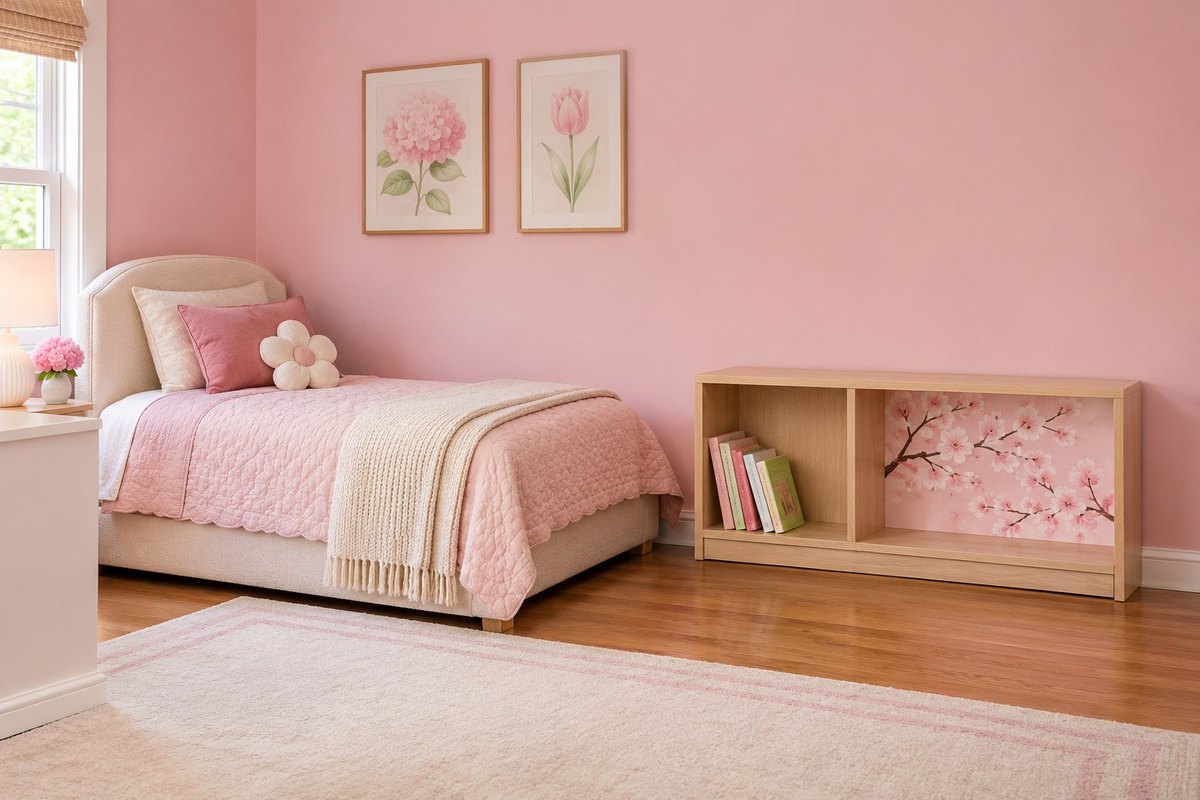
Put cherry blossom paper on the back of one low open cubby. The branch detail stays visible behind a few short books and gives the shelf a small springlike accent. Choose a panel that is easy for your child to see without standing on anything. Keep the shelf unit secured according to the maker’s instructions.
Try the paper with the books in place before applying it. A larger blossom can still show above a row of paperbacks, while a very fine repeat can disappear into shadow. Keep the shelf top clear and use the remaining shelves for items that are easy to take out.
24. Put Balloon Shapes on a Flat Painted Panel
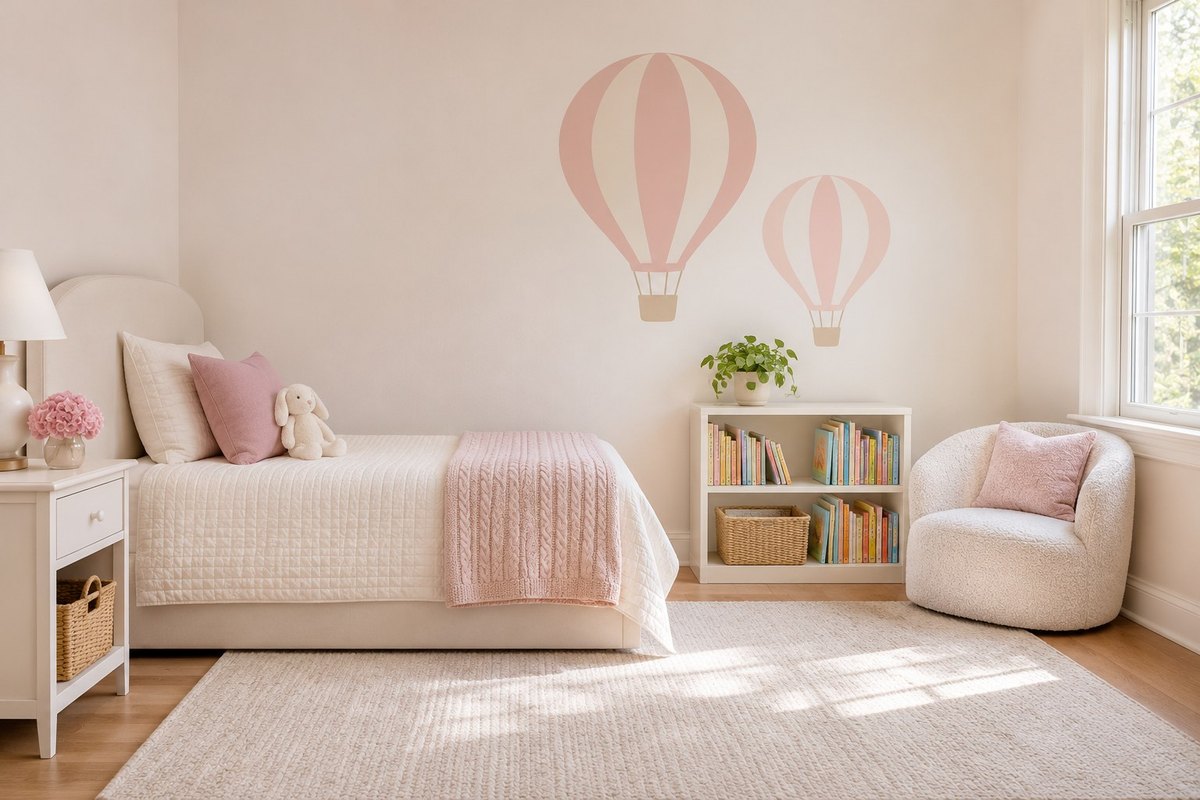
Paint two simple balloon shapes on a panel near the reading or play area. Use pale pink and ivory with enough contrast to see both shapes from across the room. Let the painted shapes be the decoration. Leave the surrounding wall clear so they do not compete with the toys and books that move around the room.
Try the drawing on paper at the height your child usually looks. A lower panel can make the idea feel more personal than a design close to the ceiling. Keep the motif beside the activity area and away from the path through the door.
25. Use Gingham on a Cover You Can Change
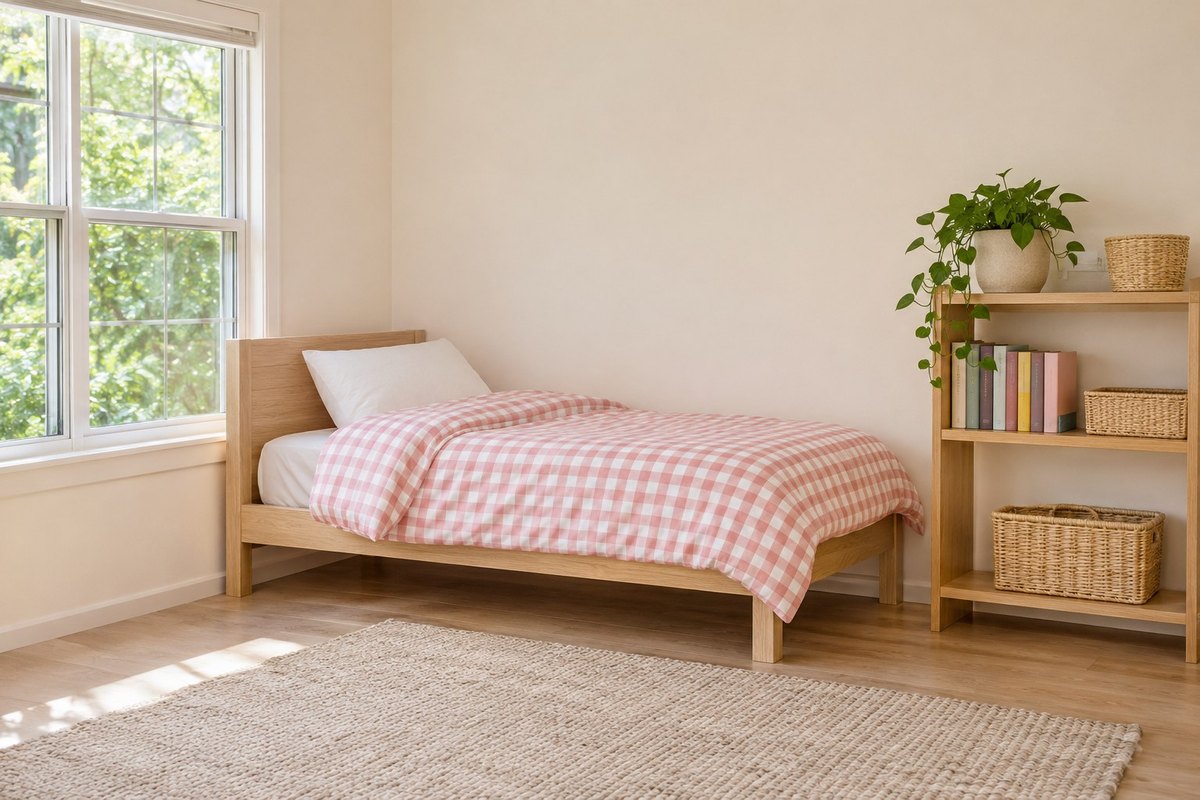
Use dusty pink and white gingham on a removable bed cover. A plain pillow and a warm wood frame keep the repeat easy to see. Choose a cover and closure suited to the bed and the child’s age, and check the care directions against the way you normally wash bedding.
If your child wants a different pink as they get older, a bed cover is straightforward to replace. Keep the rest of the room in colors they can use with another pattern. For a palette aimed at an older teen or adult room, see these pink bedroom color and material ideas.
Pick the routine your child most wants the room to support and give it a clear place. Then choose one pink that works with the pieces you already have. A painted arch, one soft bin, or a gingham cover can bring the storybook detail while the bed, door, and floor stay easy to use. As your child grows, move the details that can change and adjust the layout to how they use the room now.
Discover more from HomeTrendora
Subscribe to get the latest posts sent to your email.