Rustic home decor embraces the beauty of natural materials and a connection to the outdoors, creating spaces that feel warm, inviting, and effortlessly timeless. This design style celebrates imperfections, from the rugged texture of weathered wood to the sturdy simplicity of stone and metal. It’s about crafting a comfortable sanctuary that feels both authentic and lived-in, blending organic elements with cozy textiles and vintage finds. By focusing on simplicity and durability, rustic decor allows you to build a home that is not only beautiful but also deeply personal and grounded in nature’s unrefined elegance.
1. Reclaimed Wood Accent Wall

A reclaimed wood accent wall introduces immediate warmth and character to any room. Using salvaged planks from old barns, factories, or pallets brings a unique history and texture that new materials cannot replicate. The varied tones, nail holes, and saw marks on the wood tell a story, creating a compelling focal point in a living room behind a sofa or in a bedroom behind the headboard. This feature pairs beautifully with both modern and traditional furnishings, providing a rich, organic backdrop that grounds the space. It’s an effective way to infuse the home with an authentic sense of rustic charm and sustainable style.
2. Stone Fireplace with a Raw Wood Mantel

The stone fireplace serves as the quintessential heart of a rustic home, radiating both physical and visual warmth. Constructed from natural fieldstone, river rock, or slate, it creates a powerful, earthy anchor for the living area. Topping it with a thick, raw-hewn wood mantel enhances its rugged appeal. This mantel, with its live edge and visible grain, provides the perfect perch for simple decor like cast-iron candle holders or framed nature prints. This combination of stone and wood celebrates raw materials and offers a cozy gathering spot for family and friends on chilly evenings.
3. Sliding Barn Doors

Sliding barn doors are a hallmark of rustic design, offering a functional and stylish alternative to traditional swinging doors. Mounted on a dark metal track, these large wooden doors can separate a living room from a dining area or conceal a pantry in the kitchen. They save space while making a significant visual statement. Whether painted a distressed white, stained to highlight the wood grain, or left in their natural, weathered state, barn doors add a touch of farmhouse character. Their practical application combined with their strong aesthetic presence makes them a popular and impactful choice for enhancing a rustic interior.
4. Exposed Ceiling Beams

Exposed ceiling beams instantly add architectural interest and a sense of history to a space. Whether they are original structural elements in an older home or decorative additions, these beams draw the eye upward, making a room feel taller and more open. Using rough-sawn or hand-hewn wood enhances the rustic effect, showcasing natural textures and imperfections. Darkly stained beams create a dramatic contrast against a light ceiling, while naturally finished or whitewashed beams offer a softer, more subtle country charm. This element is fundamental in creating an atmosphere that feels sturdy, authentic, and connected to traditional craftsmanship.
5. Wrought Iron Light Fixtures

Wrought iron light fixtures bring a touch of industrial, handcrafted elegance to a rustic setting. Chandeliers, pendants, or sconces made from this durable, dark metal provide a striking contrast against wood and stone surfaces. The simplicity of their design, often featuring clean lines or gentle curves, complements the unrefined nature of rustic decor without overwhelming it. Consider a large wagon wheel chandelier in a vaulted living room or simple sconces flanking a fireplace. These fixtures not only provide warm, ambient lighting but also act as sculptural elements that reinforce the home’s sturdy and timeless aesthetic.
6. Farmhouse Dining Table

A large farmhouse dining table is a central piece for rustic family gatherings. Typically crafted from solid, chunky wood like pine or oak, these tables are built for durability and communal meals. Their appeal lies in their simple, sturdy construction, often featuring thick legs and a spacious top that proudly displays the wood’s natural grain and knots. A distressed or weathered finish adds to its charm, suggesting years of shared stories and laughter. Paired with mismatched wooden chairs or simple benches, the farmhouse table becomes an inviting hub for daily life, embodying the rustic focus on togetherness and practicality.
7. Natural Fiber Rugs

Natural fiber rugs, such as those made from jute, sisal, or seagrass, are essential for grounding a rustic space. These rugs introduce an organic texture and earthy tone that complements wood floors and stone features perfectly. Their woven construction adds a layer of handcrafted quality, while their durability makes them ideal for high-traffic areas like living rooms and entryways. A large jute rug under a dining table or a sisal runner in a hallway adds warmth and defines the area without competing with other design elements. This simple addition enhances the room’s connection to nature and its overall cozy feel.
8. Open Wood Shelving in the Kitchen

In a rustic kitchen, open wood shelving replaces traditional upper cabinets to create an airy and accessible feel. Thick planks of reclaimed or rough-sawn wood mounted on simple iron brackets offer a place to display everyday dishes, glassware, and ceramic jars. This approach not only makes the kitchen feel more spacious but also turns practical items into part of the decor. The visibility of stoneware plates, mason jars filled with grains, and copper mugs adds to the lived-in, functional charm of the space. It’s a practical design choice that celebrates simplicity and keeps essential items within easy reach.
9. Antique Trunks as Coffee Tables

Using an antique trunk as a coffee table is a creative way to add storage and historical character to a living room. A vintage leather or wood-and-metal trunk introduces a sense of journey and nostalgia, serving as a unique focal point and conversation starter. Its surface is perfect for holding drinks and books, while its interior provides hidden storage for blankets, magazines, or board games. The trunk’s weathered patina, old hardware, and sturdy build align perfectly with the rustic aesthetic of celebrating aged, functional, and meaningful objects. It’s a piece that is both beautiful and incredibly practical.
10. Galvanized Metal Accents

Galvanized metal accents introduce a touch of industrial farmhouse style that pairs seamlessly with rustic decor. Items like metal buckets used as planters, ribbed containers for kitchen utensils, or a corrugated metal panel on a kitchen island bring a cool, utilitarian texture to the space. This material, known for its durability and muted silver-gray finish, provides a subtle contrast to the warmth of wood without feeling too modern or cold. Incorporating these simple, practical pieces adds a layer of authenticity and reflects a hardworking, no-frills heritage that is central to the rustic design philosophy.
11. Cozy Plaid and Wool Textiles

Cozy textiles in plaid and wool patterns are fundamental for creating a warm and inviting rustic atmosphere. Draping a thick wool blanket over a sofa, adding plaid throw pillows to an armchair, or laying a tartan runner on a wooden table instantly adds layers of comfort and color. These fabrics, with their rich textures and classic patterns, evoke a sense of a mountain cabin or country retreat. They soften the hard surfaces of wood and stone, making the space feel more welcoming and lived-in. Choosing earthy tones like forest green, deep red, and warm brown enhances the connection to the natural world.
12. Distressed Furniture Finishes

Distressed finishes on furniture are a cornerstone of rustic style, giving pieces an aged, well-loved appearance. A painted dresser, side table, or bookshelf that has been sanded to reveal the wood underneath suggests a history and character that new furniture lacks. This technique can be applied to both new and vintage pieces to achieve a perfectly imperfect look. The chipped paint and worn edges contribute to a relaxed and informal atmosphere where nothing is too precious. This aesthetic celebrates the beauty in wear and tear, reinforcing the idea that a home should be comfortable and used.
13. A Deep Apron-Front Sink

An apron-front sink, also known as a farmhouse sink, is a classic feature in a rustic kitchen. Its deep, wide basin is not only highly practical for washing large pots and pans but also serves as a prominent design element. Typically made from white fireclay or cast iron, it creates a bright, clean focal point that contrasts beautifully with wood countertops and cabinetry. The exposed front panel gives it a traditional, sturdy look that harkens back to classic country homes. This sink blends functionality with timeless style, making it an enduring choice for any rustic-inspired kitchen design.
14. Burlap and Linen Curtains

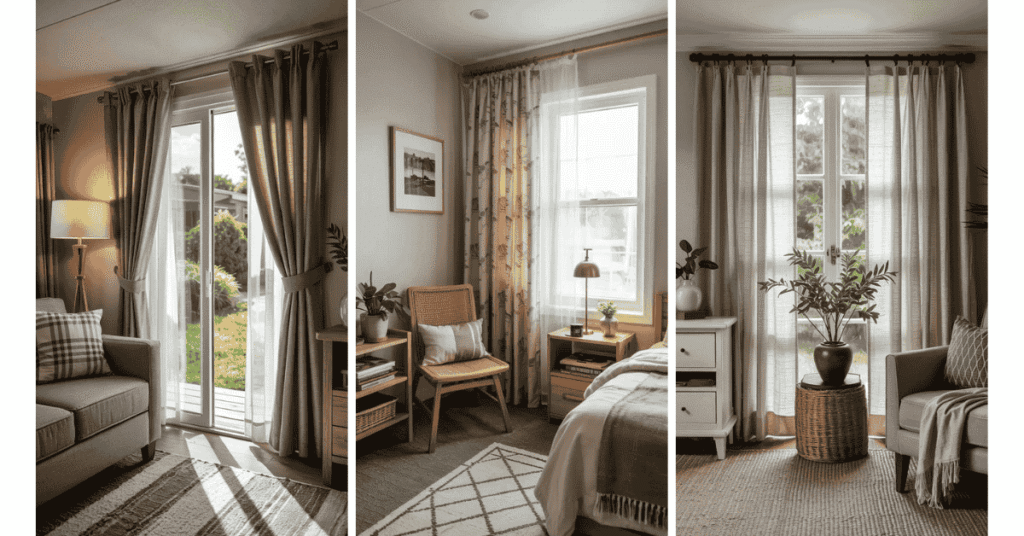
Burlap and linen curtains add a simple, organic touch to windows in a rustic home. These natural fabrics have a beautiful, slightly coarse texture that filters light softly, creating a warm and gentle ambiance. Unlike heavy drapes, they don’t block the connection to the outdoors but rather frame the view with understated elegance. Hanging them from a simple iron rod enhances the look. The neutral, earthy tones of burlap and linen complement wood and stone elements without creating a visual distraction, contributing to the serene and unpretentious atmosphere that defines rustic interiors.
15. Mason Jar Organizers and Decor

Mason jars are incredibly versatile and embody the simple, resourceful spirit of rustic decor. Grouped together in a wooden caddy, they can be used on a bathroom vanity to hold toothbrushes and cotton balls. In the kitchen, they are perfect for storing dry goods or as simple drinking glasses. For a touch of ambiance, a few jars can be transformed into charming candle holders or small vases for wildflowers. Their clear glass and classic design allow them to blend into any rustic setting, offering a practical and affordable way to organize and decorate with a hint of country charm.
16. A Freestanding Clawfoot Tub

A freestanding clawfoot tub is a luxurious and iconic element in a rustic bathroom. It evokes a sense of vintage elegance and leisurely soaking, turning the bathroom into a private retreat. Placed against a reclaimed wood wall or on a dark-tiled floor, the tub becomes a stunning centerpiece. Its classic shape and ornate feet provide a beautiful contrast to the more rugged elements of rustic design, such as a simple wood vanity or stone flooring. This timeless fixture adds a touch of romantic nostalgia and elevates the room from purely functional to a spa-like sanctuary.
17. Live-Edge Wood Shelves or Countertops

Incorporating live-edge wood brings the untamed beauty of nature directly into the home. A live-edge shelf, countertop, or bar top preserves the natural, uncut edge of the wood slab, showcasing its unique shape, grain, and imperfections. This feature makes a powerful statement in a kitchen, bathroom, or living area, serving as a functional piece of art. The organic, flowing line of the wood contrasts beautifully with the straight lines of modern or traditional cabinetry, adding a dynamic and earthy element. It’s a celebration of the raw material in its most authentic form.
18. A Pot Rack in the Kitchen

A hanging pot rack is a practical and visually appealing addition to a rustic kitchen. Suspended from the ceiling over an island or stove, it keeps essential cookware within easy reach while freeing up valuable cabinet space. Typically crafted from wrought iron, copper, or wood, the rack itself adds to the decor. Displaying a collection of copper pans, cast-iron skillets, and stainless steel pots adds texture, color, and a professional, lived-in quality to the kitchen. It’s a feature that speaks to a love of cooking and enhances the room’s functional, hardworking charm.
19. Earthy and Muted Color Palettes

Rustic decor thrives on earthy and muted color palettes that are drawn from nature. Walls painted in warm neutrals like beige, cream, or greige create a calm and inviting backdrop that allows natural materials to stand out. Accent colors are typically inspired by the landscape, including shades like moss green, slate blue, terracotta, and warm brown. This color scheme avoids bright, jarring hues in favor of tones that promote a sense of tranquility and connection to the outdoors. The result is a cohesive and harmonious space that feels grounded, serene, and timelessly comfortable.
20. Stacking Firewood Indoors

Stacking firewood indoors serves as both a practical fuel source and a striking decorative element. A dedicated nook or alcove next to a fireplace filled neatly with split logs adds authentic rustic texture and a cozy, cabin-like feel. Using a simple black metal log holder can also create a stylish and organized display. The visual appeal of the stacked wood—with its varied bark textures and cut ends—reinforces the connection to nature and the promise of a warm fire. This simple touch is an effortless way to enhance the ambiance and authenticity of a rustic living space.
Conclusion:
Ultimately, rustic home decor is about creating a space that feels genuine, comfortable, and deeply connected to nature. By embracing natural materials like wood and stone, celebrating imperfections, and prioritizing comfort with cozy textiles, you can craft a timeless sanctuary. These 20 ideas show that this style is versatile and accessible, allowing you to infuse your home with warmth and character. Whether through a large architectural feature or small decorative accents, the rustic approach helps build a welcoming retreat that truly feels like home.